

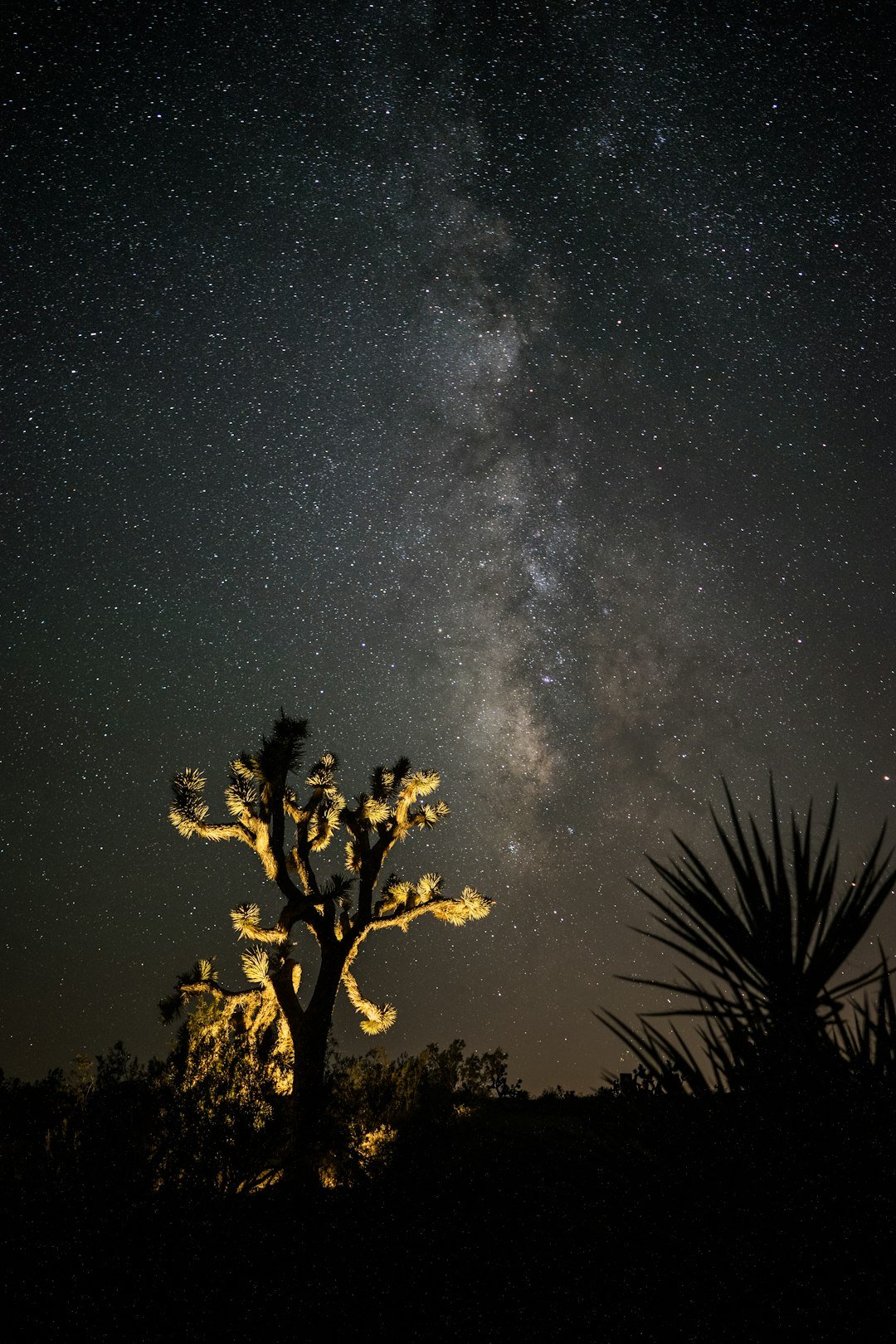
Venus and Jupiter Light Up Evenings (Image Credits: Unsplash)
Stargazers in April 2026 enjoy a rich display of planets and lunar spectacles under increasingly longer evenings. Venus and Jupiter dominate the western sky after sunset, while a planetary trio emerges before dawn in the east. The waning gibbous moon adds drama by nestling near the Teapot asterism in Sagittarius on the mornings of April 8 and 9, offering a perfect alignment with the Milky Way’s core.[1][2]
Venus and Jupiter Light Up Evenings
The month’s brightest sky objects, Venus and Jupiter, command attention in the western sky after sunset. Venus, the most brilliant planet, appears low in the twilight and climbs higher each evening, lingering up to two hours past sunset by month’s end. It passes near the Pleiades star cluster and Aldebaran in Taurus early on, creating striking views with binoculars.[1]
Jupiter shines steadily high overhead as darkness falls, positioned near the twin stars Castor and Pollux in Gemini. It remains visible until about one hour after midnight late in April. Observers in mid-northern latitudes spot these giants easily without aids, though southern viewers enjoy even clearer vistas. A waxing crescent moon joins Jupiter on April 21 and 22 evenings.[1][3]
Dawn Reveals Mercury, Mars, and Saturn
Early risers catch a subtle gathering of morning planets low in the eastern sky before sunrise. Mercury reaches peak visibility on April 3 at greatest elongation, shining above faint Mars near the horizon. Saturn joins nearby, forming a tight trio visible mainly from southern latitudes around April 15 and 20.[1][4]
These worlds hug the ecliptic, challenging northern observers due to twilight glare but rewarding with dark eastern horizons. By late April, Mars and Saturn rise higher for better northern views. A thin waning crescent moon passes above them on April 15 in the Southern Hemisphere. Binoculars help spot Mercury’s swift descent toward the sun by early May.[1]
| Planet | Best Viewing | Direction | Notes |
|---|---|---|---|
| Venus | After sunset | West | Brighest; near Pleiades |
| Jupiter | Early evening | West/Overhead | Near Gemini twins |
| Mercury | Pre-dawn | East | Peak April 3 |
| Mars | Pre-dawn | East | Faint reddish |
| Saturn | Pre-dawn | East | Low, yellowish |
Moon’s Journey Through April Skies
The moon delivers multiple highlights, starting with tomorrow morning’s rendezvous. On April 9, the waning gibbous moon rests among the Teapot’s stars in Sagittarius, low southeast a few hours before dawn. This asterism, resembling a teapot spout, points toward the galactic center amid the Milky Way’s glow.[1]
Later, a slender waning crescent shows earthshine on April 13 and 14 mornings. The new supermoon arrives April 17, darkening skies for optimal stargazing. Waxing crescents pair with Venus on April 18 and Jupiter on April 21-22, while gibbous phases frame Regulus in Leo and Spica in Virgo by month’s end. The full Pink Moon rose overnight April 1-2 near Spica.[1][3]
- April 8-9: Moon in Teapot asterism before dawn.
- April 15: Crescent above morning planets (Southern Hemisphere).
- April 18-19: Crescent near Venus and Pleiades after sunset.
- April 24-25: Gibbous near Regulus in Leo.
Lyrids Meteor Shower and Bonus Sights
The Lyrid meteor shower peaks overnight April 21-22, radiating from near Vega in Lyra. Up to 20 meteors per hour streak after midnight into dawn, favored by a setting crescent moon. Viewers face northeast in dark skies, no telescope required.[1][4]
Comet C/2025 R3 offers telescopic views predawn from mid-April in Pegasus and Pisces, nearing Earth on April 27. Recent Artemis II mission images, including Earth from lunar distances, inspire skywatchers via videos on EarthSky. Spring constellations like Leo’s Sickle and the Spring Triangle emerge prominently.[1]
Key Takeaways
- Seek dark sites for low horizon planets and meteors.
- Track moon phases for easy alignments with stars and planets.
- Lyrids provide free fireworks; comets reward patient observers.
April 2026 blends easy naked-eye wonders with deeper challenges, reminding us of the cosmos’s vast theater. Whether chasing the moon’s Teapot perch or awaiting Lyrid streaks, clear nights promise lasting memories. What celestial sight will you pursue first? Tell us in the comments.