


There is a moment in any great industrial revolution when a technology that once belonged purely to imagination crosses over into engineering reality. We may be living through exactly that moment right now. The race to mine asteroids has moved from science fiction premise to funded missions, launched spacecraft, and serious geopolitical debate – all within the span of a few years.
The stakes are extraordinary. Not just financially, but in terms of how humanity sources the raw materials that power its civilization. The question is no longer whether asteroid mining will happen. It is who will get there first, and what they will do with what they find.
The Staggering Value Locked Inside Asteroids
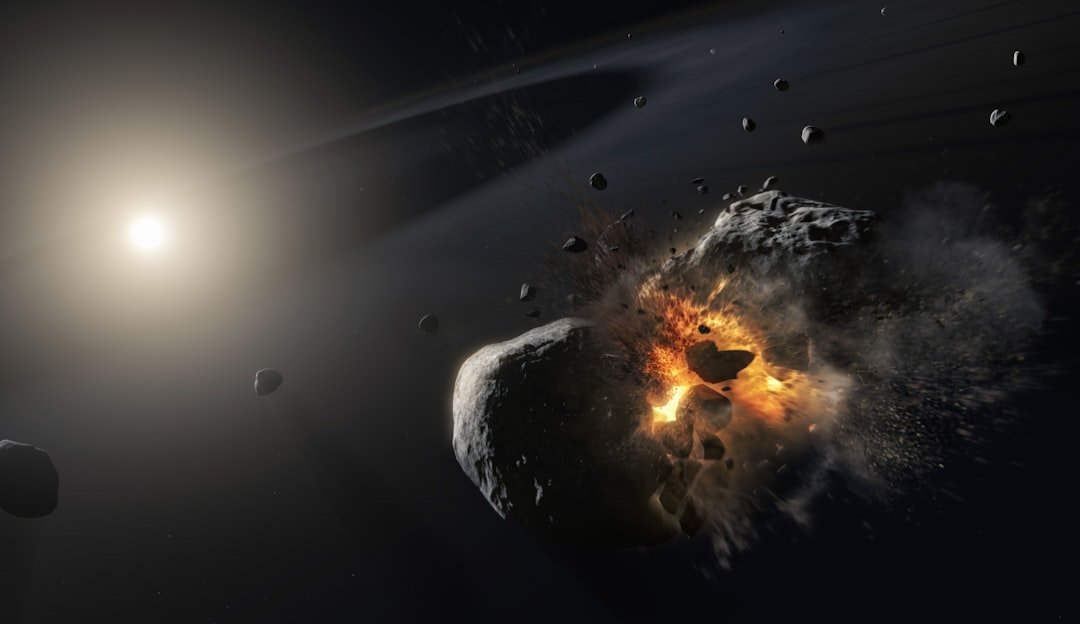
The numbers attached to asteroid resources are almost too large to process meaningfully. By some estimates, the iron in the 140-mile-wide metal-rich asteroid Psyche alone is worth $10,000 quadrillion – more than the value of the entire global economy. That figure has been disputed and refined as new data arrives, but even a small fraction of it would represent wealth on a transformative scale.
Metallic M-type asteroids contain platinum, iridium, and rhodium, with potential values exceeding $10 quadrillion for a single 1 km object, although accessibility and delta-v requirements vary. Closer to home, Asterank, which measures the potential value of over 6,000 asteroids that NASA currently tracks, has determined that mining just the top 10 most cost-effective asteroids would produce a profit of around $1.5 trillion.
A small asteroid only 100 meters wide could hold billions of dollars worth of platinum group metals. These are the same metals used in catalytic converters, fuel cells, electronics, and a growing range of clean energy applications – materials that are scarce and geopolitically fraught on Earth.
AstroForge: The Company Closest to Making It Real
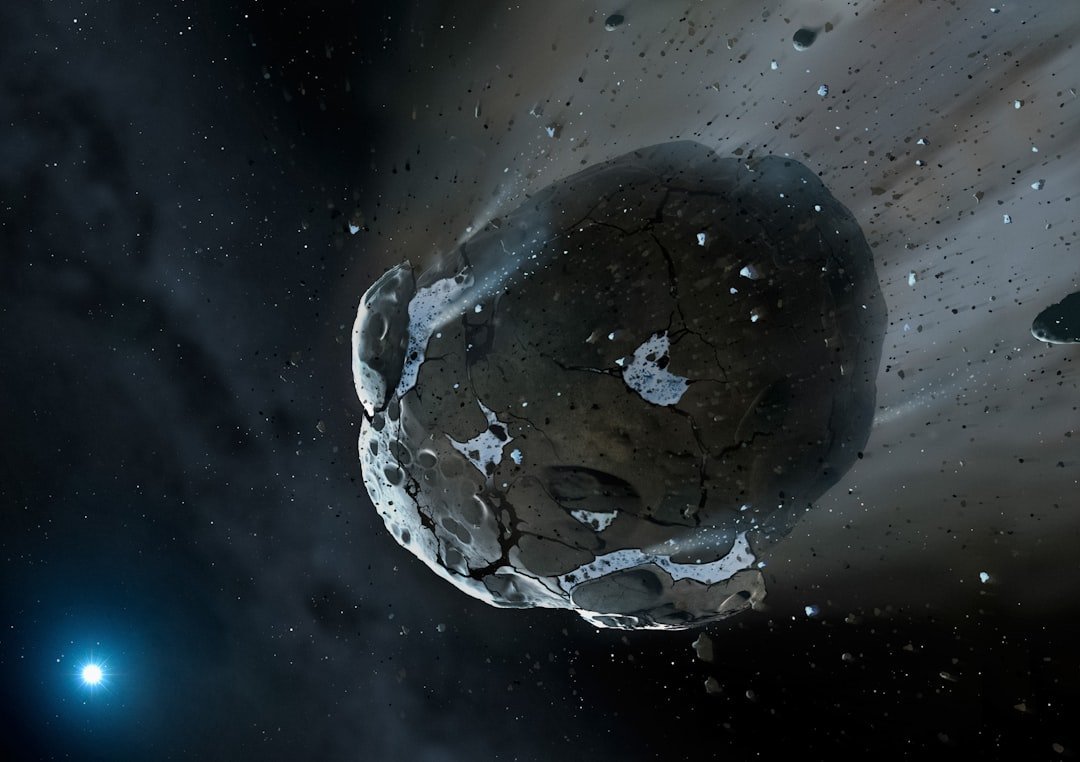
AstroForge is an aerospace company based in Huntington Beach, California, working on developing asteroid mining technologies and aiming to become the first commercial entity to do so. AstroForge was founded on January 10, 2022, by Matthew Gialich and Jose Acain. In just a few years, it has already launched two missions into deep space – a pace that would have been unthinkable for a startup a decade ago.
AstroForge’s goal is the extraction, refinement, and sale of platinum-group metals located within M-type asteroids near to Earth. Metal-rich asteroids contain enough platinum group metals to power industries on Earth and beyond, and while Earth-based mining margins run at roughly seven percent, AstroForge projects asteroid PGM margins of around 85 percent.
AstroForge has raised $40 million in a Series A funding round, bringing the total capital it has accumulated to $55 million. That is still a fraction of what traditional space agencies spend, which is partly the point. The company is built around rapid, low-cost iteration rather than decade-long development cycles.
Mission Odin: A Historic First, and a Hard Lesson

On February 26, 2025, Odin launched successfully as a secondary payload on the Intuitive Machines IM-2 mission, riding a SpaceX Falcon 9 to deep space. This was the first commercial deep space mission to target an asteroid for mining. The milestone alone – a private company sending its own spacecraft beyond the Earth-Moon system – was genuinely historic.
Odin launched on February 27, 2025 as a rideshare of the IM-2 lunar mission, but it failed due to ground station and communication issues. The primary ground station in Australia experienced significant technical issues during the critical first hours after separation, significantly delaying planned first communication – and forcing the team to scramble for alternatives during the most valuable contact window they would have.
AstroForge built Odin in less than 10 months, spending just $3.5 million to do so – a fraction of what a similar government-funded space probe would cost. The mission failed to complete its objectives, but the company frames it as an expensive education rather than a dead end.
Mission Vestri: The Landing Attempt

Next up for AstroForge is Vestri, which is scheduled to launch along with Intuitive Machines’ IM-3 moon-landing mission in late 2026 or early 2027. Vestri will be much larger than Odin, weighing 440 pounds, and will feature landing legs to attempt to touch down on asteroid 2022 OB5 and get an up-close assessment of its platinum-group metal abundance.
If successful, AstroForge’s endeavor will be the first privately funded mission to land on a celestial body beyond the Earth-Moon system. Vestri will be larger than Odin, with an improved propulsion system and avionics. The company is also augmenting its workforce with engineers who have hands-on spacecraft experience.
The Odin mission was a scouting effort to fly by asteroid 2022 OB5 to record images and data that would set the stage for a landing by Vestri. With Odin lost, AstroForge will need to approach Vestri’s target with less preparation data than originally planned – a significant added risk for an already high-stakes mission.
What Asteroids Actually Contain
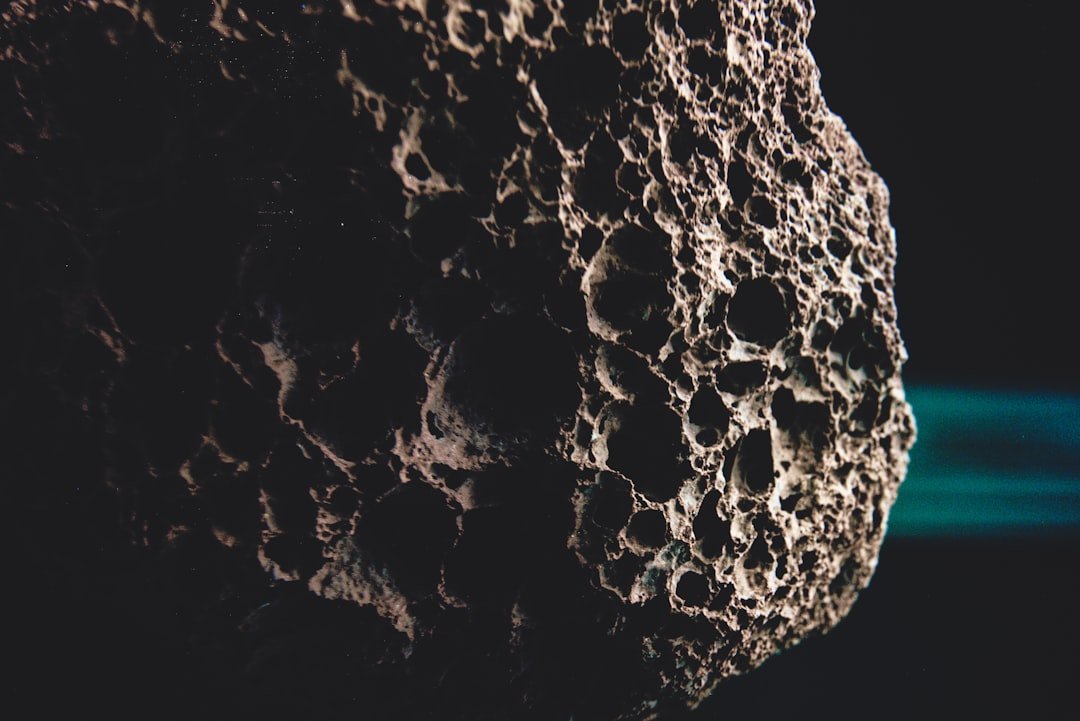
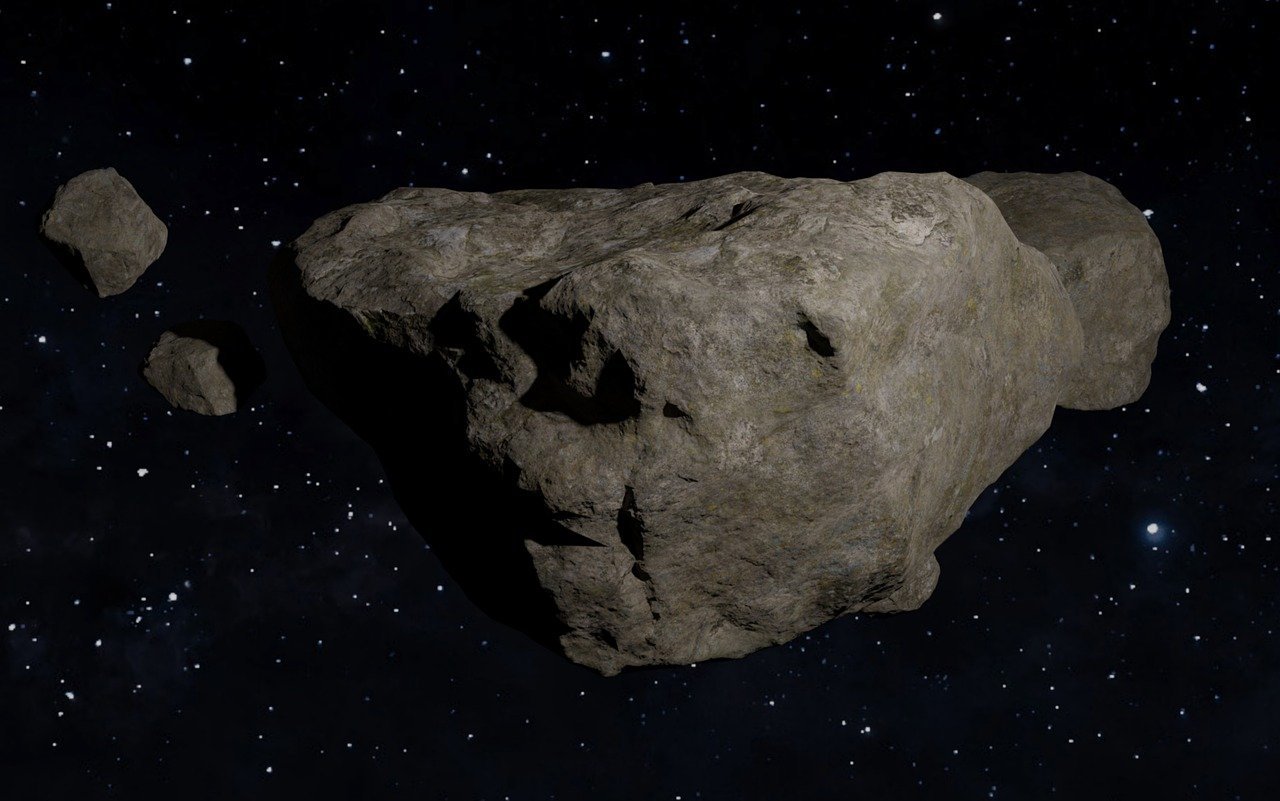
Asteroids are classified based on their orbit and content: some are made of stone, while others have high concentrations of rare metals – platinum and gold for electronics, nickel and cobalt for catalyst and fuel-cell technology, and iron. The most commercially attractive targets are the M-type asteroids, which are thought to be the metallic remnants of early planetary cores.
C-type asteroids held the largest share of the space mining market in 2024, and are expected to attract rising investment due to their composition rich in volatiles such as water, ammonia, and carbon-based compounds. These asteroids are valuable for their potential to provide resources essential for sustaining life in space habitats and supporting deep-space missions.
Scientists estimate that there are about 10 million near-Earth asteroids which come within an astronomical distance from our planet. About three to five percent of these are rich in metals, potentially providing hundreds of thousands of candidates for mining. That is a vast prospecting territory, and companies are only beginning to map it properly.
The Broader Market Taking Shape
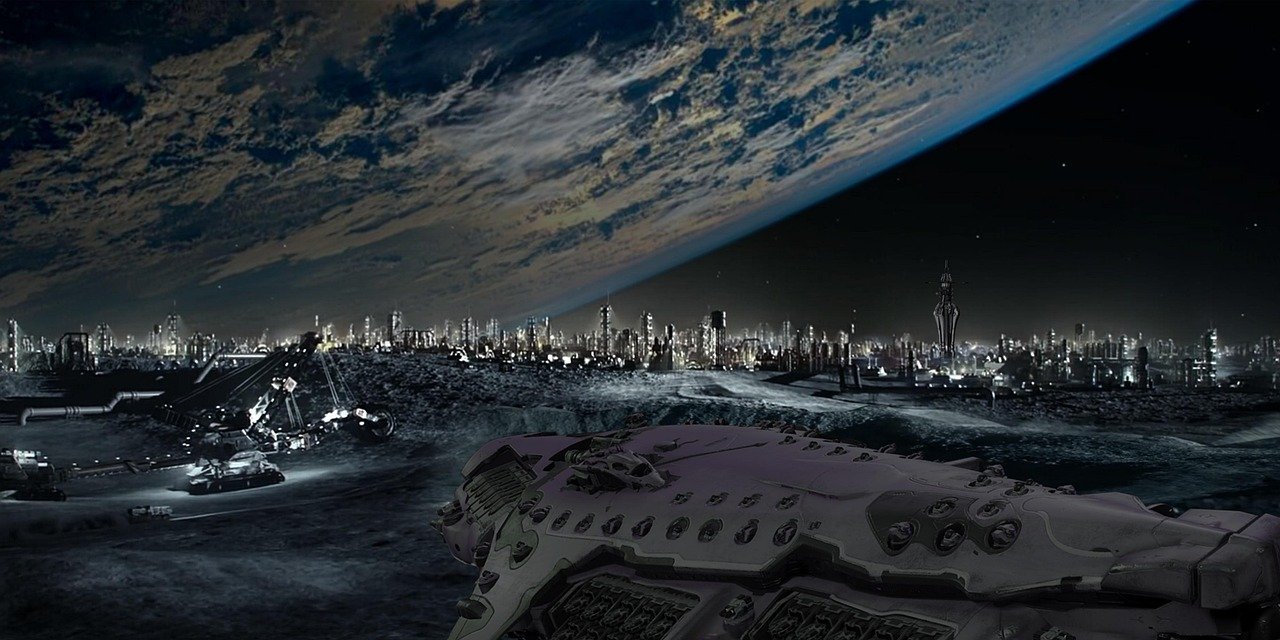
The global space mining market was estimated at $1.90 billion in 2024 and is expected to grow at a compound annual growth rate of roughly 18 percent from 2025 to 2030, reaching over $5 billion by 2030. These figures represent not actual extraction revenue, which remains at zero, but investment in spacecraft design, propulsion, robotics, and related technology.
Companies like SpaceX and Blue Origin are developing reusable rockets, significantly reducing the cost of space missions. Advances in robotic technology enable precise and autonomous operations in the harsh environment of space, with robots capable of performing detailed surveys of potential mining sites, extracting resources, and processing materials on-site.
The economic picture for asteroid mining has improved, with the cost of rocket launches decreasing and the regulatory environment evolving, as countries create laws specifically allowing space mining. These twin forces – cheaper access and clearer legal standing – are what are drawing serious capital into the field for the first time.
The Legal Landscape: Who Owns What in Space?

The Outer Space Treaty prohibits national sovereignty over celestial bodies but remains silent on whether private parties are subject to the same restrictions on space mining or resource extraction. In the 2015 Commercial Space Launch Competitiveness Act, the U.S. clarified its position that private space entities have property rights in the resources they extract from an asteroid, but not to the asteroid itself.
The update to U.S. law explicitly allows American citizens and industries to engage in the commercial exploration and exploitation of space resources, including water and minerals. The right does not extend to extraterrestrial life, so anything that is alive may not be exploited commercially. Think of it as the legal equivalent of fishing rights on the high seas – you don’t own the ocean, but you own what you catch.
The UAE’s Federal Law 12 of 2019 enables the commercial exploitation of space resources, while Japan’s Space Resources Act of 2021 provides for the ownership of mined space resources by licensed companies. Russia and China have argued that the Outer Space Treaty prohibits resource extraction and ownership, while the United States and Luxembourg have enacted legislation that permits these activities. The legal battle is far from settled.
The Trillionaire Question

Asteroid mining could produce significant wealth for individuals, with astrophysicist Neil deGrasse Tyson, among others, claiming that the first trillionaire will be an asteroid mining mogul. That prediction has circulated for years, but it is now backed by actual missions and real engineering rather than pure speculation.
Many experts argue on the flip side that asteroid mining could quickly destroy the economy of global raw materials, currently valued at roughly $660 billion. They claim this economy would be overtaken by the astronomical quantities of material that asteroid mining could deliver, flooding the market and causing a rapid devaluation of global raw materials. The paradox of space mining is real: the more successful it becomes, the more it could undermine the price of the very metals it extracts.
Commercial viability hinges on carefully managed extraction to avoid flooding markets. Oversupplying rare metals – critical for smartphones, electric vehicles, and defense technology – could send prices crashing, just as oil gluts have in the past, crippling terrestrial miners and suppliers. Getting rich from asteroid mining may require restraint as much as ambition.
The Challenges That Still Stand in the Way
Notable asteroid mining challenges include the high cost of spaceflight, unreliable identification of asteroids that are suitable for mining, and the challenges of extracting usable material in a space environment. These are not theoretical obstacles – every mission to date has encountered at least one of them directly.
Breaking rocks, sorting minerals, and processing them in low gravity must all be done by robots in extreme conditions – under high radiation, severe temperature changes, and vacuum. The engineering problem is not just getting to an asteroid. It is building machines that can work reliably once they arrive.
High initial costs remain a key restraint on market growth. Establishing infrastructure for resource extraction requires significant investment in advanced spacecraft, robotic systems, and specialized mining equipment to operate in harsh environments. These technologies must be capable not only of extraction but of transportation back to Earth or other destinations, which further increases costs.
What Comes Next for the Industry
Companies like AstroForge and Karman+ are testing prototype systems, refining extraction methods, and preparing demonstration missions that could lay the foundation for future commercial operations. In October 2024, ispace and the Asteroid Mining Corporation reached an agreement for a space robotics demonstration on a future ispace lunar mission, envisioning delivery of AMC’s SCAR-E robot to the lunar surface as a technology test for future asteroid mining efforts.
In the next 10 to 20 years, we may see small-scale experiments and technology tests – for example, extracting small amounts of water ice from asteroids to make fuel – mainly supporting government space programs and some commercial satellite missions. The path to large-scale extraction is still long, but the direction of travel is clear.
In the long run, if launch costs keep dropping thanks to reusable rockets, and if robotics and automation improve greatly, large-scale asteroid mining could become affordable, and humanity may truly begin using space resources to build a space-based economy. That future is not guaranteed. But the companies chasing it are no longer just dreaming – they are building, launching, failing, and building again.
Conclusion
Asteroid mining in 2026 sits at an unusual intersection: the resources are verified, the legal framework is partially in place, the technology is advancing, and at least one private company has already put hardware into deep space. What remains uncertain is the timeline, the economics at scale, and which player will ultimately reach the finish line first.
AstroForge has stumbled twice, lost contact with a spacecraft drifting somewhere in deep space, and is still preparing its next launch. That persistence is either a sign of genuine conviction or of the brutal difficulty of what the industry is attempting. Probably both.
The first trillionaire from space mining remains a hypothetical. But the companies trying to make it real are now measured in missions launched, not just promises made. The frontier is open. The gold, for now, stays in the rocks – waiting.