

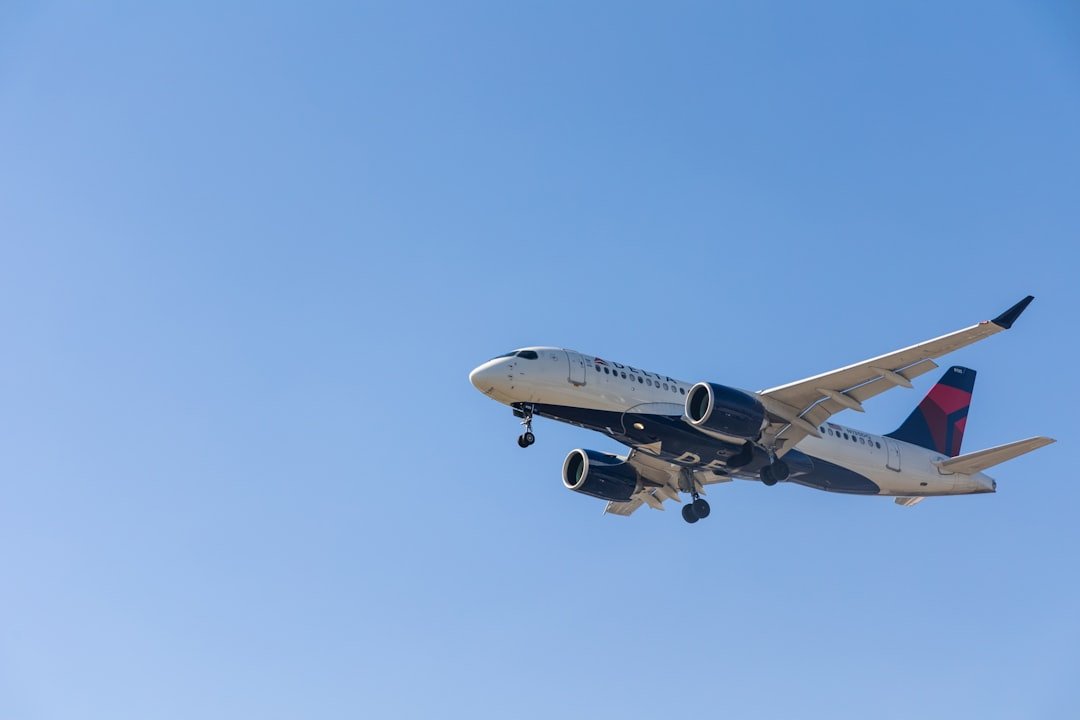
Quarterly Results Top Forecasts, Igniting Investor Enthusiasm (Image Credits: Unsplash)
Delta Air Lines reported robust first-quarter results for 2026 that outpaced analyst projections, lifting its shares more than 11% in premarket trading. The announcement came hours after a U.S.-Iran ceasefire opened the Strait of Hormuz, driving oil prices below $100 a barrel for the first time in weeks. Investors welcomed both the financial strength and the airline’s proactive steps against escalating fuel expenses.
Quarterly Results Top Forecasts, Igniting Investor Enthusiasm
Delta exceeded Wall Street expectations with non-GAAP operating revenue of $14.2 billion and earnings per share of $0.64. Analysts had anticipated $14 billion in revenue and $0.57 per share, according to CNBC. The company detailed these figures in its March quarter financial release, issued before markets opened on Wednesday.
The timing amplified the positive reaction. Fuel represents a major cost for airlines, and the ceasefire’s impact on oil prices provided immediate relief. Delta’s stock climbed above $73 in premarket, reversing recent declines.
CEO Outlines Defensive Strategy Against Fuel Pressures
Delta CEO Ed Bastian highlighted sustained strong passenger demand during the earnings call. However, higher oil prices threatened margins, prompting targeted countermeasures. Bastian emphasized actions to safeguard profitability and cash flow.
Key steps include scaling back capacity growth with a cautious outlook until fuel conditions stabilize. The airline also committed to swiftly recovering elevated fuel costs from customers. This approach involves fewer available seats to conserve fuel while enabling higher pricing on remaining capacity.
Delta already raised its checked baggage fee by $10 earlier in the week, aligning with industry trends, as noted by CNBC. Potential fuel surcharges on tickets offer another avenue for cost recovery. These measures aim to balance robust demand with economic headwinds.
Ripple Effects Boost Peers Across the Sector
The surge extended beyond Delta, reflecting broader market sentiment. American Airlines Group shares rose 11%, United Airlines Holdings gained 12%, and Southwest Airlines advanced nearly 11% in premarket trading. This synchronized movement underscored the ceasefire’s influence on airline valuations.
| Airline | Ticker | Premarket Gain |
|---|---|---|
| Delta Air Lines | DAL | 11%+ |
| American Airlines | AAL | 11% |
| United Airlines | UAL | 12% |
| Southwest Airlines | LUV | 11% (approx.) |
Delta’s stock, which closed at $65.62 the previous day with a 5.4% year-to-date loss, shifted into positive territory. The rally highlighted investor confidence in near-term fuel stabilization.
Ceasefire Brevity Introduces Uncertainty
The agreement lasts only two weeks unless extended by a final deal between the U.S. and Iran. Reopening the Strait of Hormuz eased immediate supply concerns, but tensions persist. Oil prices could rebound sharply if disruptions resume.
Airlines remain vulnerable to such volatility. Delta’s capacity adjustments and fee hikes provide a buffer, yet prolonged fuel spikes would test resilience across the industry.
Investors now watch for developments in the region alongside upcoming economic data. Delta’s proactive stance positions it well, but adaptability will prove essential.
- Delta beat Q1 revenue and EPS estimates, fueling a sharp stock rise.
- Capacity cuts and fee increases target fuel cost recovery.
- Sector-wide gains tie to temporary oil relief from Strait of Hormuz reopening.
Delta’s blend of solid results and strategic foresight offers a roadmap for navigating fuel challenges. As the ceasefire unfolds, the airline sector’s trajectory hinges on geopolitical stability. What strategies would you prioritize in this environment? Share your thoughts in the comments.