

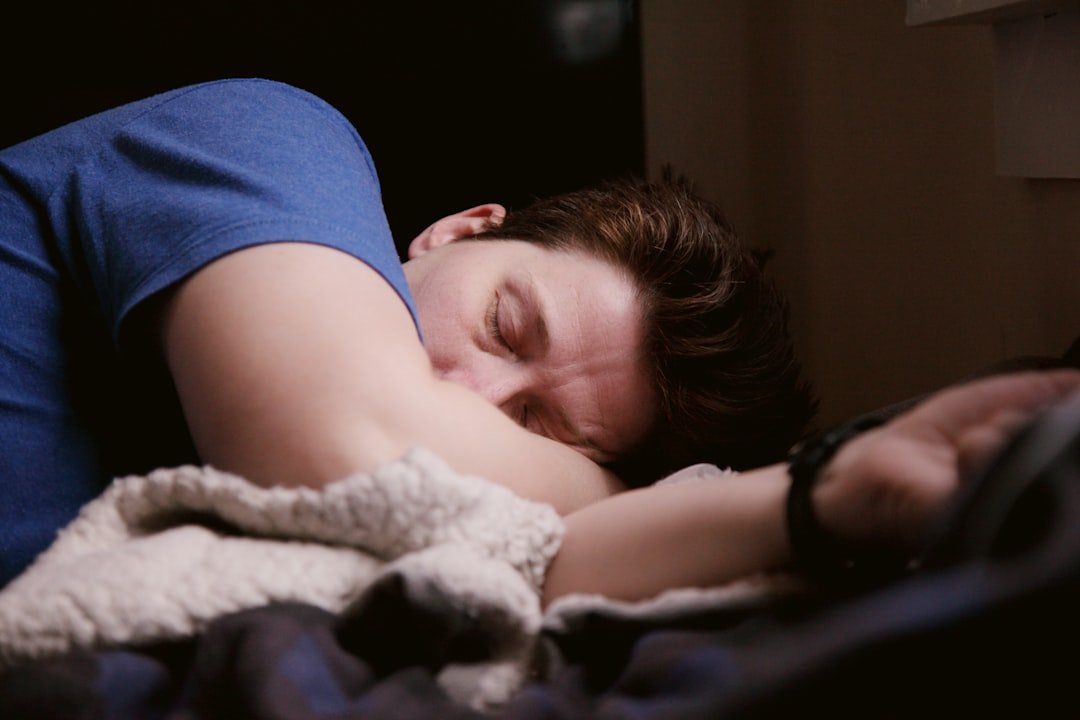
The Hidden Cost of Seeming Adaptability (Image Credits: Unsplash)
Many admire those who drift off quickly in hotels, airplanes, or unfamiliar beds, often envying their apparent ease. Yet this trait frequently stems not from inner peace but from a nervous system reshaped by prolonged danger. Individuals who mastered rapid sleep onset learned through harsh experience that constant vigilance offered no escape from threats.
Experts link this pattern to chronic trauma, where the body prioritizes energy conservation over awareness.[1][2]
The Hidden Cost of Seeming Adaptability
People often praised soldiers or travelers who sleep soundly amid chaos, viewing it as resilience. In reality, this quick shutdown marked resignation after alertness failed repeatedly. The body, exhausted from fruitless hypervigilance, flipped to an opposite extreme: minimizing consciousness to preserve resources.
Trauma survivors reported this shift clearly. Children in war zones or adults from unstable homes described falling asleep during crises not from bravery but depletion. Such patterns contrasted sharply with the typical “first-night effect,” where most struggled to rest in novel settings due to natural caution.[3][4]
From Hypervigilance to Forced Shutdown
Chronic stress initially heightened alertness, disrupting sleep as seen in PTSD cases. Over time, sustained threats overwhelmed this state, prompting a neurological pivot. The brain concluded wakefulness changed nothing, triggering a “freeze” response that mimicked sleep but lacked true recovery.
Stephen Porges’ polyvagal theory explained this dorsal vagal shutdown, a primitive defense when fight or flight proved futile. Bessel van der Kolk detailed in his work how bodies stored such adaptations, leading to fragmented rest despite fast onset. Studies confirmed PTSD patients showed reduced first-night disruptions, sleeping faster though poorly.[1][2]
Case Studies from High-Threat Environments
In northern Lebanon, families displaced by 2024 airstrikes illustrated the phenomenon starkly. Dr. Suzanne Jabbour, president of the Restart Center for Rehabilitation of Victims of Violence and Torture, observed children who lay still during explosions, eyes closed without reaction. This desensitization progressed from terror to shutdown, as ongoing peril rendered awareness pointless.
Lebanon’s layered crises – economic collapse, the 2020 Beirut explosion, political turmoil – embedded fear deeply. Displaced individuals napped in shelters or transports, conserving strength for survival. Similar reports emerged from veterans dozing on rough ground or children in abusive homes drifting off amid noise.[1]
Neurological Impacts and Health Risks
Rapid onset often meant shallow cycles, prone to abrupt awakenings at threats. Research in Frontiers in Psychology linked cumulative trauma to altered arousal, accelerating brain aging and cognitive decline. Poor quality rest compounded emotional numbing and trust erosion, especially in youth.
Unlike secure sleep, this adaptation impaired daily engagement. Immigrants or aid workers slept anywhere but struggled with intimacy or presence later. Long-term, it risked heightened vulnerability once threats eased.[1]
| Normal Response | Trauma-Adapted Response |
|---|---|
| Difficulty falling asleep in new places (first-night effect)[3] | Fast onset but shallow, fragmented sleep[1] |
| One brain hemisphere stays alert[4] | Full shutdown from exhaustion, no protective vigilance[1] |
- Signs include sleeping through loud noises others notice.
- History of unstable or threatening environments.
- Rest feels unrefreshing despite brevity to onset.
- Difficulty staying awake when safety returns.
- Emotional detachment during wakefulness.
Restoring Healthy Sleep Patterns
Recovery demanded rebuilding safety perceptions through social connections, not pills. A Frontiers in Psychology study on COVID-era Filipinos showed support networks eased stress by reframing threats. Veterans often slept better with a trusted partner’s presence, outsourcing vigilance temporarily.
Healing initially disrupted patterns further – insomnia or nightmares surfaced as processing occurred. Over time, ordinary sleep emerged, deeper and responsive. Therapy targeted this recalibration, fostering presence over shutdown.[1]
Key Takeaways:
- Rapid sleep in unfamiliar spots signals past adaptation to inescapable danger, not superior calm.
- It conserves energy short-term but risks long-term health and emotional health.
- True recovery involves safe relationships to retrain the nervous system.
This survival skill, while ingenious, carried a quiet toll – proof that the body remembered what the mind sometimes forgot. Recognizing it opened doors to genuine rest. What experiences have shaped your sleep habits? Share in the comments.