

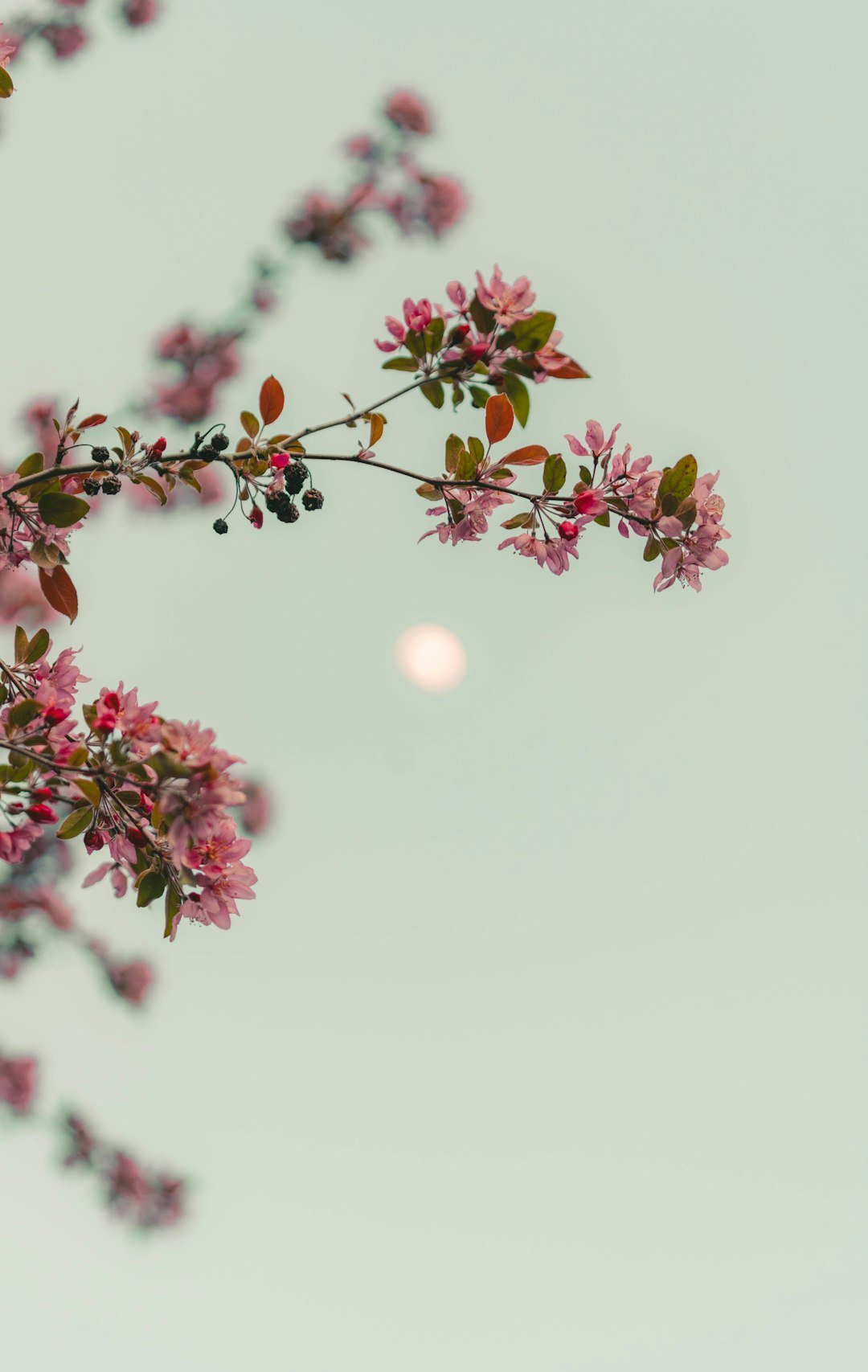
May Hosts a Lunar Doubleheader (Image Credits: Unsplash)
Spring’s floral symphony reaches a crescendo with the Flower Moon illuminating the skies on May 1, 2026. This full moon, the first of two in the month, arrives at the height of blooming season across the Northern Hemisphere. Astronomy enthusiasts prepare for clear nights as the moon offers a stunning backdrop to emerging wildflowers and lengthening days.[1][2]
May Hosts a Lunar Doubleheader
Rarely does a single month claim two full moons, yet May 2026 delivers exactly that. The Flower Moon kicks off the spectacle on May 1, followed by a Blue Moon on May 31. This occurrence heightens excitement among skywatchers, turning the month into a prime time for lunar observation.[3]
Both moons qualify as micromoons, appearing slightly smaller since they coincide with the moon’s farthest point from Earth. Observers note the subtle difference, but the brightness remains captivating. Such alignments remind stargazers of the moon’s elliptical orbit around our planet.
Precise Peak Illumination Details
The Flower Moon achieves full phase at 1:23 p.m. EDT on Friday, May 1, or 17:23 UTC. Daylight timing means the moon appears nearly full the preceding evening and the night after. In London, peak arrives at 6:23 p.m. BST, while Pacific Time sees it at 10:23 a.m. PDT.[2][3]
Local moonrise varies by location, typically shortly after sunset. Check apps or sites like timeanddate.com for exact rise times in your area. The moon lingers high overhead through the night, providing extended viewing windows.
| Time Zone | Peak Time (May 1, 2026) |
|---|---|
| EDT (Eastern US) | 1:23 p.m. |
| UTC | 17:23 |
| BST (UK) | 6:23 p.m. |
| PDT (Western US) | 10:23 a.m. |
Origins of the Flower Moon Name
Native American tribes named this full moon for the profusion of wildflowers carpeting landscapes in May. Algonquin peoples referred to it as such, while others called it the Planting Moon or Milk Moon, reflecting seasonal farm activities. European settlers adopted similar terms, tying it to budding plants and livestock calving.[4]
The designation persists in modern calendars, symbolizing renewal. In 2026, it aligns perfectly with May Day traditions worldwide. Astronomers appreciate how these names connect celestial events to earthly rhythms.
Prime Strategies for Spotting the Moon
Head outdoors just after sunset, facing east-southeast for the moon’s dramatic rise. A clear horizon enhances the view, free from trees or buildings. Binoculars reveal craters and maria, though the naked eye suffices for the glow.[5]
Avoid light-polluted urban centers; rural spots or parks yield sharper sights. Weather forecasts predict partly cloudy conditions in many regions, so flexibility helps. Photography tips include wide-angle lenses and tripods for long exposures.
- Monitor apps like Stellarium or SkySafari for real-time positions.
- Pair viewing with a picnic amid spring blooms for immersion.
- Observe over multiple nights, as the moon stays 99% illuminated April 30 through May 2.
- Protect eyes from direct moonlight; no hazards exist, unlike the sun.
- Join local astronomy clubs for group events and telescopes.
Celestial Context and What to Expect
The Flower Moon rises opposite the setting sun, dominating the eastern sky. Saturn may linger nearby in the pre-dawn hours, adding companionship. No eclipses accompany this event, keeping focus on the moon itself.[2]
Global visibility spans both hemispheres, though Southern observers see it lower. Tide influences peak slightly, interesting coastal watchers. This micromoon measures about 400,000 kilometers distant, per calculations.
Key Takeaways
- Flower Moon peaks May 1, 2026, at 17:23 UTC; view evenings around it.
- Expect a micromoon amid spring flowers; second full moon follows on May 31.
- East-southeast horizon post-sunset offers best sights with minimal gear.
The Flower Moon encapsulates spring’s vitality, bridging ancient traditions with modern wonder. As it crests the horizon, it invites reflection on nature’s cycles. What are your plans for this lunar highlight? Share in the comments below.