

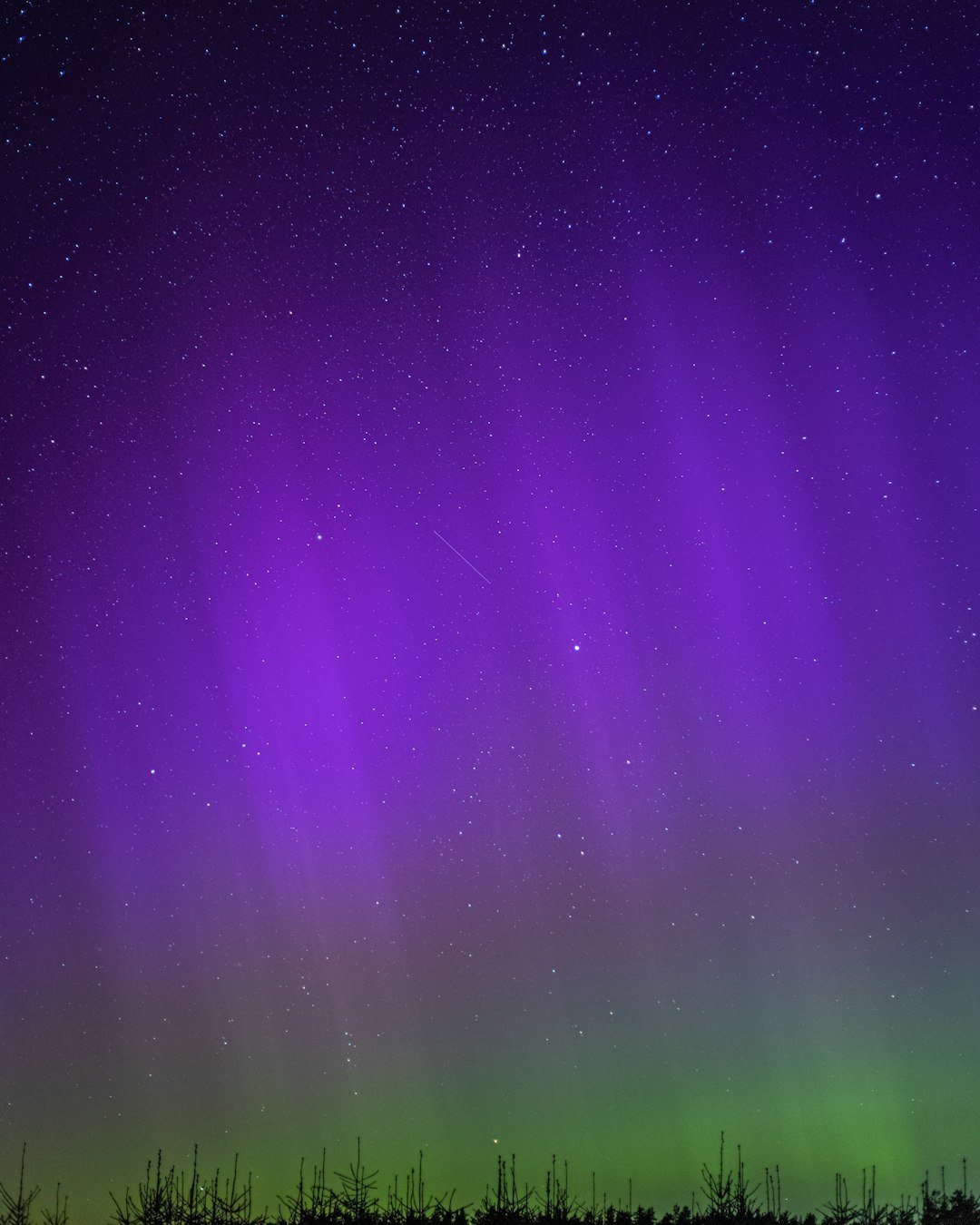
Roots in Ancient Skies (Image Credits: Unsplash)
As April progresses, sky enthusiasts prepare for one of spring’s reliable celestial events. The Lyrid meteor shower, known for its swift and bright streaks, will reach its annual peak overnight from April 21 to 22. This display offers a chance to witness fragments from a distant comet burning up in Earth’s atmosphere under favorable dark skies.[1][2]
Roots in Ancient Skies
Records of the Lyrids stretch back more than 2,700 years, marking it as one of the oldest observed meteor showers. Chinese astronomers in 687 B.C. described meteors falling like rain during the Spring and Autumn Period. Such historical accounts highlight the shower’s consistency across millennia.[1]
European observers noted strong displays in later centuries, including a vivid report from Korea in 1136 of stars flying from the northeast. Residents in Richmond, Virginia, witnessed rocket-like meteors in 1803. These events underscore the Lyrids’ potential for memorable sightings, even if outbursts remain unpredictable.[2]
Timing and Expectations for 2026
The shower activates from mid-April through late April, typically spanning April 15 to 29. Maximum activity arrives after midnight into the early morning of April 22, with a predicted peak around 19:15 UTC. Observers can anticipate 10 to 20 meteors per hour in pristine conditions.[1][3]
A zenithal hourly rate of 18 defines the standard display, though rare surges have pushed counts to 100 per hour. The 2026 event benefits from minimal moonlight, as the waxing crescent phase – about 27% illuminated – sets before prime viewing hours. This setup promises clearer views compared to moonlit peaks in other years.[2]
Mastering the View
Locate a site far from city lights to maximize visibility. The radiant point, from which meteors appear to originate, sits in the constellation Lyra near the brilliant star Vega. It rises in the northeast around 9 or 10 p.m. local time, climbing higher toward dawn.[1]
No telescopes or binoculars aid detection; the naked eye suffices. Allow 30 minutes for dark adaptation, then recline and scan wide sky areas away from the radiant for the longest trails. Patience rewards, as Lyrids travel at medium speeds of about 30 miles per second.[3]
- Choose rural or dark-sky preserves for lowest light pollution.
- Arrive early to settle in before the radiant rises.
- Layer clothing for cool nights and bring blankets or chairs.
- Track fireballs via the American Meteor Society for citizen science.
- Avoid dawn’s glow by wrapping up an hour before sunrise.
Comet Thatcher’s Legacy
Earth plows through dust left by Comet C/1861 G1 (Thatcher), a long-period visitor with a 415-year orbit. Discovered in 1861 by amateur astronomer A.E. Thatcher, the comet last neared the sun that year and will not return until around 2283. Its debris creates the annual shower as particles incinerate high in the atmosphere.[1]
Lyrid meteors often appear bright and swift, occasionally trailing luminous trains visible for seconds. Northern Hemisphere viewers enjoy the best prospects, as the high northern radiant limits southern sightings. NASA notes the shower’s ties to Vega, the fifth-brightest star, aiding easy radiant location.[4]
Key Takeaways
- Peak viewing: After midnight April 22 under moonless skies.
- Expect 10-20 meteors/hour; watch for bright fireballs.
- Northern Hemisphere optimal; no gear needed beyond eyes and patience.
The Lyrids remind us of the sky’s enduring wonders, connecting modern observers to ancient stargazers. Mark your calendar for April 21-22 and step outside to chase these cosmic embers. What are your plans for the show, or have you seen Lyrids before? Share in the comments.