


There’s a quiet arms race happening inside offices, university libraries, and home workspaces all over the world. It doesn’t involve robots. It involves pills, powders, and prescription drugs that people are swallowing in the hope of thinking faster, focusing longer, and staying sharper in a world where artificial intelligence is raising the bar for human performance every single day. Welcome to the age of nootropics. It’s stranger, more fascinating, and far more ethically messy than most people realize.
The pressure to “keep up” has never felt more real. AI tools now write reports, analyze data, and generate creative work in seconds. So it’s no surprise that more and more people are reaching for cognitive enhancers to close what feels like a growing gap. But should they? And what does it actually cost us, physically, morally, and socially, to try? Let’s dive in.
A Booming Market Built on the Desire to Think Better

The global nootropics market was evaluated at USD 21.33 billion in 2025 and is projected to surpass around USD 80.39 billion by 2035, growing at a compound annual growth rate of 14.19%. That’s not a niche supplement industry anymore. That’s a mainstream phenomenon. To put it plainly, this is the scale of a sector driven not just by aging populations concerned about memory loss, but by healthy, young, ambitious people who want to think better, faster, and longer than they currently do.
The United States nootropics market is expected to reach USD 5.75 billion by 2033 from USD 2.66 billion in 2024, with a CAGR of 8.95%, driven by aging populations, growing e-commerce channels, and increased acceptance by professionals and students. The appetite is real. And it’s growing fast.
What Are Nootropics, Exactly?

Nootropics, colloquially known as brain supplements, smart drugs, cognitive enhancers, memory enhancers, or brain boosters, are chemical substances which purportedly improve cognitive functions, such as attention, memory, wakefulness, and self-control. Honestly, that covers a surprisingly wide range, from a morning cup of coffee all the way to prescription stimulants and experimental peptides.
Prescription nootropics are drugs used to treat diseases such as attention deficit hyperactivity disorder (ADHD), Alzheimer’s disease, and narcolepsy, while non-prescription or over-the-counter versions do not treat diseases but are consumed for improving brain performance and concentration capabilities. The line between medicine and enhancement is where things start to get genuinely complicated.
Overall, nootropics are thought to improve brain function without directly releasing neurotransmitters or binding to receptors. They should facilitate enhancement of both glucose and oxygen supply to the brain, provide anti-hypoxic effects and protect against neurotoxicity, and stimulate neuronal protein and nucleic acid synthesis. At least, that’s the theory. Reality is messier.
The Most Popular Smart Drugs People Are Actually Taking

The most commonly used smart drugs, often taken under stress or pressure at school or work, include methylphenidate, modafinil, amphetamines, and psychedelics. These aren’t obscure lab compounds. Methylphenidate is the active ingredient in Ritalin. Modafinil is a wakefulness agent originally developed for narcolepsy. People are taking these drugs without prescriptions, often ordering them online, in pursuit of an edge.
Cognitive enhancers, including prescription medications like modafinil and methylphenidate, over-the-counter supplements such as ginseng and caffeine, and novel nootropic agents like gene therapy and stem cell interventions, improve cognitive functions such as memory, focus, and learning. The spectrum really does run from your morning espresso to experimental interventions. That breadth is part of what makes the ethical conversation so hard to pin down.
Do They Actually Work? The Science Is Not as Clear as Sellers Claim

It is still unclear how effective these drugs are at actually improving thinking and decision-making skills. That sentence deserves to be read twice. Despite billions of dollars in sales, the fundamental question of whether smart drugs make healthy people meaningfully smarter remains genuinely unresolved in science.
Most studies suggest that modafinil does not improve simple cognitive functions such as attention, verbal working memory, and cognitive flexibility in healthy individuals. Modafinil’s effects on learning and memory are mixed, with some studies suggesting benefits and others suggesting no change. Still, modafinil may improve some aspects of executive function such as planning, decision-making, and fluid intelligence.
In 2016, the American Medical Association adopted a policy to discourage prescriptions of nootropics for healthy people, on the basis that the cognitive effects appear to be highly variable among individuals, are dose-dependent, and limited or modest at best. That alone should give pause to anyone treating these substances like a guaranteed upgrade.
The Real Risks: Side Effects Nobody Wants to Talk About

Pharmacological stimulants have been found to have side effects on users, such as increased heart rate, elevated blood pressure, anxiety, and sleep disturbances. Excessive use of these drugs either in terms of dosage or duration leads to the development of tolerance and then subsequent dependence, which likely results in addiction and withdrawal symptoms. The risk profile gets worse the longer someone uses these substances.
Cardiovascular risks, including increased heart rate, elevated blood pressure, and, in rare cases, serious adverse events such as myocardial infarction, arrhythmias, and sudden cardiac death, have been reported with methylphenidate. Psychiatric adverse effects, including anxiety, agitation, psychotic symptoms, and exacerbation of preexisting mood disorders, also warrant close monitoring. These aren’t corner-case outcomes. They’re documented, peer-reviewed findings.
Although it is unclear what future effects these stimulants and naturally occurring nootropic agents will have, there are still worries about how the use of these agents may affect brain health and cognitive development in young adults and adolescents whose brains are still growing. That concern, I think, is one of the most important and underreported aspects of this whole conversation.
The Fairness Problem: Is This Cheating or Just Getting Ahead?
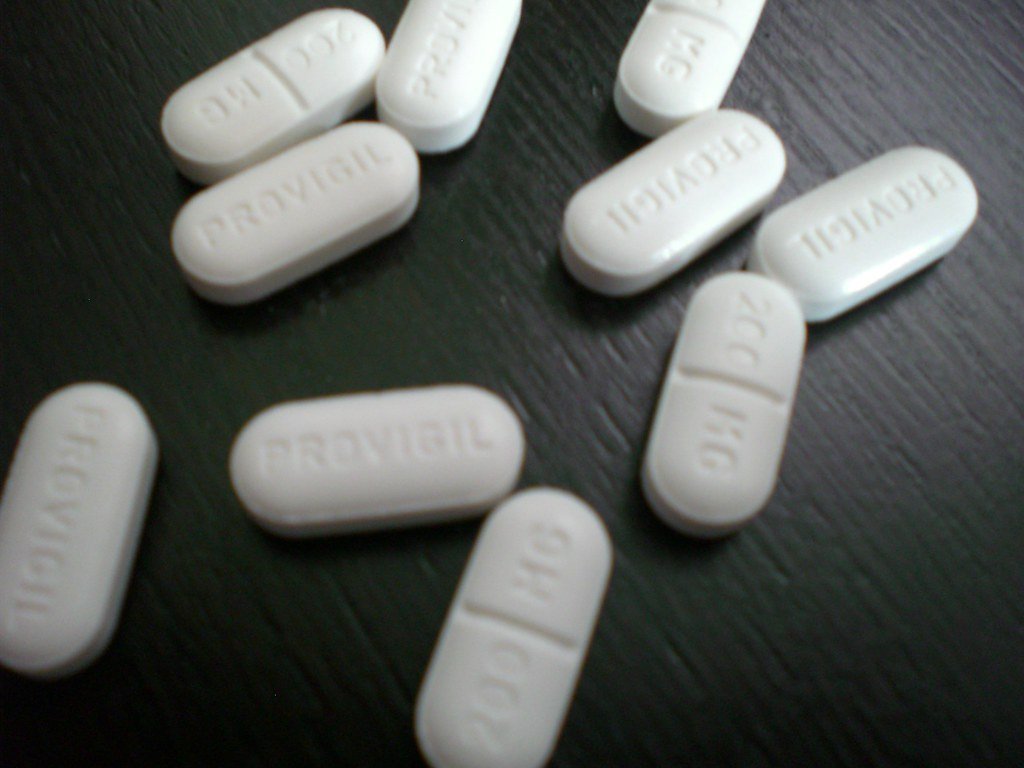
Social and ethical issues include disparities in access, fairness, coercion in competitive environments, and distinguishing between genuine and substance-enhanced achievements. This is the part that keeps ethicists up at night. If some students or workers are using cognitive enhancers and others aren’t, are we still measuring talent, effort, and intelligence, or something else entirely?
The use of nootropics raises ethical concerns about fairness in academic and professional settings, as individuals may gain an unfair advantage over others. Think of it like this: if one runner in a race is wearing high-performance carbon-fiber shoes and another is barefoot, we don’t call it a fair race. The same logic, many argue, applies to cognitive enhancement.
Individuals with low working memory capacity improve from pharmacological cognitive enhancers while high-span individuals are either not affected or are even impaired by the same substance. This means that those most in need of PCE would benefit most from it, with those less in need not benefiting at all or even experiencing impairment. That’s a genuinely strange finding that complicates the fairness debate considerably.
Access and Inequality: Who Gets to Be Smarter?

If only the wealthy can afford cognitive enhancements, we risk deepening social inequalities. A brain-boosted elite could widen the performance gap, creating a new form of neurodiversity with associated discrimination. This is where the ethics stops being abstract and becomes something that affects real people’s lives and careers.
In a survey of some 1,399 medical students from Egypt, Sudan, and Jordan, some 1,236, representing nearly nine in ten, admitted to being cognitive enhancement consumers. It’s hard to say for sure, but that figure suggests this is far more widespread in competitive academic environments than most institutions publicly acknowledge. The pressure is immense. The use is real.
There is concern about the potential for coercion, where individuals may feel pressured to use nootropics to keep up with peers or meet expectations. At that point, the choice is no longer truly free. And an unfree choice to alter your brain chemistry raises serious questions about autonomy and human dignity.
The AI Pressure Cooker: Why This Debate Has Exploded Now
Here’s the thing about artificial intelligence: it doesn’t get tired. It doesn’t get distracted. It doesn’t need coffee or modafinil or a good night’s sleep. In 2025, AI is fundamentally reshaping the workplace, unlocking unprecedented productivity gains while raising important ethical concerns. The psychological response from many humans has been to reach for ways to compete.
AI enhances employee capabilities by automating routine cognitive tasks and enabling “superagency,” where humans and AI collaborate. Critical skills now include technical fluency combined with uniquely human skills such as creativity, emotional intelligence, and continuous AI literacy. The cognitive bar has been raised not by human competitors, but by machines. That changes the ethical calculus around enhancement in ways society hasn’t fully worked through yet.
The rise of hybrid human-machine intelligence is redefining how we think about cognition. As brain-computer interfaces evolve, individuals may begin to offload certain cognitive functions to machines, creating seamless interaction between human thought and digital processing. Nootropics might just be the first, most accessible step in a much longer journey toward cognitive augmentation.
What Regulators Are (and Aren’t) Doing About It

The Federal Trade Commission (FTC) and the Food and Drug Administration (FDA) have warned manufacturers and consumers about possible advertising fraud and marketing scams concerning nootropic supplements. Many dietary supplements lack evidence, may contain unapproved or hidden drugs, and pose safety and regulatory risks. The regulation simply hasn’t kept pace with the market.
Regulatory bodies have not fully addressed nootropics, leading to a market filled with unregulated substances and potential health risks. That’s a generous way of putting it. Let’s be real: a multi-billion-dollar global market operating with minimal oversight, targeting people under enormous performance pressure, is a recipe for widespread harm.
Research proposes stronger legal frameworks to address the increasing use of cognitive enhancers. While cognitive enhancers have potential therapeutic benefits, a balanced approach is needed to regulate their use and ensure they are not misused to gain unfair advantages, particularly in non-medical settings. Most experts agree on this. The disagreement is about what that regulation should actually look like.
The Deeper Question: What Does Human Potential Even Mean Anymore?

Neuroethics examines the moral implications of using nootropics, particularly regarding informed consent, autonomy, and potential long-term effects on individuals’ identities. This is the question that sits underneath all the others. If we chemically alter our cognitive capacity to compete with AI or with each other, are we becoming more fully human, or are we eroding something we cannot easily get back?
Human enhancement technologies will predictably and increasingly go hand in hand with gene editing, bioengineering, cybernetics and nanotechnology. Applications are virtually boundless, and may ultimately affect all human traits including physical strength, endurance, vision, intelligence, and even personality and mood. Nootropics, in this context, aren’t an endpoint. They’re a doorway.
Evaluating nootropics implies considering not only possible benefits like improved intelligence and creativity, but also risks such as societal inequality and dependence on substances for performance. The transhumanist vision encourages critical reflection on what it means to be human and the moral responsibilities that come with manipulating our cognitive abilities. That reflection is not optional. It’s urgently necessary.
Conclusion: A Question Without a Clean Answer
There’s no tidy verdict here. The science is genuinely mixed. The ethics are genuinely contested. The market is genuinely enormous and growing. And the pressure from AI on human cognitive performance is, genuinely, not going away. What we do know is that the decision to take smart drugs to keep up with artificial intelligence is not a personal choice made in a vacuum. It ripples outward into fairness, access, safety, identity, and what kind of society we want to live in.
The most honest position, I think, is this: nootropics are neither magic nor poison. They are tools, and like any tool, their ethics depend entirely on how, why, and by whom they are used. What society still lacks is an honest, informed, public conversation about those conditions rather than leaving individuals to figure it out alone, under pressure, one pill at a time.
So here’s the question worth sitting with: if AI keeps getting smarter and the pressure to keep up keeps growing, where exactly do we draw the line between optimization and desperation? What do you think? Tell us in the comments.