

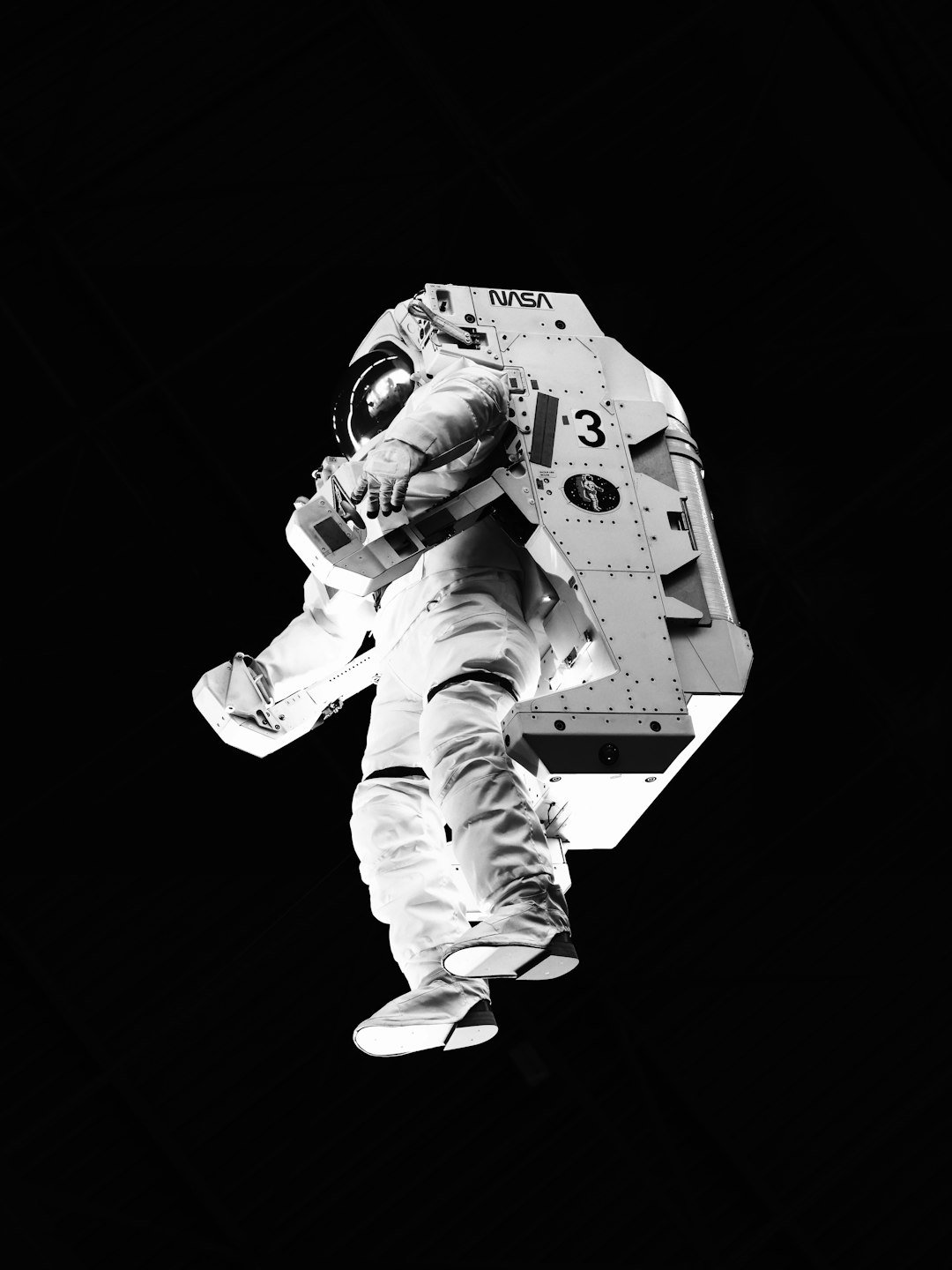
A Drive Stronger Than Bravery (Image Credits: Unsplash)
Humanity edges closer to establishing permanent outposts beyond Earth, with projects like SpaceX’s Mars plans and NASA’s long-duration habitats prompting serious discussions about one-way journeys. These missions demand volunteers willing to sever all ties to home forever, trading familiar skies for alien landscapes. Psychologists have pinpointed a specific trait that propels such individuals forward, revealing not just their motivations but the deep emotional rifts they create with loved ones.
A Drive Stronger Than Bravery
Psychiatrist C. Robert Cloninger first outlined novelty seeking in the 1980s as a core temperament dimension. Individuals high in this trait pursue novel stimuli with enthusiasm, showing reduced caution toward potential hazards. They experience the pull of uncharted territory as profoundly rewarding, overriding typical fears that would deter most people.
This distinguishes novelty seekers from mere thrill-seekers or brave adventurers. While the latter might embrace calculated risks with a return ticket in mind, novelty seekers view permanence as part of the allure. Research links this disposition to exploratory behaviors that prioritize discovery over security, making one-way colony missions an ideal match.
The Brain’s Role in Craving the Cosmic Unknown
Neuroscience illuminates why novelty seeking grips some so tightly. Studies reveal that high novelty seekers exhibit blunted responses in the ventral striatum, the brain’s reward center, to everyday anticipated pleasures. Ordinary routines, like family gatherings, fail to activate satisfaction sufficiently, driving a quest for extraordinary stimuli.
Differences in cannabinoid receptor CB1 distribution further amplify this effect. Certain profiles heighten the biological imperative toward unfamiliar experiences, turning the unknown into an irresistible call. “High novelty seekers don’t ignore risk. They process it differently,” notes analysis of brain imaging data. “The anticipated reward of encountering something genuinely unprecedented overwhelms the threat calculation.”
These findings echo patterns in extreme sports participants, such as BASE jumpers, who score elevated on sensation seeking yet retain home bases. Space colonies extend this to irreversible commitments, where neural wiring favors the mission’s novelty over earthly comforts.
Overlaps with Broader Personality Frameworks
Novelty seeking aligns closely with facets of the Big Five personality model. High openness to experience draws individuals to abstract ideas and unfamiliar environments, while low harm avoidance diminishes peril awareness. Low agreeableness reduces sway from social expectations, enabling choices that prioritize personal drives.
A University of Limerick meta-analysis of nearly 570,000 people tracked over six million person-years underscored personality’s predictive power for life outcomes, rivaling socioeconomic factors. Conscientiousness emerged as the top longevity predictor, yet novelty seeking’s extremes correlate with impulsivity and relational strains.
| Big Five Trait | Relation to Novelty Seeking | Impact on Mission Suitability |
|---|---|---|
| Openness to Experience | High | Enhances adaptation to new worlds |
| Harm Avoidance | Low | Reduces fear of isolation risks |
| Agreeableness | Low | Allows tough group decisions |
| Conscientiousness | Variable | Critical for colony survival tasks |
The Unique Grief of Planetary Separation
Families of potential volunteers confront a harrowing reality. The decision appears as noble sacrifice, yet underlying novelty seeking reframes it as inevitable pursuit. Loved ones grapple with the sense that no earthly bond could compete with the trait’s demands.
“The terror is about the realization that you were never going to be enough,” captures the emotional core. Permanent separation – delayed messages across vast distances, no reunions – intensifies this. Volunteers retain deep affections, but competing neural forces propel them outward. Misconceptions paint them as unloving, ignoring how the trait coexists with strong attachments.
Everyday parallels exist in relocations or high-stakes careers, but space missions amplify stakes irreversibly. Families mourn not loss to danger alone, but to an intrinsic orientation always aimed elsewhere.
Screening Pioneers for Distant Frontiers
Space agencies face dilemmas in selecting crews. Traits enabling one-way endurance may hinder team cohesion or long-term stability. Moderate novelty seeking fosters resilience, but extremes risk impulsivity or discord.
- Assess ventral striatal activity via neuroimaging for reward processing.
- Evaluate Big Five profiles to balance exploration with reliability.
- Simulate isolation in habitats like those testing Artemis protocols.
- Prioritize conscientiousness for mission-critical discipline.
- Consider family impacts in psychological vetting.
Programs building toward Mars colonization must weigh these factors carefully, ensuring volunteers thrive without fracturing support networks.
In the push for multi-planetary existence, novelty seeking emerges as both asset and liability. It fuels bold steps into the void yet underscores human costs. Missions will succeed only by understanding these dynamics fully.
- Novelty seeking trumps bravery as the predictor for one-way volunteers.
- Neural reward deficits make the unknown irresistibly compelling.
- Families endure profound grief from perceived inadequacy against innate drives.
What implications do you see for selecting future colonists? Share in the comments.[1]