

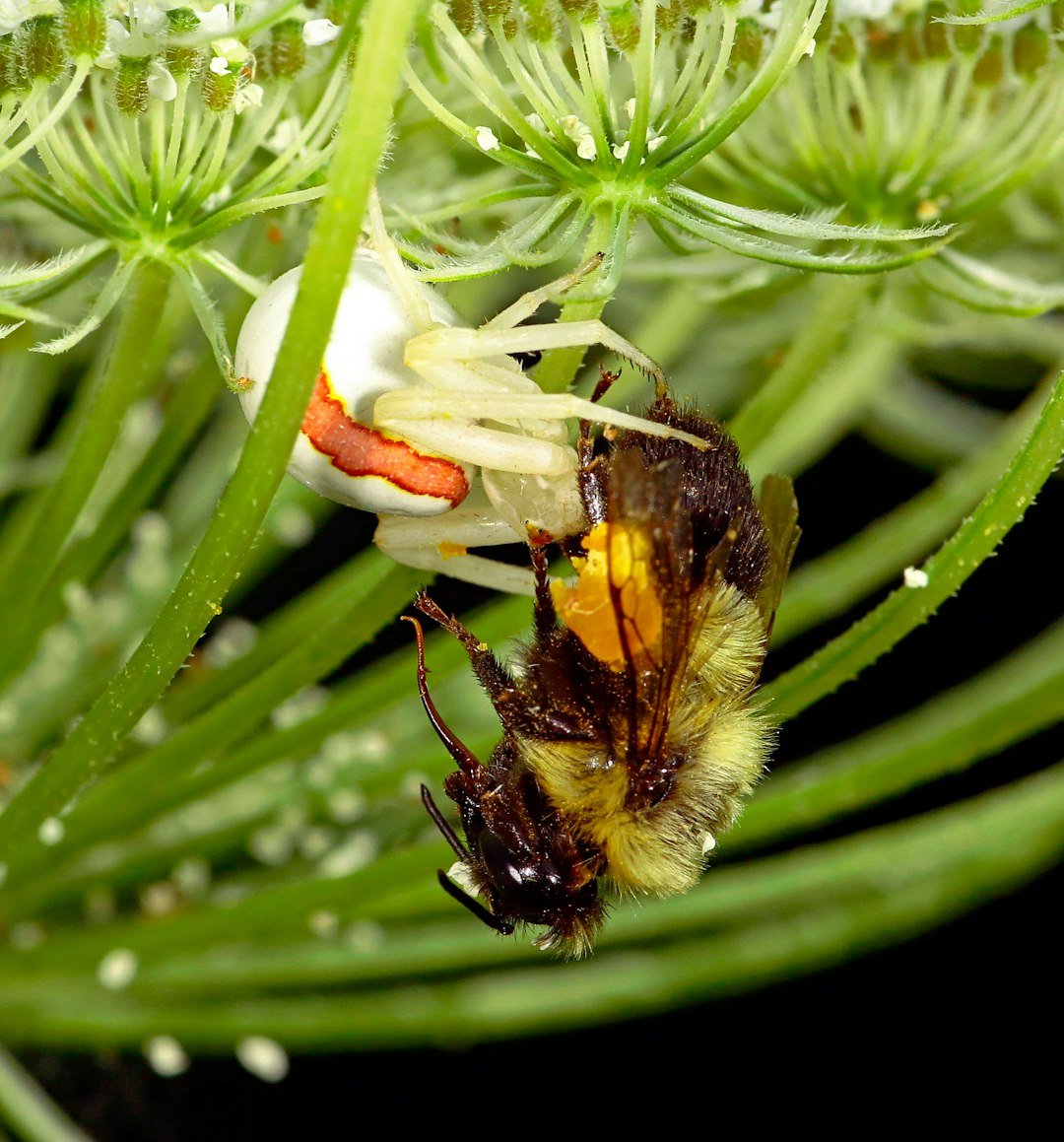
Record Winter Losses Shock Beekeepers (Image Credits: Unsplash)
Two decades after honeybees began vanishing from hives in alarming numbers, the crisis shows no signs of abating. Commercial beekeepers reported average losses of 62 percent of their colonies last winter, underscoring the ongoing challenges in the industry. While media coverage has waned amid global headlines, experts warn that both managed honeybees and wild pollinators face mounting pressures that threaten agriculture and ecosystems alike.
Record Winter Losses Shock Beekeepers
Losses climbed higher than ever for many operations last season. Zac Browning, a fourth-generation beekeeper from North Dakota, saw more than half his bees perish over the winter. Such figures exceed sustainable thresholds, signaling deeper problems within hives.
Christina Grozinger, an entomology professor at Penn State University, noted that beekeepers have endured 30 to 40 percent colony losses annually for years. These rates proved difficult to manage even in earlier years. Today, the trend worsened, with nationwide averages hitting 62 percent.
Economic Strain Tests Beekeeping Viability
High die-offs erode the financial foundation of commercial beekeeping. Browning explained that losing 50 percent of hives indicates underlying weaknesses, such as disease, hindering healthy splits and growth. Operations falter beyond 25 percent annual losses, as rebuilding costs compound amid inflation and loans.
Pollination contracts add further pressure. Almond orchards in California, for instance, demand two hives per acre, totaling about 1.7 million hives for the crop. Beekeepers increasingly partnered to fulfill these obligations, ensuring crops like almonds and blueberries reached markets. Yet sustained losses question the long-term model.
Wild Bees Face Parallel Threats
Beyond managed honeybees, wild pollinators confront similar dangers without human intervention. Habitat loss, pesticide exposure, and shifting bloom times due to climate change imperil their survival. Hundreds of native North American species now risk extinction.
Honeybees endure unique stresses from long-haul trucking – up to 2,000 miles for almond pollination – and monocrop diets leading to poor nutrition. Varroa mites plague both managed and wild populations, spreading disease. Grozinger emphasized that the challenges overlap, rejecting narratives pitting one group against the other.
From Colony Collapse to Chronic Decline
The phenomenon known as colony collapse disorder, which grabbed headlines in 2006, has receded, but winter die-offs persist. Adult bees no longer vanish en masse from hives as before. Instead, steady attrition chips away at populations year after year.
Scott Black, executive director of the Xerces Society for Invertebrate Conservation, credited early media frenzy with raising pollinator awareness. It highlighted their role in agriculture and ecosystems. However, focus lingered on honeybees, often overshadowing natives.
Missteps and Meaningful Solutions
Some popular fixes fell short. Bee hotels and rooftop hives drew criticism as ineffective or even harmful, with non-native honeybees potentially outcompeting locals for resources. Black pointed out that such placements failed to aid farmers and could deplete pollen for natives.
Broader strategies offer promise for all pollinators. Reducing pesticides on farms and the 40 million acres of U.S. lawns tops the list. Restoring wildflower habitats addresses root causes across species.
- Minimize pesticide applications in agricultural and residential areas.
- Plant diverse native wildflowers to boost nutrition and habitat.
- Manage Varroa mites through integrated pest strategies.
- Limit long-distance transport of hives to reduce stress.
- Promote habitat corridors connecting fragmented landscapes.
Key Takeaways:
- Commercial beekeepers lost 62% of colonies last winter, far above sustainable levels.
- Wild pollinators share threats like pesticides and habitat loss with honeybees.
- Targeted actions, such as pesticide reduction and wildflower restoration, benefit all bees.
The bee crisis endures not as a relic of past alarms but as a present threat to food security and biodiversity. Honeybees may persist through human efforts, yet the economic and ecological toll demands urgent change. What steps can communities take to support pollinators? Share your thoughts in the comments.