
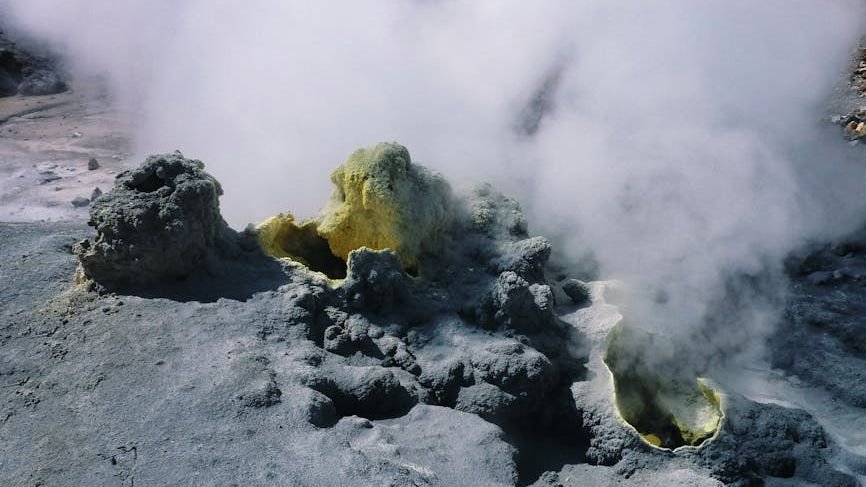

Deep beneath the Pacific Ocean, where no sunlight has ever reached and pressure would crush an unprotected human body in seconds, something extraordinary is happening. A robot is down there right now, firing lasers at volcanic rock. It is not science fiction. It is Project InVADER, and what it has found in the shadows of an active undersea volcano might quietly rewrite everything we thought we knew about where life can survive, including possibly on other worlds entirely.
The implications stretch far beyond ocean science. They touch on the deepest questions humanity has ever asked. Let’s dive in.
What Is InVADER, and Who Built It?

Project InVADER, short for In-situ Vent Analysis Divebot for Exobiology Research, was conceived by SETI Institute physicist Pablo Sobron and NASA JPL research scientist Laurie Barge, who received a NASA Planetary Science and Technology from Analog Research (PSTAR) grant to study underwater hydrothermal systems. Their project combines real-time imaging and spectroscopy for underwater sensing.
Announced in 2019 and developed jointly by the SETI Institute, NASA JPL, and sensor specialists Impossible Sensing, the InVADER platform was first tested in 2021 by tethered deployment off the Oregon coast, targeting the underwater hydrothermal systems of the submarine volcano named Axial Seamount.
The project also involves collaborators from the University of Washington’s Applied Physics Laboratory, the University of Hawai’i, the University of Southern California, the State University of New York, the University of Southampton, the Lunar and Planetary Institute, Oak Crest Institute of Science, and Honeybee Robotics. That is a genuinely impressive scientific coalition, all pointed at one very specific, very dark patch of the ocean floor.
The Volcano at the Center of It All: Axial Seamount
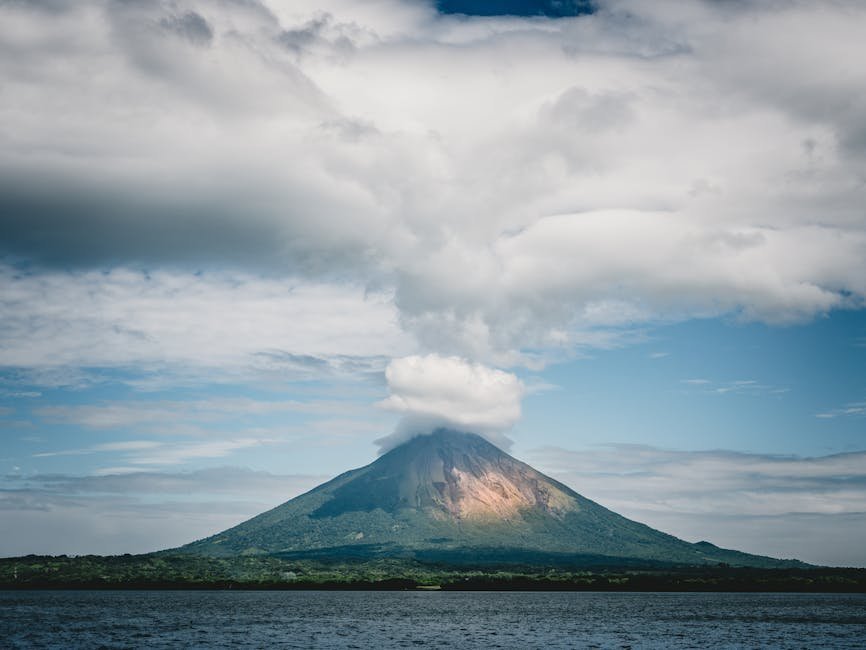
Axial Seamount is the largest and most active volcano on the western boundary of the Juan de Fuca tectonic plate, and it became the primary target for InVADER’s initial research into underwater hydrothermal systems.
Axial Seamount on the Juan de Fuca Ridge is an active submarine volcano and a site of extensive hydrothermal venting, with its most recent eruption occurring in 2015. The high volcanic activity of this caldera produces large amounts of hydrogen sulfide, ferrous oxide, and methane that are released during eruption events.
Axial Seamount is located roughly 300 miles off the coast of Oregon at the junction of the Cobb-Eickelberg hotspot and the Juan de Fuca Ridge. The caldera floor sits at about 1,520 meters depth, with steep caldera walls and known hydrothermal venting occurring near the caldera boundary fault and in the south rift zone. Think of it as an underground furnace sitting a mile below the sea. Not a quiet place.
The Laser Brain: InVADER’s Extraordinary Sensor Suite
The instrumentation inside InVADER is a combination of stereo optical imaging, laser Raman spectroscopy, laser-induced breakdown spectroscopy, and laser-induced native fluorescence. That is four separate detection systems packed into one compact deep-sea package. Honestly, it sounds more like a spy satellite than an ocean robot.
The InVADER system gathers compositional information about marine minerals and biodiversity using optical sensors, Raman spectroscopy, fluorescence, luminescence, and laser-induced breakdown spectroscopy, an analytical technique that can determine the elemental composition of materials.
The fluorescence and luminescence components provide insight into excited electronic states of organic pigments, molecules, and rare earth elements, while LIBS offers elemental composition. Continuously adjusting the optics’ focal length empowers InVADER to examine the ocean’s varied topography while maximizing signal return. In other words, the robot doesn’t just look at the seafloor. It essentially reads it, molecularly, in real time.
Going Mobile: The 2023 Deep-Sea Expedition
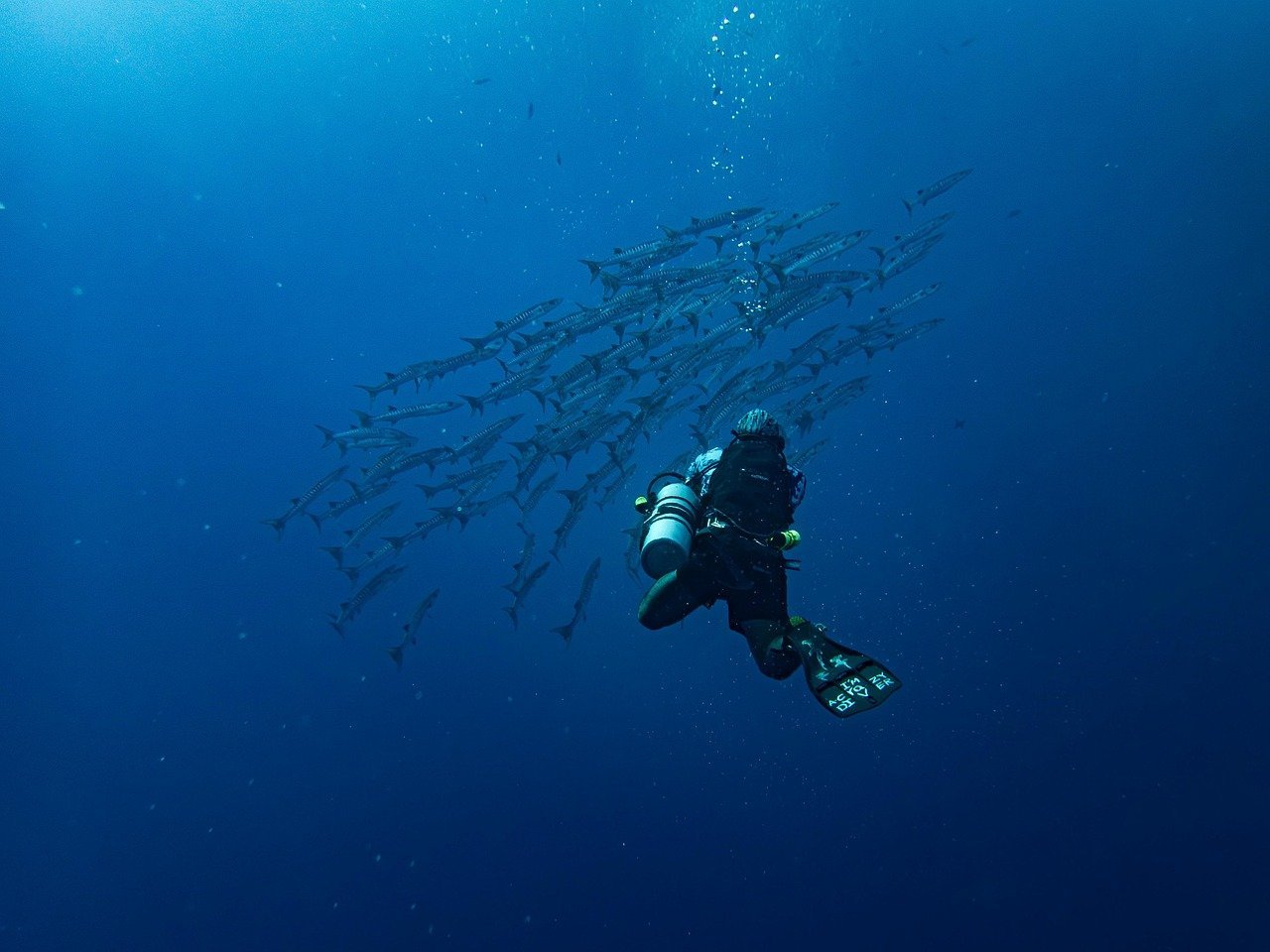
After early tethered tests, the platform went mobile, deployed from the research vessel E/V Nautilus as it visited the Kingman Reef and Palmyra Atoll region during May and June 2023. Mounted on the ship’s remotely operated vehicle Hercules, it was InVADER’s first use on a fully mobile platform.
The E/V Nautilus expedition deployed InVADER’s Laser Divebot in the Kingman Reef and Palmyra Atoll region from May 16 to June 14, 2023. These waters host some of the most pristine marine ecosystems on Earth. In addition to testing technologies for planetary exploration, the team contributed to a better understanding of deep-water resources and biodiversity in never-before-seen seamounts and habitats.
During its initial field deployment in the spring of 2023, the system was tested at depths exceeding 1,500 meters near remote reef systems, successfully generating high-fidelity compositional maps while the divebot remained in motion. That is not a small achievement. Generating accurate mineral maps from a moving vehicle, in complete darkness, over a mile underwater, is genuinely hard.
The Hunt for “Biological Heat”: What the Robot Is Actually Looking For
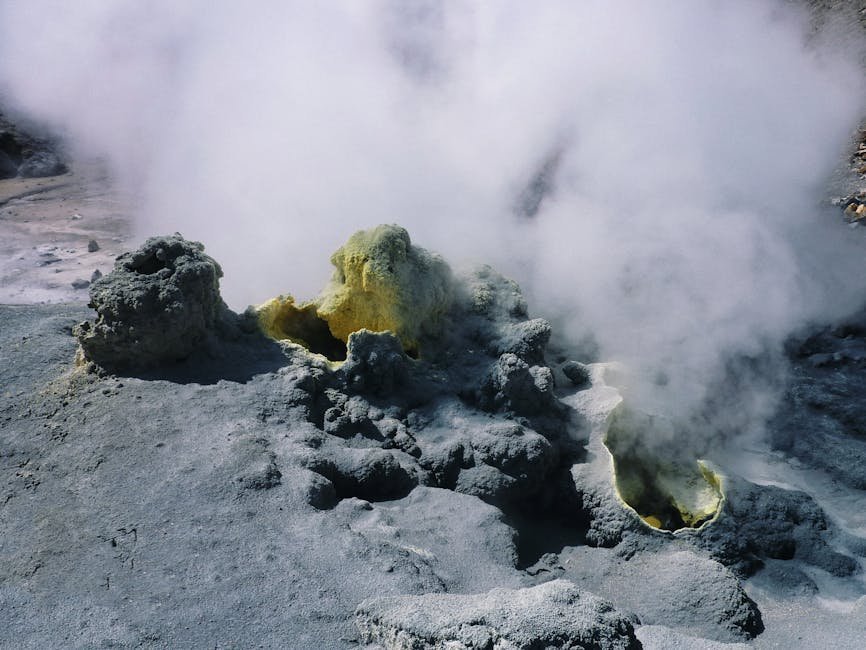
The material spewing out of hydrothermal vents can be extremely hot, creating niches for thermophilic microorganisms that can withstand the heat. There is a gradient between the hot fluid of the vents and the cold surrounding water, and along this temperature gradient is precisely where heat-loving microorganisms are found, serving as the base of the food chain in hydrothermal vent environments.
The data InVADER collects provides a greater understanding of geochemical dynamics across time and allows active investigation of microbial metabolisms in hydrothermal environments. By being resident on-site at the vent, InVADER captures transient events and provides unprecedented spatial and temporal access to a deep ocean hydrothermal system.
The discharge of hydrothermal vents on the seafloor provides energy sources for dynamic and productive ecosystems, which are supported by chemosynthetic microbial populations. These populations use the energy gained by oxidizing the reduced chemicals contained within the vent fluids to fix carbon and support multiple trophic levels. This is the “biological heat” concept at its core: life that runs not on sunlight, but on raw chemical and thermal energy from volcanic rock. It changes the definition of a habitable zone entirely.
The Microbes Living Inside the Fire

The high volcanic activity at Axial Seamount’s caldera produces large amounts of hydrogen sulfide, ferrous oxide, and methane during eruption events. An abundance of sulfur-oxidizing bacteria and methanogenic archaea correlate with these high concentrations of hydrogen sulfide and methane.
Axial Seamount plumes and microbial mats have shown that Aquificae, Gammaproteobacteria, Campylobacteria, and classes of methanogenic archaea dominate these microbial communities. These organisms would kill virtually everything else alive on Earth. Here, they thrive.
Research found that Campylobacteria were identified within nascent microbial communities at these vent sites, but different variants were present at different seamounts, indicating that geography in addition to the composition of the vent effluent influences microbial community development. Across vent locations, dissolved iron concentration was the strongest driver of community structure. It’s a reminder that even in extreme environments, life is highly specific about exactly how it survives.
Year-Round Monitoring: InVADER’s Long-Term Mission Design
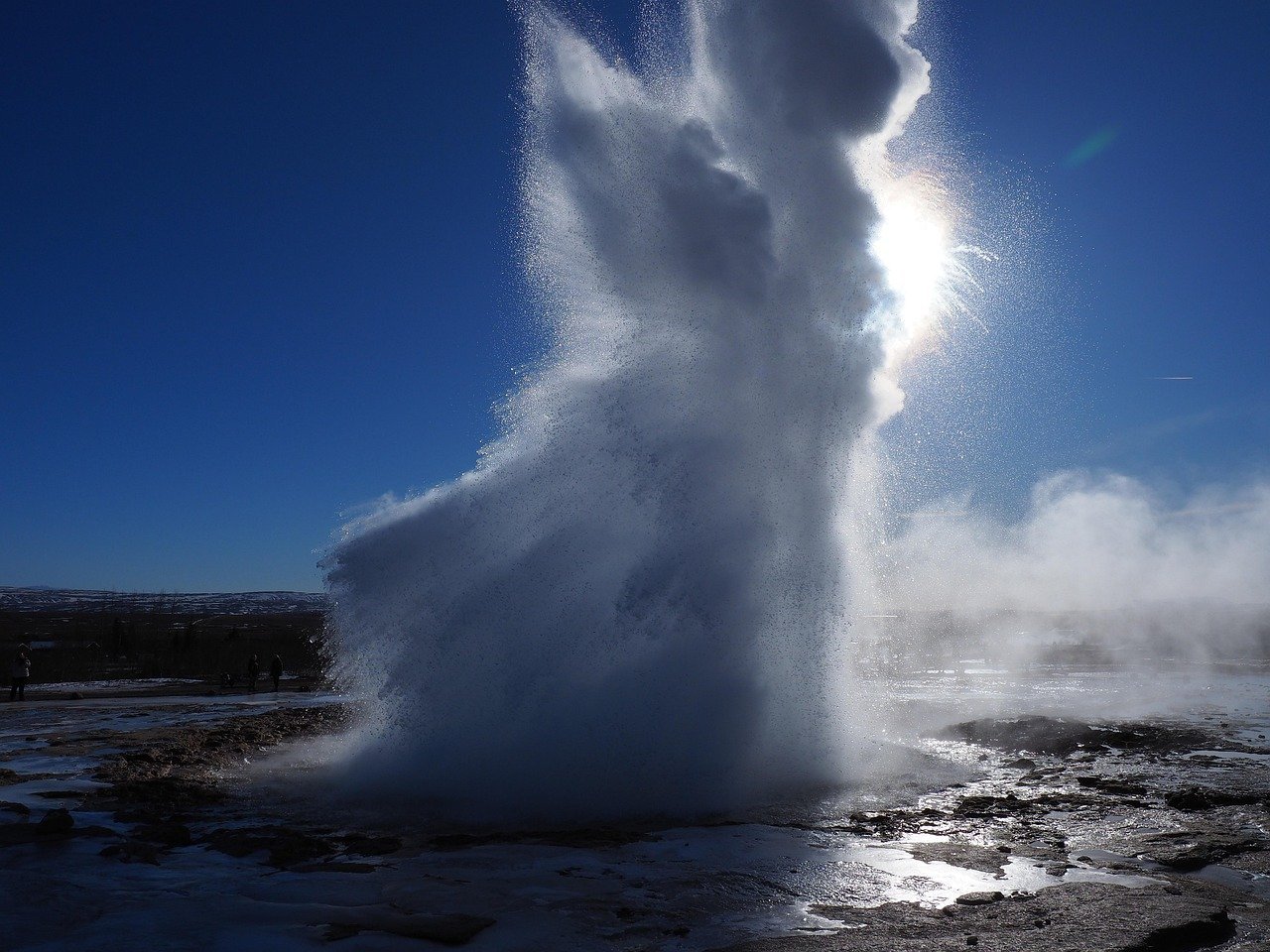
By being resident on-site at a hydrothermal vent for 12 months, InVADER is designed to capture transient events and provide unprecedented spatial and temporal access to a deep ocean hydrothermal system. No prior instrument has done this with this level of sensor integration. It is the deep-sea equivalent of placing a fully equipped laboratory inside a volcano and leaving it running for a year.
InVADER takes daily measurements across 12 months. The data collected will determine relevant gradients in vent systems, the composition and mineralogy of hydrothermal chimneys, small-scale features that are indicators of vent geochemistry and habitability, and the presence and distribution of organics.
The team also brings back samples of local fluids and minerals to be analyzed in the lab. This analysis enables the team to characterize the mineralogy, hydrothermal fluid compositions, and geological context of the samples. Field data plus lab verification. It’s hard to argue with that methodology.
The Bigger Picture: Europa, Enceladus, and the Search for Alien Life

The InVADER system was originally designed for use by NASA with an eye toward extraterrestrial applications, like deploying a version of it on Europa, one of Jupiter’s moons that contains roughly twice as much water as all of Earth’s oceans combined. Let that sink in for a moment.
These measurements will help determine new strategies to study life in Earth’s oceans and refine methods for how we might study habitable vent systems on ocean worlds like Europa or Enceladus in the future. The science being done at the bottom of the Pacific is, in a very real sense, rehearsal for one of the most important missions humanity will ever attempt.
The fact that life at hydrothermal vents requires no photosynthesis whatsoever has piqued NASA’s serious interest in ice-covered oceans on other worlds, where there is no sunlight, yet there are still conditions, including the presence of hydrothermal activity, that may give rise to life. InVADER isn’t just collecting ocean data. It is stress-testing the concept of life itself.
Real-Time Results, No Lab Required

InVADER’s Laser Divebot is designed to identify and catalog biodiversity and marine minerals in the seabed more quickly and more economically than ever before. The technology is set to revolutionize oceanography the way digital photography disrupted film. Scientists will no longer have to collect and ship samples to a lab and wait weeks for results. InVADER will do it in just a few hours and with zero environmental impact.
InVADER is capable of what the project describes as unprecedented high-resolution measurements at active hydrothermal vents on the sea floor, and its optical sensor package is articulated to allow study of areas up to two meters by two meters in size.
The technology overcomes conventional challenges by integrating clever optoelectronic architectures around Raman spectroscopy, fluorescence, luminescence, and LIBS into a single compact system. This innovative arrangement allows the team to probe ocean depths from up to 10 meters away from the seabed, even from moving vehicles. That kind of standoff distance matters enormously when you’re trying not to disturb the very ecosystem you’re studying.
Why This Matters More Than Almost Anything Else in Science Right Now
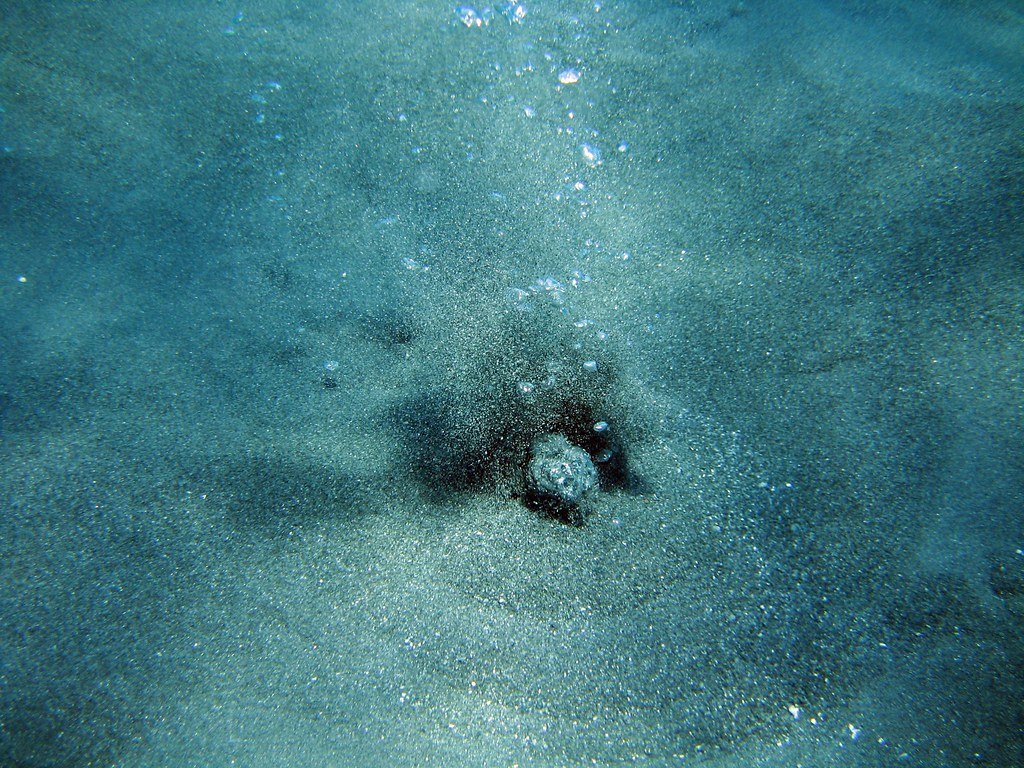
Some astrobiologists believe that hydrothermal vents in Earth’s early oceans could have been important in the origins and evolution of life on our planet. The unique environment of hydrothermal vents allows for some natural chemical reactions that can produce molecules that may have played a role in the formation of the first living cells on Earth.
The microbial diversity found where that much energy is available from volcanic heat is really quite impressive and distinct from most ordinary hydrothermal vents. The discoveries made at these sites are particularly important because they reassure scientists that we could search for life on other ocean worlds beyond Earth in a credible and meaningful way, based on what we now know.
The SETI team also plans to use the InVADER technology to monitor, report, and verify marine carbon dioxide removal strategies, a critical step toward accelerating carbon sequestration and storage in the ocean. They will visit active hydrothermal vent sites along the North Pacific sea floor, and eventually do the same in other oceans, to continue characterizing and cataloging what they find. A robot hunting for alien life is also, quietly, working to help save our own planet. That’s the kind of story that deserves far more attention than it gets.
What would you say if this technology eventually confirmed, somewhere out past Jupiter, that we are not alone? Would that change everything for you, or did you already suspect it?