
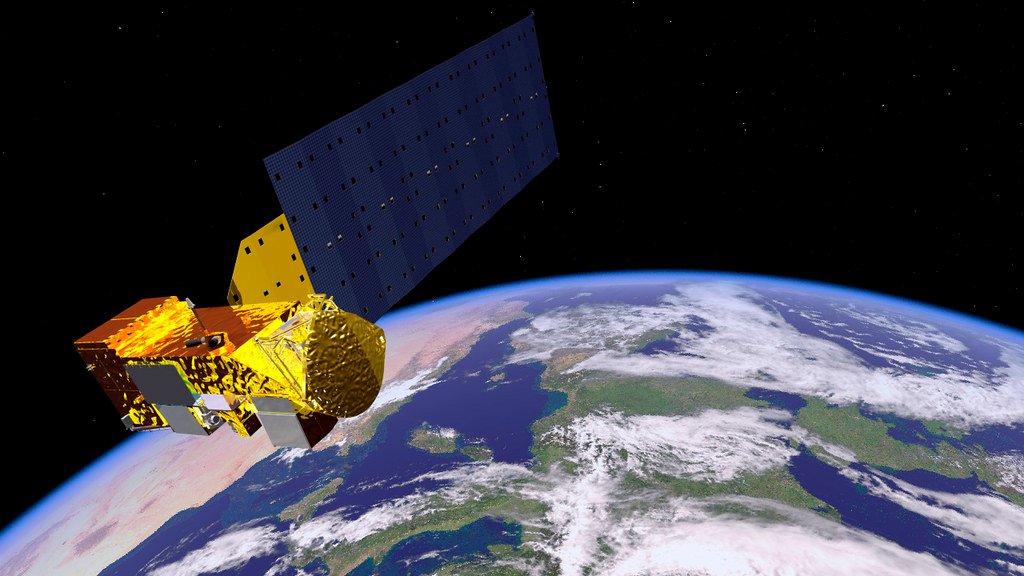

Look up. Not at the clouds. Further. Right now, more than ten thousand satellites are zipping around Earth at nearly 28,000 kilometers per hour, weaving past each other in a ballet of automation and algorithms. It’s a marvel of human engineering. It’s also, honestly, a disaster waiting to happen.
The skies above us have quietly become one of the most contested environments on the planet. More corporations are launching more satellites than ever before, faster than any international body can regulate them. The question is no longer whether orbit will get dangerously crowded. It already is. The real question is: what happens when something goes wrong up there, and what does that mean for the internet you rely on every single day? Let’s dive in.
The Sky Is Full: How We Got Here So Fast
For most of the space age, orbit was a quiet neighborhood. Only a few hundred satellites operated at any given time, and growth was slow and deliberate. Then 2019 happened. Once unfathomable, the milestone of a single company having 10,000 satellites operating overhead signals that the era of mega-constellations is here to stay. Until the beginning of the 21st century, only a few hundred satellites operated around Earth at any one time, and the number grew to a few thousand by the 2010s. But in 2019 everything changed – that was the year SpaceX launched the first satellites for its Starlink constellation.
As of March 2026, the Starlink constellation alone consists of over 10,020 satellites in low Earth orbit, and Starlink now constitutes roughly 65% of all active satellites. Think about that for a second. Two thirds of every working satellite in existence belongs to a single private company. That kind of concentration would be alarming in any industry. In orbit, it’s a whole different level of risk.
The Debris Problem Is Already Out of Control
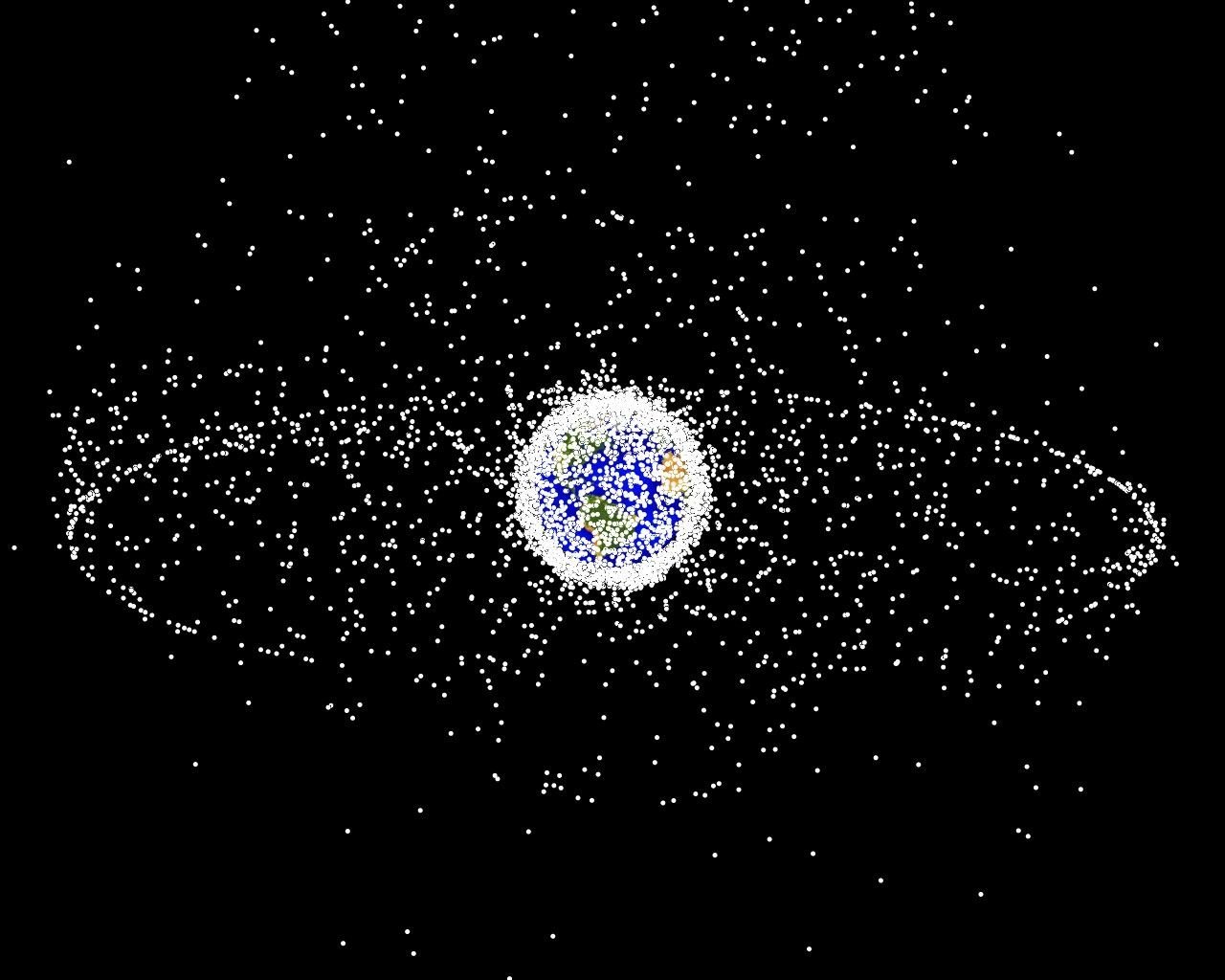
According to ESA’s 2025 Space Environment Report, there are approximately 54,000 objects larger than 10 centimeters in Earth orbit, about 1.2 million objects between 1 and 10 centimeters, and more than 140 million smaller than 1 centimeter. Those numbers aren’t abstract. Each one of those fragments is a high-speed projectile.
An object just 1 centimeter in diameter traveling at orbital velocity carries the kinetic energy of a hand grenade, while a 10 centimeter object impacts with roughly the force of a truck bomb. The fragments too small to track reliably are still large enough to terminate a mission. Here’s the thing: there is no windshield strong enough to handle that. Not at these speeds, not at this scale.
Despite improvements in mitigation efforts, a lack of compliance and remediation meant that 2024 saw a net growth of the space debris population. If we extrapolate current trends into the future, catastrophic collision numbers could rise significantly.
Meet the CRASH Clock – and Its Terrifying Reading
Scientists recently created a metric so alarming it deserves its own headline. Researchers have created a simple warning system called the CRASH Clock that answers a basic question: if satellites suddenly couldn’t steer around one another, how much time would elapse before there was a crash in orbit? Their current answer: 5.5 days. That’s the margin between normal operations and the beginning of a cascade.
Losing control for just 24 hours carries a 30% chance of a major collision that could kick off the long chain reaction leading to Kessler syndrome. Thirty percent. In one day. I know it sounds crazy, but that’s not a science fiction scenario, it’s a published calculation being reviewed in peer-reviewed journals right now in 2026.
A Federal Communications Commission filing in 2023 showed that SpaceX’s Starlink satellites had to make 50,000 collision avoidance maneuvers over the previous four years. That same year, one professor calculated that, if trends continued, Starlink satellites would have to perform roughly a million maneuvers every six months by 2028.
The Kessler Syndrome: From Theory to Near-Reality
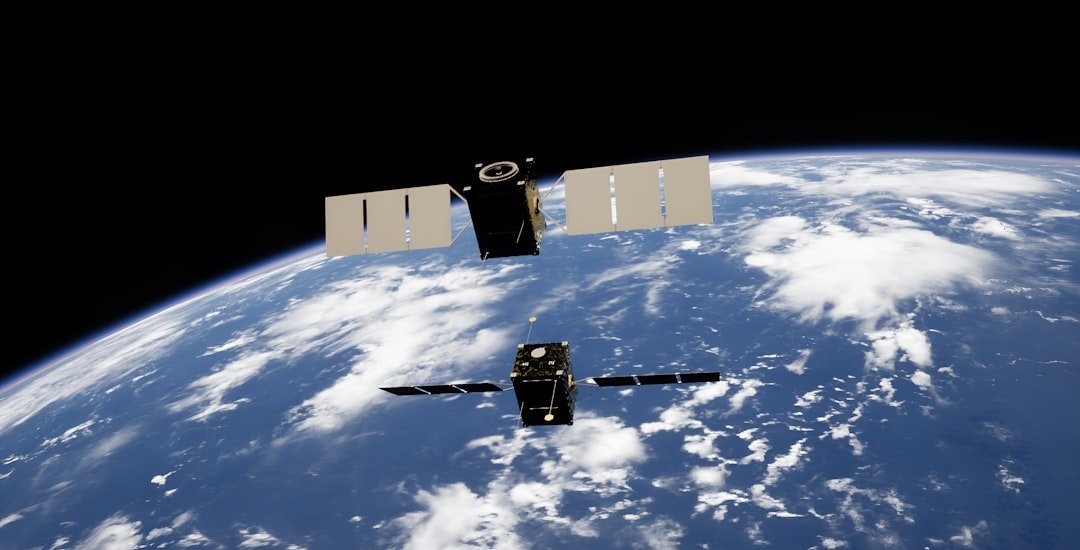
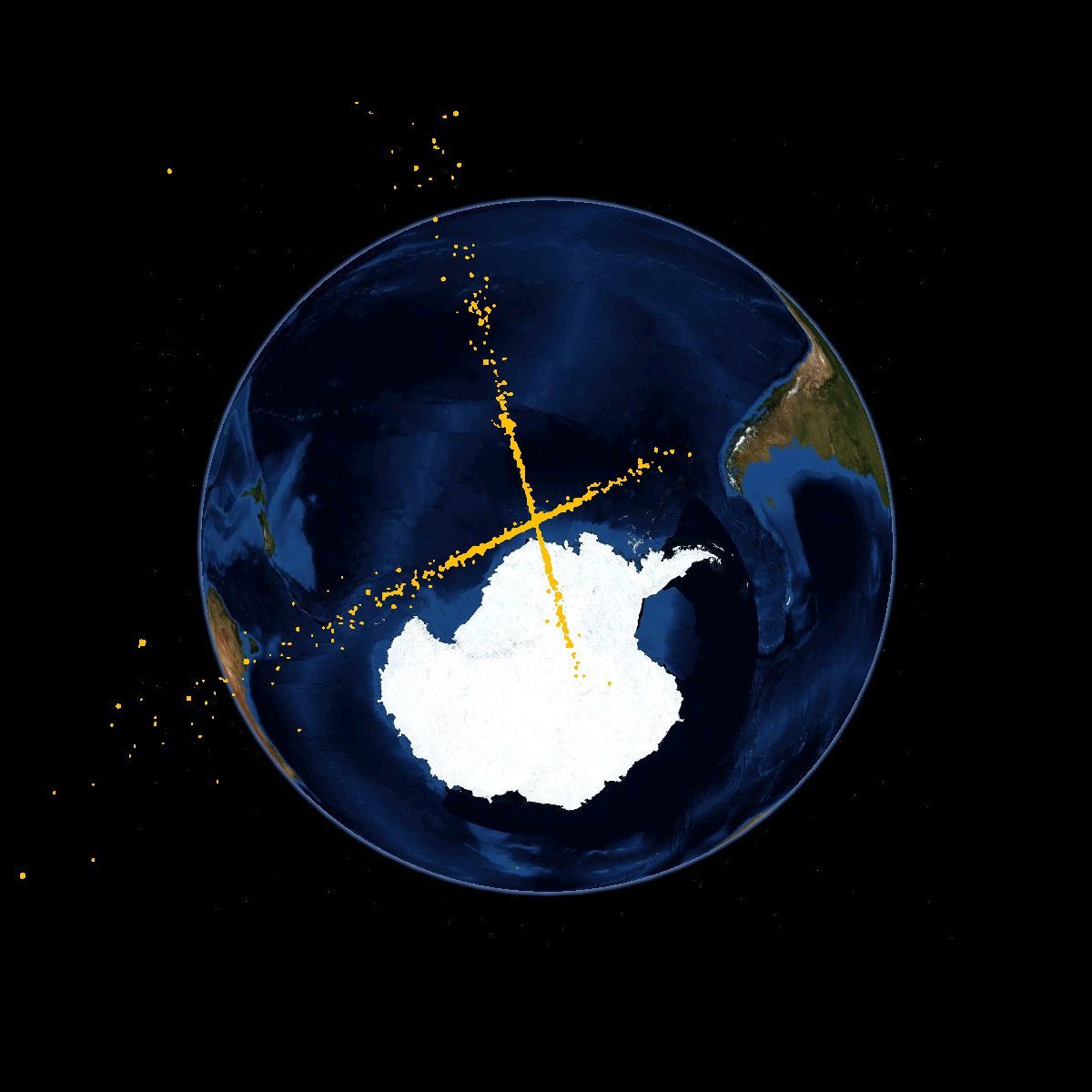
The Kessler syndrome, proposed by NASA scientists Donald J. Kessler and Burton G. Cour-Palais in 1978, describes a situation in which the density of objects in low Earth orbit becomes so high that collisions between these objects cascade, exponentially increasing the amount of space debris over time. This proliferation poses significant risks to satellites, space missions, and the International Space Station, potentially rendering certain orbital regions unusable for many generations.
There is a scientific consensus that even without any additional launches, the number of space debris would keep growing, because fragmentation events add new debris objects faster than debris can naturally re-enter the atmosphere. This chain reaction can make certain orbits become unsafe and unusable over time as debris continues to collide and fragment again and again, creating a cascading effect.
With an orbiting mass of space debris and the majority of existing satellites damaged or destroyed, such a syndrome could precipitate widespread internet and WiFi outages, and disrupt cellular, television, and GPS services, underscoring the pervasive reliance on satellite communication, which serves approximately 68% of the global population as of April 2025. Let that sink in. More than two thirds of all internet users on Earth depend on systems that orbit through this debris field every single day.
The Mega-Constellation Race Nobody Is Slowing Down
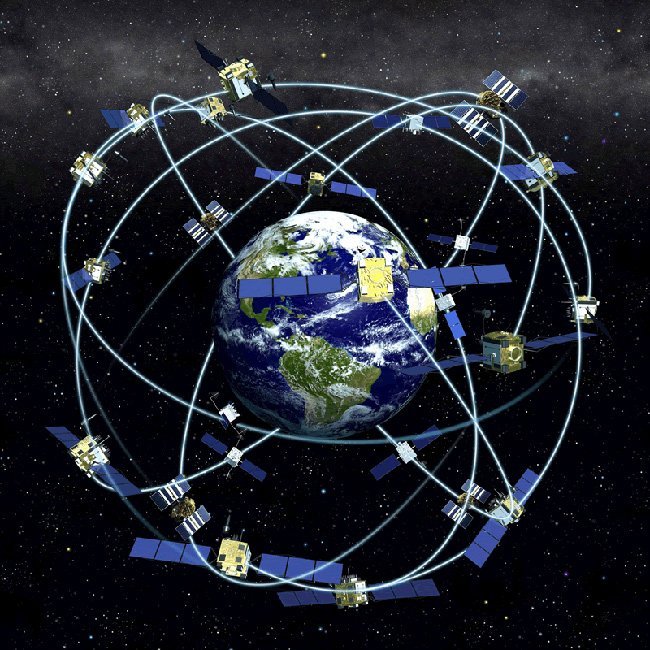
In December 2025, SpaceX submitted a report to the FCC showing that its Starlink constellation performed about 300,000 collision avoidance maneuvers in 2025 alone. That translates to nearly 40 maneuvers per satellite over 12 months. The number is astonishing, considering that pre-Starlink, a given satellite might perform only a handful of avoidance maneuvers each year.
SpaceX is not alone in this orbital land rush. Amazon’s Jeff Bezos-backed Leo constellation has launched about 200 of more than 7,500 planned satellites. Meanwhile, China’s government-backed Qianfan and Guowang constellations are aiming for 15,000 and 13,000 satellites respectively. When you add those numbers up, the orbit above low Earth is becoming genuinely, frighteningly crowded.
The proliferation of large satellite constellations, with plans for massive expansion, further exacerbates the issue. Projections indicate a sixfold increase in the total number of satellites by 2030. A sixfold increase. That’s not a trend, that’s a transformation.
Solar Storms: The Wildcard That Could Trigger Everything
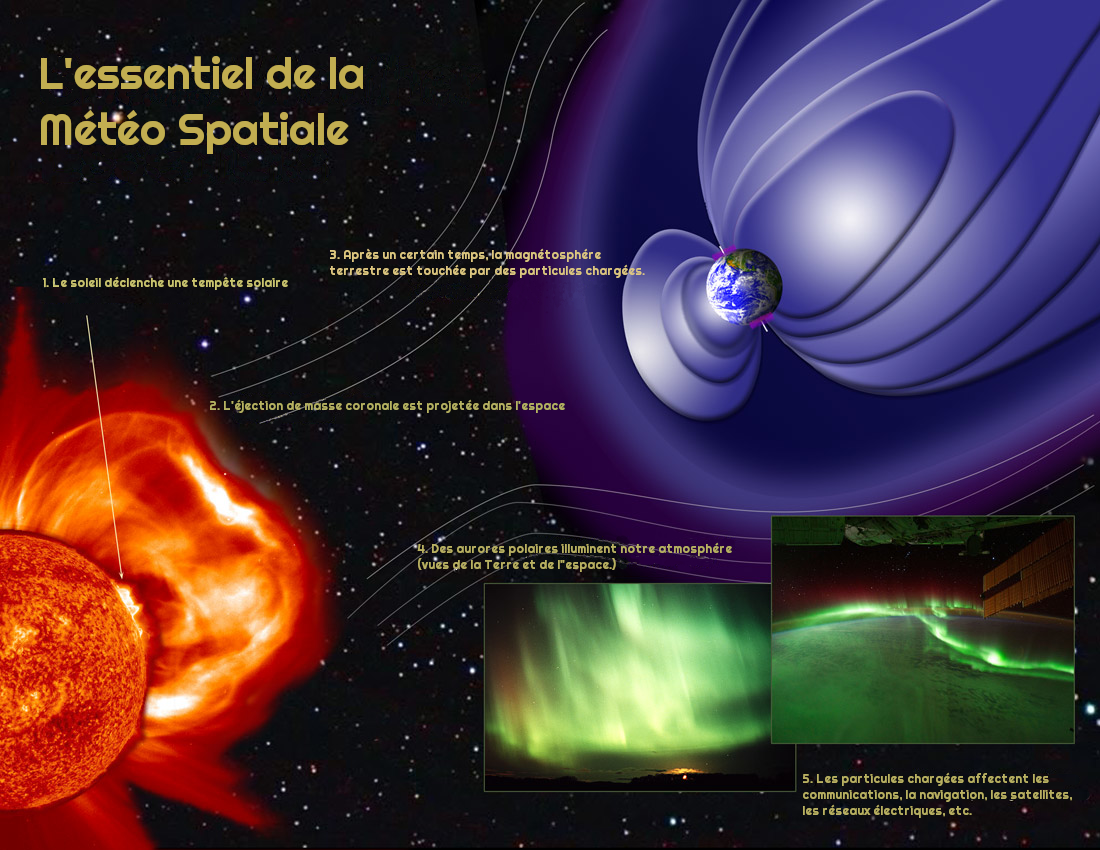
Here is a threat that rarely makes the headlines, but frankly should. According to researchers, the May 2024 “Gannon Storm” led to more than half of all satellites in low Earth orbit using up some of their fuel to reposition themselves. One solar event. Half the satellites in LEO. All at once.
Solar storms can interfere with or disable satellite navigation and communication systems altogether. When that happens, satellites may be unable to respond to threats in their path. Combined with higher atmospheric drag and increased uncertainty, this loss of control could quickly lead to a serious accident. Think of it like a highway where every car suddenly loses its steering simultaneously. That’s the analogy. It’s not comforting.
Scientists note that over the next couple of years, it is very likely we’ll have more really powerful solar storms. The risk for collision within the first few days of a solar storm is significantly higher than under normal operating conditions. There is no pause button for the sun.
The Spectrum Problem: When the Airwaves Get Jammed Too
Physical debris is one threat. The invisible kind is just as real. The ITU released an updated version of the Radio Regulations, the international treaty governing the global use of radio-frequency spectrum and satellite orbits, which entered into force on 1 January 2025. This treaty governs radio services for everything from fixed and mobile broadband, satellite systems, sound and TV broadcasting, radionavigation, meteorological monitoring, and space research.
Faster satellite groups, most notably in low Earth orbit, give a greater chance of congestion in orbit and increase the risk of spectrum interference. There are many filings to handle, alongside growing coordination complexity. Orbit and spectrum are both finite. You can’t just keep packing satellites in without something eventually breaking down at the signal level.
As a consequence, the most attractive ranges of spectrum have become increasingly congested. The most suitable frequency bands are all in use. With dozens of competing constellations all vying for the same narrow bands of usable radio spectrum, interference is no longer a hypothetical risk. It’s an ongoing negotiation that gets harder every single year.
Can Regulation and Technology Actually Save Us?
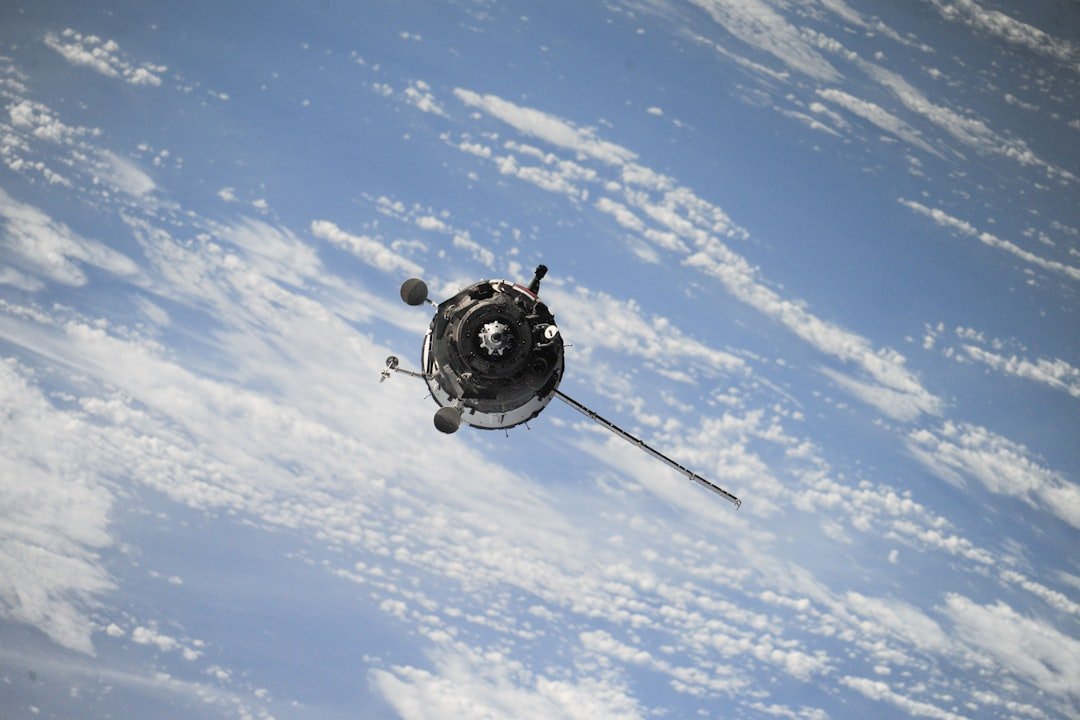
Let’s be real: the rules are lagging far behind the rockets. In 2022, the FCC instituted the requirement for satellites operating in low-Earth orbit to deorbit within 5 years of completing their mission. However, Amazon has spoken out against this rule, stating they want to see it scrapped in light of Project Kuiper. Less than three years after the rule was introduced, one of its biggest intended targets is already lobbying against it.
By October 2024, more than 100 partners had signed Europe’s ‘Zero Debris Charter,’ which aims to increase international efforts and cooperation to solve the space debris problem, and the European Space Agency has pledged to be ‘debris neutral’ by 2030. That is genuinely a positive step. Yet meaningful cooperation requires every major player to participate, and key actors remain outside those frameworks.
ESA’s ClearSpace-1 mission, planned for launch in 2026, will attempt to remove one single 95 kg satellite from orbit. The mission contract is worth 86 million euros for removing that single object. Even at dramatically reduced costs, removing the highest-risk objects from the debris population would require billions in sustained funding with no obvious revenue model. It’s hard to say for sure whether technology alone can outpace the accumulation of debris at its current rate, but the math does not look encouraging today.
Conclusion
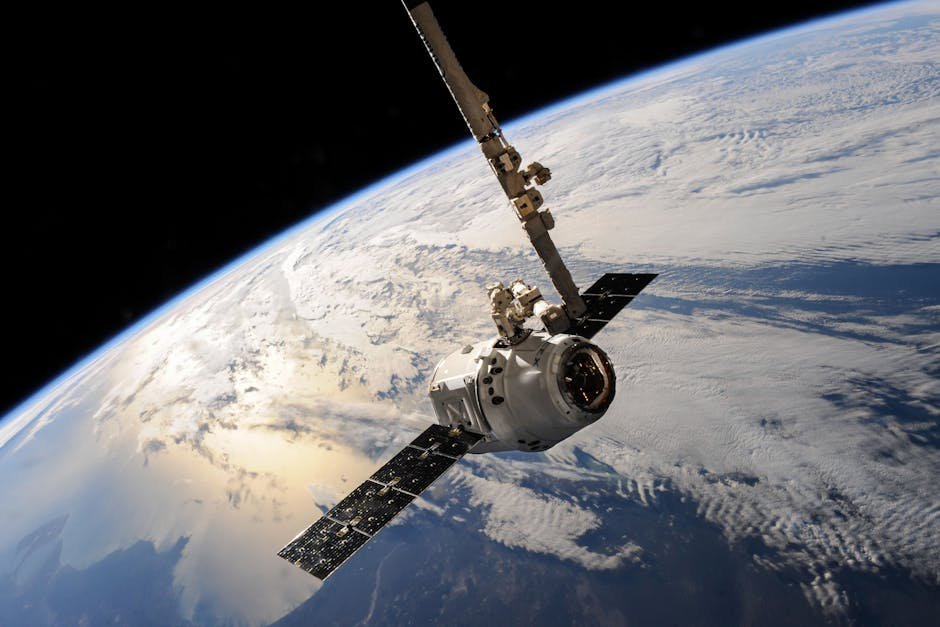
Orbit has become the new infrastructure battleground of the 21st century. The satellites above us carry your internet, your GPS, your weather forecast, and in some regions, your only connection to the wider world. That infrastructure is now under pressure from every direction: exploding debris fields, mega-constellation overcrowding, solar storm wildcards, and a regulatory landscape that is genuinely struggling to keep up with the pace of private enterprise in space.
The 2026 “orbital jam” is not a future scenario. It is the environment we are operating in right now. ESA officials warn that if left unchecked, critical orbital zones could soon become unsafe for use. This threat isn’t a future possibility – it’s already impacting missions. The window for meaningful global action is open, but it won’t stay that way forever.
Every rocket that goes up carries the potential to make this problem slightly better or significantly worse. What we do in the next few years will shape what the night sky, and the global internet beneath it, looks like for generations. What would you do if you woke up one morning and the satellite signal was simply gone? Tell us your thoughts in the comments.