
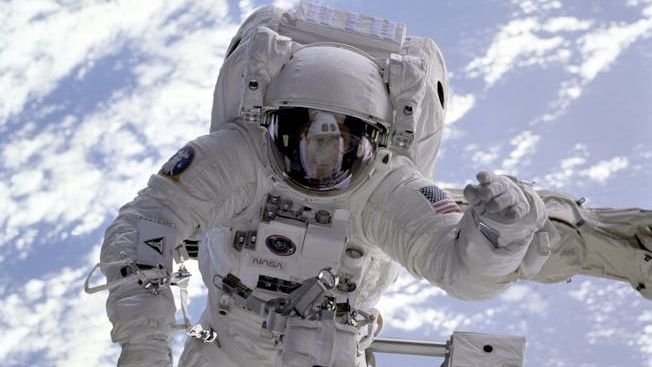

Millions of people dream of looking down at Earth from orbit, floating weightlessly, experiencing the ultimate adventure. Space tourism companies are selling exactly that fantasy, and tickets are moving. Yet buried beneath the glossy marketing videos and awe-inspiring launch footage is a deeply uncomfortable reality that almost nobody in the industry is rushing to advertise.
There is a condition that strikes a staggering proportion of everyone who leaves Earth’s atmosphere. It’s physically debilitating, poorly understood even by scientists, and virtually impossible to predict in advance. It has humbled fighter pilots with thousands of hours of flight time. It has stopped astronauts in their tracks mid-mission. For paying space tourists with zero training, it may be far worse. Let’s dive in.
What Exactly Is “Microgravity Sickness”?

Space adaptation syndrome, also known as astronaut syndrome, refers to the set of physical symptoms experienced during space travel due to the absence of gravity, or microgravity. Think of it like this: your body has spent your entire life learning to function under Earth’s gravity, and then in a matter of minutes, that rule book is ripped away. Short-term exposure to microgravity causes space adaptation syndrome, a self-limiting nausea caused by derangement of the vestibular system.
It is not the kind of queasiness you shake off with a ginger ale. Space motion sickness symptoms include dizziness, vertigo, headaches, cold sweating, fatigue, nausea, and vomiting, with consequences ranging from discomfort to severe sensorimotor and cognitive incapacitation.
The Shocking Numbers Behind This Condition

Here’s the statistic that stops most people cold. Space Adaptation Sickness is a condition experienced by 70 to 90 percent of crewmembers during spaceflight, ranging from mild to severe symptomology, with initial symptoms occurring in most crew within the first 3 to 7 days. That’s not a fringe occurrence. That’s essentially everyone.
Space motion sickness afflicts roughly 70 percent of astronauts, with initial symptoms including dizziness, nausea, vomiting, cold sweats, loss of appetite, and fatigue, appearing within minutes to hours of microgravity exposure and persisting for days, promoting dehydration and electrolyte imbalance. For a space tourism industry selling premium experiences, those numbers deserve far more public attention than they currently receive.
Why Your Inner Ear Goes to War With Your Eyes

The mechanism behind microgravity sickness is genuinely fascinating, even if the experience itself is miserable. In microgravity, the vestibular cues for head tilt become irrelevant and lead to a reinterpretation of physical tilt into a translation sensation by the brain, with this distortion in vestibular signaling due to asymmetries between the vestibular utricle and saccule on both sides of the head, and these physiological asymmetries being aggravated in microgravity conditions, leading the central nervous system to misinterpret the signal transmitted by the otolith organs.
Imagine your brain is a very confident navigator who has memorized every road on Earth. Suddenly you’re dropped into a city where roads go sideways, upside down, and in directions that don’t exist. In the absence of gravity, signals from the central vestibular system, peripheral pressure receptors, and visual sense become misleading to such a point that immediate perceptual confusion and subsequent disorientation usually occur, and many astronauts suddenly feel as if they are upside-down or may even have difficulty sensing the location of their own arms and legs.
The Fluid Shifts Nobody Warned You About
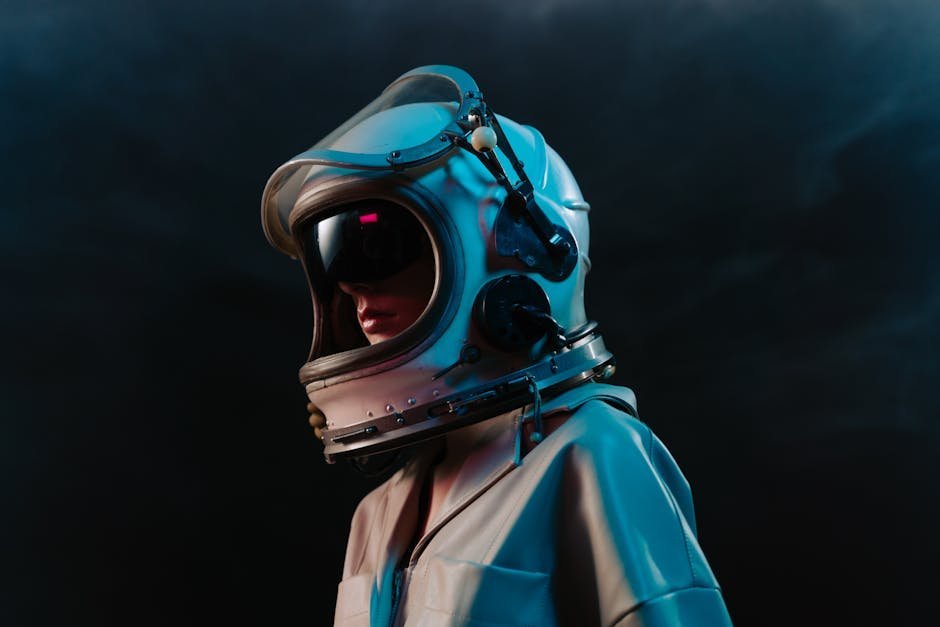
Beyond the nauseating dizziness, something else happens the moment you enter orbit. It is visible. The human body consists mostly of fluids, and gravity tends to force them into the lower half of the body, but when released from the pull of gravity, the body’s balancing systems continue to work, causing a general redistribution of fluids into the upper half of the body, which is the cause of the round-faced puffiness seen in astronauts and may contribute to observations of altered speech motor control.
This isn’t just cosmetic. Microgravity causes fluid shifts and redistribution of blood, lymph, and cerebrospinal fluid from the lower body, which may increase intracranial pressure on nerves and vascular structures in the brain and surrounding tissues, triggering tension-type headaches and migraine-like symptoms. And intracranial pressure changes occurring during spaceflight increase the risk of intracerebral hemorrhage. That’s a stroke-level risk, mentioned in passing.
Space Headaches: An Overlooked Epidemic in Orbit
Headaches in space are so common they almost seem routine to those in the field, but the scale is genuinely alarming. Over 90 percent of professional astronauts experience tension-type headaches or migraines during long-haul flight, occurring repeatedly in most individuals with headaches being more frequent, more severe, and more likely to be migraines at earlier stages of the flight, with headaches during the first 72 hours in microgravity often accompanied by space motion sickness and thought to be caused by the same mechanism.
Think about that for a moment. After a week or so in space, headaches persist but are less frequent and less severe, and these are largely attributed to the elevated intracranial pressure caused by the redistribution of body fluids. For a space tourist on a short trip, this means the worst headaches of their life could strike during the most expensive and exciting experience they’ve ever paid for.
You Can’t Predict Who It Will Hit
One of the most unsettling truths about microgravity sickness is that nobody, not even NASA, can tell you in advance whether you’ll be fine or completely incapacitated. Predicting whether someone will experience space sickness is not possible, and someone who suffers from car sickness may not suffer from space sickness, and vice versa, with experienced aviators and space travelers also capable of suffering from space sickness. Senator Jake Garn became perhaps the most famous case study.
Garn began piloting at the age of 16 and piloted a variety of military aircraft for 17,000 hours, more than any NASA astronaut, before the STS-51-D mission, and yet he suffered severely. Honestly, if a man with that amount of airtime can be floored by it, the idea that a weekend fitness enthusiast booking a commercial flight will be immune is simply wishful thinking. The symptoms vary significantly from one individual to another, and surprisingly, a person’s susceptibility to motion sickness on Earth doesn’t always predict how they’ll feel in space, with some of the most seasoned pilots, used to high-speed maneuvers, finding themselves incapacitated.
Untrained Tourists Are in a Completely Different Risk Category
Here’s the thing that the space tourism industry has been slow to fully reckon with. Professional astronauts spend years training, including in parabolic aircraft and centrifuges, specifically to prepare their bodies for these effects. Professional astronauts were traditionally required to meet strict physical standards to account for the stressors of space, but as commercial spaceflight becomes more accessible, there’s a good chance that space tourists may be more vulnerable to neurological effects during and after spaceflight.
Even more concerning, medical data on the effects of spaceflight on the human body have largely been provided by professional astronauts, and little research exists into the medical consequences of spaceflight on the health of untrained participants. This is a near-total research gap. One message from recent SOMA studies is that the same health effects that professional astronauts experience over their long expeditions turn up among space tourists who only spend a few days in orbit.
The Regulatory Void That Tourists Don’t Know Exists
Here’s a genuinely shocking detail buried in the fine print. The FAA and NASA recommended medical screening standards for tourist spaceflight participants back in 2012, but these guidelines are not binding on companies that provide launch or accommodation for space travelers, and in the event of an accident, FAA requirements for passengers to sign waivers absolve the government and launch operator of any liability for loss of life. You can climb Everest with more official health oversight than you currently need to book a commercial rocket seat.
This means that the Federal Aviation Administration, which oversees launch licenses, currently cannot make private astronauts undergo health tests before strapping into a rocket seat. Ethical considerations such as informed consent for high-risk missions remain an important area of discussion among policymakers and researchers, and issues such as risk communication, data privacy, and management of medical decision-making during emergencies are emerging areas, with the growth of commercial spaceflight introducing additional factors including health standards for non-professional participants.
The Medications Help, But Come With a Catch
So what can actually be done about microgravity sickness? The honest answer is: not enough, and the treatments have their own problems. Various medications such as scopolamine, promethazine, or lorazepam have been tested, and while they help alleviate symptoms, they can also cause dangerous side effects including sensorimotor coordination issues, fatigue, or drowsiness. That’s a real problem in an environment where a moment of impaired coordination can be life-threatening.
The effects motion sickness has on alertness and mental performance are undesirable when critical operations are underway, and although motion sickness has been an issue for space travelers since the beginning of human space exploration, the range of medications and routes of administration have not changed appreciably since the early days of spaceflight, spanning more than 40 years.
The science of treating this condition is still, to put it plainly, stuck in the past. No definitive recommendation can be given regarding the superiority of any particular countermeasure approach, and there is considerable heterogeneity in published research methods, a lack of a standardized assessment approach, and small sample sizes.
The Return to Earth: When Sickness Hits a Second Time

Most people assume that landing ends the ordeal. It doesn’t. Astronauts returning to Earth after adapting to microgravity are susceptible to Entry Motion Sickness while they are readapting to gravity. The brain has spent days or weeks rewiring itself for weightlessness, and now it has to rewire itself all over again. Space sickness that occurs during spaceflight can also continue for days after landing until the vestibular system has again adapted to gravity.
On the Russian Mir space station during long-duration missions in the 1990s, astronauts noted SAS recurrence upon reentry to Earth’s gravity, with symptoms reappearing within the first 10 days post-landing due to readaptation challenges after extended microgravity exposure. For a paying tourist expecting to return home glowing with the experience of a lifetime, landing in a capsule nauseated and disoriented is a scenario that deserves far more prominent mention in every pre-flight briefing.
Conclusion: The Stars Are Closer Than Ever, But the Risks Are Real
Space tourism is one of the most extraordinary developments of this era. The possibility of ordinary people looking down at the blue marble from orbit is genuinely incredible, and the industry is growing fast. Yet the conversation around microgravity sickness remains startlingly quiet relative to its prevalence and its potential severity for untrained passengers.
It is unlikely that all effects of microgravity are known, and surprises may yet be in store as humans venture longer and farther into space. With the emergence of space tourism, space travel has materialized as a potential new, exciting frontier of business, hospitality, medicine, and technology in the coming years, yet current evidence regarding human health in space is very limited, particularly pertaining to short-term and long-term space travel.
The dream of going to space is real. The sickness waiting for roughly three in every four passengers is just as real. The question worth asking before you sign up is simply this: how much do you really know about what happens to your body the moment gravity disappears?