

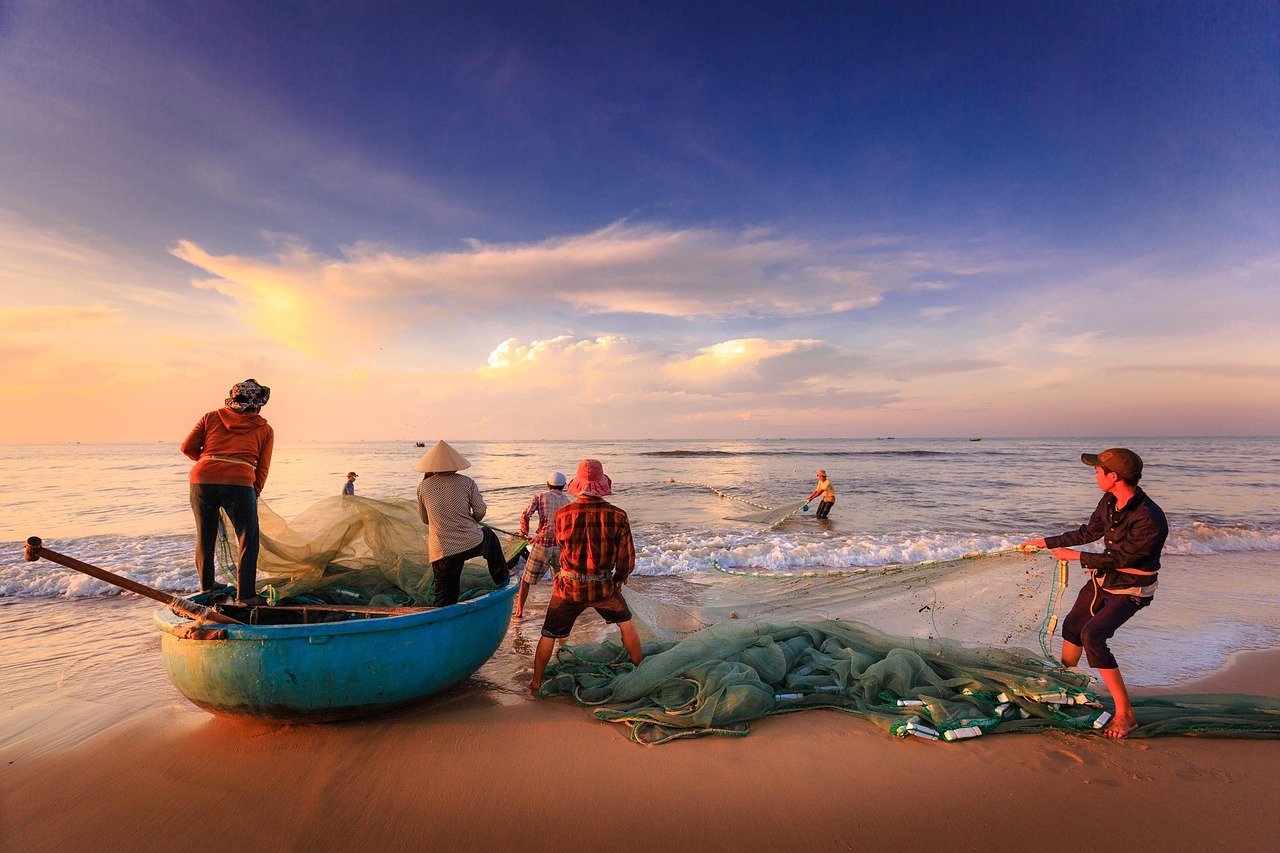
A Distant Flashpoint Hits Home (Image Credits: Pixabay)
Mumbai – Sassoon Dock, a cornerstone of the city’s maritime heritage since the British colonial period, now echoes with silence. Weeks of heightened Iran-U.S. tensions in the Middle East triggered sharp diesel price increases, rendering fishing voyages economically impossible for local fleets. This ripple effect has emptied docks and strained livelihoods across coastal Asia, highlighting the vulnerability of energy-dependent economies far from the conflict zone.
A Distant Flashpoint Hits Home
Disruptions in the Strait of Hormuz, roughly 5,000 kilometers from Mumbai, lie at the heart of the crisis. The strait handles a substantial share of global oil supplies, and recent military escalations between Iran and the United States choked transit routes. Tanker traffic slowed, crude oil prices jumped, and diesel costs followed suit for fishing vessels, trucks, and farm equipment throughout Asia.
Fishers, who rely on diesel for multi-day deep-sea outings, faced immediate ruin. Cooperatives that once supplied affordable fuel, ice, and gear collapsed under the strain. Boat owners sold equipment just to stay afloat, while peak-season catches went unrealized.
Sassoon Dock’s Eerie Stillness
At Sassoon Dock, boats bob unused beside shuttered diesel pumps. Vendors who handled ice and fresh catches have vanished, leaving the pier devoid of its usual frenzy. India’s western fishing hubs, from Gujarat to Kerala and Tamil Nadu, report similar scenes, with the Andaman Islands cut off from viable operations.
“A multi-day deep-sea fishing trip consumes hundreds of liters of diesel,” observers noted. “At current prices, the fuel cost alone can exceed the value of any realistic catch.” Small-scale operators, often family-run with razor-thin margins, cannot absorb such shocks. Millions along India’s coastline now grapple with weeks of zero income.
Broader Repercussions Sweep Coastal Asia
The fallout extends well beyond India. Southeast Asian nations bear heavy burdens as well. Sri Lanka’s fishers struggle with transport costs, while Bangladesh and Indonesia see fleets grounded amid soaring fuel bills. The Philippines faces empty markets as diesel shortages halt offshore runs.
- Japan, dependent on Middle Eastern crude via the strait, contends with inflated energy costs rippling into its seafood supply chains.
- Regional cooperatives mirror India’s woes, unable to buffer price hikes for their members.
- Idle vessels mean lost protein sources for local diets and export revenues for national economies.
- Agricultural diesel demands compound the pressure, threatening food security inland.
- Japan’s import reliance amplifies the strait’s role in everyday energy pricing.
These communities, uninvolved in the geopolitics, absorb the first blows. Energy chokepoints like Hormuz serve as weapons, externalizing costs onto the most fragile livelihoods.
Ceasefire Signals Amid Lingering Doubts
Recent announcements offered glimmers of hope. Regional mediators brokered agreements for coordinated vessel passages through the strait, including scheduled windows for tankers under multilateral naval oversight. Iran and U.S. forces pledged to stand down in key corridors, per BBC reports.
Complications persist, however. Iran’s ten-point plan clashes with Washington’s proposals, as detailed by The Guardian. Military actions continued in some zones post-announcement, delaying full relief. Oil markets react swiftly to news, but diesel reaches docks via extended supply chains – refining, shipping, and distribution – that lag by weeks or months.
Al Jazeera captured the ground reality at Sassoon Dock in a recent gallery, underscoring the human toll (view here).
Key Takeaways
- Diesel surges from Hormuz disruptions have halted fishing across India, Southeast Asia, and Japan.
- Ceasefires promise passage coordination, but price relief trails diplomatic wins.
- Vulnerable coastal communities front the costs of global energy weaponization.
“The fishing communities of coastal Asia are not collateral damage in the traditional sense,” analysts observed. “They are the mechanism through which energy weaponization exerts its force: it works precisely because their livelihoods are fragile enough to break first.” For now, the docks wait. Diesel prices, not press releases, will signal recovery. Concentrated energy routes ensure future Gulf flare-ups repeat this pattern. What do you think about these far-reaching effects? Share in the comments.