

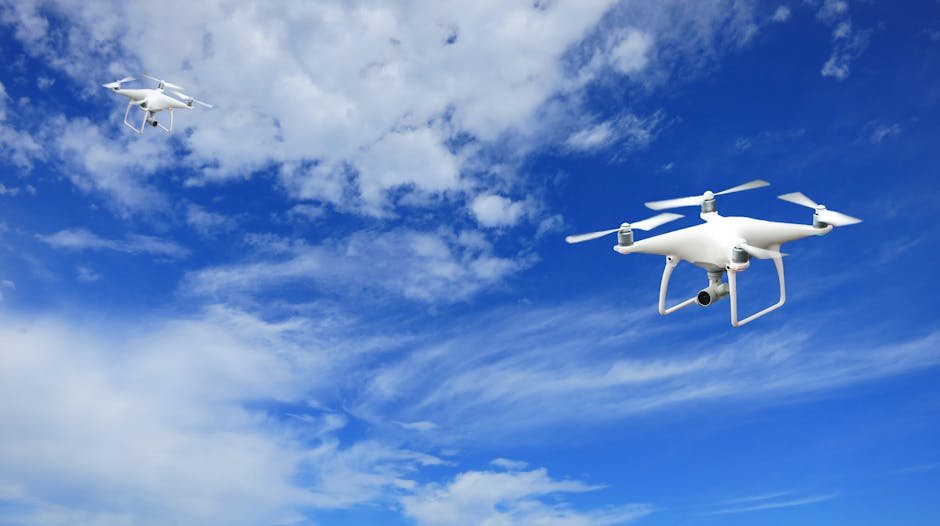
Vital Targets Hit Amid Heightened Alerts (Image Credits: Pexels)
Kuwait – A recent drone incursion into Kuwaiti airspace has ignited fresh accusations against Iran, casting uncertainty over a fragile ceasefire and upcoming negotiations between Washington and Tehran. Kuwaiti officials pointed directly to Iran and its regional allies for strikes on key infrastructure, even as a two-week truce held in the broader US-Iran conflict. The timing, just ahead of talks in Pakistan’s capital, amplified concerns that proxy actions could unravel diplomatic progress. Regional powers watched closely, wary of disruptions to energy flows through the Strait of Hormuz.[1][2]
Vital Targets Hit Amid Heightened Alerts
Kuwait’s air defenses sprang into action early Thursday, intercepting multiple drones aimed at sensitive sites across the country. Officials reported damage to vital facilities, including oil sector complexes, power plants, and possibly desalination units, though exact casualty figures remained undisclosed. The government issued a stern condemnation, framing the incident as a blatant sovereignty violation that demanded accountability.[3][4]
This marked the latest in a string of reported attacks on Gulf states since the ceasefire announcement. Similar incidents struck Saudi Arabia, the UAE, Bahrain, and Qatar, prompting coordinated defensive measures. Kuwait’s forthright blame on Iran broke from past patterns of vague attributions, signaling a shift in regional tolerance for such provocations.[5]
Ceasefire Fragility Exposed in Real Time
The two-week pause between the US and Iran, intended to halt direct military exchanges, faced its sternest test yet. President Trump voiced skepticism publicly, highlighting Iran’s ongoing restrictions on the Strait of Hormuz – a chokepoint for one-fifth of global oil – and questioning the truce’s viability. Kuwait’s claims suggested proxies operated beyond Tehran’s leash, or worse, with implicit approval, undermining the agreement’s spirit.[6][7]
Iran’s Revolutionary Guard swiftly rejected the allegations, insisting no strikes targeted Gulf nations and floating theories of false-flag operations by adversaries. This denial echoed previous regional denials, yet failed to quell Gulf anxieties over proxy militias backed by Tehran in Yemen, Iraq, Syria, and Lebanon. Observers noted the economic stakes: any escalation risked spiking energy prices worldwide.[8]
Pakistan’s Mediation Role in the Spotlight
Islamabad emerged as the venue for US-Iran discussions, with Pakistan stepping up as mediator to broker de-escalation. The agenda encompassed nuclear compromises, sanctions relief, and stabilizing the Hormuz waterway, led on the US side by Vice President JD Vance. Security tightened around the city as delegations prepared, but the Kuwait episode injected urgency and distrust.[9]
Pakistan’s position grew precarious; its facilitation aimed to burnish diplomatic credentials amid its own regional challenges. Yet, failure here could embolden hardliners on all sides. Gulf states pressed for explicit protections in any deal, refusing to be collateral in bilateral pacts.[1]
Wider Gulf Concerns Mount
The incident rippled across the Arabian Peninsula, where nations bolstered defenses against potential spillover. Saudi Arabia reported pipeline damage, while Bahrain and the UAE intercepted inbound threats. These events recalled earlier 2026 strikes, including those on US-linked sites in Kuwait dating back to February.[10][11]
- Kuwait: Strikes on oil, power, and government facilities.
- Saudi Arabia: Pipeline disruptions acknowledged.
- UAE, Bahrain, Qatar: Intercepted drones targeting infrastructure.
- Strait of Hormuz: Continued Iranian restrictions despite truce.
| Party | Response |
|---|---|
| Kuwait | Direct accusation; sovereignty violation declared. |
| Iran/IRGC | Blanket denial; no Gulf attacks admitted. |
| US/Trump | Doubts ceasefire efficacy; Hormuz focus. |
| Pakistan | Mediating talks proceed amid tensions. |
Such patterns raised questions about the ceasefire’s scope: did it cover proxies or only state actors? Gulf leaders sought firmer US security pledges, doubting standalone bilateral deals.[12]
Key Takeaways:
- Kuwait’s unambiguous blame escalates pressure on Iran ahead of talks.
- Proxy dynamics challenge the ceasefire’s enforcement.
- Energy security hangs in balance, with Hormuz as flashpoint.
As diplomats converge in Islamabad, the Kuwait accusation underscores a core dilemma: can words on paper contain shadows of conflict? Regional stability demands more than pauses – it requires verifiable restraint. What do you think about it? Tell us in the comments.