

There are discoveries that fill a gap in the historical record, and then there are discoveries that tear the whole record apart and dare you to rewrite it. Deep in the jungle of Belize, something buried for roughly seventeen centuries waited – patiently, silently – for someone to finally look in the right place. In 2025, they did.
What emerged from the earth wasn’t just a tomb. It was a portrait of a civilization far more connected, far more politically sophisticated, and far more ancient in its ambitions than anyone had previously dared to argue. Let’s dive in.
The City That Time Forgot: Caracol, Belize
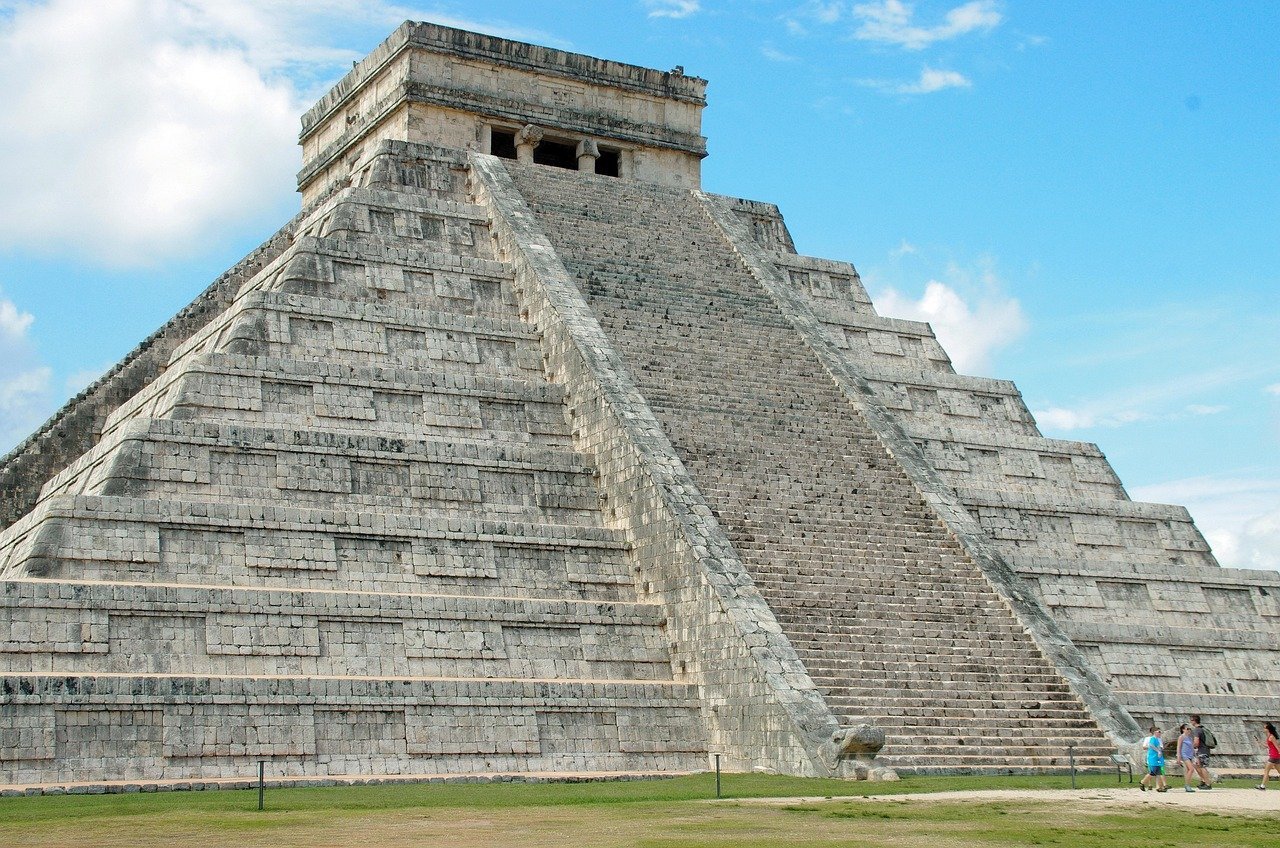
Te K’ab Chaak founded the royal dynasty of Caracol, which is the largest Maya archaeological site in Belize. That alone should have guaranteed the city a starring role in the history books. Yet for decades, Caracol lingered in the background, overshadowed by flashier sites like Tikal and Chichen Itza.
Caracol was, at one point, home to more than 100,000 people and covered more than 68 square miles, and boasted the monumental architecture of the Caana pyramid, one of the tallest buildings in Belize even to this day. Think about that for a moment. A city the size of a modern metropolis, rising from the jungle floor, with a pyramid still standing taller than most modern structures in the country.
LiDAR technology revealed a 200 square kilometer urban landscape, which challenged the prevailing idea of Maya cities as elite ceremonial centers and revealed Caracol as a socially complex metropolis with shared infrastructure and decentralized water systems. In other words, this was no ceremonial backwater. It was a fully functioning city-state with all the complexity that implies.
Forty Years in the Making: The Archaeologists Behind the Find
Married since 1975, Diane and Arlen Chase are two of the most influential Maya archaeologists in the world, and the foremost experts on Caracol, one of the most significant ancient Maya cities. Forty years of fieldwork is an almost incomprehensible commitment. Most careers don’t last that long, let alone a single dig.
The tomb was located beneath a previously excavated chamber in the Northeast Acropolis of Caracol. While the Chases had documented the upper chamber back in 1993, it was only in the summer of 2025 that they decided to dig deeper. What they found shocked them: a royal burial chamber coated in red cinnabar with intact grave goods and skeletal remains, likely belonging to Te K’ab Chaak, the dynastic founder of Caracol.
Archaeology Magazine named the University of Houston’s discovery of the 1,700-year-old tomb of Maya ruler Te K’ab Chaak in Caracol as a Top 10 Discovery of 2025. Honestly, calling it a top ten discovery feels almost like an understatement. This is the kind of find that changes careers, textbooks, and theories all at once.
The Ruler Beneath the Roots: Who Was Te K’ab Chaak?
Te K’ab Chaak, whose name means “Tree Branch Rain God,” took the throne in 331 CE and established a royal dynasty that would last more than 460 years. Four and a half centuries of dynastic rule – that’s longer than the entire history of the United States as a nation. The weight of that legacy is staggering.
The Chases were able to determine that Te K’ab Chaak was “of advanced age” at the time of his burial. He had no remaining teeth, and was around 5 feet, 7 inches tall at the time of his death. There’s something deeply human about that detail. A toothless old king, laid to rest in a chamber dripping with jade and cinnabar. A man who had outlived his teeth but not his power.
Hieroglyphic texts found elsewhere at Caracol refer to Te K’ab Chaak as the founder of the dynasty that ruled the city for more than 460 years and say that his reign began around A.D. 331. The tomb itself contains no writings identifying who was buried there, so the researchers rely on timing to make this claim. It’s a bold identification, and some scholars are watching closely as more analysis unfolds.
Opening the Chamber: What They Found Inside
Inside, Chase came across the skeletal remains of a man and a treasure trove of Maya artifacts, including a jade and shell mosaic death mask that had been smashed to more than a hundred pieces, three sets of jade ear ornaments, four jade beads with the faces of spider monkeys, decorative pottery, some adorned with animal motifs and another painted with a ruler holding a spear, and a skull upside down in a pottery vessel, as if it had rolled away from its body.
The lower portion of the north wall of the chamber was coated in bright red cinnabar, a sacred mineral reserved for the burials of the highest-ranking Maya royalty. In Maya cosmology, cinnabar wasn’t decoration – it was a declaration. A room painted in red was a room reserved for the highest of the high.
Researchers found three sets of jadeite ear ornaments called earflares. “That’s incredibly unusual,” says Diane Chase. “We don’t usually get one set of earflares, much less multiples.” She adds that the tomb also contained a mosaic death mask, which is “even more unusual.” To put it bluntly, this chamber was almost embarrassingly rich with royal symbolism.
The Jade Mask Itself: A Face Built for Eternity
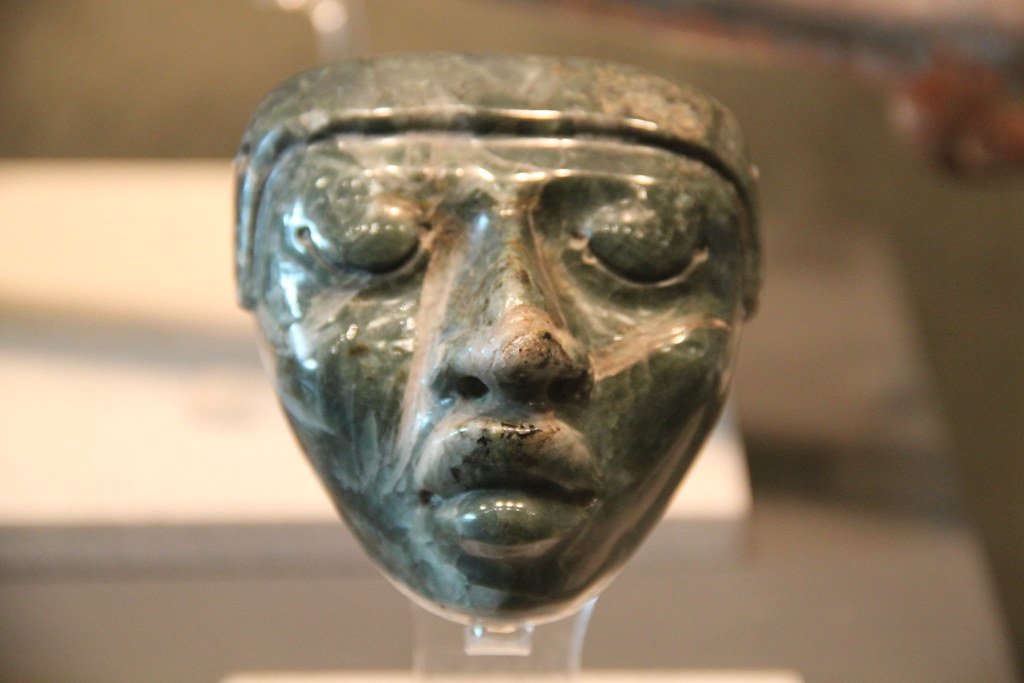
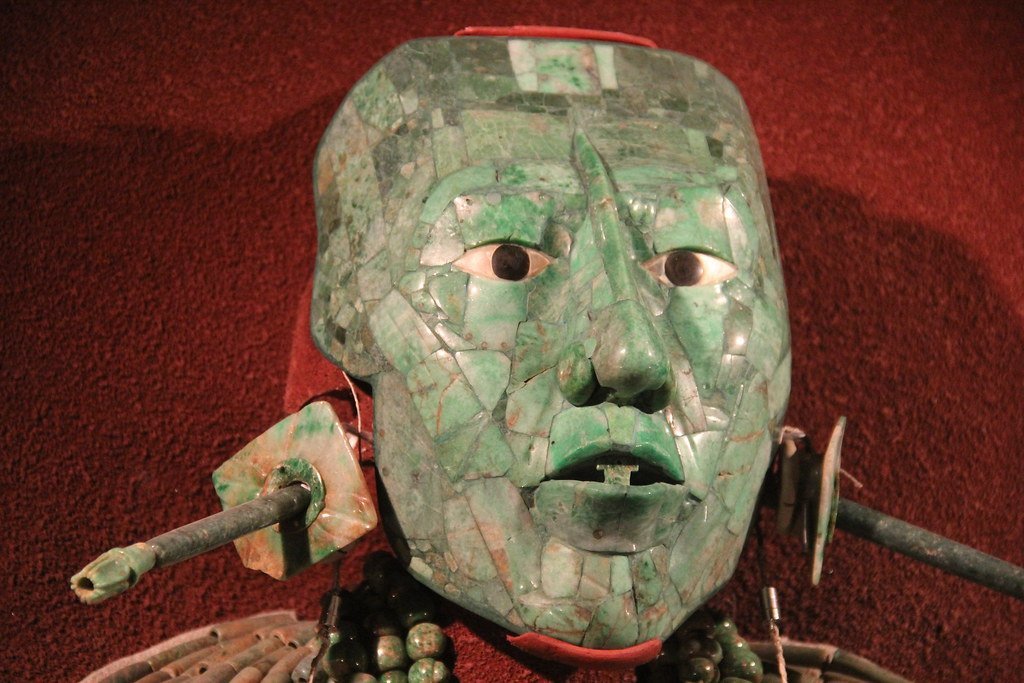
According to the Chases, the discovery and reconstruction of a jade and spondylus shell mask was key to determining the origins of the burial site. “The mask tells us it is definitely a ruler,” Arlen Chase said in a statement. Without the mask, this might have remained another intriguing but unidentified burial. The mask is the keystone of the entire discovery.
In order to reconstruct the six-inch-tall mask, Estrada-Belli’s team reassembled 33 jade fragments that had originally been sourced from the Motagua River Valley more than 200 miles away, pieces of mother-of-pearl used for eyes, and a mouth formed from a ruby-hued spondylus shell. That sourcing alone tells us something remarkable. Jade doesn’t come cheap or easy, and transporting it hundreds of miles says everything about who this mask was made for.
Jade held profound cultural and spiritual significance for the Maya, extending beyond its material value. It was revered as a protector of both the living and the deceased. Consequently, jade masks were often employed to symbolize deities or ancestors, serving as potent symbols of the wealth and status of the individuals interred within Maya tombs. This wasn’t jewelry. This was theology, compressed into stone.
The Pottery Speaks: Stories of Power, War, and Trade
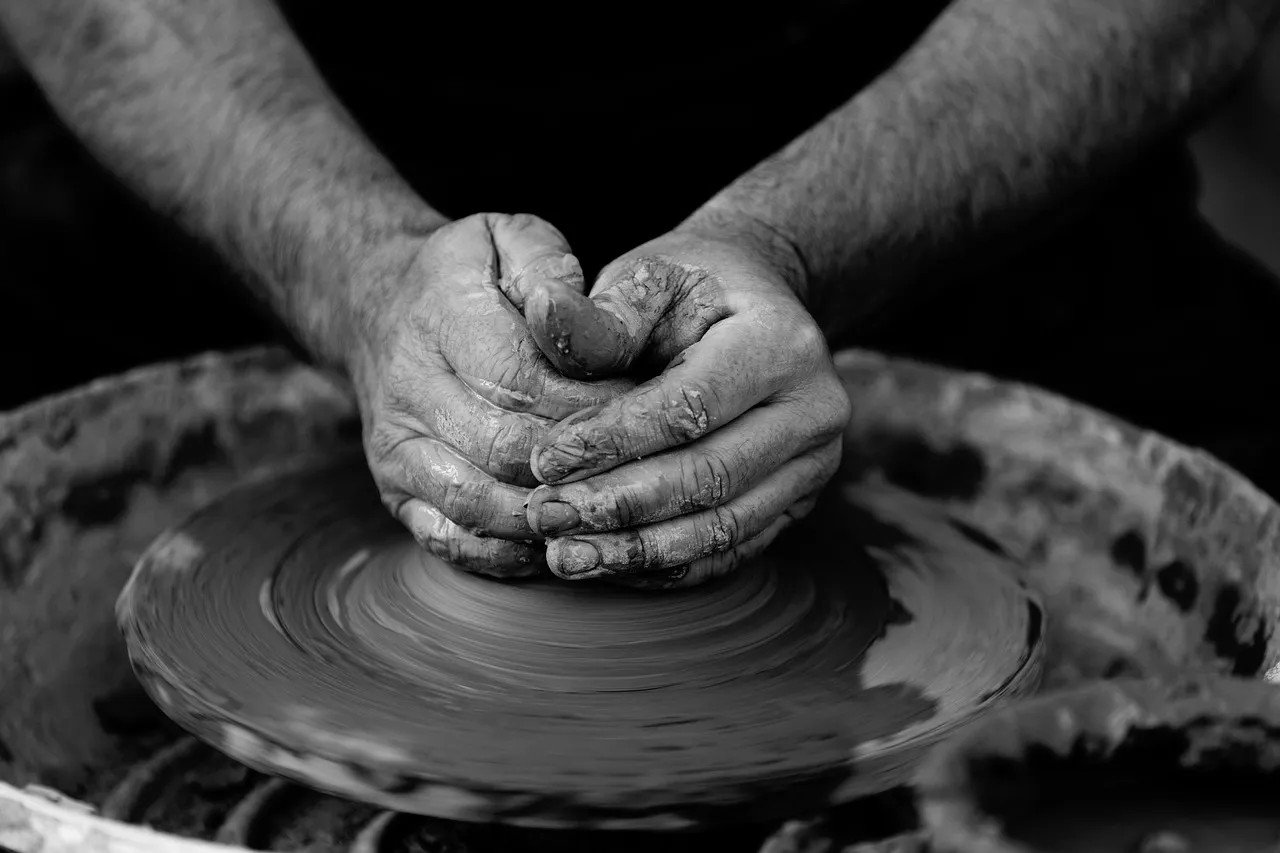
Te K’ab Chaak, who acceded to the throne in 331 AD, was interred at the base of a royal family shrine with eleven pottery vessels, carved bone tubes, jadeite jewelry, a mosaic jadeite mask, Pacific spondylus shells, and other perishable materials. Pottery vessels in the chamber included a scene of a Maya ruler holding a spear and receiving offerings from supplicants in the form of deities. Another vessel portrays the image of Ek Chuah, Maya god of traders, surrounded by offerings.
Iconography on the pottery vessels in the chamber included bound captives, supplicants offering tribute to a spear-wielding ruler, and a rare depiction of the god Ek Chuah, the Maya patron of merchants and cacao, indicating the importance of trade to the Caracol kingdom. Several lids featured modeled heads of the coatimundi, a small mammal whose name, tz’uutz’, was later adopted into Caracol royal titles.
Four of the pottery vessels portray bound captives, with similar vessels also appearing in two related burials. Warfare, tribute, trade, divine authority – all of it stacked inside one underground room. This was a man who wanted the next world to know exactly who he had been in this one.
The Teotihuacan Connection: Rewriting a 1,700-Year-Old Timeline
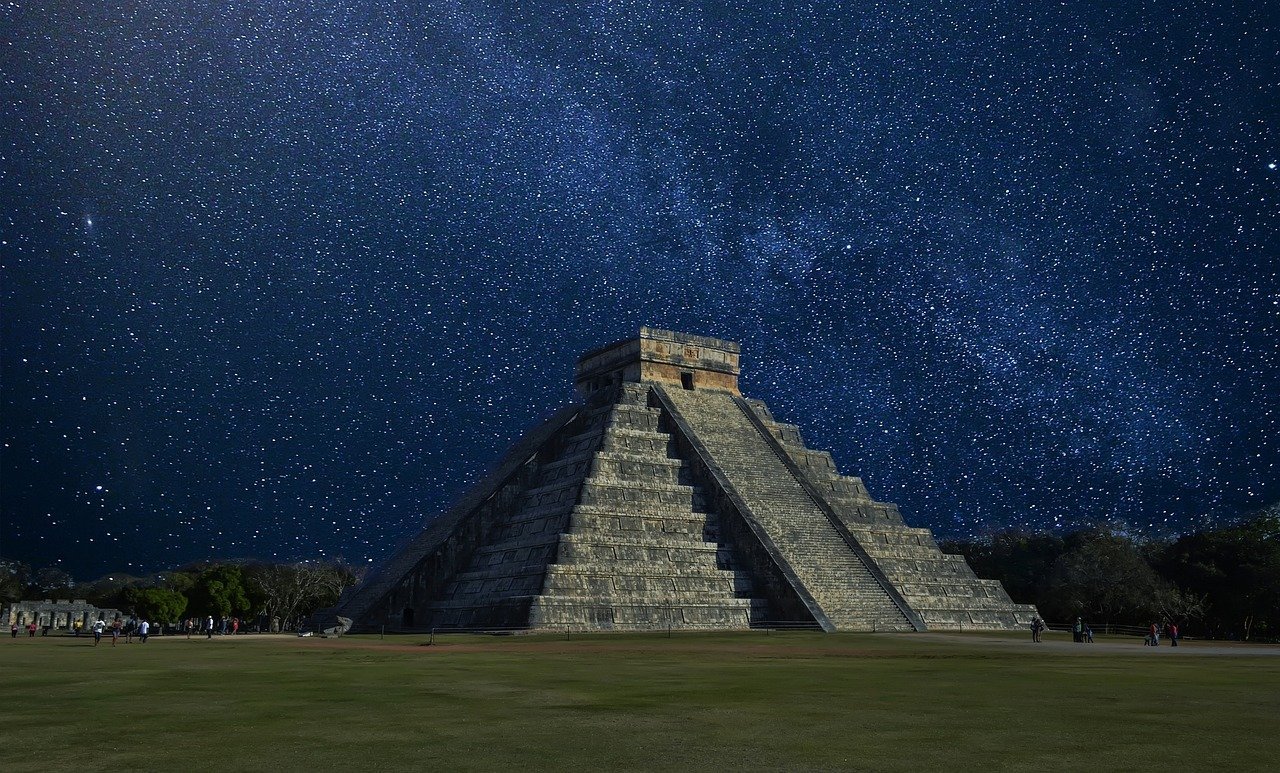
Here’s where the story gets genuinely explosive. For decades, scholars believed that the great Mexican city of Teotihuacan only began influencing Maya culture after a dramatic event in A.D. 378, known as the “entrada.” The Caracol tomb blows a rather large hole in that timeline.
For decades, archaeologists have wondered at how Teotihuacan may have influenced Mayan society. The Mexican city had a larger presence in Caracol in A.D. 378, but the three burials were all a generation before that, indicating that early Mayan rulers were “fully enmeshed in Mesoamerican-wide contacts prior” to what records previously led researchers to believe.
Above all, the tomb and two related burials also provide new proof of Caracol’s early interaction with distant Teotihuacan, a city over 1,200 kilometers away in what is now central Mexico. Artifacts from a nearby cremation, dated to 350 CE, include green obsidian blades from Pachuca and atlatl projectile points typical of Teotihuacano warriors. Green obsidian from central Mexico, buried in the jungles of Belize. The ancient world was far smaller than we imagined.
LiDAR: The Technology That Found What Centuries of Looters Missed
Estrada-Belli and his team found the Chochkitam tomb using lidar, a remote sensing technology that involves shooting lasers from an airplane to make a digital map of the terrain. It sounds like science fiction, and in a way, it is. Lasers fired from aircraft, piercing centuries of jungle growth to reveal what lies beneath.
Starting in 2009, the Chases were able to use LiDAR to pierce the jungle growth. The technology revealed a 200 square kilometer urban landscape. Before LiDAR, archaeologists were essentially guessing. Now they can see the full map before they pick up a single shovel.
The team spotted looters’ tunnels in the ancient city while conducting a survey of the site using lidar, a process employing an airplane or drone carrying lasers that can detect features on the ground hidden by dense jungle foliage. The intact tomb was situated just six feet from where the looters had stopped digging. Six feet. The entire course of Maya history nearly changed because looters stopped six feet short.
What Three Burials Together Tell Us
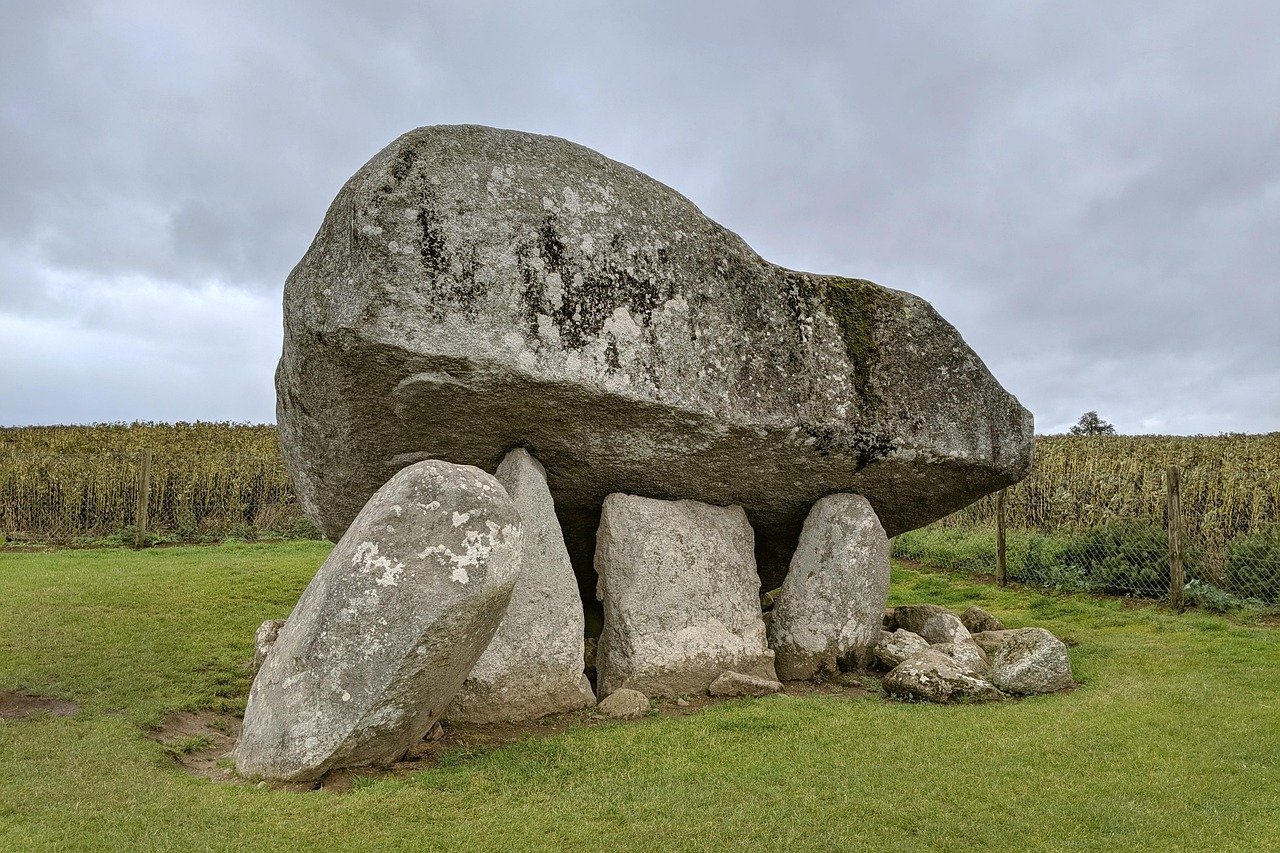
All three of the burials uncovered in Caracol date to around 350 A.D., which is decades before Mesoamericans from Teotihuacan are believed to have visited Belize. However, since two of the three burials exhibit Mesoamerican ritual practices, these findings prove that high-ranking members of Maya society were in contact with people from Teotihuacan earlier than Maya monuments suggest.
This burial practice is reminiscent of Mesoamerican traditions of the time rather than those of the Maya. Archaeologists believe the cremated remains belonged to a member of the Caracol royal family who decided to practice Mesoamerican rituals. A Maya royal being cremated in the Teotihuacano style is, frankly, one of the most surprising cultural crossovers in all of ancient history.
This relationship is quite fascinating, especially considering the fact that it would take 153 days to walk from Caracol to Teotihuacan, or vice versa. Roughly five months on foot. One way. That these two civilizations managed to share ritual practices across such a distance, without phones, roads, or Google Maps, is nothing short of astonishing.
What Comes Next: DNA, Isotopes, and Open Questions
Diane Chase explained that their next steps include attempting to extract ancient DNA from the bones as well as conduct isotope testing on the remains. These tests could provide insights into the individual’s diet and whether he lived most of his life in Caracol or moved around a lot. That last question is fascinating. Was this king born in Caracol, or did he arrive from somewhere else entirely?
Without inscriptions naming the tomb’s occupant or DNA analysis confirming his identity, some experts caution that the claims remain speculative. It’s worth noting that science moves carefully, not dramatically. The identification is compelling – but confirmation still lies ahead in the lab.
Recently the Chases pieced together pieces of jade and spondylus shells they discovered inside the tomb, buried with the ruler, that likely form one of the oldest royal death masks in the Maya civilization. One of the oldest. When that mask is fully reconstructed and analysed, it may well become the single most important artifact in the entire history of Maya archaeology.
There is something almost poetic about the fact that a married couple, who have spent the better part of five decades digging in the same jungle, made the discovery that may ultimately redefine how we understand an entire civilization. History, it turns out, rewards patience above all else.
The jade mask of Te K’ab Chaak stared into the darkness of that tomb for roughly seventeen centuries. Now, it stares back at us. What do you think the ancient Maya world still has left to tell us? Tell us in the comments.