


Every morning, millions of people reach for a cup of coffee before their brain has even fully switched on. It has become almost a ritual, a chemical crutch most of us never question. But what if the sharpest, deepest focus you’ve ever experienced had nothing to do with caffeine at all?
Science has been quietly building a compelling case that the brain already carries everything it needs to lock into extraordinary concentration. The secret lies in a handful of neurochemicals, dopamine chief among them, and a mental state so powerful that researchers have compared its performance effects to being a completely different person. Let’s dive in.
Dopamine: The Real ‘Focus Hormone’ Behind Your Best Work

Forget the tired reputation dopamine has as simply a “pleasure chemical.” That framing sells it embarrassingly short. Research published by the National Institutes of Health confirms that increased dopamine release enhances motivation and extends periods of sustained attention. It isn’t just about feeling good. It’s about directing your brain’s energy like a laser.
Dopamine is a neurotransmitter that plays a crucial role in establishing the rewarding and reinforcing aspects of behaviour. Think of it less like a reward and more like a signal flare, telling your brain: “This matters. Stay here. Keep going.” That signal is the foundation of every flow state you’ve ever stumbled into.
As a performance enhancer, dopamine increases attention, ability to process information, and pattern recognition. That’s a remarkable combination. When dopamine is flowing freely, your brain is essentially operating with a faster processor and a cleaner interface.
What Actually Happens Inside a Flow State
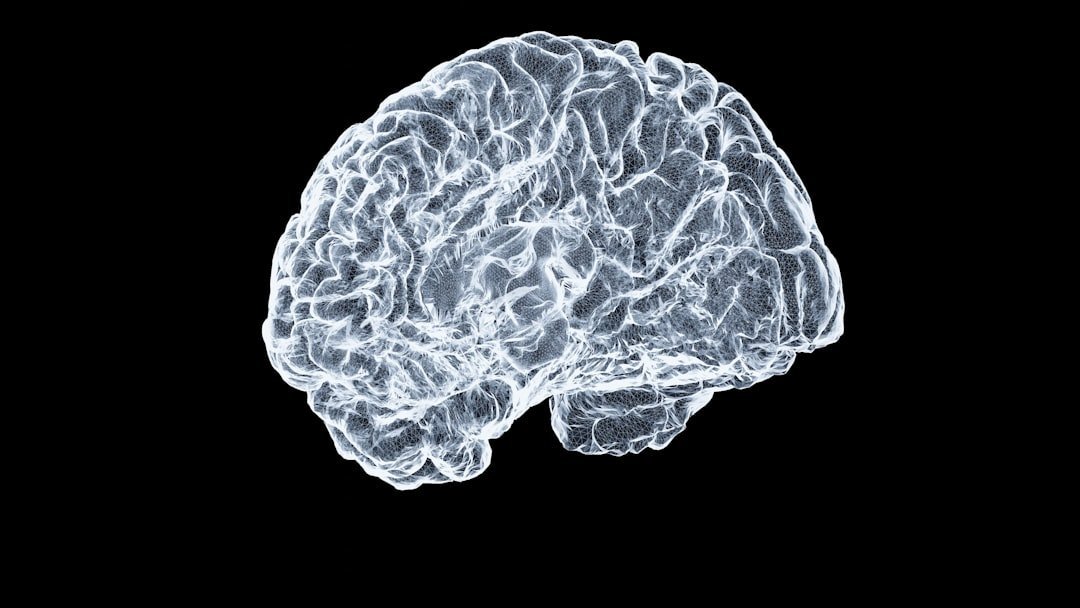
Here’s the thing about flow: it sounds almost mystical until you look under the hood. Flow, coined by psychologist Mihaly Csikszentmihalyi, refers to a state of optimal experience where we are fully absorbed in a task, feeling energized, focused, and in complete control. During flow, our brains enter a state of heightened attention and concentration, leading to enhanced performance and a sense of effortless action.
Flow occurs when certain internal as well as external conditions are present, including intense concentration, a sense of control, feedback, and a balance between the challenge of the task and the relevant skillset. Phenomenologically, flow is accompanied by a loss of self-consciousness, seamless integration of action and awareness, and acute changes in time perception. Time genuinely bends. Hours feel like minutes. Anyone who has been in that zone knows exactly what this feels like.
The flow state has a profound impact on the brain’s neuroplasticity, the ability to reorganize and adapt its structure based on experiences. When in flow, neural connections are strengthened, facilitating the formation of new pathways that enhance learning and skill development. So it isn’t just a temporary performance boost. Flow actually builds a better brain over time.
Transient Hypofrontality: When Turning Off Unlocks Performance
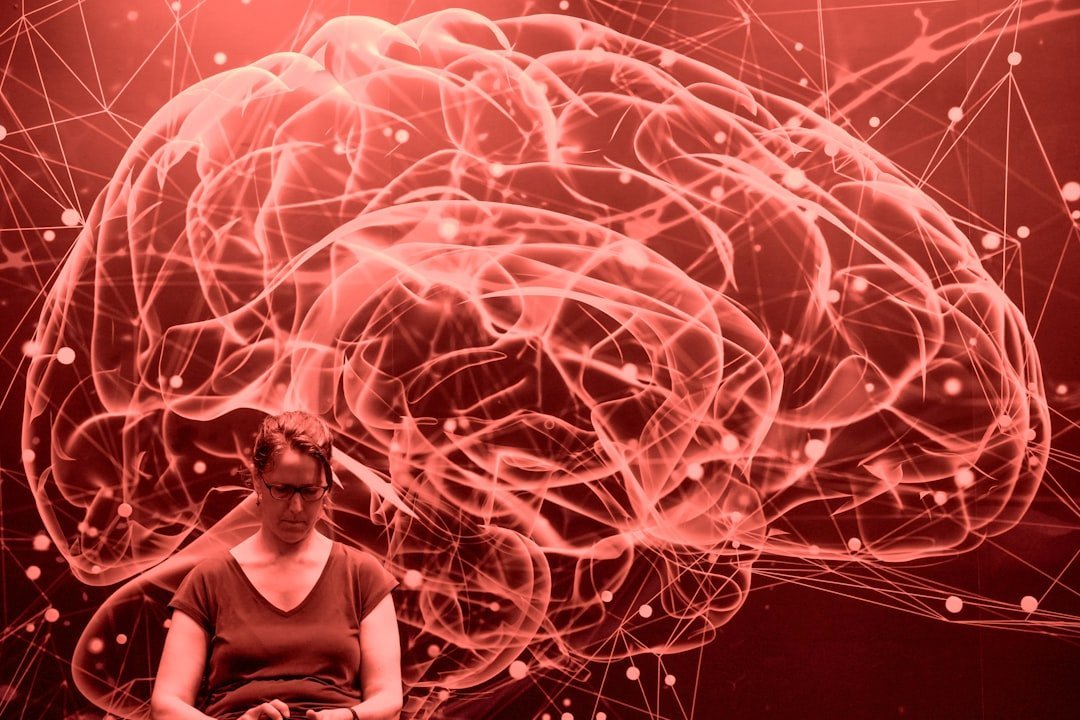
I know it sounds crazy, but one of the brain’s most powerful focus mechanisms works by switching parts of itself off. Transient hypofrontality refers to a temporary reduction in the activity of the prefrontal cortex, the part of your brain responsible for complex cognitive functions like self-awareness, decision-making, and time perception. When you enter a state of flow, your brain essentially tunes down the prefrontal cortex, allowing you to perform at your best without the mental roadblocks that typically slow you down.
Neuroscientists call this process transient hypofrontality. It silences the nagging voice that says, “You can’t do this,” and warps your sense of time, making hours feel like minutes. As a result, your brain is free to focus all its resources on the task at hand, making it easier to solve problems, think creatively, and perform at your peak.
For over 20 years, the transient hypofrontality hypothesis has been applied to a range of experiences where one gets absorbed in a task: athletes at peak performance, artists during creative spurts, meditation practitioners maintaining calm for hours, and even some of the joys of sex. It is far more universal than most people realize.
The Neurochemical Cocktail: It’s Not Just Dopamine
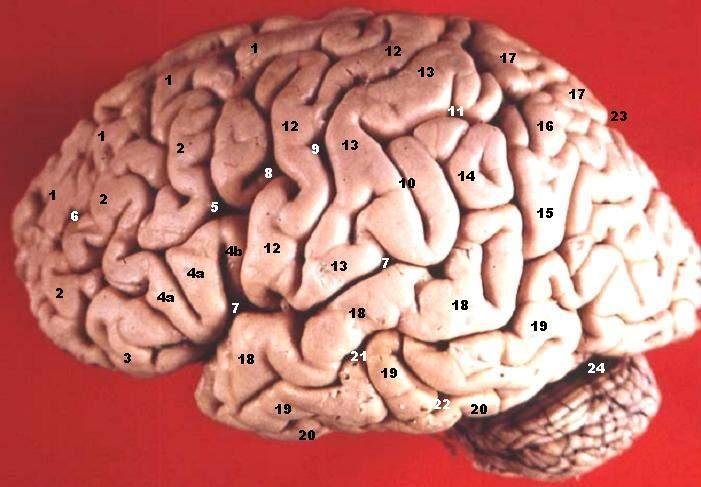
Dep’t. of Cellular Biology & Anatomy, Louisiana State University Health Sciences Center Shreveport, CC BY 2.5)
Flow doesn’t run on a single chemical. It runs on a full orchestra of them. Norepinephrine hones focus through data acquisition, dopamine improves pattern recognition through data processing, anandamide accelerates lateral thinking, and endorphins help to modulate stress levels and keep you calm along the way.
Neuroscientific models propose that dopaminergic and norepinephrine networks underlie the motivational aspects of flow. The interplay between the default mode network, the salience network and the central executive network subsequently regulate the attentional properties of flow. These networks don’t work in isolation. They collaborate, creating a layered system of focus that caffeine simply cannot replicate.
Flow triggers the release of endorphins, natural painkillers that induce a sense of euphoria and well-being. Endorphins reduce anxiety, heighten positive emotions, and contribute to the pleasurable experience of being in flow. That warmth and ease you feel during your best work sessions? That’s endorphins doing their quiet job in the background.
Meditation: A Scientifically Verified Dopamine Trigger
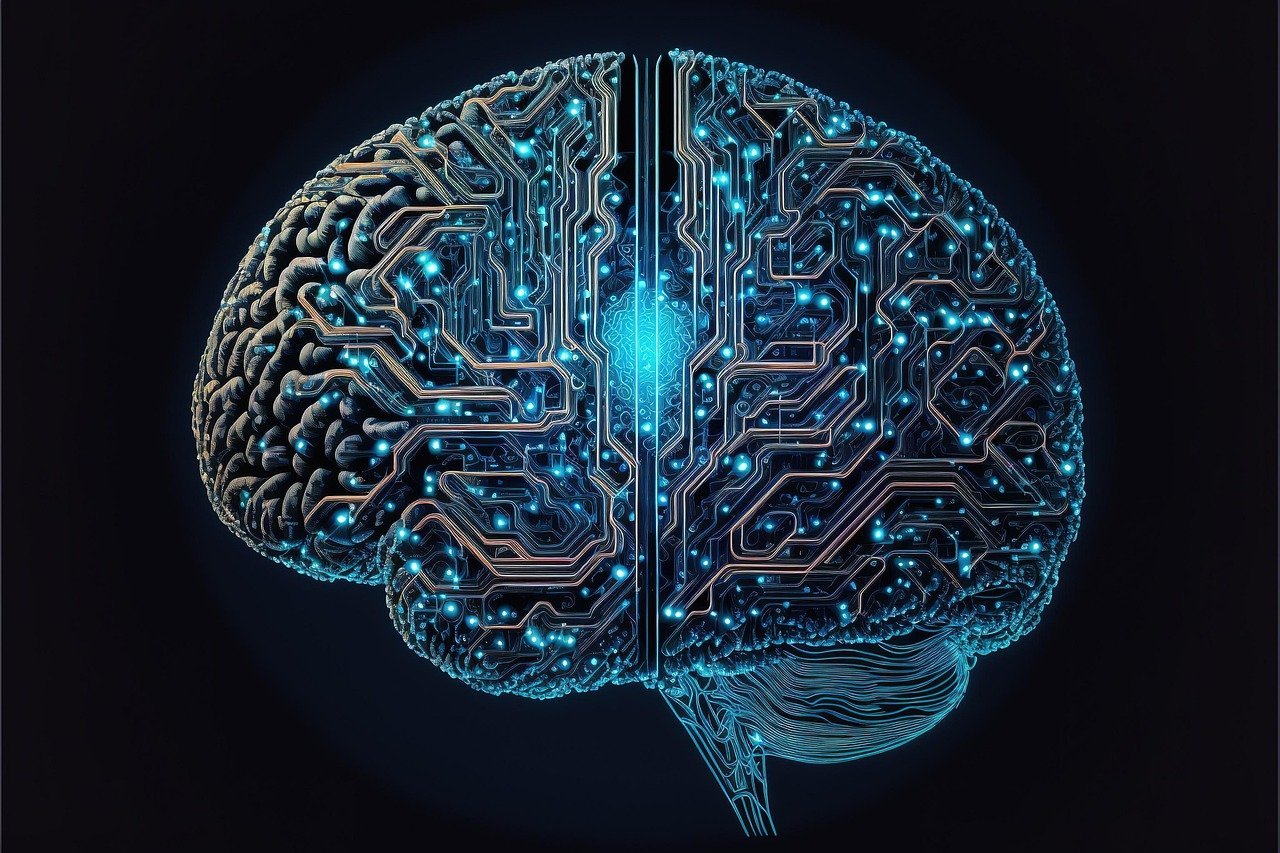
Meditation often gets dismissed as soft science or wellness fluff. The neurochemistry tells a completely different story. During meditation, 11C-raclopride binding in ventral striatum decreased by 7.9%, which corresponds to a 65% increase in endogenous dopamine release. The reduced raclopride binding correlated significantly with a concomitant increase in EEG theta activity, a characteristic feature of meditation.
One notable study found a 65% increase in dopamine release during Yoga Nidra meditation, which correlated with the meditators’ reported decreased desire for action. Other research points to increased dopamine tone and beneficial changes in dopamine receptors in the brains of regular meditators. That’s not a minor shift. That’s a transformative neurochemical event triggered by nothing more than sitting quietly and directing your attention.
Studies suggest that individuals who engage in regular meditation experience sustained increases in dopamine levels, contributing to improved mood and emotional regulation over time. Consistency appears to be the multiplier here. The longer you practice, the more the brain restructures itself in your favor.
Physical Exercise: The Underrated Flow Catalyst
Most people exercise to look better or stay healthy. Hardly anyone talks about what it does to focus. Physical exercise is the non-pharmaceutical intervention that has received most scientific attention for maintaining or improving dopaminergic capacity of the brain. Animal studies have consistently demonstrated that both acute and chronic cardiovascular exercise can increase the levels of dopamine in regions of the brain such as the striatum, hypothalamus, and brainstem.
Regular physical activity increases BDNF, brain-derived neurotrophic factor, which enhances cognitive function. The U.S. Department of Health and Human Services recommends at least 150 minutes of aerobic exercise per week to support brain health and mental clarity. That’s roughly 20 minutes a day of movement. An almost laughably small investment for what you get in return.
Even a short session of 10 to 15 minutes of light aerobic activity, like brisk walking or jumping jacks, before studying can significantly improve your ability to concentrate. Honestly, this alone could replace that second cup of coffee for most people.
Sleep: The Non-Negotiable Foundation for Flow
You cannot hack your way into deep focus on four hours of sleep. No supplement, no breathwork technique, no amount of willpower fixes a chronically sleep-deprived brain. Research published by the National Sleep Foundation demonstrates that consistent, stable sleep of at least 7 hours per night improves working memory and response inhibition in healthy adults.
The Global Council on Brain Health recommends 7 to 8 hours of nightly sleep for adults to preserve brain health. Several studies have suggested that both excessive and insufficient sleep relative to the prescribed duration are linked to impairments in cognitive domains, including memory, attention, and executive functioning. The sweet spot is real, and it’s specific.
Sleep deprivation affects the binding potential of dopamine D2 receptors. Acute sleep deprivation places the body in a state of stress, altering neurotransmitter and hormone secretion. This is the direct mechanism through which poor sleep sabotages focus at the neurochemical level. Less sleep means impaired dopamine signaling, which means flow becomes nearly inaccessible.
Conclusion: Your Brain Already Has What It Takes
Here’s the bigger picture. The brain is not a machine waiting for fuel from a mug. It’s a living, adaptive system that already carries the architecture for extraordinary focus, deep engagement, and sustained performance. Dopamine, norepinephrine, endorphins, and anandamide are all already inside you, waiting for the right conditions to be released.
Meditation, sleep, exercise, and well-calibrated challenges aren’t hacks or biohacks. They are the natural triggers that human beings evolved to rely on. Caffeine isn’t wrong, but leaning on it as your primary focus strategy while ignoring the deeper systems is a bit like putting premium fuel in a car with a dirty engine.
The question worth sitting with: what would your focus look like if you spent just two weeks prioritizing sleep, a daily walk, and ten minutes of quiet meditation before your most demanding work? You might be surprised by the answer. What do you think: could you go a week without caffeine and trigger flow naturally instead?