

We’ve all heard it a thousand times. Drink more water. Stay hydrated. Eight glasses a day, minimum. It’s practically gospel at this point, passed down through wellness blogs, gym locker rooms, and well-meaning doctors alike. Yet what if that relentless push to chug more water is actually doing some of us real harm? And what if the bigger crisis isn’t the water we’re missing, but the electrolytes we’re flushing away?
The science behind hydration is more complicated, and frankly more interesting, than the bottled water industry would ever want you to know. Let’s dive in.
The “8 Glasses a Day” Rule Has No Real Scientific Basis

Here’s a fact that genuinely surprised me when I first came across it. Despite the seemingly ubiquitous advice to drink at least eight 8-oz glasses of water a day, rigorous proof for this counsel appears to be lacking, and a thorough scientific review found no studies in support of the so-called “8×8” rule. That’s not a fringe opinion. That’s the conclusion published in the American Journal of Physiology.
The actual notion of eight glasses a day originates from a 1945 U.S. Food and Nutrition Board recommendation of 2.5 liters of daily water intake. What is generally forgotten is that this recommendation was not based on any research, and it specifically stated that most of the water intake could come from food sources. Somewhere between 1945 and Instagram, that nuance got completely lost.
Although eight glasses of water per day is commonly touted as a science-based fluid recommendation, there is actually little evidence to support this claim. Water needs are highly individualized, and you can get fluids from water, other beverages, and foods, as well as from nutrient metabolism. Honestly, the entire rule was always more about simplicity than science.
What Happens When You Actually Drink Too Much Water
Water intoxication is when you have too much water in your body, which causes an electrolyte imbalance. Treatment includes reducing water and replacing electrolytes. It sounds extreme, almost impossible. Yet it happens more than most people realize.
If you drink a lot of water in a short period, you may move from mild overhydration to what is known as water toxicity, intoxication, or water poisoning. This happens when there is too much water in the cells, including brain cells, causing them to swell. When the cells in the brain swell, they cause pressure in the brain. Think of it like this: your skull is a closed box. There’s simply no room for things to expand in there.
When sodium levels drop due to a high amount of water in the body, fluids get inside the cells and you can end up with hyponatremia. Your cells swell, putting you at risk of having seizures, going into a coma, or even dying. It’s a process that can escalate terrifyingly fast under the right conditions.
Your Kidneys Have a Hard Limit
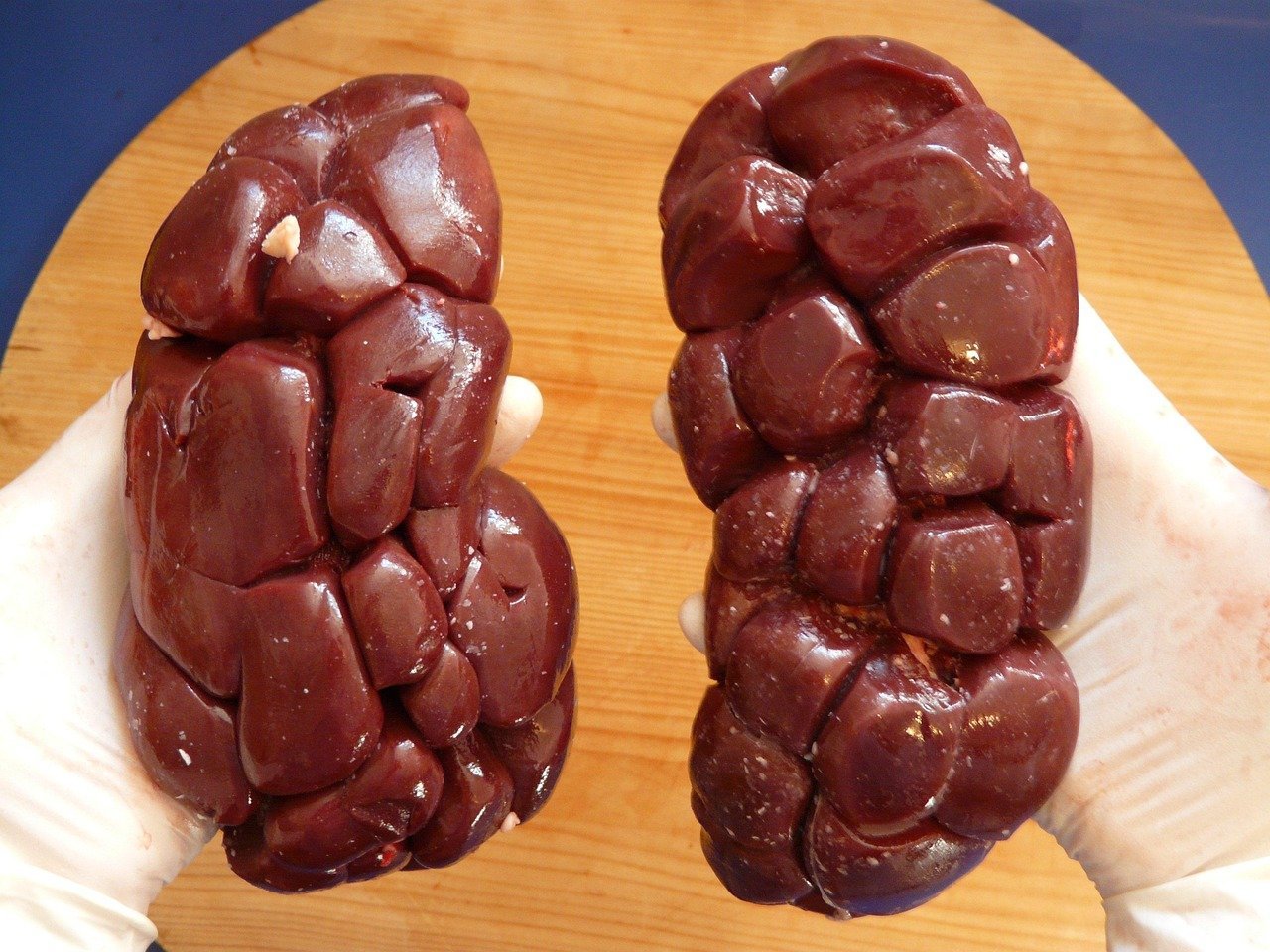
The kidneys can only handle about one liter of water every hour. Drinking more than that can upset the body’s electrolyte balance. Most people would never think of this as a ceiling. We assume the body just “handles” whatever we throw at it.
Avoid drinking more than one liter of fluid per hour, which will allow your kidneys to get rid of excess water. That’s the practical takeaway. Cross that threshold consistently and you’re giving your kidneys an impossible workload. It’s a bit like trying to pour two gallons of water through a funnel designed for one.
Brain cells are particularly susceptible to overhydration and to low sodium levels in the blood. When overhydration occurs slowly and is mild or moderate, brain cells have time to adapt, so only mild symptoms may ensue. When overhydration occurs quickly, vomiting and trouble with balance develop. If overhydration worsens, confusion, seizures, or coma may develop. The speed matters just as much as the quantity.
Electrolytes Are Not Optional – They’re Essential

Electrolytes are essential for basic life functioning, such as maintaining electrical neutrality in cells and generating and conducting action potentials in the nerves and muscles. Significant electrolytes include sodium, potassium, chloride, magnesium, calcium, phosphate, and bicarbonates. Without them, your body simply cannot coordinate the most fundamental biological processes.
Many automatic processes in the body rely on a small electric current to function, and electrolytes provide this charge. Electrolytes interact with each other and the cells in the tissues, nerves, and muscles. A balance of different electrolytes is crucial for the body to function. When you drink too much plain water, you are quite literally diluting that electrical system.
Electrolytes such as sodium, potassium, magnesium, chloride, and calcium need to be in balance in order to maintain healthy blood, heart rhythm, muscle function, and other important functions. So when that balance tips, the downstream effects are wide-ranging, and they can masquerade as something much simpler, like tiredness or a headache.
Athletes Are at the Highest Risk – and Often the Least Informed

Exercise-associated hyponatremia is defined as a serum sodium level below 135 mmol/L that develops during or up to 24 hours after physical activity. It was previously thought to occur only in extreme endurance athletes; however, its incidence is increasing among various athletes presenting with a wide spectrum of symptoms. This is no longer just an ultramarathon problem.
Exercise-associated hyponatremia occurs when an athlete loses salt and other electrolytes through sweat and replaces the fluid loss with just water, neglecting to replace the lost sodium. The intake of water during exercise maintains an athlete’s fluid levels but dilutes the sodium concentration in the blood, leading to states of fluid overload hyponatremia during prolonged periods of exertion. It’s a trap that even experienced athletes fall into.
Despite mounting evidence that fluid intake should be guided by thirst to avoid hyponatremia, outdated hydration guidelines and the aggressive marketing of sports drinks continue to promote excessive fluid consumption. Many athletes are still encouraged to drink beyond physiological needs, a practice that increases the risk of developing exercise-associated hyponatremia. The marketing machine has a lot to answer for here.
The Sodium Problem: Most Sports Drinks Don’t Actually Cut It
Sodium is the most common electrolyte studied in hydration beverages. Research has shown that to maximize hydration, the sodium concentration should be between 40 and 100 millimoles per liter, whereas drinks with lower sodium concentrations have inconsistent results and do not always improve markers of hydration. This is important because most commercially available sports drinks have a sodium concentration ranging from 20 to 30 mmol per liter. Translation: most of what’s sold in bright bottles at the gym isn’t actually doing the hydration job it promises.
Sodium helps restore the body’s fluid balance after prolonged sweating, illness, or if someone has taken diuretic medications. Water can do the job also, but without sodium, it tends to be retained less effectively. This is a crucial distinction that gets buried under glossy packaging and celebrity endorsements.
Electrolytes are going to be foods that we should be eating more anyway. Fruits and vegetables have the bonus of also being a potential source of hydration. So the answer isn’t always a powder packet. Sometimes it’s a piece of watermelon and some celery.
Recognizing the Signs That You’ve Had Too Much
If you are properly hydrated, your urine will be light yellow, like the color of light straw or lemonade. You may be drinking too much water if your urine is colorless or clear. This is one of the simplest and most reliable indicators you have access to, and it costs nothing.
If you suspect you may be overhydrated, look for symptoms like cloudy thinking, nausea and vomiting, muscle weakness, spasms or cramps, and headaches. In severe cases, symptoms could include mental confusion, seizures, unconsciousness, and even coma. The tricky part is that some of these, like a headache or fatigue, are easy to misread as signs you need more water, not less.
On average, a person will void between six and ten times daily, so if you find yourself urinating more than ten times a day, you may be drinking more water than your body needs. That’s a useful metric. Count the trips. It tells a story your hydration app won’t.
The Thirst Mechanism: More Reliable Than You Think
Let’s be real: a lot of us have been conditioned to distrust our own bodies. We track steps, sleep, calories, and heart rate. So it feels strange to just… trust thirst. Yet science backs it up.
In a published statement of the Third International Exercise-Associated Hyponatremia Consensus Development Conference, researchers concluded that drinking in accordance with the sensation of thirst is sufficient for preventing both dehydration and overhydration in most healthy individuals. That’s a consensus of experts, not a fringe view.
While the thirst reflex is pretty reliable, it does tend to fade with age and older people are more likely to become dehydrated without realizing it. So there is a genuine exception here worth noting. For older adults especially, a little extra mindfulness around hydration is sensible, even if compulsive guzzling is still not the answer.
Food as a Hidden Hydration Source
Here’s something the bottled water aisle definitely doesn’t advertise. About 20% of an adult’s water intake comes from food, and summer staples such as strawberries, watermelon, and cantaloupe, along with lettuce, celery, and squash, can be sources of water as well as electrolytes. One slice of watermelon is quietly doing double duty as both hydration and electrolyte delivery.
While drinking eight glasses is an easy goal to remember and can certainly be reasonable for some, many factors affect individual hydration needs. These include weather, since when heat and humidity rise, we need to drink more. Context is everything. A person sitting in an air-conditioned office in April needs dramatically different hydration than someone running a half-marathon in July.
Changes in temperature, changes in humidity, changes in altitude, and changes in physical activity all can affect how much water you actually need. There is no single magic number. There never was.
What a Smarter Hydration Strategy Actually Looks Like

There is no single formula to find out how much water you should drink daily. If you drink when you are thirsty and your urine is pale yellow, you are probably getting enough fluids. That is genuinely the most evidence-backed, practical guidance available right now, and it fits in one sentence.
Getting enough of some electrolytes, such as potassium, which helps regulate blood pressure, can be challenging, particularly if you are not eating a lot of fruits and vegetables. Rather than stressing over water quantity, it may be far more valuable to audit what electrolytes your diet is actually supplying day to day.
The risk of hyponatremia can be reduced by making certain that fluid intake does not exceed sweat loss and by ingesting sodium-containing beverages or foods to help replace the sodium lost in sweat. For anyone exercising seriously, that simple principle, matching intake to loss and including sodium, could be genuinely life-saving guidance.
The hydration conversation in 2026 has never been louder, yet the actual science suggests we’ve been asking the wrong question. It was never just about how much water you drink. It’s always been about the balance between water and the minerals that make it work. Next time someone tells you to “just drink more water,” you might want to ask them: what electrolytes are going with it?
What do you think? Has the “drink more water” message gone too far? Share your thoughts in the comments.