

Latin America Faces ‘Hydrological Whiplash’ as Climate Risks Mount – Image for illustrative purposes only (Image credits: Pexels)
A recent World Meteorological Organization assessment has placed a clear figure on the human cost of extreme heat across Latin America and the Caribbean. The report estimates about 13,000 deaths tied to high temperatures each year in 17 countries. These losses arrive against a backdrop of 2025 conditions that mixed long-running drought with sudden floods and storms once considered rare.
Defining the Region’s New Weather Pattern
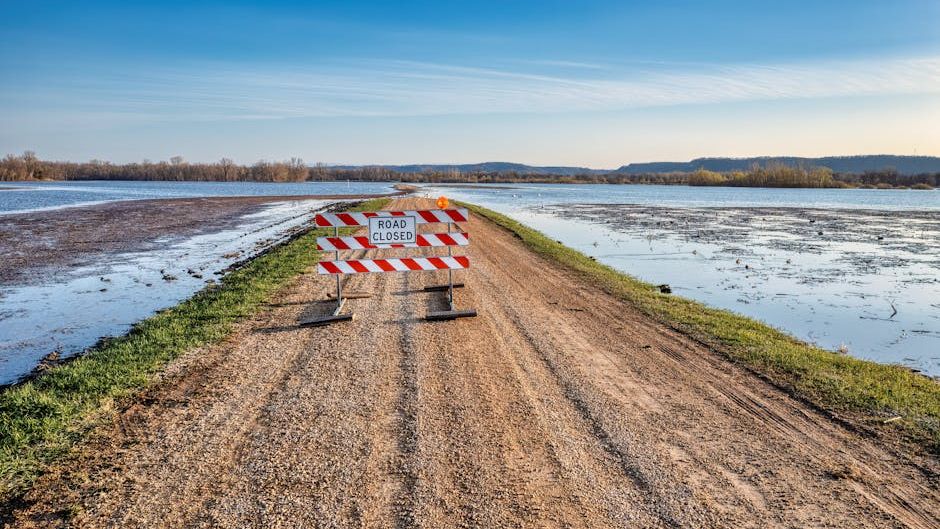
The year illustrated a phenomenon experts describe as hydrological whiplash. Prolonged dry periods left soils and reservoirs depleted, yet heavy rains that followed did little to restore balance. Water simply ran off hardened ground instead of replenishing supplies. At the same time, temperatures climbed beyond thresholds that once seemed exceptional. Communities now treat these swings as routine rather than isolated events.
Tracking the Human Cost of Heat
The 13,000 annual deaths represent a measurable outcome of sustained high temperatures. Heat stress affects the body through dehydration, cardiovascular strain, and reduced ability to cool itself. Vulnerable groups include older residents, outdoor workers, and people with limited access to cooling or medical care. The toll spans urban centers and rural areas alike. Officials note that many cases go underreported when records focus only on direct causes.
Storms That No Longer Surprise
Intense rainfall events and stronger tropical systems added to the year’s challenges. These storms delivered short bursts of water that triggered flash floods and landslides. Yet the same systems often left surrounding regions still locked in drought. Infrastructure built for older climate norms struggled under the new load. Recovery efforts now plan for repeated cycles rather than single disasters.
Looking Ahead at Regional Risks
The combination of heat, drought, and sudden downpours points to ongoing pressure on health systems and water management. Adaptation steps such as improved early-warning networks and heat-action plans can reduce future losses. Still, the underlying drivers of rising temperatures continue to shape conditions across the region. Continued monitoring will show whether current trends hold or accelerate.