



Most people know that diet affects their waistline. Fewer realize it can shape how well they think, remember, and age. The connection between what you eat and how your brain performs isn’t new science, but the depth of recent research is striking. Studies from 2024 through 2026 have sharpened what we already suspected: some foods genuinely protect cognitive function, while others quietly chip away at it.
The seven foods covered here aren’t fringe claims or wellness trends. They’re backed by peer-reviewed research and major nutrition frameworks like the MIND and Mediterranean diets. What’s worth knowing is which ones help, which ones hurt, and roughly why.
1. Fatty Fish: Omega-3s with Real Research Behind Them
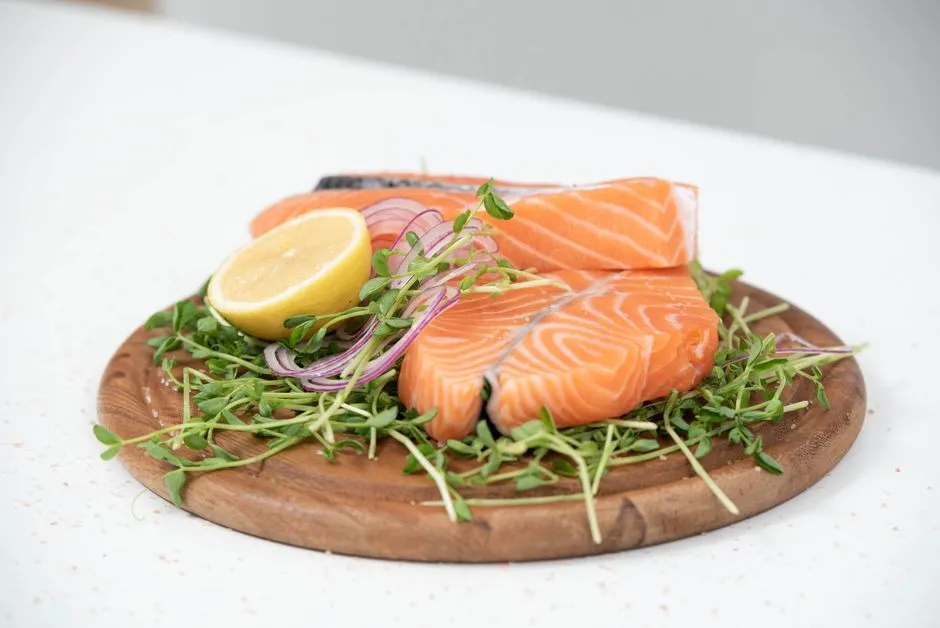
Fatty fish is perhaps the most consistently studied food in the context of brain health. Salmon, tuna, sardines, mackerel, anchovies, and herring are all great sources of omega-3 fatty acids, a type of polyunsaturated fat. These fats are structural components of brain cell membranes, and their role in maintaining cognitive function has been studied extensively.
In a meta-analysis of 35 studies involving more than 849,000 total participants over age 50, those who ate the most fish had an 18 percent lower risk of cognitive impairment compared with those who ate the least, as reported in Aging Clinical and Experimental Research in 2024.
A 2025 study in Korean older adults suggests that long-term supplementation with omega-3 fatty acids may help maintain or even improve cognitive function. The recommendation from the Global Council on Brain Health is straightforward: eat fish at least once a week, preferably not fried.
2. Blueberries: Small Fruit, Measurable Effect
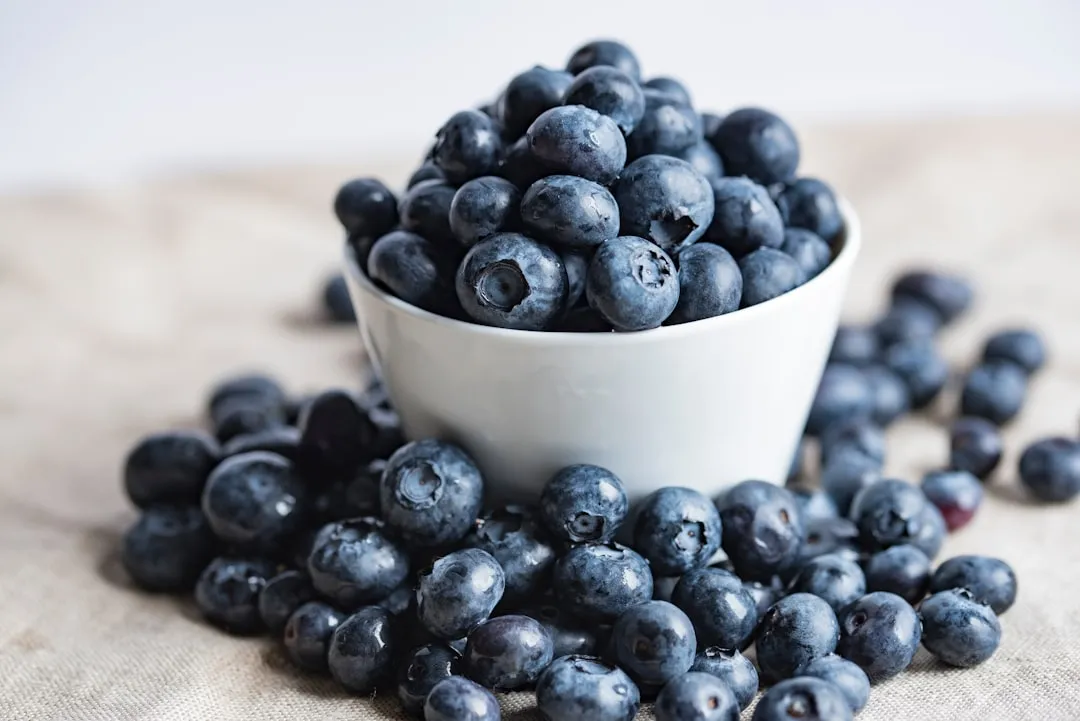
Blueberries have earned their place in brain health research, and not just because they photograph well. They’re the only fruit singled out as part of the MIND diet, a diet that research has linked to lower dementia risk. The key compounds here are flavonoids, particularly a pigment group called anthocyanins.
A 2024 report published in Frontiers in Pharmacology found that metabolites in blueberries have the potential to protect the brain, with the authors calling out flavonoids, carotenoids, and vitamins C and E as potentially protective.
One observational study of 16,010 women suggested that high blueberry intake may be associated with less cognitive decline over four years. Research in this area is still growing, and most individual studies have been small, but the direction of evidence is consistent enough to make blueberries a sensible dietary habit.
3. Leafy Greens: The Most Evidence Per Calorie

If one food category keeps appearing across every credible brain health framework, it’s leafy greens. Spinach, kale, broccoli, and other vegetables provide antioxidants, folate, and vitamins that support brain health. They’re low in calories and high in compounds that directly benefit neural tissue.
In a study that analyzed data from 10,236 adults aged 55 and older, those who ate the most fruits and vegetables, including cruciferous veggies and leafy greens, had better brain function and a slower rate of cognitive decline over time compared with those who ate the least. The results were published in The Journal of Nutrition, Health and Aging in 2024.
The MIND diet recommends at least six servings of leafy greens per week. That figure sounds high until you realize a serving is roughly one cup of raw spinach. It adds up faster than expected, and the consistency of the evidence here is hard to ignore.
4. Olive Oil: A Fat That Protects the Brain

Olive oil is a cornerstone of the Mediterranean and MIND diets, and the research connecting it to brain health has grown significantly in recent years. Olive oil contains a number of monounsaturated and polyunsaturated fatty acids, other types of healthy fats, as well as vitamin E. All of these contribute to lower inflammation and better vascular health, both of which affect how the brain is supplied with oxygen and nutrients.
People who consumed at least 7 grams a day of olive oil showed a 28 percent lower risk of dementia-related death over 28 years in a large 2024 study. That’s a striking figure, though it’s observational and doesn’t prove direct causation.
Still, the consistency of olive oil’s appearance across major dietary frameworks is meaningful. A diet that is higher in unsaturated fats and lower in saturated fats is linked to better cognition, with monounsaturated fats found in foods like olive oil, almonds, and avocados being particularly relevant.
5. Ultra-Processed Foods: A Broad and Well-Documented Risk

This is where the research gets harder to ignore. People who eat more ultra-processed foods like soft drinks, chips, and cookies may have a higher risk of having memory and thinking problems and having a stroke than those who eat fewer processed foods, according to a study published in the May 2024 issue of Neurology.
After adjusting for age, sex, high blood pressure, and other factors, researchers found that a 10 percent increase in the amount of ultra-processed foods eaten was associated with a 16 percent higher risk of cognitive impairment. They also found that eating more unprocessed or minimally processed foods was linked with a 12 percent lower risk of cognitive impairment.
Neuroimaging studies have found that high consumption of a Western dietary pattern was related to a reduction in the left hippocampus and gray matter volume in cognitively healthy individuals. These are the kinds of structural changes associated with memory loss and early cognitive decline. The mechanism likely involves chronic inflammation and disrupted gut health.
6. Processed Meats: A Specific Concern Within the Broader Category
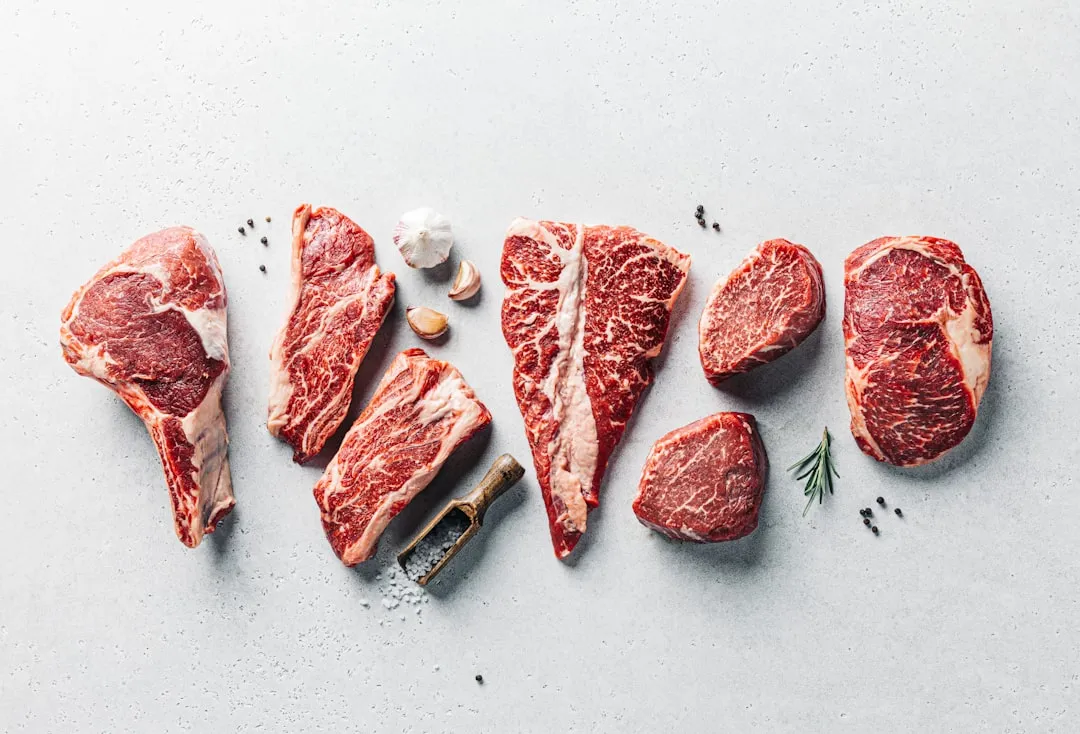
Within the world of ultra-processed foods, processed meats deserve their own mention. Two researchers at Virginia Tech found that consuming processed meats and sugary beverages, compared with all other ultra-processed foods, is specifically linked to poor memory and cognitive issues.
Their findings tracked U.S. residents aged 55 and older for seven years using data from the national Health and Retirement Study, testing the same group of people every two years. Published in the American Journal of Clinical Nutrition and funded by the National Institutes of Health, it’s a well-designed study worth taking seriously.
One possible explanation is that processed red meat may affect the brain because it contains high levels of harmful substances such as nitrites and sodium. Bacon, deli meats, hot dogs, and sausages all fall into this category. Frequency and quantity both matter here.
7. Alcohol: More Complicated Than the Headlines Suggest
The relationship between alcohol and brain health is genuinely contested, and it’s worth being honest about that complexity. Alcohol is considered a modifiable risk factor for cognitive decline, and excessive consumption can lead to changes in the brain similar to those seen in aging, with significant reductions in gray and white matter volume.
Heavy drinkers who have eight or more drinks per week have an increased risk of brain lesions called hyaline arteriolosclerosis, signs of brain injury associated with memory and thinking problems, according to a study published in April 2025 in Neurology.
Chronic alcohol consumption is increasingly recognized as a risk factor for Alzheimer’s disease, contributing to cognitive decline through multiple biological pathways. Excessive alcohol intake accelerates neurodegeneration by impairing the brain’s ability to clear toxic proteins, disrupting neurotransmitter balance, and exacerbating inflammation and oxidative stress. These effects collectively weaken neuronal resilience. A 2025 review from the National Academies of Sciences concluded that the science on moderate drinking and dementia remains inconclusive, but the structural brain evidence is less favorable than it once appeared.
The Bigger Pattern: It’s Not Just Individual Foods
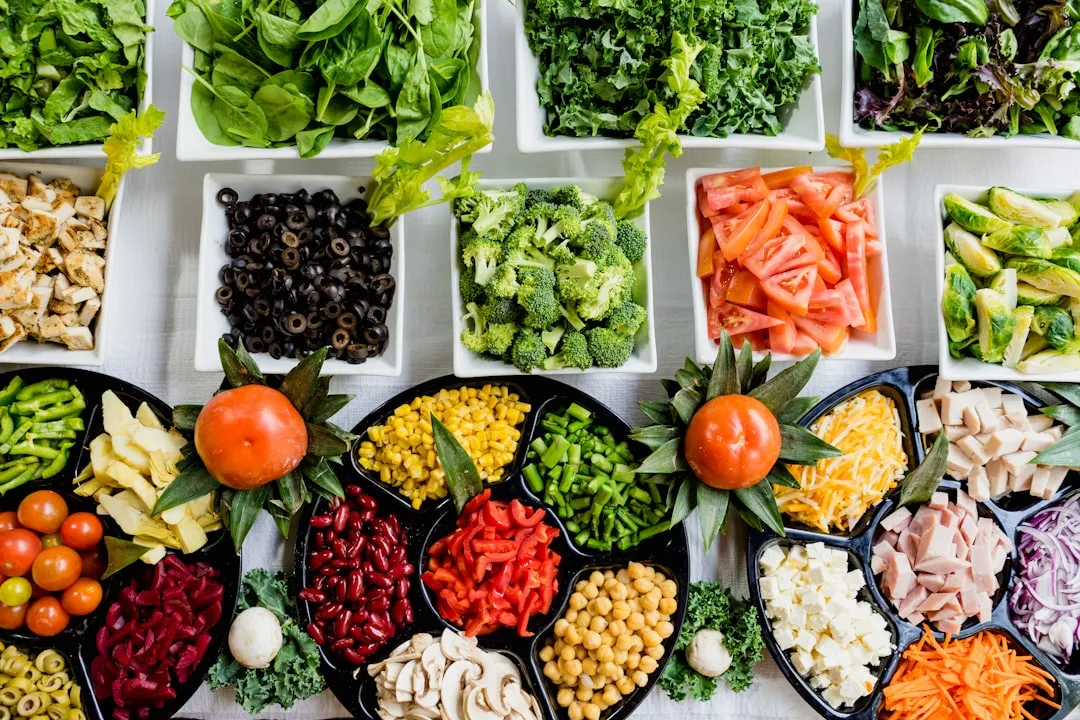
Individual foods matter, but dietary patterns matter more. A systematic review found that diets characterized by higher consumption of vegetables, fruits, legumes, nuts, fish, seafood, and unsaturated vegetable oils, alongside lower intake of red and processed meats and sugar-sweetened beverages, are consistently associated with a reduced risk of cognitive decline and dementia.
The Mediterranean diet consistently showed beneficial effects on cognitive health, including improved memory, processing speed, and long-term protection against neurodegenerative conditions, according to a 2025 narrative review covering nearly a decade of literature published on PubMed.
No single meal changes cognitive trajectory. What matters is the pattern sustained over months and years. The brain requires a steady supply of nutrients to function at its best, relying on healthy fats for structure, antioxidants for protection, and vitamins and minerals to support communication between brain cells.
How Strong Is the Evidence, Really?

It’s worth being honest about the limits of nutritional research. Most studies in this field are observational, meaning they show associations rather than definitive cause and effect. People who eat well tend to also exercise more, sleep better, and smoke less. Isolating one food or nutrient is methodologically difficult.
A significant knowledge gap remains regarding the critical timing and duration of dietary pattern consumption in early adulthood for the prevention of cognitive decline. Furthermore, the biological mechanisms responsible for the cognitive protective effects of these diets remain unclear.
That said, the convergence of evidence from large cohorts, brain imaging studies, and clinical trials is more consistent than for many other lifestyle interventions. The foods that help tend to reduce inflammation and oxidative stress. The ones that harm tend to do the opposite.
Practical Takeaways Without the Oversimplification

The science doesn’t support a rigid list of brain superfoods or a dramatic dietary overhaul. What it does support is a recognizable shift in priorities. The MIND diet’s anti-inflammatory eating style focuses on brain-boosting foods like fish and berries, while limiting red meat, fried foods, sweets, and fast food.
A diet high in fruits and vegetables may also lower your risk of anxiety, according to a study of 10,870 adults published in the Journal of Affective Disorders in 2025. The benefits aren’t limited to memory and dementia risk; mood and mental resilience appear to respond to dietary quality too.
Simple, consistent changes tend to compound over time. Swapping processed snacks for walnuts, cooking with olive oil instead of butter, eating fish twice a week instead of deli meat, adding a handful of spinach to daily meals. These are not dramatic gestures. They’re the kind of ordinary adjustments that the evidence, taken together, actually supports.
The Takeaway

The brain is metabolically demanding and unusually sensitive to what it’s fed. Diets high in processed foods and low in nutrients may contribute to inflammation and oxidative stress, both of which are associated with cognitive decline. The reverse is also true: a steady diet of whole foods, healthy fats, and colorful produce creates conditions where the brain can function, repair, and age more gracefully.
The research isn’t perfect, and no food is a silver bullet. But the overall direction of evidence, drawn from hundreds of studies across the last decade and sharpened by findings in 2024 and 2025, points clearly enough in one direction. What you eat regularly, over years, leaves a measurable mark on how well your brain holds up. That’s worth taking seriously, not as a source of anxiety, but as a form of long-term leverage most people already have access to.
AI Disclaimer: This article was created with the assistance of AI tools and reviewed by a human editor.