


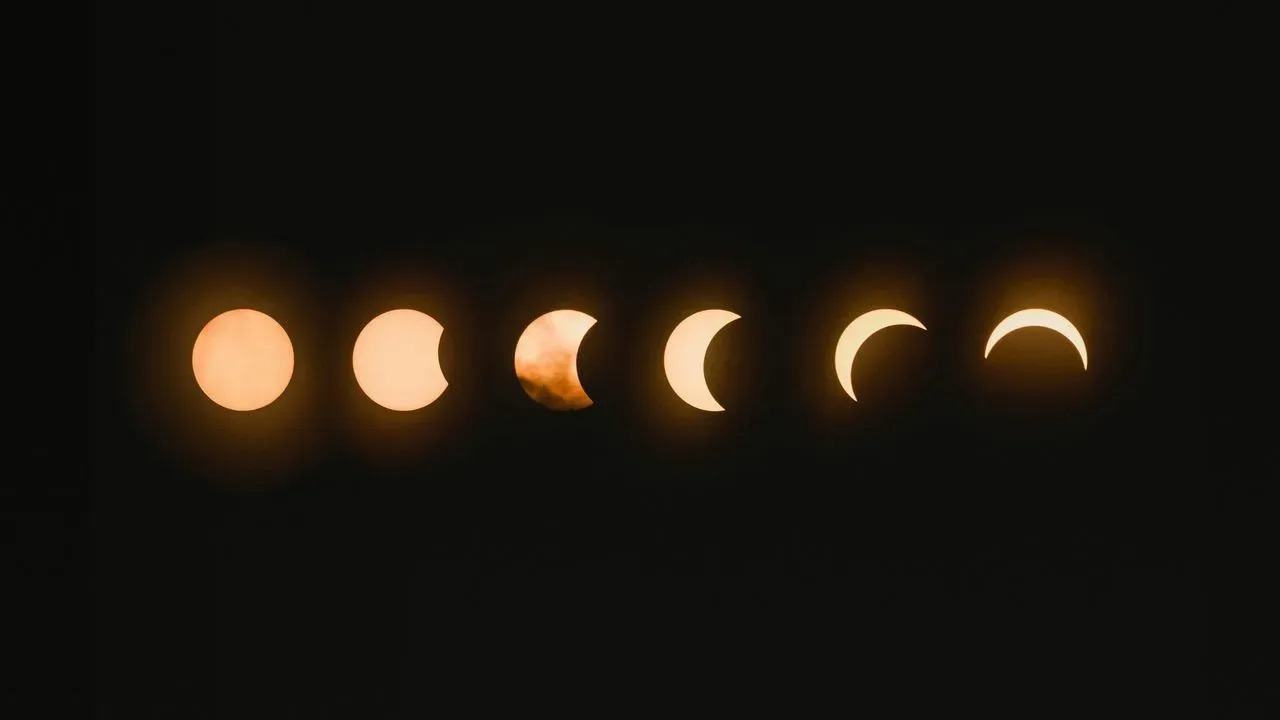
Rare Lunar Eclipse to Cover 96% of Moon This Week – How To Watch – Image for illustrative purposes only (Image credits: nvmwebsites-budwg5g9avh3epea.z03.azurefd.net)
Skywatchers across much of the Americas and beyond can expect a striking celestial event in the coming days. A deep partial lunar eclipse on August 27-28 will see Earth’s shadow cover 96 percent of the Moon at its peak. The alignment creates a near-total experience without requiring special equipment or travel.
Timeline and Visibility
The eclipse unfolds overnight from Thursday into Friday. Partial phases begin around 10:33 p.m. Eastern Daylight Time on August 27, with maximum coverage arriving at 12:12 a.m. EDT on August 28. ([1]) Observers in North and South America will have the clearest views, along with portions of Europe and Africa. Roughly 3.3 billion people fall within the visibility zone. Local times shift by time zone, but the event remains simultaneous worldwide.
Why This Eclipse Stands Out
This partial eclipse reaches an umbral magnitude near 0.93, leaving only a thin sliver of the Moon in sunlight. The shadowed portion often takes on a copper or reddish tint as sunlight filters through Earth’s atmosphere. ([2]) It marks the last major lunar eclipse until late 2028. The Moon’s position near apogee also makes its apparent size slightly smaller than average, though the visual impact stays strong for casual viewers.
How to Watch Safely
No eye protection is needed. The event is safe to observe directly with the naked eye. Binoculars or a small telescope simply sharpen details of the advancing shadow line. Clear skies improve the experience, so check local forecasts. Urban areas with light pollution still work well because the Moon remains bright. Online streams from major observatories offer alternatives for cloudy regions.
– Peak coverage: 96 percent at 12:12 a.m. EDT August 28
– Duration of partial phase: nearly three hours
– Best regions: North and South America
Practical Tips for Observers
Find an open view to the southeast or south, depending on your location. The full Sturgeon Moon rises earlier in the evening and remains visible throughout the eclipse. Set a reminder for the maximum phase to catch the deepest shading. Photographs work with standard cameras on a tripod, though the naked-eye view often proves most memorable. This week’s alignment offers a straightforward opportunity for anyone interested in the night sky.
AI Disclaimer: This article was created with the assistance of AI tools and reviewed by a human editor.