

Walk through any major American city and you’re likely standing on top of one of the most consequential pieces of infrastructure nobody talks about. Beneath the asphalt and utility lines, thousands of miles of glass fiber optic cables lie in the dark, some actively carrying data and others waiting, silent and unlit, for someone to decide it’s time to switch them on.
What “Dark Fiber” Actually Means
Dark fiber is unused fiber optic cable infrastructure that has been laid but is not currently in use. It’s called “dark” because no light, carrying data, is passing through it. The name is oddly poetic for something so practical. It refers to fiber optic cables that have been laid in the ground but are not yet “lit” or in active use with transmission equipment, and instead of being tied to an internet service provider’s capacity, organizations lease or own these dark fiber routes, gaining full control over bandwidth, scalability, and security.
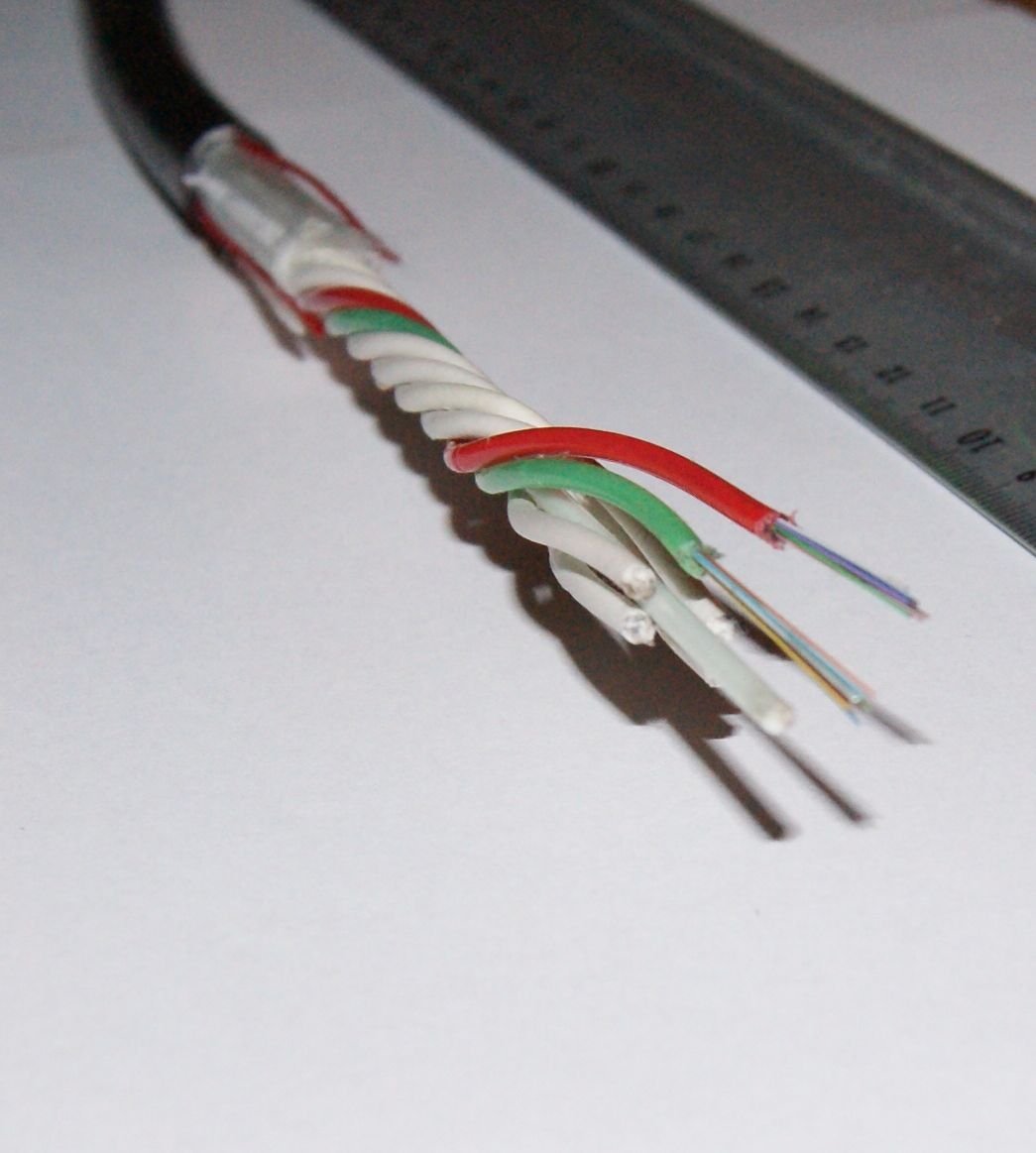
Because the marginal cost of installing additional fiber optic cables is very low once a trench has been dug or conduit laid, a great excess of fiber was installed in the US during the telecom boom of the late 1990s and early 2000s. This excess capacity was later referred to as dark fiber following the dot-com crash of the early 2000s that briefly reduced demand for high-speed data transmission. The installation of a fiber optical cable is a costly exercise, so providers typically install many more fibers than their initial need. These surplus, unused fibers are referred to as dark fibers and can serve two main purposes: they can be reserved for future use by the owner, or they can be sold to other parties in need of high-capacity connections between two destinations.
How the Cables Actually Work
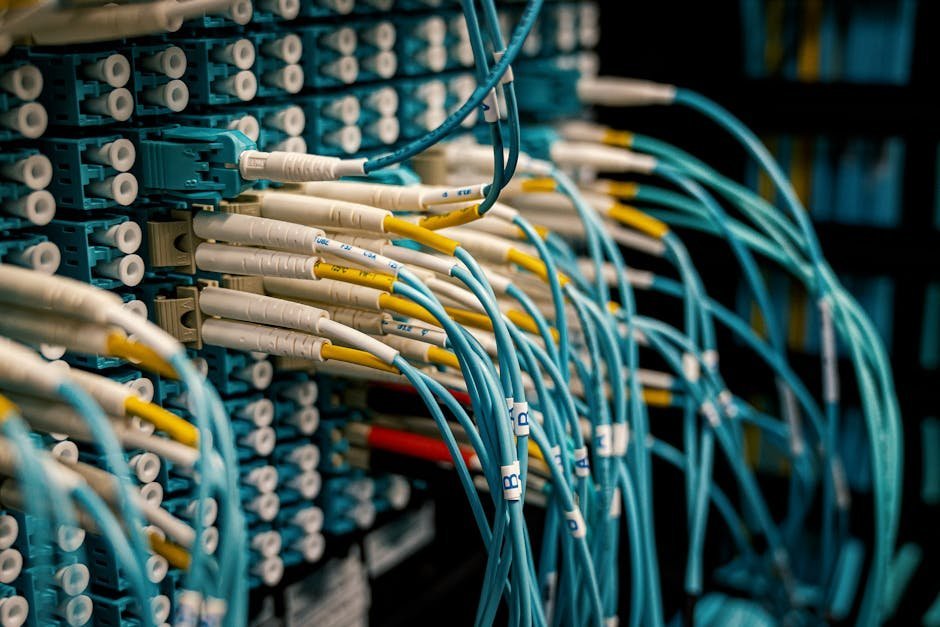
Dark fiber can be used to create a privately operated optical fiber network that is run directly by its operator over dark fiber leased or purchased from another supplier. This is opposed to purchasing bandwidth or leased line capacity on an existing network. Dark fiber networks may be used for private networking, or as internet access or internet infrastructure networking. Dark fiber is spliced end-to-end without any routers, switches, amplifiers, repeaters, and any other equipment, stops, or nodes. That absence of intermediary hardware is a big part of what makes it so fast.
As the demand for data continues to surge and connectivity requirements change, dark fiber creates the opportunity to accommodate higher bandwidth and data transmission speeds without changes to core infrastructure. Your bandwidth and speed potential is limited only by your optical equipment, transmission technology, and quality of fiber optic cables. Because both ends of the link are controlled by the same organization, dark fiber networks can operate using the latest optical protocols using wavelength division multiplexing to add capacity where needed, and to provide an upgrade path between technologies. In practical terms, a single fiber strand can carry multiple simultaneous data streams at speeds that can reach into the terabits per second range when the right optical equipment is attached.
Why So Much Fiber Got Buried in the First Place
Much of the cost of installing cables is in the civil engineering work required. This includes planning and routing, obtaining permissions, creating ducts and channels for the cables, and finally installation and connection. Because digging is so expensive, network builders learned early on to install far more fiber than they needed at the time. By installing more fiber optic cables than needed initially, organizations can easily accommodate future growth without significant infrastructure upgrades. This foresight allows businesses to save time and money in the long run, as activated dark fiber can be readily incorporated into the existing network.
Typical construction now costs between roughly $15,000 and $50,000 per route mile, inflated by a significant rise in equipment and labor costs in 2024. Those numbers explain why no one wants to dig twice. The dark fiber concept was born when telecommunications witnessed a boom and excess fiber was laid down, more than was needed. The excess stayed idle, unused, and unlit, yet with strategic value. Today, as requirements around data sovereignty, privacy, and high-capacity networking have come to the forefront, the dormant potential of this very infrastructure is being activated.
The Cities Where Dark Fiber Runs Deep
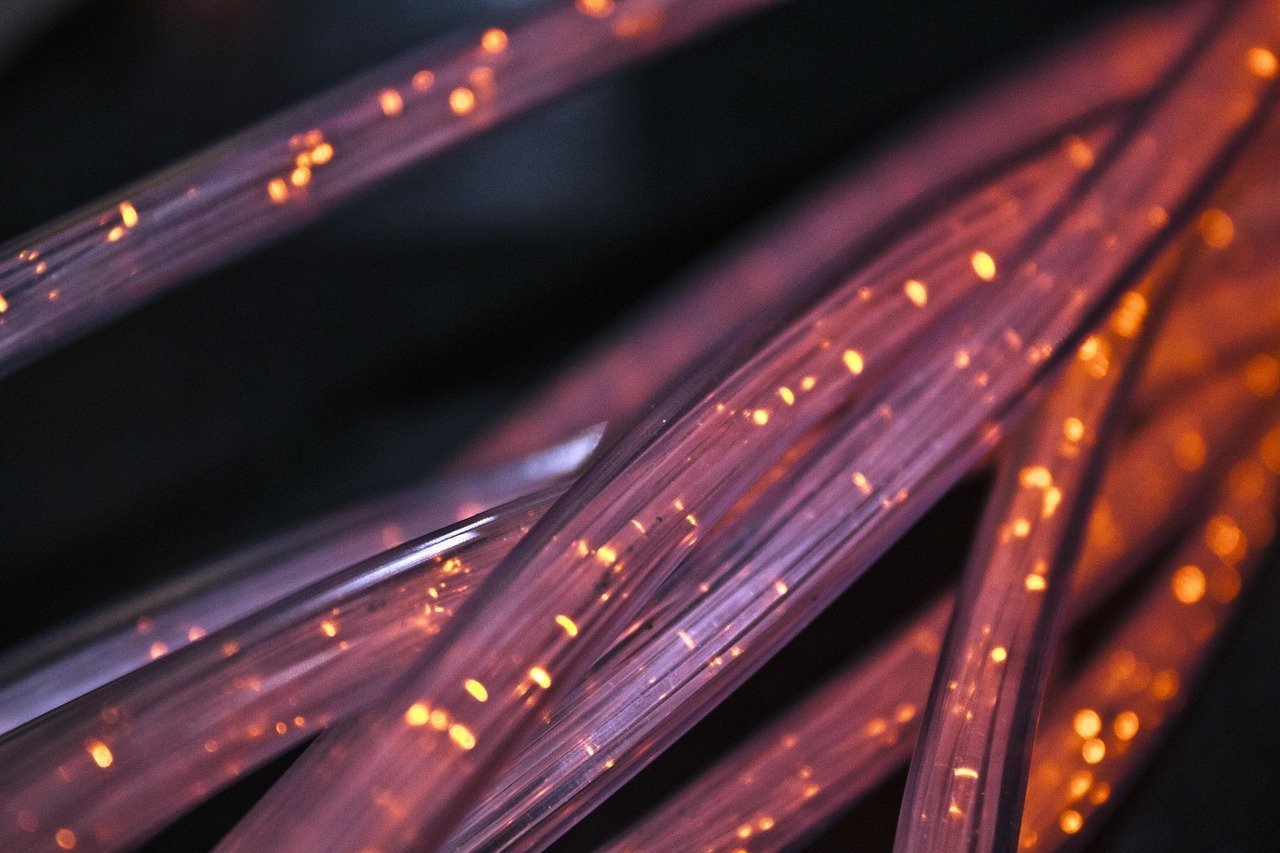
The US remains the largest contributor to the North American dark fiber market. Major telecom operators such as Verizon, AT&T, and CenturyLink have built extensive metro and long-haul networks, leasing dark fiber capacity to enterprises, carriers, and hyperscale cloud providers. New York is a clear focal point. Nowhere is the need for speed more critical than in New York’s financial services industry. Home to Wall Street and major stock exchanges, the metro area hosts thousands of trading firms, banks, and market data centers. These institutions require ultra-low-latency, high-bandwidth connections for mission-critical applications like high-frequency trading.
In July 2024, Global InterXchange launched the first privately owned, carrier-neutral dark fiber crossing of the Hudson River in more than 20 years. That single infrastructure milestone tells you something about the pace of investment in urban fiber right now. In January 2024, Bandwidth IG announced the company’s latest dark fiber network expansion in the San Francisco Bay Area, delivering over 310 route miles and more than 2 million fiber miles to one of the largest data center markets in the world. Chicago, Northern Virginia, Phoenix, and Dallas follow the same pattern, each becoming a denser node in the national dark fiber web.
Wall Street’s Secret Weapon: Latency and High-Frequency Trading
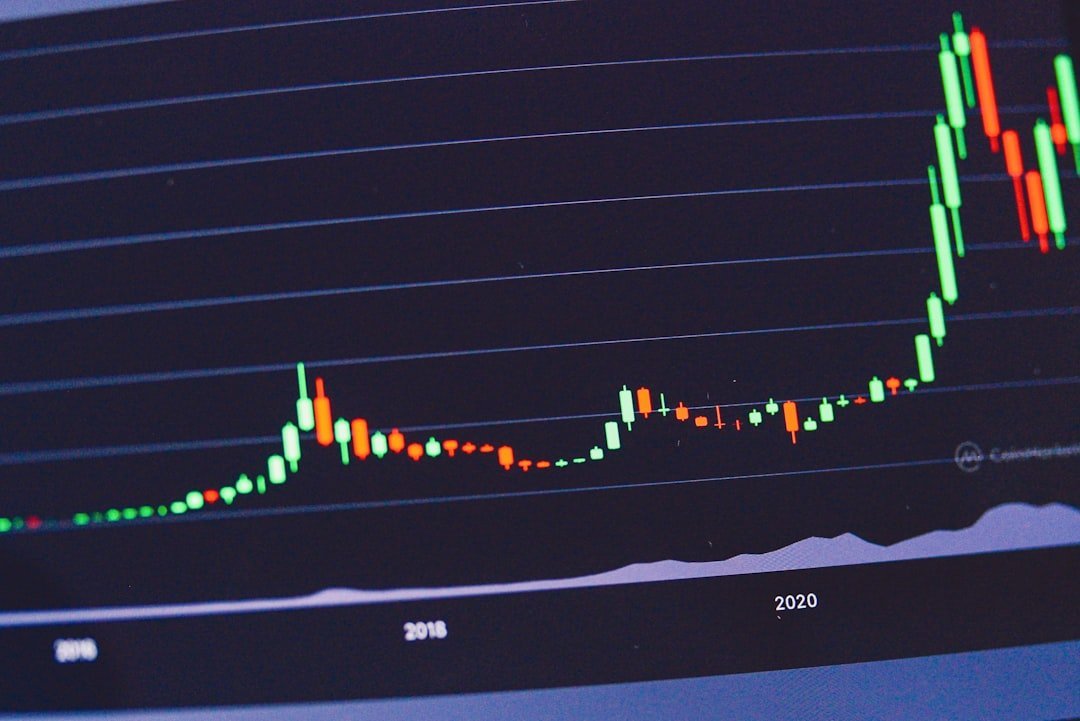
Even a few microseconds of delay in trade execution can translate to significant financial losses. High-frequency traders go to great lengths to reduce latency, knowing that even a millisecond edge can yield increased earnings. Dark fiber has become the go-to solution to achieve these latency goals. The stakes are genuinely that precise. Financial trading firms rely on dark fiber to achieve deterministic latency of 93 microseconds between major trading hubs. When competitive advantage is measured in fractions of a single millisecond, the fiber route directly beneath a city becomes as strategically important as the trading algorithm itself.
The corridor between Manhattan and New Jersey, home to critical exchange data centers, is now laced with privately-run dark fiber routes engineered for speed. Trading firms string fiber between Wall Street and exchange colocation sites in Mahwah, NJ (NYSE), Carteret, NJ (Nasdaq), and Secaucus, NJ (Cboe) to minimize distance and delays. By lighting their own fiber, banks and trading firms can deploy specialized optical equipment like low-latency transponders and continually upgrade speeds without relying on telecom carriers. The geography of the cable route matters as much as the technology running through it.
Security, Privacy, and Why Dark Fiber Is Harder to Tap

Dark fiber provides the highest level of network security and control by allowing the customer a dedicated point-to-point fiber over a defined physical path. This means that the fiber network owner is the only one that has visibility into what’s going through their network and what data is being transferred. On a shared network, data packets move through infrastructure controlled by multiple parties. On dark fiber, you own the path entirely. Since the network connections are restricted to the company renting or controlling the fiber, dark fiber networks provide increased security and anonymity. Dark fiber networks are therefore particularly appealing to industries with stringent data privacy requirements, such as banking, healthcare, and government.
The new dark fiber network crossing the Hudson River was designed to meet federal security standards established after 9/11 and to withstand extreme weather. Physical resilience is part of the security equation too. Organizations want control over their network latency, performance, and security without being dependent on shared resources. The nature of such control is even more pressing for financial institutions, tech companies, health organizations, and data center operators whose business is contingent upon strong performance and confidentiality.
Dark Fiber and the 5G Revolution Happening Underground
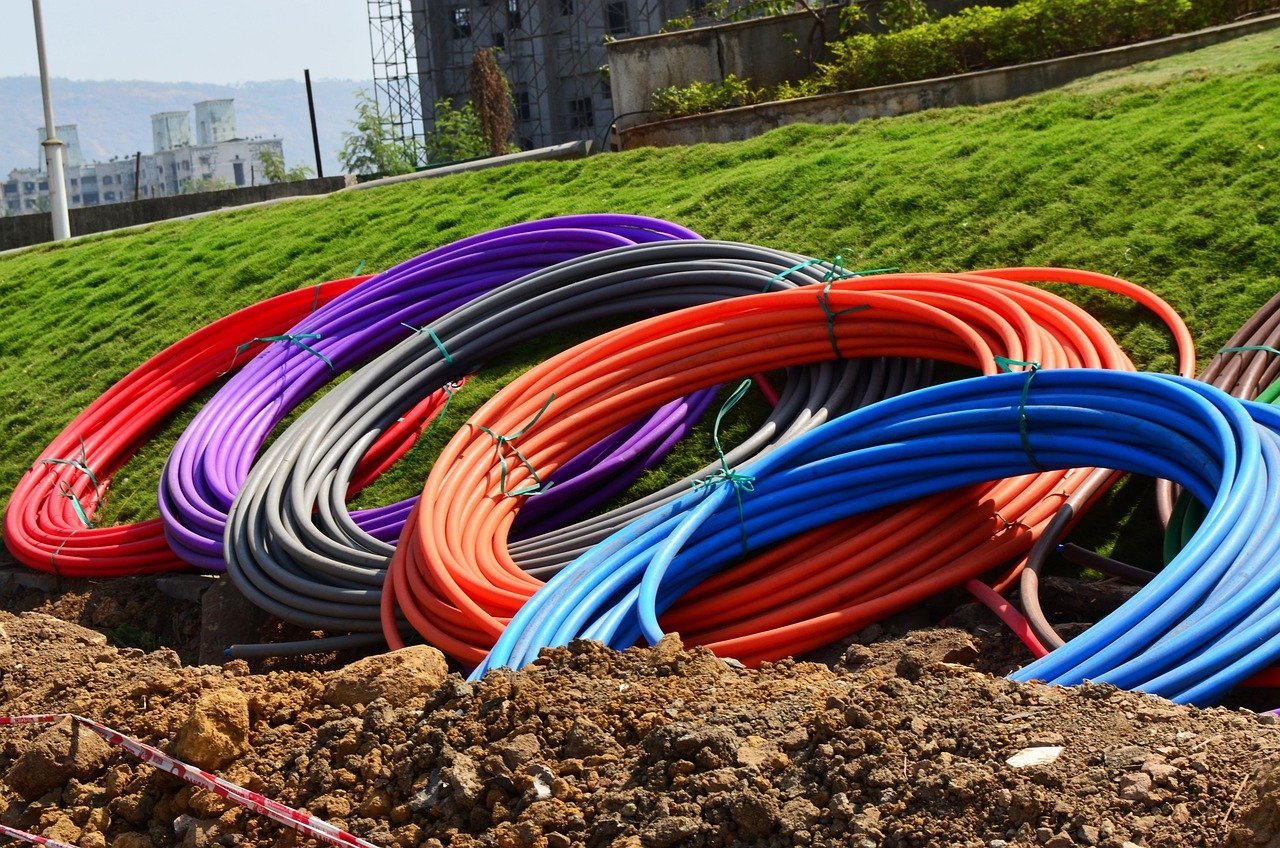
The worldwide rollout and expansion of 5G infrastructure has substantially elevated demand for dark fiber networks capable of supporting high-capacity backhaul and fronthaul connectivity between distributed radio units, centralized processing units, and core network facilities. The transition to Open RAN architectures mandates ultra-low-latency fiber pathways meeting sub-250 microsecond timing requirements, a performance threshold that dark fiber delivers through dedicated, uncontended transmission paths. Without dense underground fiber connecting cell towers and small cells, 5G simply cannot perform as advertised in dense urban areas.
Telecommunications operators, including AT&T, Verizon, and major European carriers, have accelerated dark fiber network deployments to address the technical requirements of 5G small-cell densification, particularly within metropolitan areas where subscriber density justifies massive infrastructure investment. Dark fiber backhaul is necessary for the deployment of small cells and distributed antenna systems in urban centers. Every time you stream video on a crowded city block without losing signal, a dark fiber cable buried beneath the street is part of why that works.
The Market Behind the Map: Who’s Building and Why
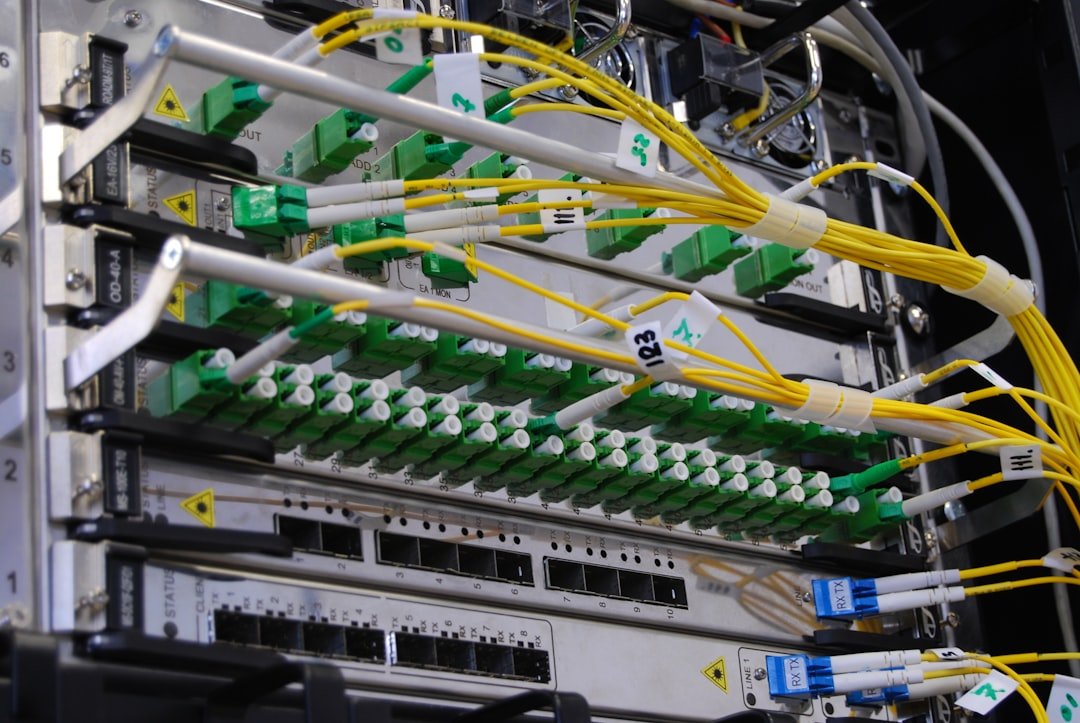
The global dark fiber market size was valued at roughly $7.45 billion in 2024 and is projected to grow to over $21 billion by 2032, exhibiting a strong compound annual growth rate during the forecast period. The demand is clearly not slowing down. Fueled by the exponential bandwidth demands of artificial intelligence workloads, edge computing rollouts, and dense 5G backhaul, the dark fiber market is transitioning from leased lit services to owned infrastructure models. Hyperscale data center operators now favor direct control over fiber routes, pressuring incumbent telecom carriers that historically monetized capacity by the strand.
In January 2025, Zayo announced construction of more than 5,000 new long-haul fiber route miles across the US to meet AI-driven bandwidth demand forecasted to grow roughly two and a half times by 2030. In May 2025, AT&T agreed to acquire Lumen Technologies’ mass-market fiber business for $5.75 billion in cash, a transaction that will significantly expand AT&T’s fiber network footprint in major US markets and enhance its broadband infrastructure. These are not incremental investments. They reflect a broad conviction that whoever controls the fiber beneath the city controls a meaningful piece of the digital future.
What It All Means for Everyday Connectivity

From traffic management to 5G backhaul, dark fiber forms the nervous system of connected cities. Most people will never need to think about which cables carry their data, but the performance gap between a city with dense dark fiber infrastructure and one without is increasingly visible. Dark fiber serves as a robust backbone for present and future demands of internet connectivity, cloud computing, and 5G technology, with indefeasible right-of-use contracts ensuring long-term network access for carriers, hyperscalers, and large enterprises alike.
The expansion of data centers, high-bandwidth applications, and AI-driven networks will further accelerate adoption of dark fiber. Advancements in optical fiber technology, network management tools, and deployment strategies will enhance performance, reliability, and scalability of dark fiber networks. Emerging deployment techniques, such as micro-trenching and aerial placement, help navigate urban right-of-way constraints. The infrastructure keeps evolving even when it stays hidden, and that’s precisely the point. Cities that invest in their underground fiber capacity today are laying the groundwork for connectivity improvements that residents will feel but never quite see.
The cables in the dark don’t make noise or demand attention. They just work, and in a world that runs increasingly on instant data, that quiet reliability is worth more than most people realize.