

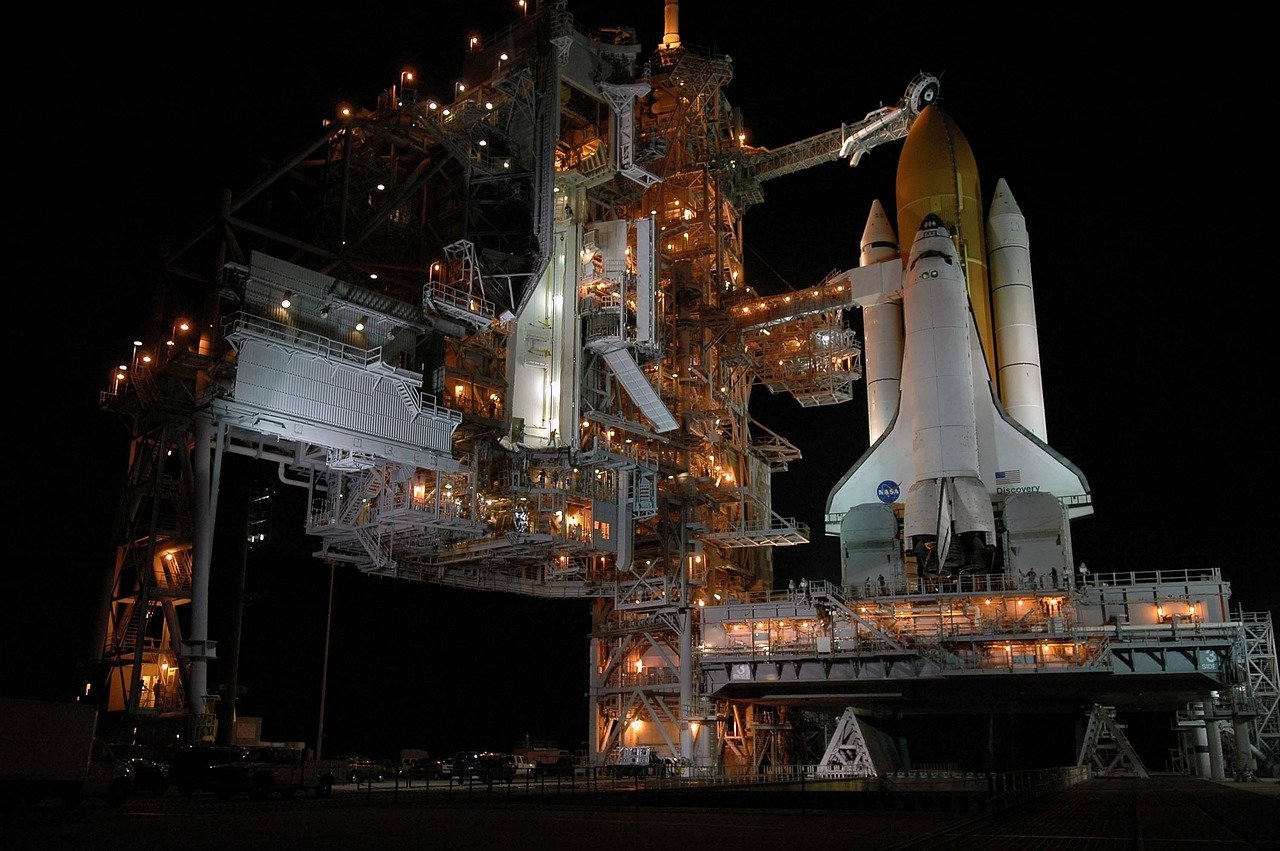
Astronauts Lead the Charge into Lunar Space (Image Credits: Pixabay)
NASA’s Artemis II mission propelled four astronauts into a historic voyage around the Moon, rekindling human exploration of deep space after more than five decades. Launched on April 1, 2026, the nearly 10-day flight tested the Orion spacecraft’s capabilities in its first crewed outing. The team returned safely on April 10, splashing down in the Pacific Ocean off San Diego’s coast, capping a flawless execution of key objectives.[1][2]
Astronauts Lead the Charge into Lunar Space
Commander Reid Wiseman guided the mission alongside pilot Victor Glover, both from NASA. Mission specialists Christina Koch of NASA and Jeremy Hansen from the Canadian Space Agency rounded out the crew. These veterans brought extensive experience from prior spaceflights, ensuring smooth operations during the high-stakes journey.[3]
The team lifted off atop the Space Launch System rocket from Kennedy Space Center. Within hours, they separated from the booster stages and settled into Orion for the long haul. Early checks confirmed all systems performed as designed, setting a confident tone for the outbound leg.[4]
Key Trajectory Burns Pave Path to the Moon
Shortly after launch, the crew executed critical maneuvers. A perigee raise burn adjusted the initial orbit, followed by the translunar injection burn that slung Orion toward the Moon. These steps covered thousands of miles, building speed for the four-day transit.[5]
Orion reached speeds exceeding expectations during outbound flight. Flight Day 2 highlights included the crew’s first communications with ground teams from deep space. Sleep periods and system tests filled the days, validating life support for longer missions ahead.[6]
- April 1: Launch and stage separations.
- April 2: Translunar injection burn.
- April 3-4: Earth-Moon transit with checkout activities.
- April 5: Entry into lunar sphere of influence.
Lunar Flyby Delivers Thrilling Close-Up Views
On April 6, Orion swung around the Moon’s far side, passing within 4,070 miles of the surface at closest approach. The spacecraft then ventured to a maximum distance of 252,760 miles from Earth, farther than any humans had traveled since Apollo.[7][8]
Crew members conducted observations and experiments during the flyby. The mission tested navigation, communications blackout survival, and environmental controls in lunar gravity. No docking or landing occurred, focusing instead on flyby dynamics and crew health.[9]
Exiting the Moon’s influence marked a pivotal shift toward home. Data streamed back confirmed Orion’s heat shield and propulsion readiness for reentry rigors.
Reentry and Splashdown Seal Mission Success
By Flight Day 9, preparations intensified for Earth’s return. A final burn adjusted the trajectory for Pacific landing. On April 10, Orion plunged through the atmosphere at over 32 times the speed of sound, enduring peak heating before parachutes deployed.[10]
| Date | Event | Details |
|---|---|---|
| April 1, 2026 | Launch | SLS rocket from Kennedy Space Center. |
| April 6, 2026 | Lunar Flyby | Closest approach: 4,070 miles. |
| April 10, 2026 | Splashdown | 8:07 p.m. ET off San Diego.[11] |
Recovery teams from NASA and partners retrieved the capsule swiftly. Post-mission briefings highlighted zero major anomalies, paving the way for Artemis III.
Key Takeaways
- First crewed Orion flight validated deep-space systems.
- Lunar flyby tested flyby trajectory and crew operations.
- Safe splashdown confirmed recovery procedures.
Artemis II stands as a cornerstone for sustainable Moon exploration, proving NASA’s hardware endures the void. Future crews will build on this foundation toward landings and beyond. What are your thoughts on this giant leap? Share in the comments.