

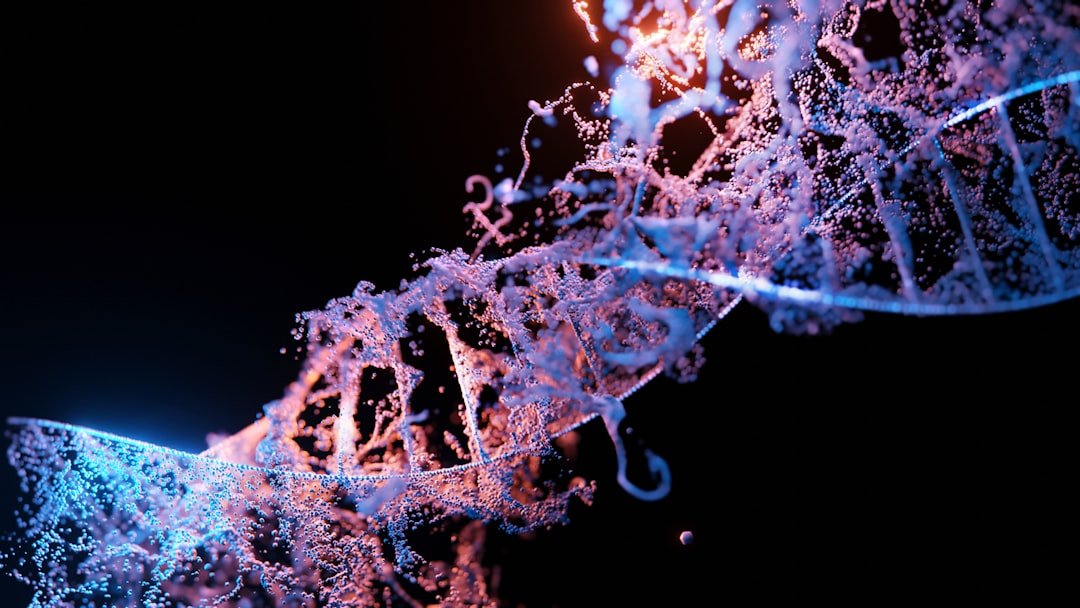
Cells Divide, DNA Evolves Constantly (Image Credits: Unsplash)
Scientific understanding of human DNA has long emphasized the genes passed down from parents as the primary architects of health and disease. Recent research reveals a more dynamic reality, where cells acquire countless mutations throughout life, reshaping the body’s genetic landscape. Roxanne Khamsi’s new book, Beyond Inheritance: Our Ever-Mutating Cells and a New Understanding of Health, published this week, illuminates this shift, arguing that somatic mutations – those arising after conception – play a pivotal role in everything from cancer to resilience.[1][2]
Cells Divide, DNA Evolves Constantly
Every second, millions of cells in the adult body divide to replace old ones, and each division copies roughly six billion DNA letters with inevitable errors. Estimates suggest trillions of new mutations accumulate daily across the body’s 30 trillion to 40 trillion cells.[1][3] A white blood cell from a centenarian often harbors over 3,000 such changes, turning each person into a genetic mosaic of subtly different cell lines.[2]
Unlike inherited germline mutations, which affect sperm or eggs and pass to offspring, somatic mutations stay confined to specific tissues. Environmental factors like radiation or pollution accelerate them, but they occur naturally as part of cellular reproduction. Single-cell sequencing, advanced since 2009, unveiled this pervasive diversity, challenging the notion of identical DNA across all cells.[3] Khamsi describes it vividly: “You are a slightly different genetic version of yourself today from yesterday, and will be different yet again tomorrow.”[2]
When Mutations Fuel Disease
Cancer exemplifies the dangers, as a single altered cell proliferates, gaining further mutations to outcompete neighbors in a Darwinian struggle. Advanced tumors may contain thousands of variations, some conferring drug resistance and complicating treatment.[3] Clonal hematopoiesis, where mutated blood stem cells expand, affects 10% to 20% of people in their 70s, raising risks for blood cancers and heart disease through inflammation.[3]
Other conditions trace to early developmental mutations. Up to one-third of autism cases link to spontaneous changes, while disorders like hemimegalencephaly enlarge half the brain, causing epilepsy treatable only after identifying the culprit gene.[4] Werner syndrome accelerates this process, mimicking rapid aging with heart attacks in the 30s and death by 50s due to faulty DNA repair.[4] Accumulated errors in brain microglia may contribute to Alzheimer’s, underscoring mutations’ role in aging.[3]
Beneficial Mutations That Protect and Heal
Not all changes harm; some confer advantages, powering adaptation within tissues. The immune system’s antibody diversity relies on deliberate mutations, a process Nobel laureate Susumu Tonegawa decoded in the 1970s, though it risks autoimmunity as a tradeoff.[3] Liver cells with certain mutations better tolerate excess calories, enhancing resilience.[5]
In tyrosinemia, a fatal infant liver disease, clusters of defective cells spontaneously mutate to a healthy state, potentially restoring organ function without transplants. Khamsi highlights these “mutating cellular heroes,” noting, “We so often think of mutation in a negative light, but sometimes it can be a force for healing. Sometimes, mutation is what saves us.”[1] Such examples reveal evolution operating inside the body, where beneficial variants can dominate.
Shaping the Future of Medicine
Insights into somatic mutations inspire novel therapies. Evolutionary models guide “adaptive” cancer treatments, dosing drugs to preserve tumor diversity and slow resistance.[2] CRISPR tools target repair genes like SIRT6, mimicking centenarians’ advantages or bowhead whales’ longevity.[4]
| Mutation Accumulation in Intestinal Cells | Lifespan | Mutations |
|---|---|---|
| Mouse | ~2 years | ~3,200 |
| Human | ~80 years | ~3,200 |
| Bowhead Whale | ~200 years | ~3,200 |
This consistency across species suggests repair efficiency, not mutation load, dictates longevity.[3] Yet Khamsi cautions precision: “Rather than seek to put an end to all mutations full stop, we should welcome the helpful ones and accept the harmless ones.”[1]
- Somatic mutations occur trillions of times daily, making us genetic mosaics.
- They drive diseases like cancer and aging but also enable immunity and healing.
- Future therapies must balance eliminating harm with preserving benefits.
Somatic mutations remind us that our genetic story extends far beyond inheritance, offering both peril and promise. As science deciphers this internal evolution, targeted interventions could extend healthy lifespans without disrupting natural processes. What do you think about embracing our mutating selves? Tell us in the comments.