

Few ideas in alternative history carry quite the same charge as the claim that ancient civilizations already understood what Nikola Tesla spent his lifetime trying to prove. The notion that Sumerian clay tablets, pressed in wet clay thousands of years ago in what is now southern Iraq, somehow encode knowledge of wireless energy transmission has spread widely across the internet, drawing in readers who sense a mystery mainstream archaeology refuses to take seriously.
It’s a compelling story. It is also one that requires very careful handling. What follows is a factual, gallery-style examination of the evidence, the real history of those tablets, Tesla’s genuine achievements, and why the gap between myth and reality matters more than the myth itself.
Who Were the Sumerians, and What Did They Actually Record?
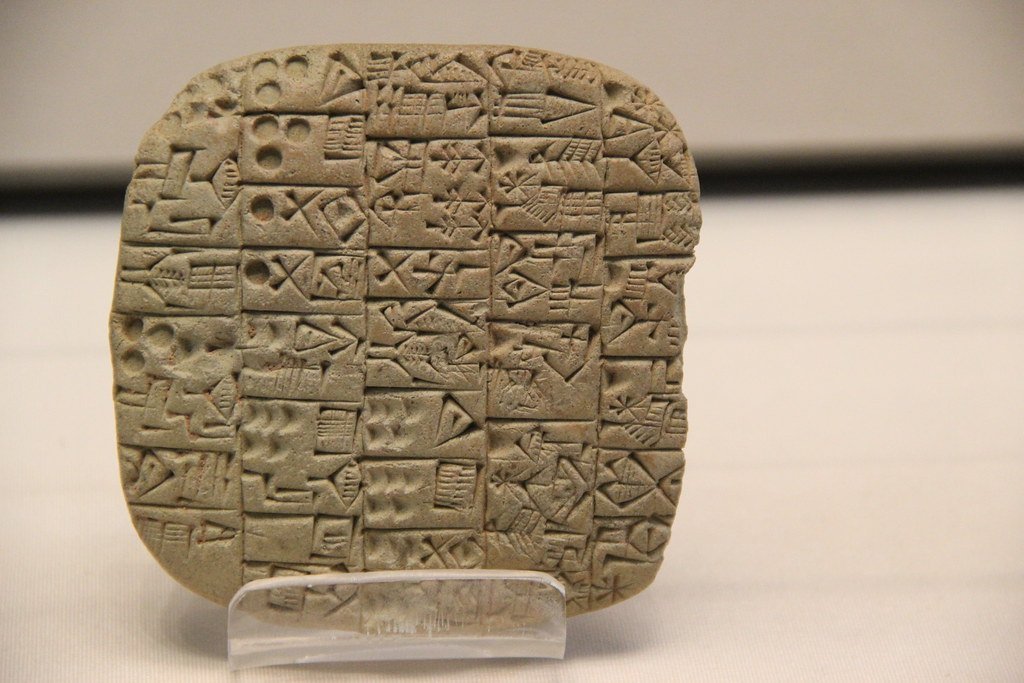
The Sumerian civilization flourished between roughly 4,500 and 1,900 BCE in an area situated between the Tigris and Euphrates rivers in what is known today as southern Iraq. The foundation of future Mesopotamian advances in scientific and technological progress was laid by the Sumerians, who first explored the practice of the scientific hypothesis, engaged in technological innovation, created the written word, developed mathematics, astronomy, and astrology, and even fashioned the concept of time itself.
Sumerian tablets date back as early as 3500 BCE and are among the oldest known written records, containing a wealth of information ranging from administrative and commercial records to literary and religious texts. The Sumerians’ creativity was driven to an extent by their land’s lack of natural resources. They had few trees, almost no stone or metal. That forced them to make ingenious use of materials such as clay for everything from bricks to pottery to tablets for writing.
What Is the “Tesla Tablet” Claim, Exactly?

The so-called “Tesla Tablet” is not a single, formally documented artifact with an agreed archaeological classification. The term circulates primarily in alternative history communities online, referring to various Sumerian and Mesopotamian carvings that some interpreters claim depict antennas, transmitters, or wireless energy devices. Claims such as these are often based on misinterpretations of symbolic art and cultural artifacts, and mainstream scholars attribute such depictions to religious and cosmological themes rather than advanced technology.
Ancient Sumerian contains numerous words with multiple meanings, and terms translated as referring to specific technological concepts might originally have described entirely different ideas, leading to significant risk of misinterpretation. The gap between what a carving actually depicts and what a modern viewer wishes it depicts can be very wide indeed.
The Cuneiform Script: How Ambiguous Is It Really?
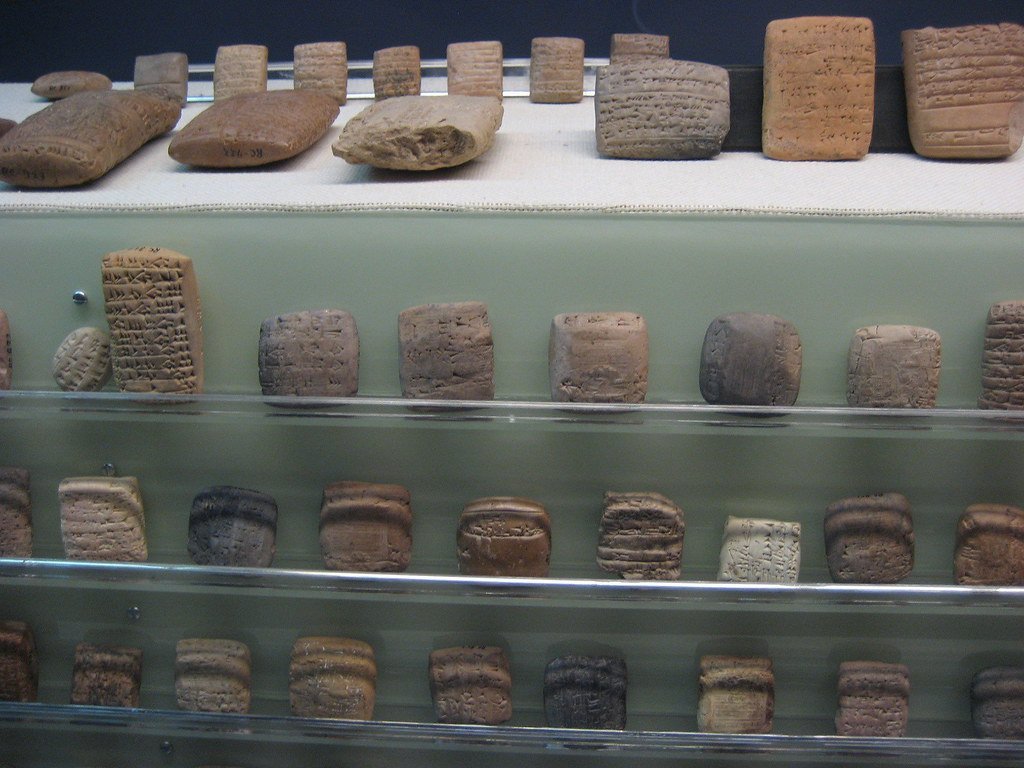
Early cuneiform, the script used to write Sumerian, leaves a great deal open to interpretation. As one University of Chicago Sumerologist put it, “because of the ambiguities of the cuneiform script, the devil is really in the details.” To translate Sumerian, one has to inhabit the mind of an ancient scholar, and though people stopped speaking Sumerian four millennia ago, it was still preserved as a written language for centuries after.
Although Sumerian clay tablets have been found in the thousands, not all of them have been translated yet. As scholars continue to translate these tablets, more light may be shed on the Sumerians, allowing a more complete picture of this ancient civilization to emerge. That incompleteness is genuinely exciting. It is also precisely the gap into which speculative claims tend to rush.
The Misreading Problem: Sitchin and the Pattern of Mistranslation
Scholars have traced the popular portrayal of Sumerian supernatural or technological knowledge back to Zecharia Sitchin’s Earth Chronicles book series, pointing out that Sitchin’s version of the Anunnaki appears nowhere in ancient Sumerian literature itself. Sitchin’s claim that the Sumerians had extensive knowledge of the solar system is incompatible with the system of cosmo-astronomy recorded by the Sumerians themselves, and the cuneiform texts never actually mention more than seven planetary bodies, counting the sun and moon.
Mainstream archaeologists and historians identify several fundamental problems with claims of advanced Sumerian astronomical or technological knowledge. The same interpretive flexibility that lets someone see a solar system in a cylinder seal also lets someone see a wireless antenna in a decorative religious carving. Neither reading has formal scholarly support.
Tesla’s Real Work: What He Actually Achieved

Nikola Tesla (1856–1943) was a Serbian-American engineer and one of the most brilliant inventors of his time, whose discoveries on how to utilize alternating current laid the foundation for the industrial revolution and today make up the majority of power distribution systems globally. Tesla had already proved that high-frequency signals could be transmitted without wired connections using his own Tesla coil transformers, and this led to what would become a lifelong obsession: the wireless transmission of energy, including a dream to create a viable method for transferring power currents around the globe by capturing the Earth’s natural energy.
Tesla had begun experimenting with high-frequency alternating currents as early as 1891, and on September 2, 1897, he filed a patent for a system of transmitting electrical energy through the natural medium, using the Earth’s surface and ionosphere as a conductor. His ideas were visionary, rooted in documented laboratory experiments, filed patents, and verifiable engineering history.
The Wardenclyffe Tower: Tesla’s Most Ambitious Project
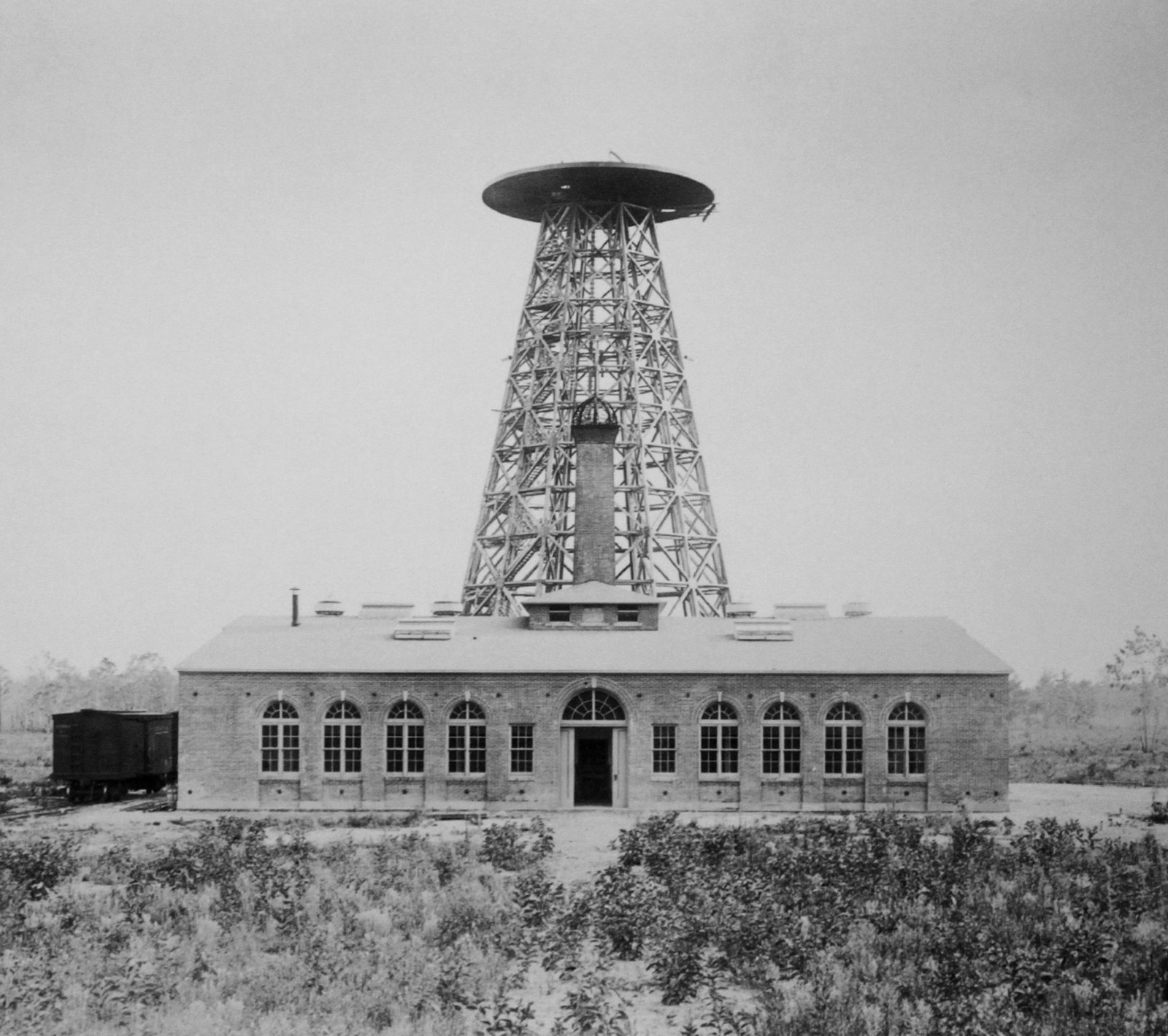
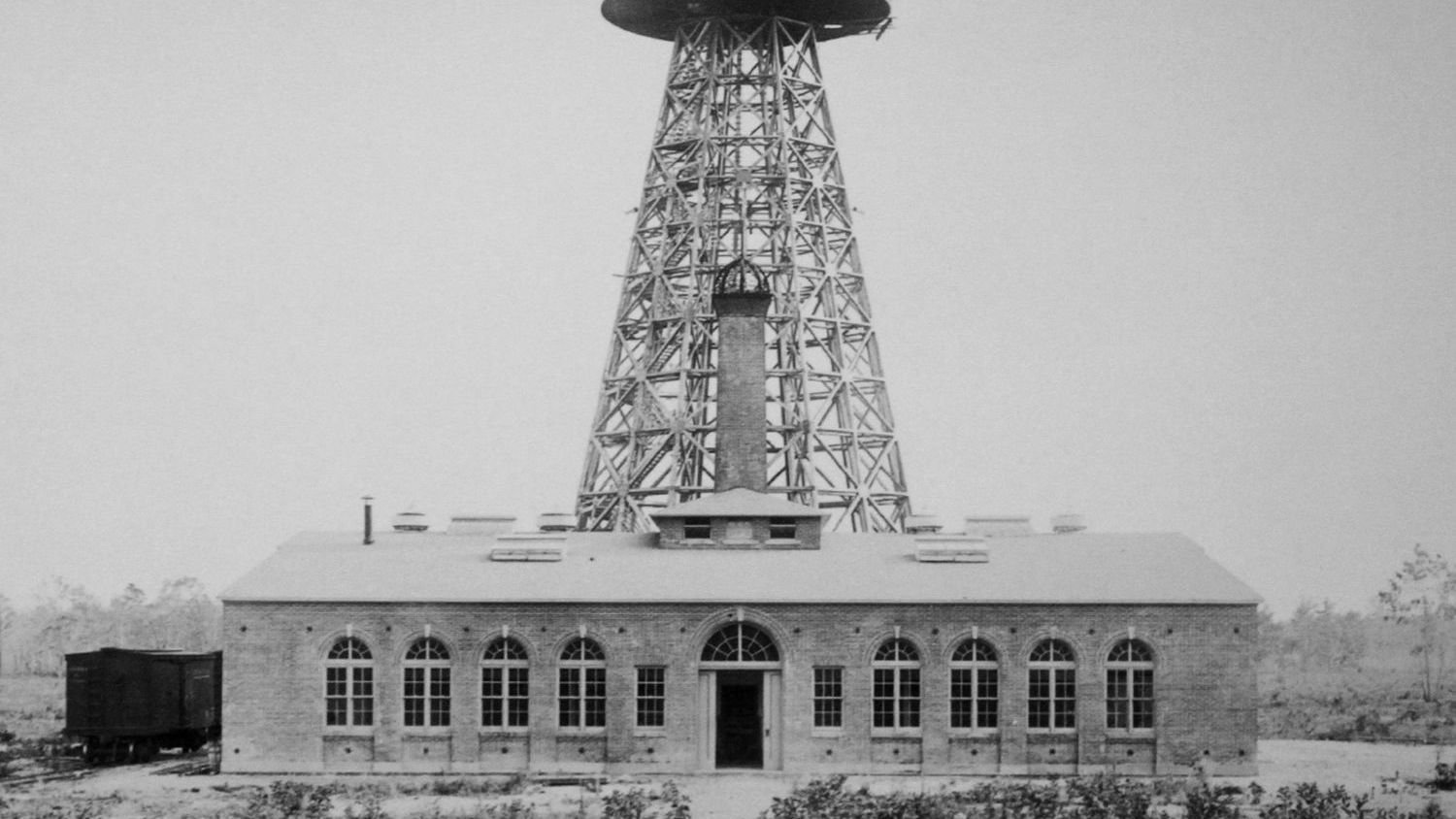
Wardenclyffe Tower (1901–1917), also known as the Tesla Tower, was an early experimental wireless transmission station designed and built by scientist Nikola Tesla on Long Island in 1901–1902, located in the village of Shoreham, New York. Designed by his close friend, architect Stanford White, the tower was intended to be a transmitter for wireless power and communication and stood about 187 feet tall, with a 68-foot metal dome and an extensive underground network of iron rods and copper plates.
Tesla’s decision to increase the scale of the facility and implement his ideas of wireless power transfer was met with refusal of additional funding by the project’s primary backer, financier J. P. Morgan. Additional investment could not be found, and the project was abandoned in 1906, never to become operational. The tower was demolished for scrap in 1917 and the property taken in foreclosure in 1922. A remarkable vision, abandoned not by conspiracy but by the straightforward reality of insufficient funding.
Did Tesla Draw Inspiration from Ancient Civilizations?
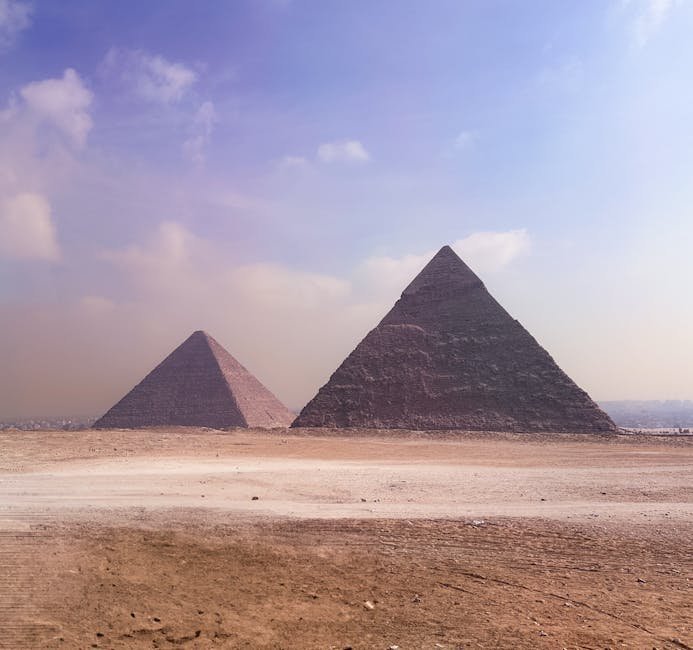
Nikola Tesla, a prominent electrical engineer and inventor of the early 20th century, dedicated a significant portion of his life to studying ancient monuments. Intrigued by their energy potential, Tesla delved into research exploring ancient artifacts, texts, and drawings. According to accounts, Tesla felt pyramids served a higher purpose than being giant stone sculptures. Throughout his life, he investigated them and wondered whether they might be giant transmitters of energy, a thought that coincided with his own investigation into how to send energy wirelessly.
The honest answer is that Tesla’s documented fascination was with Egyptian pyramids, not specifically Sumerian tablets. The Sumerian connection appears to have been added later by writers working in the alternative history tradition, layering Tesla’s well-documented interest in ancient geometry onto a separate body of artifacts entirely. While many of Tesla’s theories about ancient structures remain controversial and unproven, they are a testament to his unique and visionary perspective on the world around him.
What Mainstream Archaeology Actually Finds in Sumerian Records
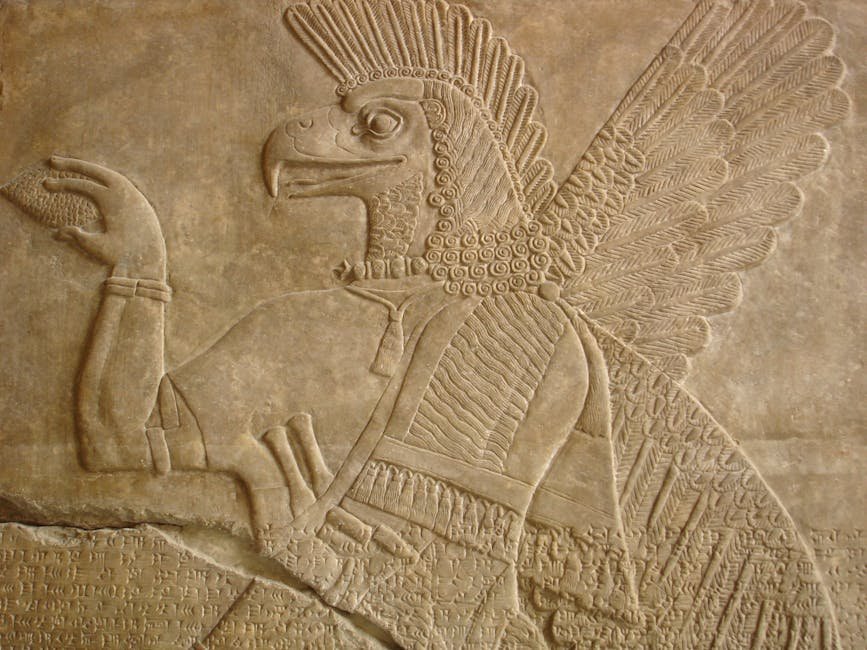
The history of energy in ancient Sumer reflects the profound relationship between human civilization and its environment in early Mesopotamia. Energy sources during these periods primarily included muscular power from humans and domesticated animals, supplemented by biomass, hydropower, solar energy, and, to some extent, wind energy. Agriculture was critical, as it provided sustenance and facilitated the growth of urban populations, leading to innovations like irrigation systems, while domesticated animals played a vital role in farming activities.
There is no archaeological evidence of electrical devices or energy transmission infrastructure in the Sumerian record. While ancient Sumerians achieved remarkable feats in construction, metallurgy, and engineering, there is no evidence of electrical devices or systems in their archaeological record. That statement comes from Egyptologists and Mesopotamian scholars reviewing the physical evidence, not from ideological resistance to new ideas.
Why the Claim Keeps Circulating: The Psychology of Ancient Tech Theories
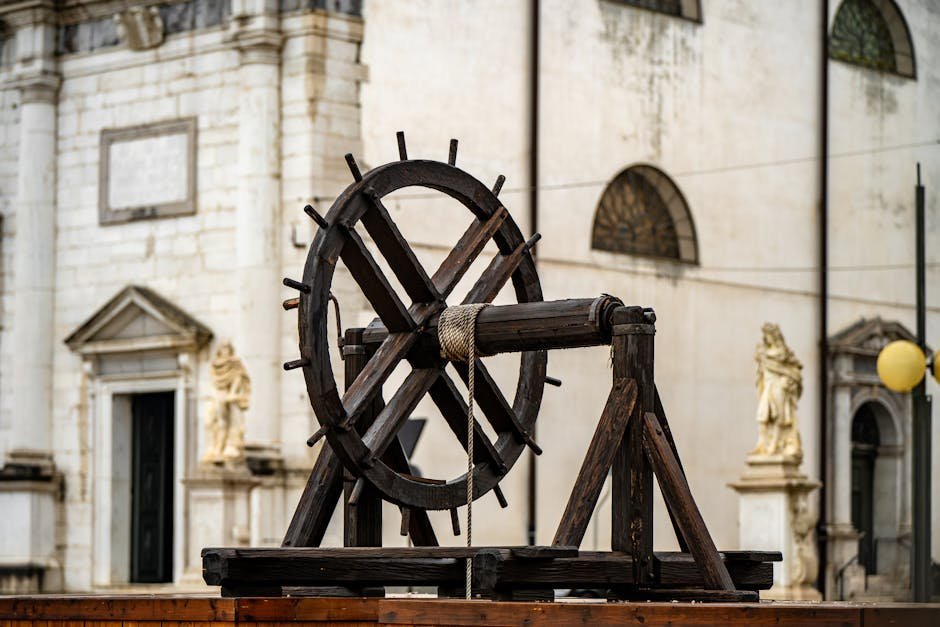
The question of ancient advanced knowledge remains an intriguing puzzle in archaeological research. While the Sumerians undoubtedly achieved remarkable sophistication in astronomy and mathematics, claims of advanced technological knowledge require extraordinary evidence that current archaeological consensus finds lacking. The ongoing debate illustrates the importance of maintaining both curiosity about human achievements and rigorous standards for evaluating extraordinary historical claims.
Part of the appeal is genuine. The allure of these theories underscores the mystery and ingenuity of ancient civilizations, but their true accomplishments were rooted in their mastery of available resources and symbolic expression. People are drawn to the idea that human genius is timeless, that it isn’t limited to the last two centuries. That impulse is not wrong. It just needs to be matched with careful reading of the actual sources.
Tesla’s Legacy and What Modern Science Has Actually Inherited

Tesla’s ideas on wireless power were visionary and ahead of their time. While the technology to fully realize his plan did not exist during his lifetime, many of his concepts have influenced modern wireless technologies, including Wi-Fi, wireless charging, long-distance communication, and even the cell phone. Despite his many revolutionary inventions and around 300 patents to his name, Tesla died poor and ultimately failed in his greatest pursuit: to develop a free system of clean, wireless, electric power.
His influence is real and traceable through documented patents, laboratory notes, and engineering history. Tesla’s work at Wardenclyffe helped lay the groundwork for the wireless technology we use today, from radio communication to wireless power transmission, areas where his vision has genuinely influenced how we live and work. That is a legacy worth celebrating without the need to attach it to unverifiable ancient claims.
Conclusion: The Line Between Wonder and Speculation
As archaeological techniques improve and new discoveries emerge, our understanding of ancient civilizations continues evolving through careful, evidence-based investigation. For those interested in exploring these questions, consulting peer-reviewed archaeological journals and university-based research provides the most reliable foundation for understanding both the genuine achievements and limitations of ancient civilizations.
The Sumerians were genuinely extraordinary. Unlike other cultures that slowly evolved from hunting and gathering, the Sumerians seemed to leap ahead remarkably quickly, building cities, creating laws, tracking stars, and inventing writing. That story is remarkable on its own terms, without adding wireless energy transmission to the list.
Tesla, meanwhile, was a real genius who filed real patents, built real towers, and left a real scientific legacy. Connecting him to ancient carvings through speculative reinterpretation doesn’t honor him. The actual history of both Tesla and the Sumerians is strange and impressive enough that it needs no mythology added on top.