

The Birth of America’s First Professional Spy Network
British forces occupied New York in August 1776, and the city remained a British stronghold and major naval base for the duration of the Revolutionary War. Getting information from New York on British troop movements and other plans was critical to General George Washington, yet there was simply no reliable intelligence network on the Patriot side.
That changed in 1778 when a young cavalry officer named Benjamin Tallmadge established a small group of trustworthy men and women from his hometown of Setauket, Long Island. Known as the Culper Spy Ring, Tallmadge’s homegrown network would become the most effective of any intelligence-gathering operation on either side during the Revolutionary War.
The Culper Ring was the most professional of Washington’s espionage networks, and though Tallmadge was its manager, Washington himself regularly tasked the agents with very specific instructions, including techniques to be used to conceal their espionage activities to protect themselves.
The Numerical Cipher: Encoding the Language of War
In addition to providing his agents with code names, Tallmadge devised a cipher system for their intelligence reports. Key words and terms were encoded as a three-digit number based upon their position in John Entick’s “The New Spelling Dictionary,” a popular work of the day.
Informants used fake names and a numerical code book consisting of 763 numbers representing words, names, and places to communicate their information. Developed by Tallmadge, the Culper Code Book was essential in protecting the vital communications and identities of this important intelligence-gathering group.
A system of three-digit numbers served as words or phrases to encrypt the ring’s information, in case the intelligence fell into the wrong hands. Instead of writing “New York,” members would write “727,” while Tallmadge was known as “721” and Washington was known as “711.” This substitution logic, where every sensitive identity and location receives a unique numerical stand-in, is structurally identical to what modern agencies call signals codebooks and alphanumeric identifier systems.
Invisible Ink: The “Sympathetic Stain” That Changed Espionage
The ring’s reports were also written with invisible ink that required a special chemical compound to be brushed over it to reveal the writing. Moreover, the reports were frequently embedded in letters addressed to notorious Tory sympathizers on Long Island as an additional step to prevent seizure by British troops.
The ink was called “the sympathetic stain.” Historians still don’t know exactly what it was, though they have a good idea of some of the ingredients. John Jay and his brother came up with the formula for this stain, and a sample of the agent and counteragent were sent to General Washington. This stain could be developed only by a very particular reagent, which meant only the people to whom they’d given the chemicals could ever develop a message.
Its methods, including numerical ciphers and invisible inks, prefigured formalized espionage traditions, underscoring intelligence’s role in offsetting numerical disadvantages through superior information flow. The fundamental concept of steganography, hiding a message inside an innocuous-looking object or document, remains an active element of tradecraft to this day.
Dead Drops: The Art of Passing Secrets Without Meeting

The Culper Ring represents the earliest well-documented, structured use of dead drops in Western intelligence history. This innovation addressed the era’s challenges of limited resources and pervasive counterespionage, establishing a precedent for compartmentalized, asynchronous exchanges that prioritized operational security over speed.
A dead drop, or “dead letter box,” is a method of espionage tradecraft used to pass items between two individuals using a secret location, and thus does not require them to meet directly. Using a dead drop permits a case officer and agent to exchange objects and information while maintaining operational security.
In today’s digital age, secure spy communication has evolved to include digital dead drops and disguised technology like flash drives. While the methods have advanced, the principles of secure spy communication remain rooted in the age-old practice of minimizing physical contact and avoiding detection. The Culper Ring did not invent secrecy, but it formalized how secrecy could scale across a network of everyday civilians.
Code Names and Compartmentalization: The Need-to-Know Principle
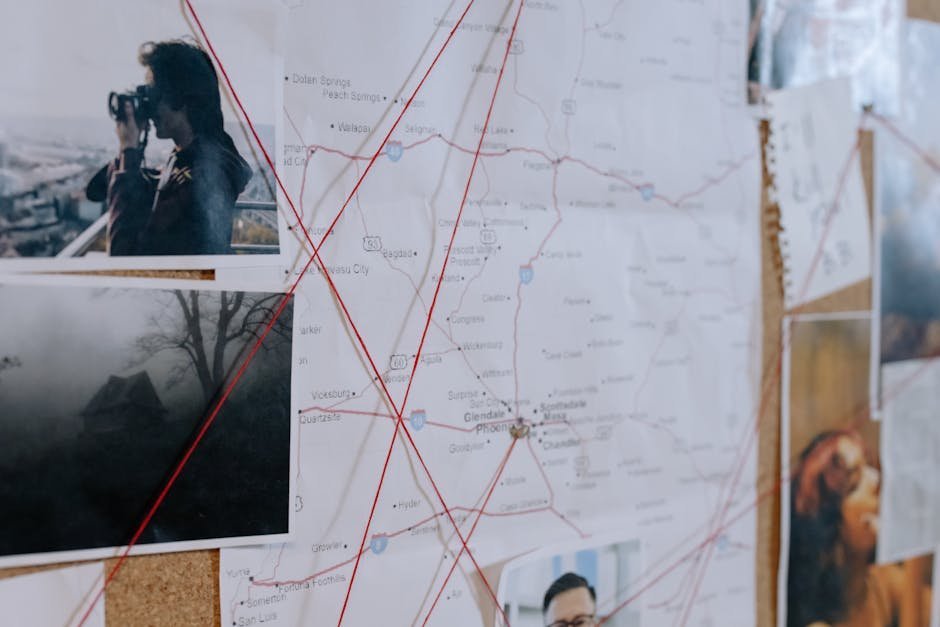
Washington, coded as Agent 711, sat at the apex of the network, relaying directives through Tallmadge (code 721, alias John Bolton) to the principal field coordinator Abraham Woodhull (Samuel Culper Sr., code 722), establishing a streamlined chain of command that minimized direct exposure while enabling oversight. Compartmentalization formed the core of the structure’s resilience, with agents possessing knowledge only of their immediate contacts to prevent cascade failures from captures or betrayals.
This network operated successfully in and around New York City for five years, during which time no spy was ever unmasked. Even Washington was ignorant of the spies’ identities. That is a remarkable operational record by any standard, and it was achieved not through superior technology but through strict information hygiene.
The use of aliases and code names was paramount for the Culper Ring’s operations, providing a layer of protection against discovery. Members adopted pseudonyms like “Samuel Culper Sr.” and “Samuel Culper Jr.” to conceal their true identities, shielding them from British detection while adding an element of mystique to their clandestine activities. The modern intelligence concept of “need-to-know” access is, at its core, this same discipline repackaged for the 21st century.
Cover Stories and Civilian Cover: The Original “Deep Cover” Operative
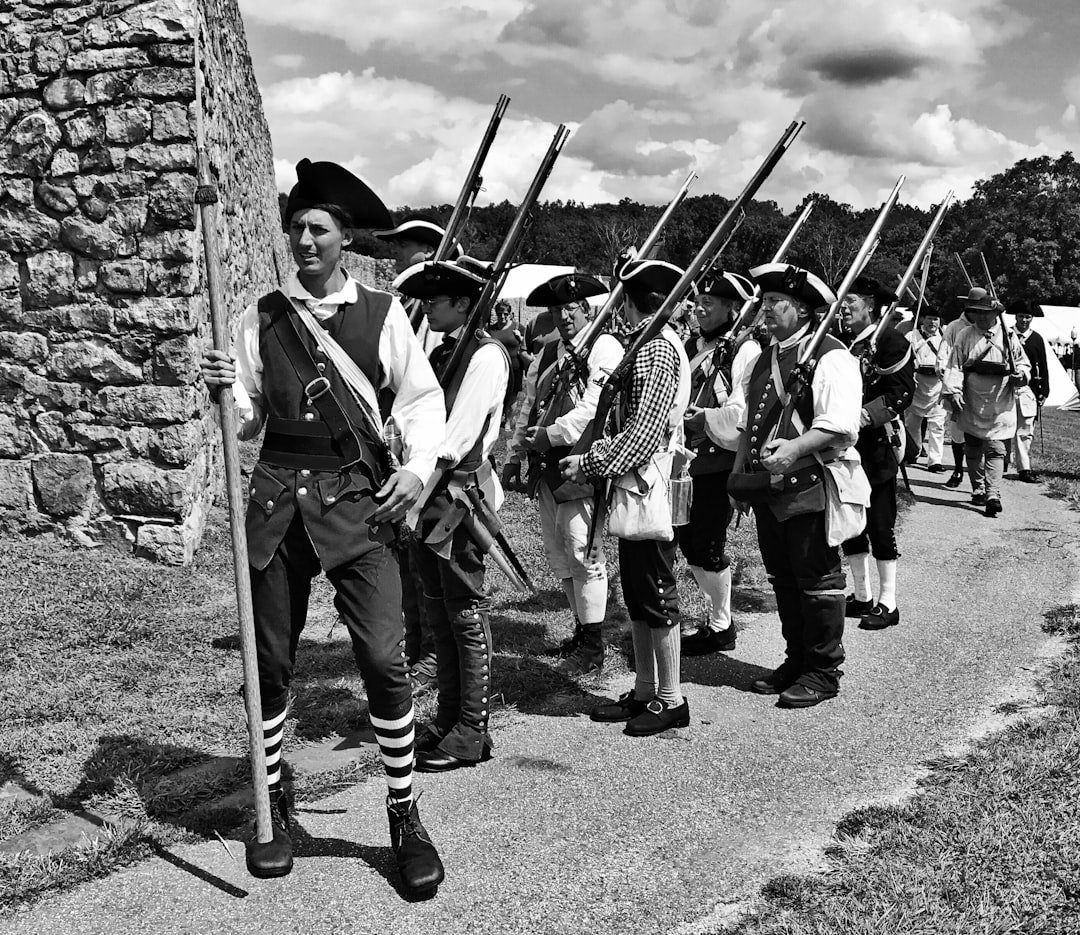
Most of the intelligence was gathered in New York City from Townsend’s tavern and dry-goods store or from Mulligan’s tailor shop, both of which were popular locations for British soldiers to gather. The agents weren’t pretending to be spies. They were merchants and farmers who actually were merchants and farmers.
The Culper Ring reports were conveyed by a chain of agents as they conducted their normal daily activities rather than on special or unusual trips. This is the precise logic behind what the CIA today calls “non-official cover,” where an operative’s day job is their genuine occupation, not a hastily constructed facade.
The undercover agents were merchants, tailors, farmers, and other extraordinary patriots with ordinary day jobs. Much as with modern-day operatives, the members of these networks kept at a distance from one another and maintained secret identities.
Signal Systems: Visual Codes in Plain Sight

Local tradition claims that Anna Strong helped pass along messages from the spy ring by posting prearranged signals to indicate when one of the spies was ready to submit intelligence. If she hung a black petticoat on her clothesline, it meant that Brewster had arrived in town in his whaleboat. She would also hang a quantity of white handkerchiefs to indicate which of the six hiding places he was in.
The historian Richard Welch writes that the tradition of the clothesline signal is unverifiable, but it is known that the British suspected a Setauket woman who fit Anna’s profile of Patriot activities. Whether legend or fact, the technique itself, using everyday objects to signal state changes between operatives, is a documented form of field tradecraft still described in intelligence literature.
The idea of communicating operational status through mundane, publicly visible objects without transmitting a single word or number is a concept that Cold War–era CIA and KGB handlers used routinely, from chalk marks on telephone poles to objects placed in apartment windows across Soviet-bloc cities.
Disinformation: Washington’s Other Weapon
Washington and Tallmadge implemented a series of tactics to gather intelligence, as well as confuse the New York Loyalist community. Washington encouraged members of the Spy Ring to spread disinformation, asking them to exaggerate his troops’ size and strength, including false military plans regarding troop movements and attacks.
General Washington’s use of deception, covert activities, secret inks, and informers was a model for future spymasters. Washington’s idea that with good intelligence a smaller force could defeat a larger one was a notion subsequently proven on the battlefield.
The deliberate seeding of false intelligence into enemy channels, sometimes called “active measures” in modern parlance, is among the most durable concepts from the Revolutionary era. It didn’t require firepower. It just required a credible lie placed in the right hands.
The Greatest Operational Achievement: Saving the French Alliance
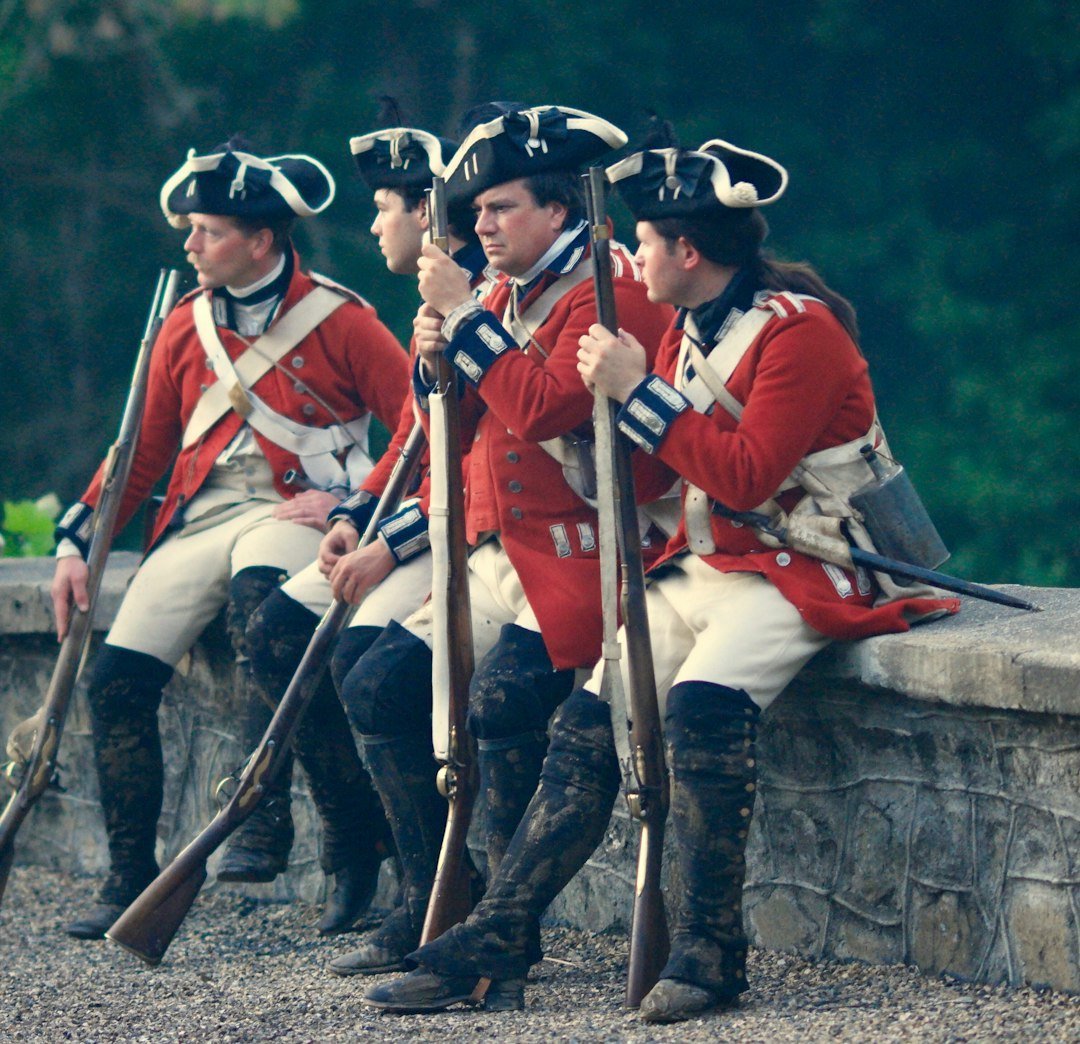
Perhaps the group’s greatest achievement came in 1780, when it uncovered British plans to ambush the newly arrived French army in Rhode Island. Without the spy ring’s warnings to Washington, the Franco-American alliance may well have been damaged or destroyed by this surprise attack.
The Culper Spy Ring has also been credited with uncovering information involving the treasonous correspondence between Benedict Arnold and John Andre, chief intelligence officer under General Henry Clinton, who were conspiring to give the British control over the army fort at West Point. Major Andre was captured and hanged as a spy in October 1780, on Washington’s orders.
These were not minor intelligence coups. They were strategic interventions that altered the war’s trajectory. One British commander after the war noted angrily that Britain had not been outfought but “outspied.”
The Living Legacy: From the Culper Ring to the Modern Intelligence Community
From royal couriers and informants in the Persian Empire carrying sensitive information across imperial networks, to the Culper Spy Ring’s use of invisible ink and dead drops during the American Revolutionary War, intelligence once solely moved through people. The digital age changed the medium, not the logic.
A recent article in “Studies in Intelligence,” the CIA-backed academic journal, argues that as AI degrades the reliability of digital communications like text messages and video calls, traditional human intelligence tradecraft – like dead drops, brush passes, and in-person meetings – could regain renewed importance. That is a striking full circle back to what Benjamin Tallmadge designed in 1778.
The success of the Culper Ring’s covert network paved the way for establishing more formal intelligence agencies in the years to come, including the modern-day Central Intelligence Agency. Their methods and approaches continue to influence the field of espionage, showcasing the enduring relevance of their tactics and strategies. In 2026, their fingerprints are still on the craft.
Conclusion: Old Codes, Enduring Principles

The Culper Ring operated without satellites, without encryption software, and without any institutional backing beyond the trust of George Washington. What they built in its place was something harder to replicate: a disciplined culture of secrecy, compartmentalization, and information control that became the template for every serious intelligence operation that followed.
Its methods, including numerical ciphers and invisible inks, prefigured formalized espionage traditions, underscoring intelligence’s role in offsetting numerical disadvantages through superior information flow. Scholars regard it as the progenitor of American spycraft, influencing institutional emphases on human intelligence and operational security in underdog conflicts.
Tradecraft doesn’t become obsolete. It adapts. The codes change. The drop sites move from hollowed trees to encrypted servers. Yet the underlying logic, that secrets are best kept by limiting who knows them and how they travel, has not changed since a Long Island farmer named Abraham Woodhull first put invisible ink to paper in 1778.