

A Colony on the Brink: Virginia in 1676
Who Was Nathaniel Bacon?
The “Giddy Multitude”: A Cross-Racial Alliance
Burning Jamestown to the Ground
The Last Stand: 80 Black Men and 20 Englishmen
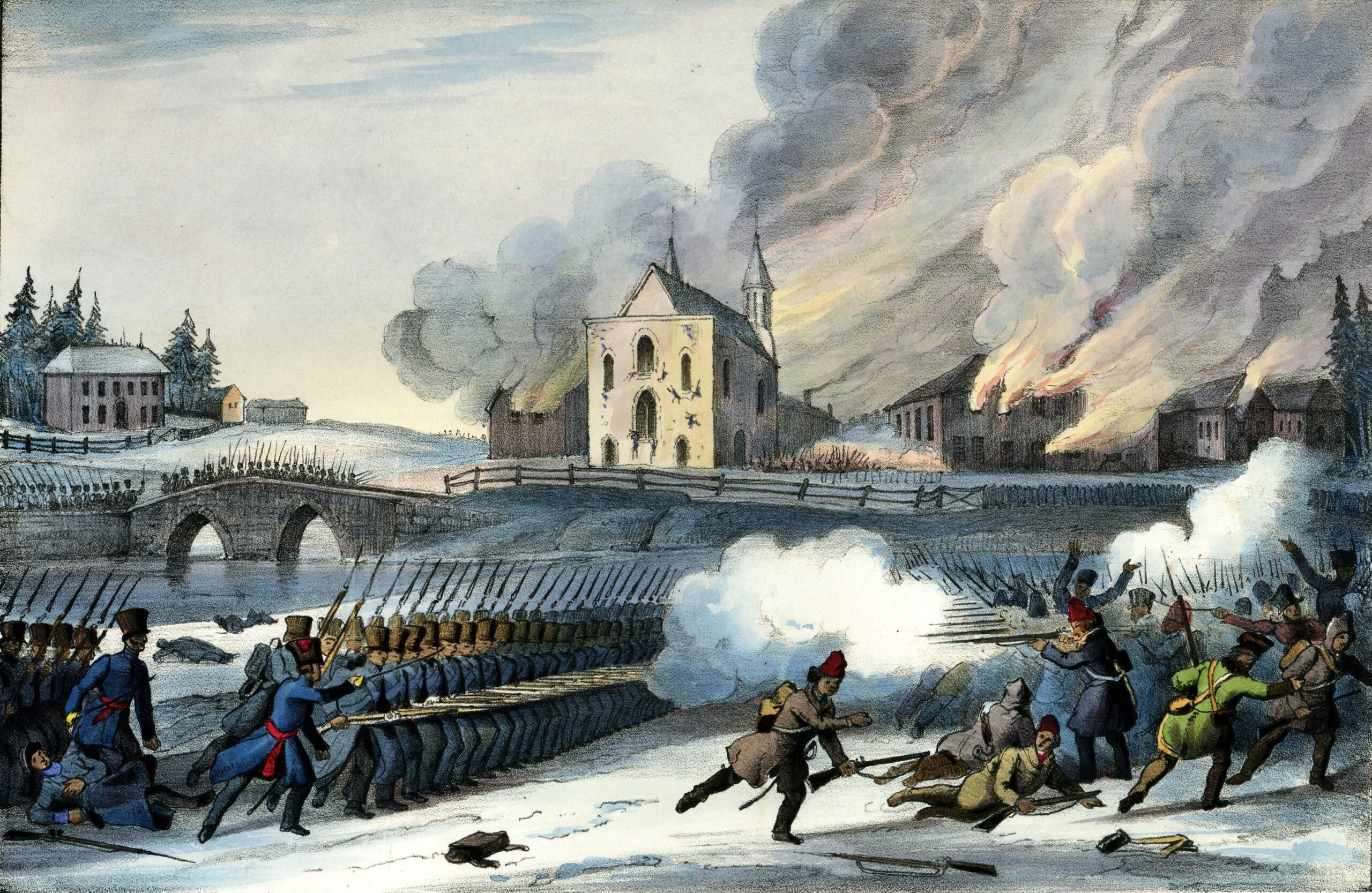
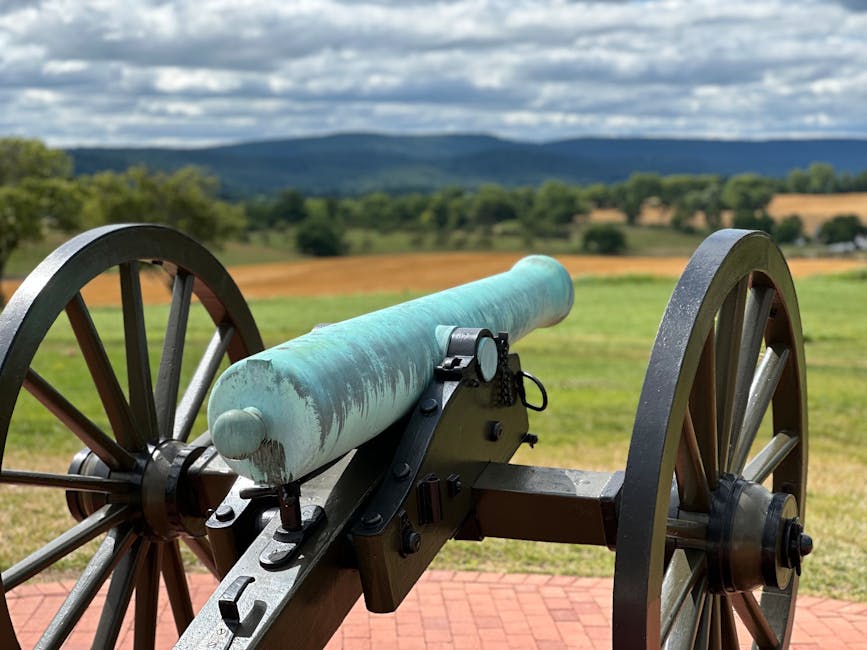
British Royal Navy Captain Thomas Grantham, commander of the thirty-three-gun warship, the Concord, confronted the remaining 400 rebels, including indentured servants, freemen, and slaves, at their makeshift fortification called West Point. Grantham persuaded most of the men to disarm and surrender, but 80 enslaved men and 20 Englishmen resisted.
This detail is often overlooked in popular retellings. Even when Bacon died, they persisted in their rebellion, forcing English ships to threaten them with bombardment before their final surrender. The last group of one hundred rebel holdouts consisted of eighty Black people and twenty English. They held on longest, because they had the most to lose by surrendering.
Fear as a Blueprint: The Elite’s Response

The alliance between European indentured servants and Africans, a mix of indentured, enslaved, and Free Negroes, disturbed the colonial upper class. They responded by hardening the racial caste of slavery in an attempt to divide the two races from subsequent united uprisings, with the passage of the Virginia Slave Codes of 1705.
After witnessing a rare alliance between poor whites and Black laborers, colonial leaders made a pivotal choice: they hardened racial laws and promoted whiteness as a tool of division. This decision was not just about economics; it was a calculated political move to prevent future cross-racial rebellions by driving a wedge between poor whites and people of African descent. In doing so, they laid the foundation for race-based slavery and a deeply unequal society.
Inventing “Whiteness” as a Legal Category
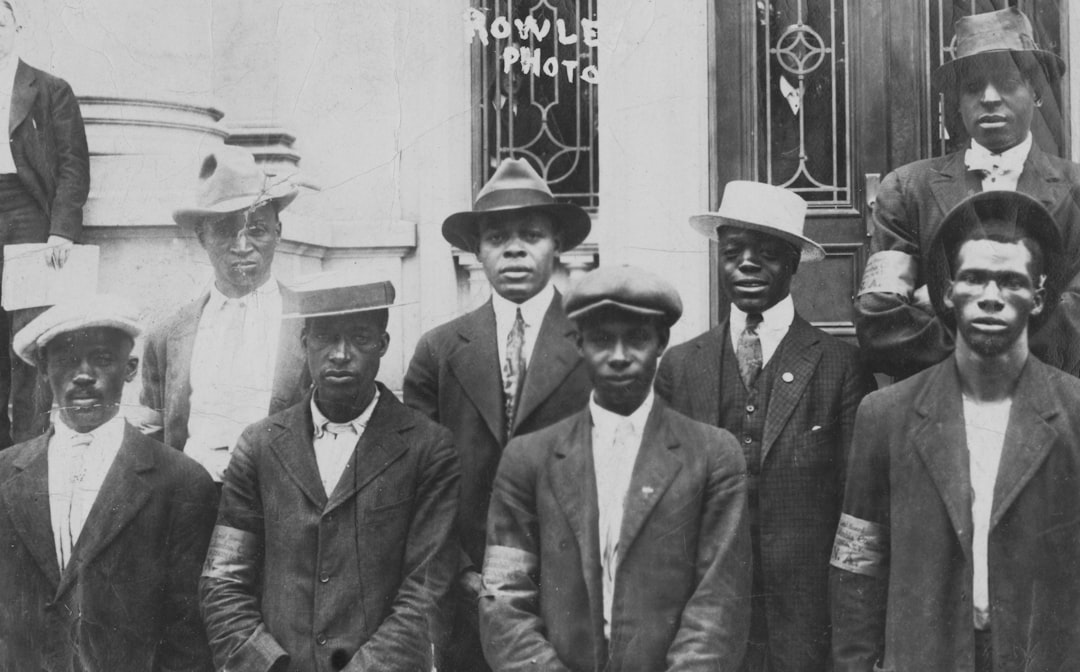
After Bacon’s Rebellion, Virginia’s lawmakers began to make legal distinctions between “white” and “black” inhabitants. By permanently enslaving Virginians of African descent and giving poor white indentured servants and farmers some new rights and status, they hoped to separate the two groups and make it less likely that they would unite again in rebellion.
According to the Oxford English Dictionary, the first appearance in print of the adjective “white” in reference to “a white man, a person of a race distinguished by a light complexion” was in 1671. Colonial charters and other official documents written in the 1600s and early 1700s rarely refer to European colonists as white. The word itself was new. The identity it described was even newer.
The Virginia Slave Codes of 1705: Race Written Into Law
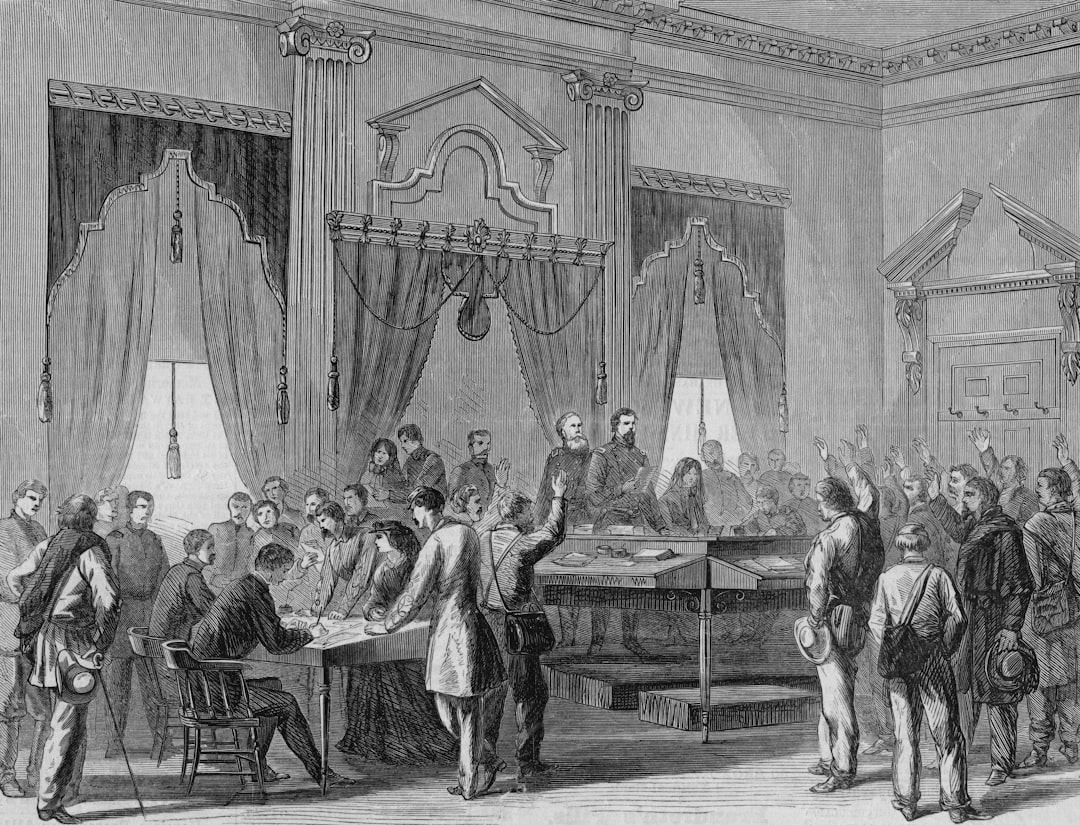
The Virginia Slave Codes of 1705, formally entitled “An act concerning Servants and Slaves,” were a series of laws enacted by the Colony of Virginia’s House of Burgesses in 1705 regulating the interactions between slaves and citizens of the crown colony of Virginia. The enactment of the Slave Codes is considered to be the consolidation of slavery in Virginia, and served as the foundation of Virginia’s slave legislation.
The piecemeal establishment of slavery in separate laws culminated in 1705 in a comprehensive slave code in Virginia. This code reenacted and strengthened a number of earlier slave laws, added further restrictions and harsher punishments, and permanently drew the color line that placed blacks at the bottom of Virginia society. Whites were prohibited from trading with, having sexual relations with, or marrying blacks. Blacks were forbidden to own Christian servants, leave their home plantation without a pass, own a gun or other weapon, or resist whites in any way.
The Slave Population Surge: Numbers Tell the Story
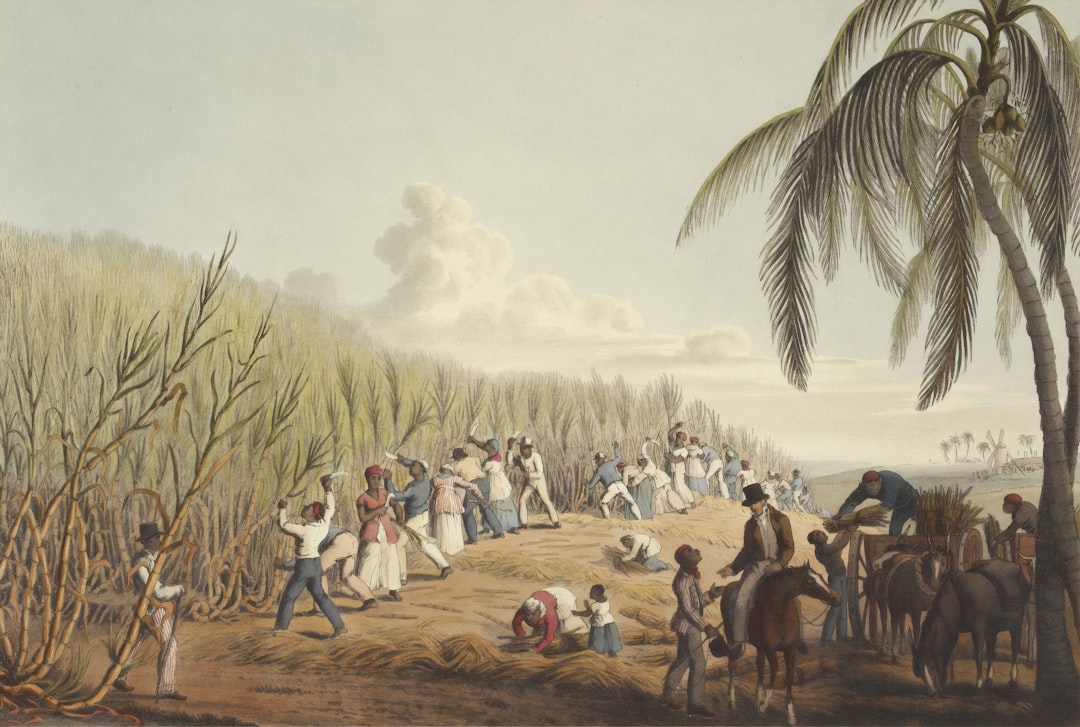
Slavery was codified into law, and the number of enslaved persons increased from three hundred in 1650 to thirteen thousand in 1700. That is a staggering transformation within a single generation. By 1700, the slave population had soared, British immigration had slowed, and many poor whites had either become better established or had departed the colony. At the turn of the century, white Virginians were increasingly united by white populism, or the binding together of rich and poor whites through their sense of what they considered their common racial virtue and their common opposition to the interests of Indians and enslaved Africans.
Whereas Africans were only around two percent of the total population of Virginia in 1648, they were fifteen percent by 1708. The demographic shift both reflected and accelerated the legal one.
Edmund Morgan’s Thesis: Freedom and Slavery Born Together
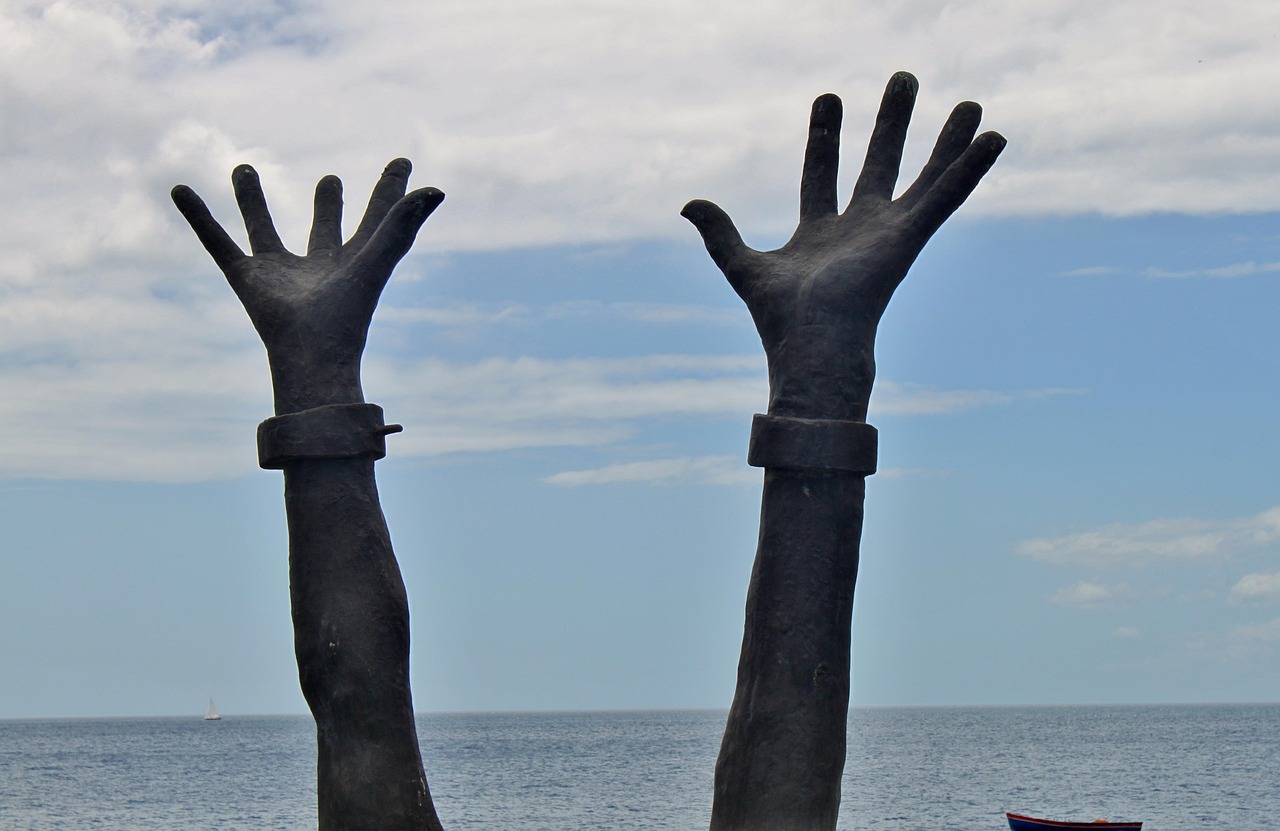
Edmund S. Morgan’s 1975 classic, “American Slavery, American Freedom: The Ordeal of Colonial Virginia,” connected the calamity of Bacon’s Rebellion, namely the potential for lower-class revolt, with the colony’s transition over to slavery, arguing that “resentment of an alien race might be more powerful than resentment of an upper class. Virginians did not immediately grasp it. It would sink in as time went on.”
What is interesting is that we normally say that slavery and freedom are opposite things, that they are diametrically opposed. But what we see in Virginia in the late seventeenth century, around Bacon’s Rebellion, is that freedom and slavery are created at the same moment. The expansion of rights for poor white colonists and the entrenchment of slavery for Black Virginians were not two separate stories. They were one story told from two angles.
The Ripple That Never Stopped

The rebellion is significant in that it was the first to unite black and white indentured servants with black slaves against the colonial government, and, in response, the government established policies to ensure nothing like it would happen again. New legislation resulted in the dissolution of the indentured servant policy, an increase in the slave trade, the encouragement of the ideology of white supremacy, and further loss of land and rights for Native Americans.
In the coming decades, and despite variations from state to state, the Virginia system of Black slavery spread throughout the South, creating a rigid division based on skin color. In this way, Bacon’s Rebellion was the catalyst for the creation of “race” in the United States.
The rebellion itself failed. The ideas it accidentally generated did not. A single terrified planter class, scrambling to prevent the poor from ever uniting again, drew a line in the law that America is still trying to erase, nearly 350 years later. That line was not ancient. It had an address, a date, and a motive. Understanding that might be the most important thing about it.