


A Land Nobody Quite Owned

In April 1784, the United States Congress was heavily in debt at the close of the American War for Independence, and the state of North Carolina voted to give Congress roughly 29 million acres lying between the Allegheny Mountains and the Mississippi River to help offset its war debts. The western settlers living on that land were essentially being handed over like a parcel of property. The settlers in this area had formed their own independent government from 1772 to 1777 and were concerned that Congress would sell the territory to Spain or France as a means of paying off the government’s war debt.
Foremost among the grievances was the distance that separated settlers from the state capital, which aside from the obvious inconveniences also made timely responses to Indian attacks nearly impossible. Equally important, Franklinites correctly perceived that North Carolina legislators by and large held western inhabitants in clear contempt. It was a predictable tipping point.
The Declaration at Jonesborough
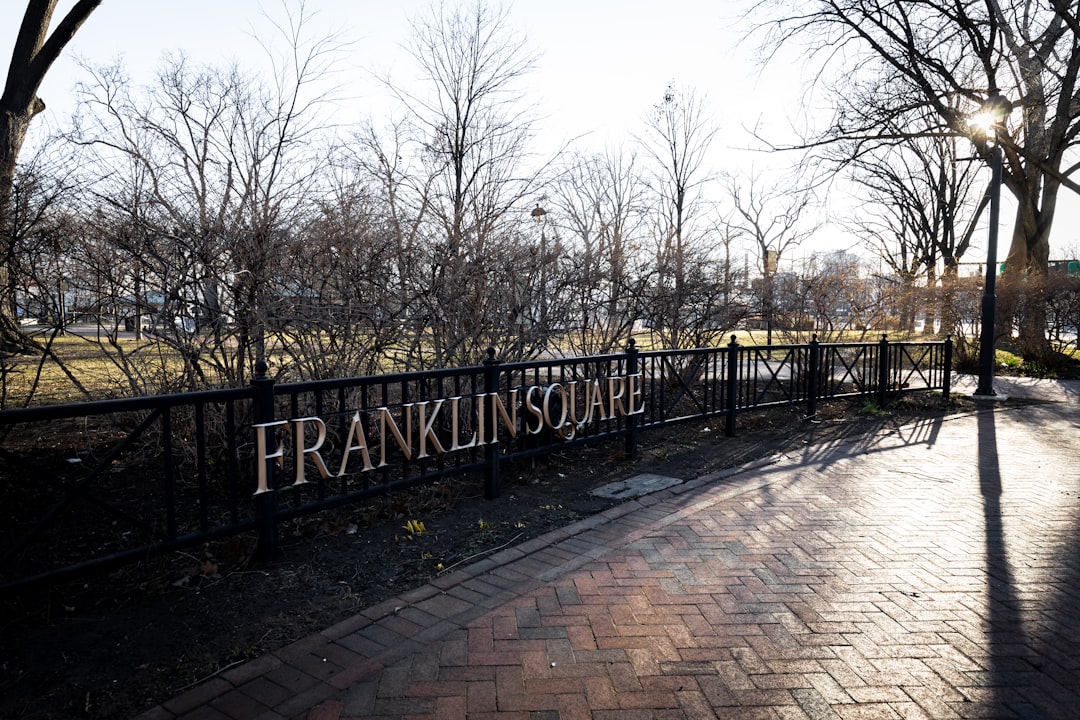
On August 23, 1784, about 50 frontier leaders met in Jonesborough and signed a document declaring themselves independent from North Carolina. Within months they had formed a loose government that had set up a court system and a militia, presided over by John Sevier, who had been one of the heroes of the Battle of Kings Mountain four years earlier.
A second convention in December adopted a provisional constitution for the “State of Franklin” and prefaced it with a declaration of independence from North Carolina. Because of slow communications, the December convention was unaware that in November the North Carolina legislature had already rescinded the April Cession Act. So the new state was officially born in a cloud of misinformation, pushing forward on the assumption of a freedom that had technically been revoked.
Frankland Before It Was Franklin

Revolutionary War hero John Sevier headed the loosely organized government of the territory initially dubbed “Frankland.” In the spring of 1785, the new territory applied to the U.S. Congress for statehood. The name change came soon after, and it was a calculated political move. In an attempt to win over a powerful ally, Frankland changed its name to “Franklin” in honor of the popular Founding Father. John Sevier even wrote a letter to Benjamin Franklin seeking his support, but Franklin declined to get involved.
Although the Franklin territory received the backing of seven states, it failed to reach the two-thirds majority necessary for statehood. The name change had been a gamble, and it didn’t pay off.
A Constitution Forged on the Frontier
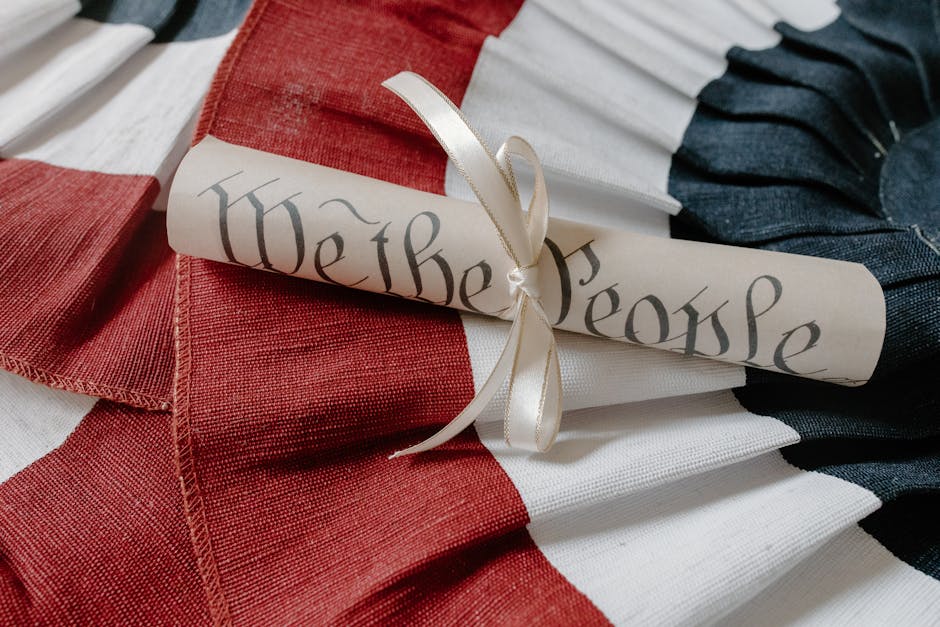
The provisional constitution from December 1784 was modeled after North Carolina’s state constitution. While mostly the same, it lowered the land and wealth requirements for both voters and office holders. A rival constitutional proposal, however, was far more radical. Delegates put forward the Houston Constitution that called for a unicameral legislature, guarantees of religious freedom, and a requirement that routine legislation be submitted to the citizens for debate and approval. Adult males were granted the right to vote without property qualifications, yet they were subject to specific moral restrictions, and lawyers, ministers, and doctors were excluded from public office.
Many features of the Houston Constitution were not unique, but as a whole, the document represented a radical approach to self-government. Ensuing debate created ominous divisions among the Franklinites, and the document was ultimately rejected. In its place, a constitution modeled largely on that of North Carolina was adopted. The more conservative choice would define Franklin’s short political life.
No Coins, No Notes: The Forbidden Currency

Franklin never established its own paper or coin currency, using a barter system instead. People traded tobacco, corn, brandy, and animal skins for other goods and services. This was not simply an informal arrangement; it was codified into law. Barter became the economic system de jure, with anything in common use among the people allowed in payment to settle debts, including corn, cotton, tobacco, apple brandy, and skins.
The currency situation was chaotic: Spanish and Portuguese gold coins, paper money issued by the various states and the federal government, and leftover British pounds and shillings all circulated. All citizens were granted a two-year reprieve on paying taxes, but the lack of hard currency and economic infrastructure slowed development and often created confusion. A sovereign state that could not control its own money supply was always going to struggle to survive.
Growing Population, Shrinking Authority
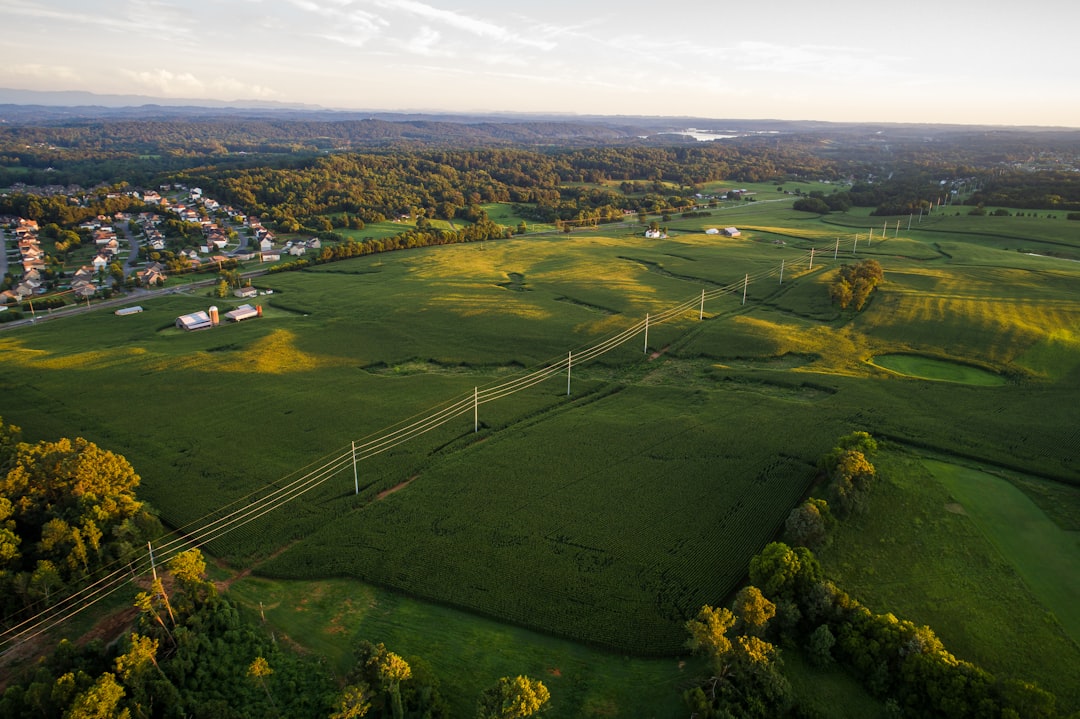
In the latter part of 1785 and the first part of 1786, an estimated 10,000 families migrated from North Carolina and Virginia into the State of Franklin. The land was filling up fast. The most extreme example of this growth was White’s Fort, a community started in early 1786 which, by the end of its first year of existence, had more than 2,000 people living there. Later this community became known as Knoxville.
Franklin, still at odds with North Carolina over taxation, protection, and other issues, began operating as a de facto independent republic after the failed statehood attempt. Despite the population surge, its authority remained fragile and contested at every level.
Two Governments, One Territory

After the summer of 1787, the government of Franklin, which was by then based in Greeneville, ruled as a “parallel government” running alongside, but not harmoniously with, a re-established North Carolina bureaucracy. Two sets of courts, two sets of officials, and two competing loyalties defined daily life for ordinary settlers. County courts created under the authority of the new state clashed, sometimes violently, with those that continued to function under North Carolina authority.
Evan Shelby, who was appointed brigadier general of the Washington district, was a friend of Sevier, and in the spring of 1787 the two men reached an agreement that granted settlers the choice of paying their taxes to North Carolina or to the State of Franklin. That arrangement was about as stable as it sounds.
The Battle That Ended the Dream
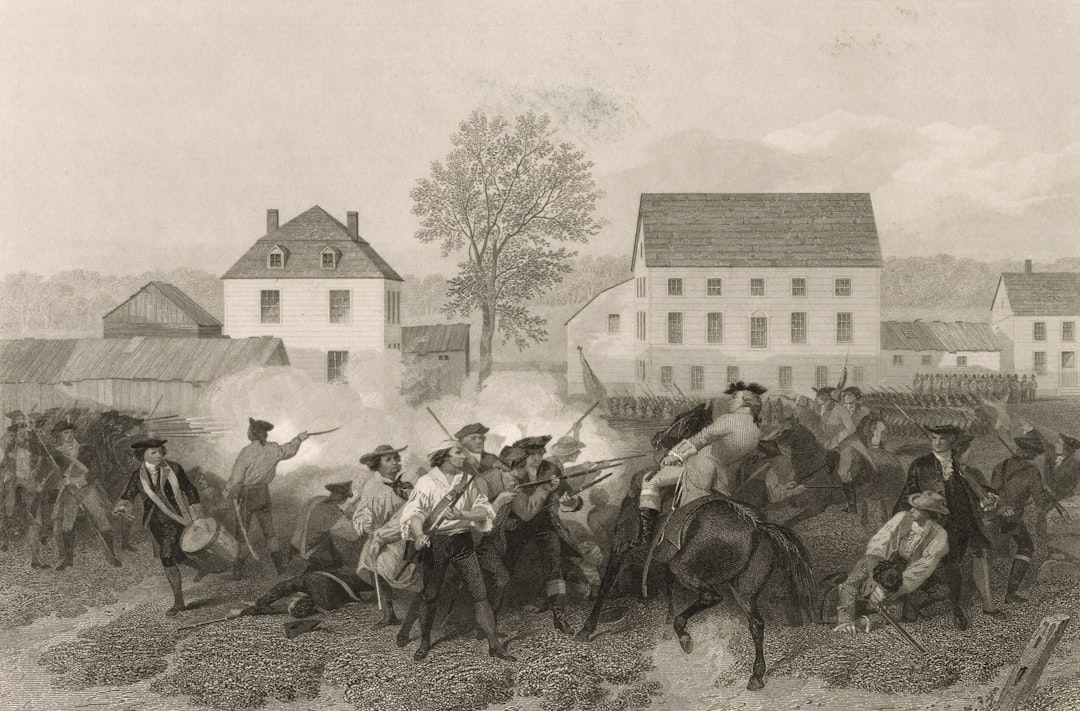
When Tipton persuaded a North Carolina county sheriff to seize some of Sevier’s property for back taxes, the Governor of Franklin responded by leading a small army to Tipton’s home in February 1788. During a heavy snowstorm in the early morning of February 29, Colonel George Maxwell arrived with a force equivalent to Sevier’s to reinforce Tipton. After ten minutes of skirmishing, Sevier and his force withdrew to Jonesborough. A number of men were captured or wounded on both sides, and three men were killed.
The resulting “Battle of Franklin” ended with three deaths, a number of injuries, and Sevier’s retreat. It was a minor engagement by any military standard, but it effectively marked the moment when Franklin’s ambitions met the hard edge of political reality.
The Spanish Gamble
Franklin’s weak economy forced its governor, John Sevier, to approach the Spanish for aid. North Carolina, terrified of having a Spanish client state on its border, arrested Sevier. With help from James White, who was later found to be a paid agent of Spain, Sevier attempted to place Franklin under Spanish rule.
Opposed to any foreign nation gaining a foothold in Franklin, North Carolina officials arrested Sevier in August 1788. Sevier’s supporters quickly freed him from the local jail and retreated to “Lesser Franklin.” It was the final act of a state that had been slowly running out of options. Confronted by Native American resistance and the opposition of the North Carolina government, the state of Franklin incited a firestorm of partisan and Indian violence. Despite a brief diplomatic flirtation with Spain during the state’s final days, the state was never able to recover from the warfare, and Franklin collapsed in 1788.
The Legacy That Outlasted the State
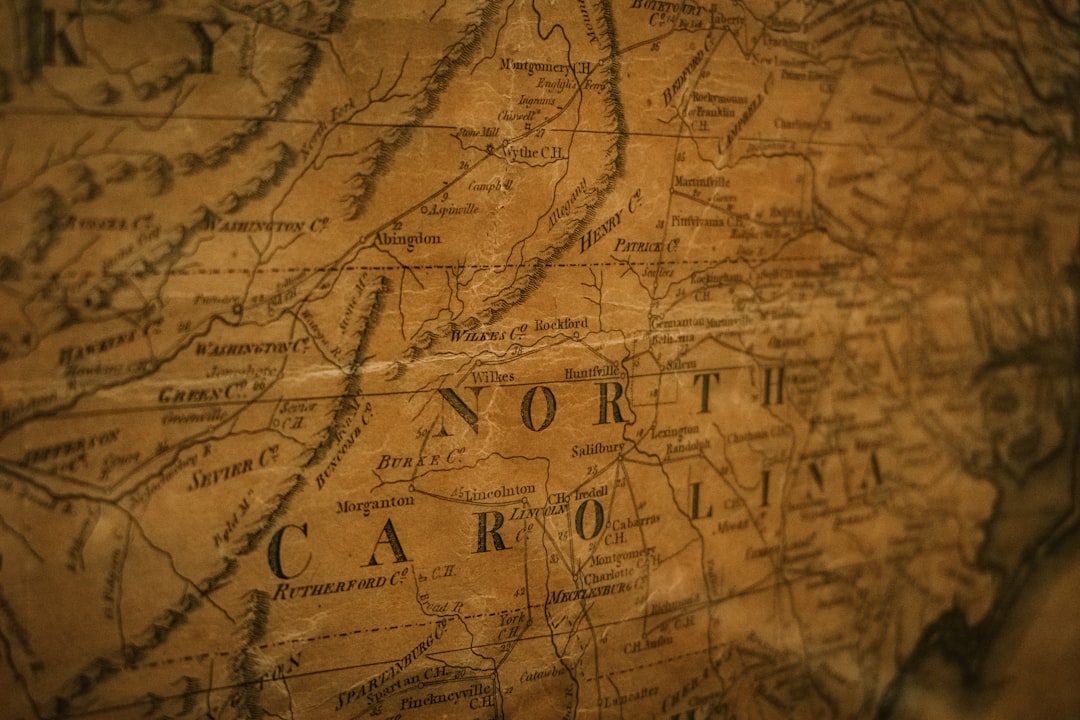
In February 1789, Sevier and other Franklin leaders took the oath of allegiance to North Carolina. The way was now clear for the North Carolina legislature to cede its western lands to the federal government. The land that comprised Franklin would become the northeast section of Tennessee, which was admitted into the Union in 1796. John Sevier also landed on his feet, becoming brigadier general of the Southwest Territory and later the first governor of Tennessee.
The “lost” State of Franklin is as entangled in historiographical controversy in the twenty-first century as it was in land speculation, Indian affairs, and political intrigue during its four-year history. It remains a subject of debate whether it originated as a western democratic movement, as a land speculators’ conspiracy, or as a separatist movement led by westerners who resented subordination of their interests to those of eastern North Carolina. East Tennesseans now regard the lost state of Franklin as a symbol of rugged individualism and regional exceptionalism, but outside the region the movement has been largely forgotten.
What Franklin Really Tells Us

The obscure history of this “lost state” serves as a good reminder that the ultimate shape of the United States was never pre-destined. The tidy number of fifty states was never inevitable. Victory in the Revolutionary War didn’t even guarantee the success of the new nation. Franklin existed in the gap between what people hoped the new republic would be and what it was actually capable of delivering.
The story of Franklin highlights how uncertain the early Union was and the rocky relationship between the original 13 Atlantic states and the West. A state that couldn’t mint its own money, couldn’t get Congress to recognize it, and eventually had to beg a foreign monarchy for survival was never going to last. Still, it lasted long enough to matter. The settlers of Franklin didn’t just complain about being ignored; they built courts, wrote constitutions, negotiated treaties, and fought for something they believed in. That impulse, messy and ultimately unsuccessful as it was, left its mark on the mountains of East Tennessee, and on the broader story of how the United States became what it is today.