
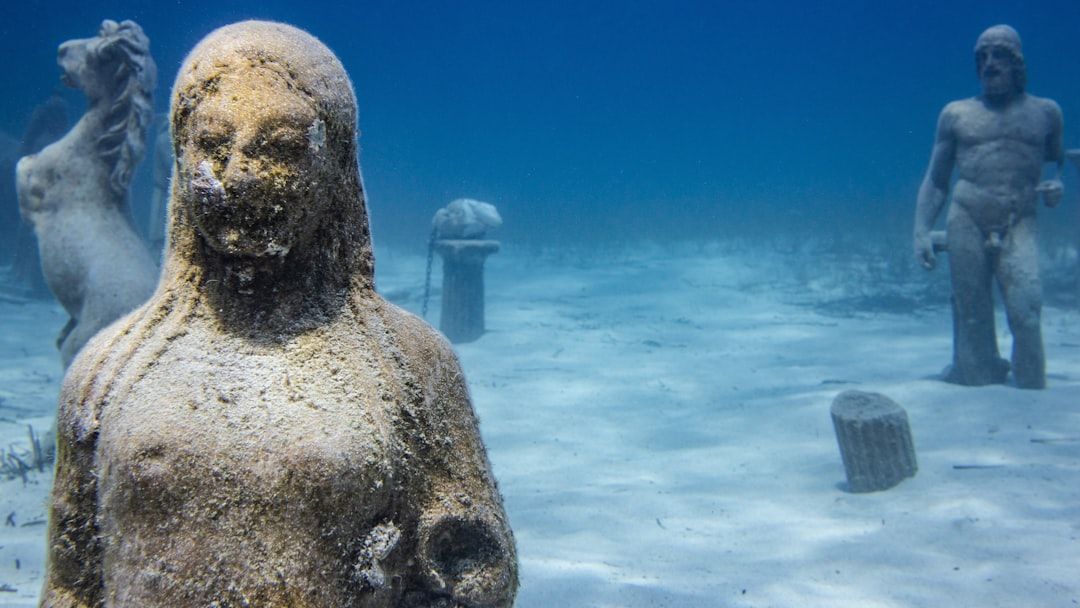

The Mediterranean Sea has always held secrets. Beneath its warm, blue-green surface lies an enormous record of human civilization, much of it still sealed in sediment, waiting. What archaeologists have been piecing together over recent decades reads less like a single discovery and more like a layered archive: ancient glass, sunken cities, Bronze Age trade routes, and settlements so old they predate not just the pyramids, but writing itself.
The phrase “Glass Library” is a fitting way to describe what this body of evidence collectively represents. Shipwrecks loaded with raw glass. Submerged villages with ceremonial stone arrangements. Cargo that connected cultures thousands of miles apart. Taken together, these finds offer a window into a world far more organized, connected, and sophisticated than most people imagine prehistoric Mediterranean life to have been.
Atlit Yam: The Sunken Village That Time Forgot
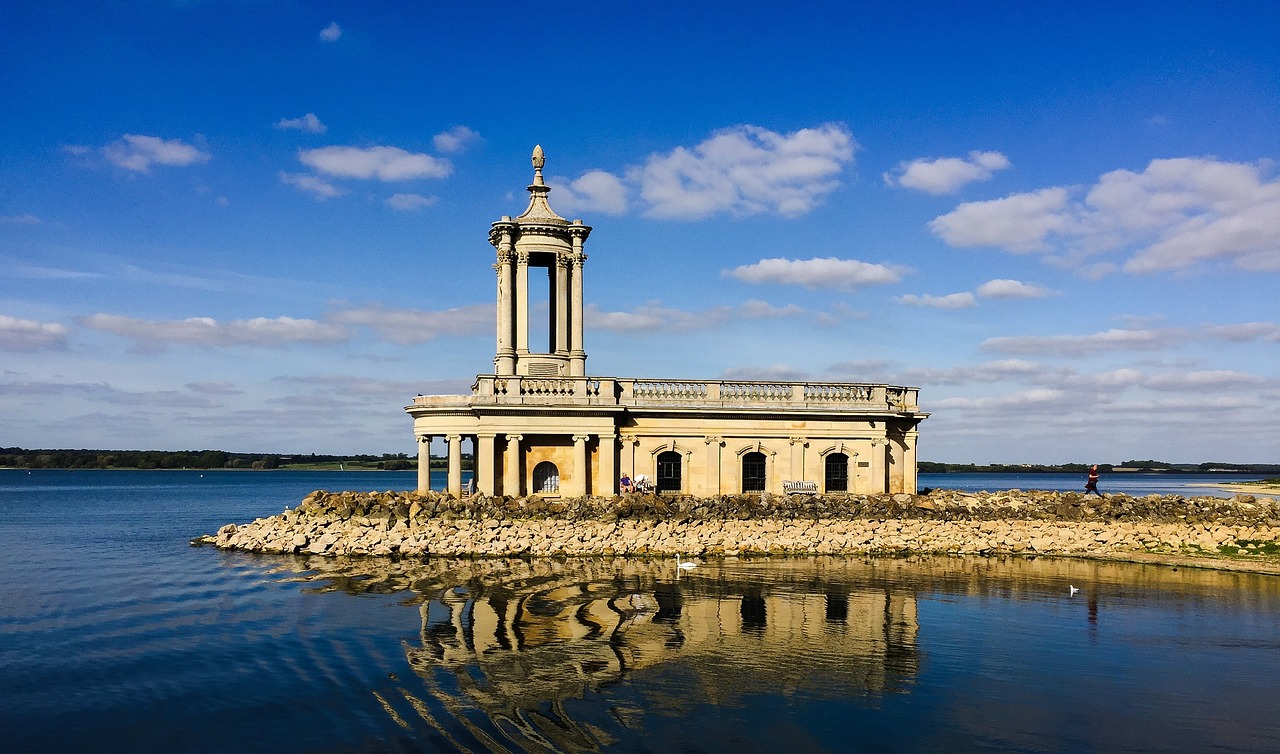
There is a sunken structure older than the pyramids resting beneath the sea off Israel’s coast, part of a roughly 9,000-year-old village known as Atlit Yam. Submerged in shallow water just a few hundred meters from the shoreline, Atlit Yam remained hidden for thousands of years. Atlit Yam is not just older than the pyramids. It is older than writing, wheels, and metallurgy. Yet it shows signs of sophisticated planning, water management, and even ceremonial architecture.
Near the center of Atlit Yam, archaeologists uncovered a semicircle of seven massive stones, each one standing upright around what was once a spring. They are not scattered or toppled. They were placed with care, each upright block locked into position nearly 9,000 years ago. Some of them weigh several tons. Yet they were moved, raised, and aligned by hand, without the help of wheels or metal tools.
A Catastrophic End: The Tsunami Theory
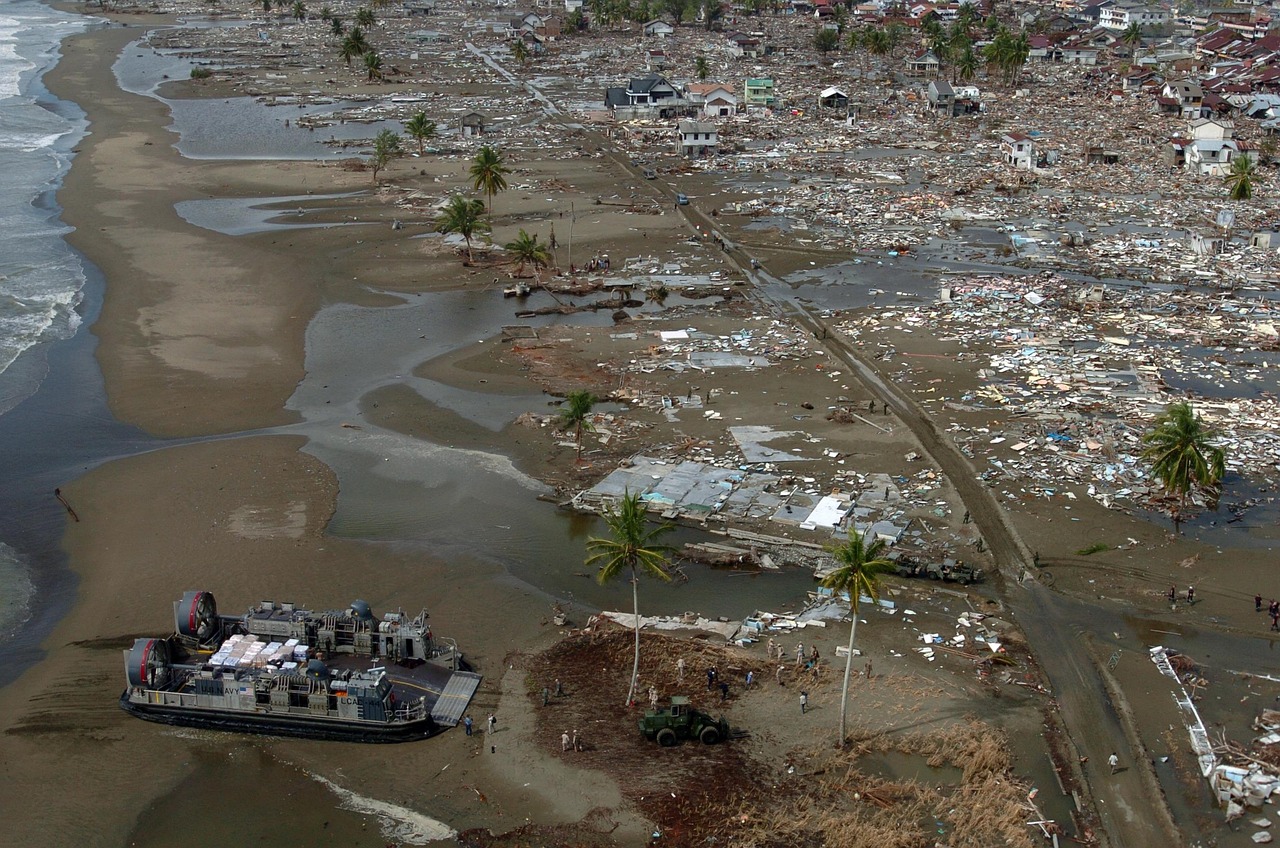
The entire site appears to have been abandoned all at once, with no evidence of warfare, famine, or prolonged decay. The leading theory is that a massive tsunami, triggered by a volcanic collapse on Mount Etna in Sicily, swept across the eastern Mediterranean and drowned the entire village. Geological deposits along the coast support this theory.
A disaster of that scale would have been sudden and devastating. The people of Atlit Yam likely had no time to flee. Their homes, belongings, and lives were simply engulfed. The reason the site is so well-preserved has everything to do with the water. The mud and silt created a perfect seal, preserving not just stonework but fragile organic materials as well.
Pavlopetri: The Oldest Underwater City in the World
Discovered in 1967 by Nicholas Flemming, this ancient Greek town is now the oldest underwater “lost city” anywhere on the globe. Flemming was using aerial photography to study the coastline when he noticed a series of unusual lines on the seabed. These lines turned out to be the remains of Pavlopetri’s streets and buildings.
It is about 5,000 years old, making it the oldest submerged city known in the world. It is also the first submerged town to be digitally surveyed in three dimensions. Scientists were able to determine that the ancient Greek underwater city of Pavlopetri was initially inhabited in 2800 BC, after elements dating back to the Bronze Age were found and identified. One of the results of the survey was to establish that the town was the center of a thriving textile industry, evidenced by the many loom weights found at the site.
The Capo Corso 2: A Ship That Was Basically a Floating Glass Library
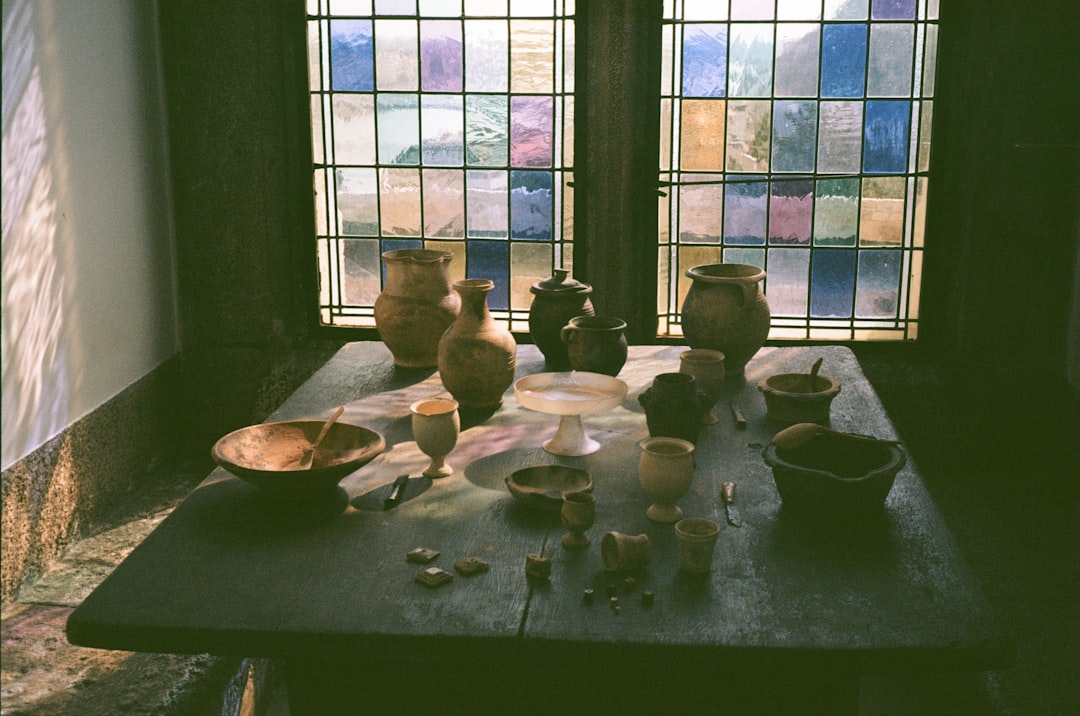
In the waters of the Tyrrhenian Sea, between the islands of Capraia and Corsica, underwater archaeologists found magnificent glass artifacts during excavations on the ancient Roman shipwreck called Capo Corso 2, discovered in 2012. The Roman vessel is located 1,148 feet below the surface between France’s Cap Corso peninsula and Italy’s Capraia island.
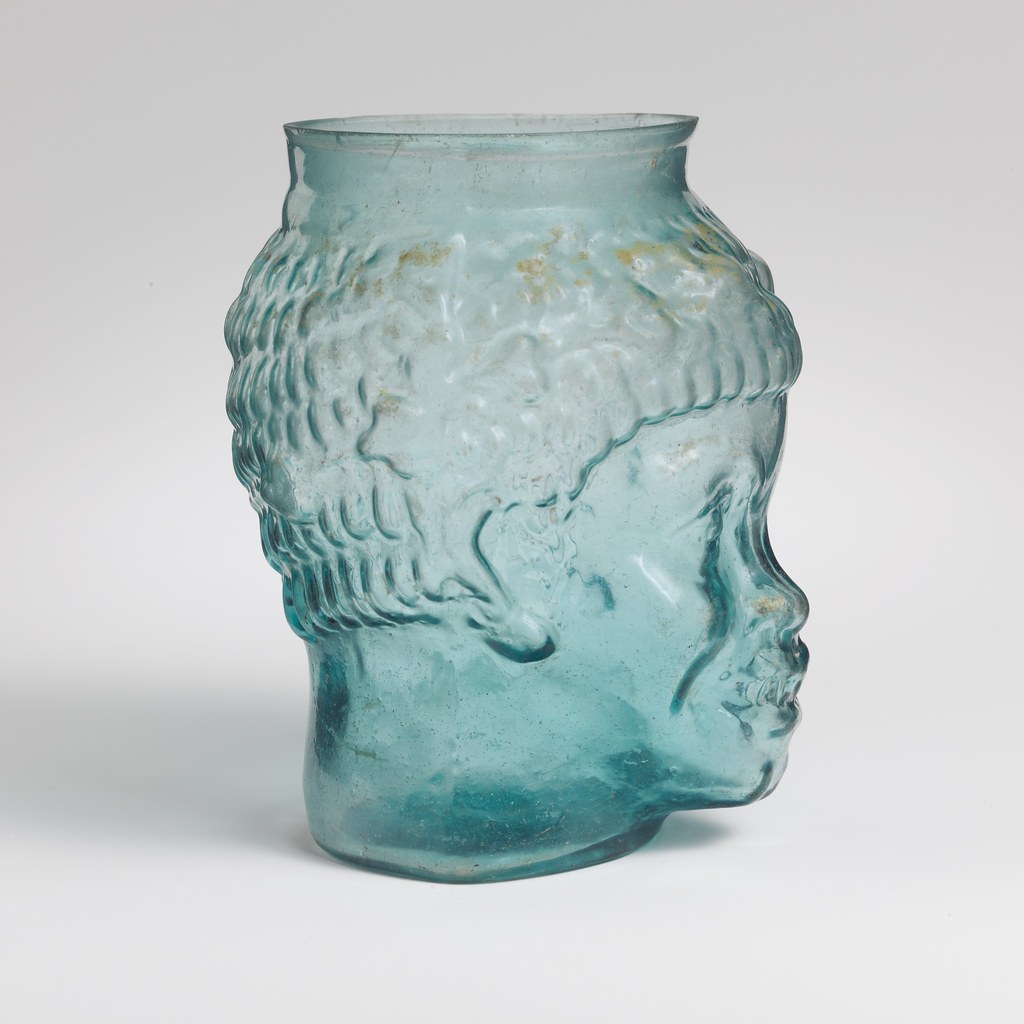
Archaeologists described the wreck as a Roman ship with a cargo consisting almost entirely of glass, transported both in its raw state in the form of several tonnes of raw blocks of various sizes, and processed, in the form of thousands of artifacts of blown tableware. The vessel probably came from a port in the Middle East, possibly Lebanon or Syria, and was heading towards the French coast of Provence. The numerous ancient blown-glass artifacts were a real surprise that no one expected. The retrieved items are intact and, despite 2,000 years at the bottom of the sea, have been preserved in perfect condition.
Only the Second of Its Kind in the Mediterranean
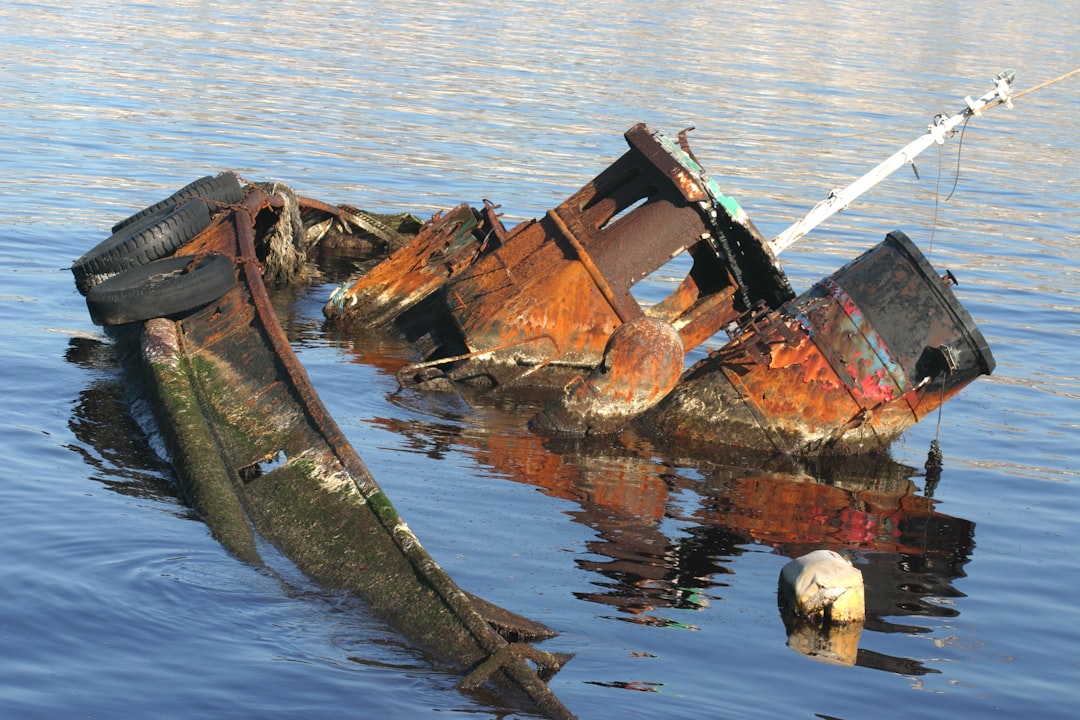
The cargo, which consists primarily of worked pieces and raw blocks of glass in a range of sizes and colors that are ready to be blown into commercial tableware, is only the second known case to date in the Mediterranean. The ROV used to explore it, called Arthur, is a new prototype capable of reaching a depth of 2,500 meters. It can shoot high-definition video, ventilate or vacuum the sediment, and recover artifacts in situ using a specially mounted claw. Various glass objects were recovered using the ROV, including glass bottles, cups, and bowls, in addition to two bronze basins and several amphorae.
Ultimately, the shipwreck should help researchers reconstruct a page in the history of Mediterranean trade. Many future visits to the site of the nearly 1,900-year-old shipwreck are planned, as ROV technology will give archaeologists unprecedented access to a deep-sea site that would otherwise be difficult to reach.
The Uluburun Shipwreck: Glass as Ancient Currency

The Uluburun Shipwreck is a Late Bronze Age shipwreck dated to the late 14th century BC, discovered close to the east shore of Uluburun, Turkey, in the Mediterranean Sea. The shipwreck was discovered in the summer of 1982 by a local sponge diver from Yalıkavak, a village near Bodrum. Eleven consecutive campaigns took place from 1984 to 1994, totaling 22,413 dives, revealing one of the most spectacular Late Bronze Age assemblages to have emerged from the Mediterranean Sea.
The ship’s main cargo consisted of ten tons of copper ingots and one ton of tin ingots, but also included jars filled with aromatic resin, discoid glass ingots, elephant and hippopotamus tusks, ebony logs, ostrich eggshells, Cypriot export ceramics, and glass and faience beads. Cluster analysis and comparison of chemical ratios indicate that all of the ingots found on board are Egyptian glass. Glass, in other words, was being moved like a precious commodity across entire civilizations.
Egyptian Glass and the Mediterranean Trade Network
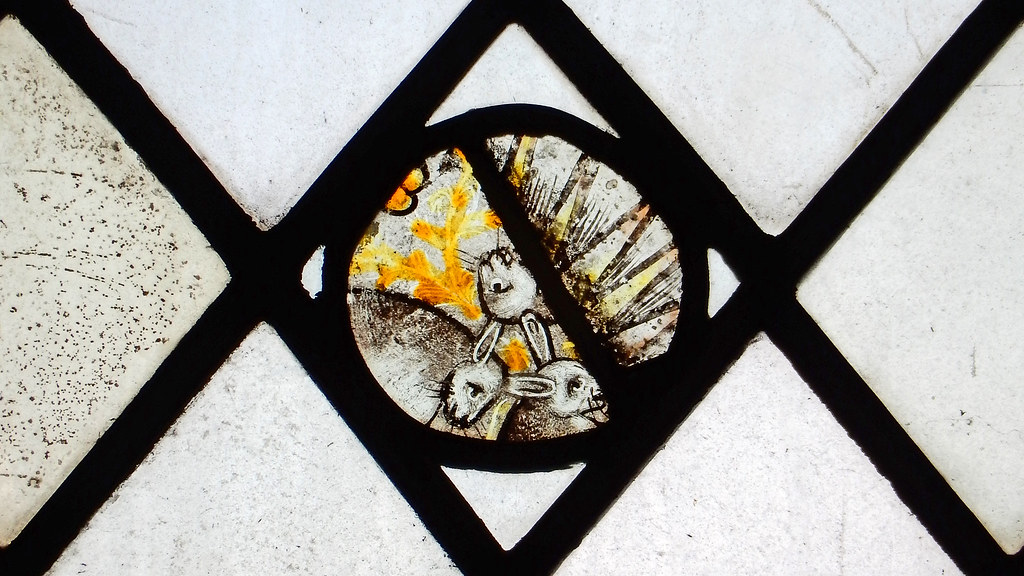
When pharaohs ruled Egypt, high-status groups around the Mediterranean exchanged fancy glass items to cement political alliances. New archaeological finds indicate that by about 3,250 years ago, Egypt had become a major glass producer and was shipping the valuable material throughout the region for reworking by local artisans.
At the ancient Egyptian city of Amarna, archaeologists found ceramic vessels from more than 3,300 years ago that may have served as ingot molds. Also, a Bronze Age shipwreck discovered off Turkey’s coast in 1987 contained glass ingots fitting the dimensions of the Amarna containers. Researchers propose that Egyptians exported these ingots to workshops throughout the Mediterranean, where artisans reheated the glass and fashioned it into decorative items.
The Sunken City of Heracleion: A Trade Hub Beneath the Waves
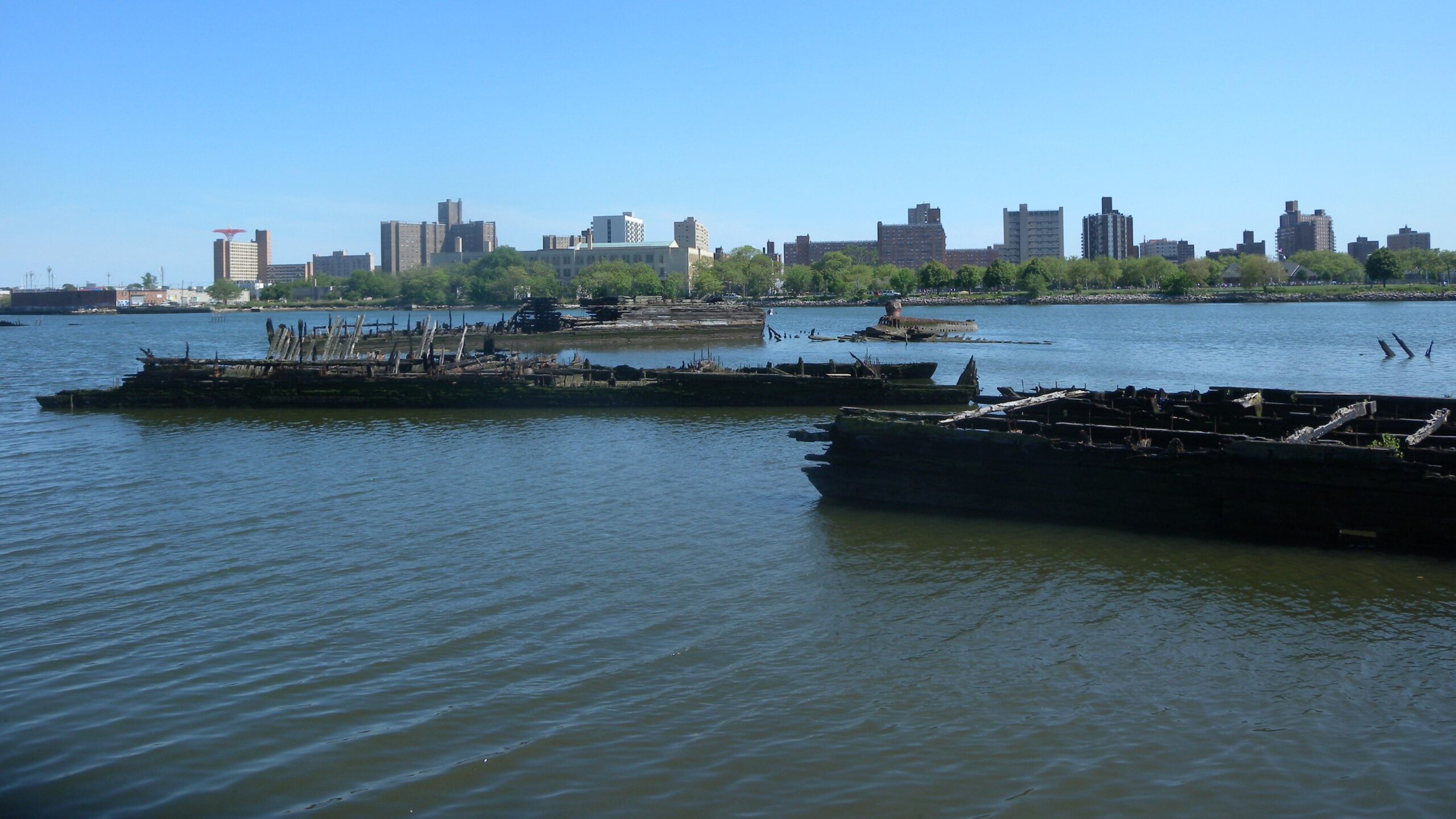
The city of Heracleion, home of the temple where Cleopatra was inaugurated, plunged into the Mediterranean Sea off the coast of Egypt nearly 1,200 years ago. It was one of the most important trade centers in the region before it sank more than a millennium ago. For centuries, the city was believed to be a myth, much like the city of Atlantis. Then in 2001, an underwater archaeologist searching for French warships stumbled across the sunken city.
After removing layers of sand and mud, divers uncovered the extraordinarily well-preserved city with many of its treasures still intact, including the main temple of Amun-Gerb, giant statues of pharaohs, hundreds of smaller statues of gods and goddesses, a sphinx, 64 ancient ships, 700 anchors, stone blocks with both Greek and Ancient Egyptian inscriptions, dozens of sarcophagi, gold coins and weights made from bronze and stone. Among those recovered items were glass objects that link directly to the same trade networks documented at Uluburun and Capo Corso 2.
Technology Opening New Doors in Underwater Archaeology
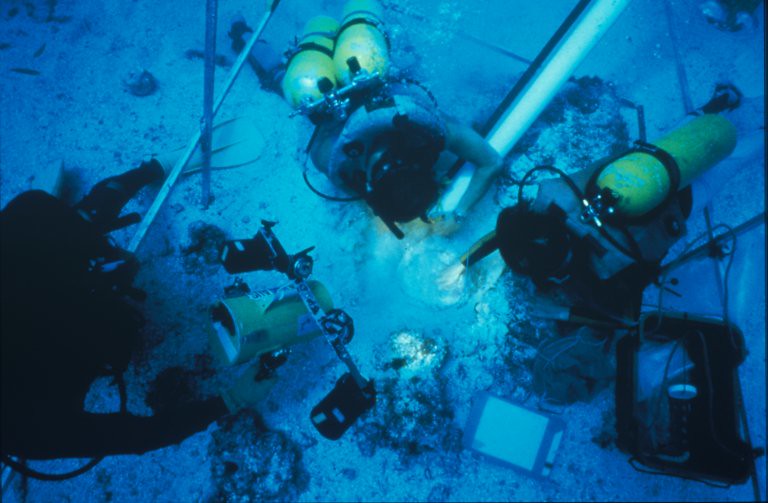
LiDAR, sonar, advanced imaging aids, remote sensing devices, advanced photography, and submersibles all aid archaeologists in discovering and documenting submerged sites and artifacts. Pavlopetri, for example, was the first submerged town to be digitally surveyed in three dimensions. Sonar mapping techniques developed by military and oil prospecting organizations have aided recent work.
With advances in underwater mapping and imaging technology, scientists are now better equipped than ever to explore these submerged structures in detail. The ROV Arthur used at Capo Corso 2 is a strong recent example, capable of vacuuming sediment and retrieving fragile artifacts at depths of nearly 2,500 meters. What was previously unreachable is now, slowly, becoming accessible.
What the Glass Tells Us About Ancient Connectivity
The origins of objects aboard ships like the Uluburun range geographically from northern Europe to Africa, as far west as Sicily and Sardinia, and as far east as Mesopotamia. They appear to be the products of nine or ten cultures. These connections indicate that the Late Bronze Age Aegean was the medium of an international trade perhaps based on royal gift-giving in the Near East.
The Uluburun Shipwreck reveals a world that was far more connected than we might expect for such an early period. Through its cargo, we see evidence of trade, diplomacy, and cultural exchange spanning thousands of kilometers. Glass was not decorative afterthought. It was a core currency of civilization, manufactured, standardized, shipped, and prized across cultures that had never met face to face.
Conclusion: A Library Written in Glass and Sediment
The Mediterranean seabed is not simply a graveyard of lost ships. It is a library. Every excavated ingot, every intact bowl recovered by a robotic arm, every stone circle emerging from the silt off the Israeli coast adds a sentence to a story that began long before the first pyramid stone was laid. These sites, taken together, describe a world that was already old when Egypt was young.
What makes this archive extraordinary is not just its age. It is its precision. The chemistry of glass ingots points to specific workshops. The layout of a 9,000-year-old village reveals deliberate urban planning. A Roman ship’s cargo traces a trade route from Lebanon to Provence that operated with what can only be described as commercial discipline. The glass survived. The stories it carries are only now being read.