
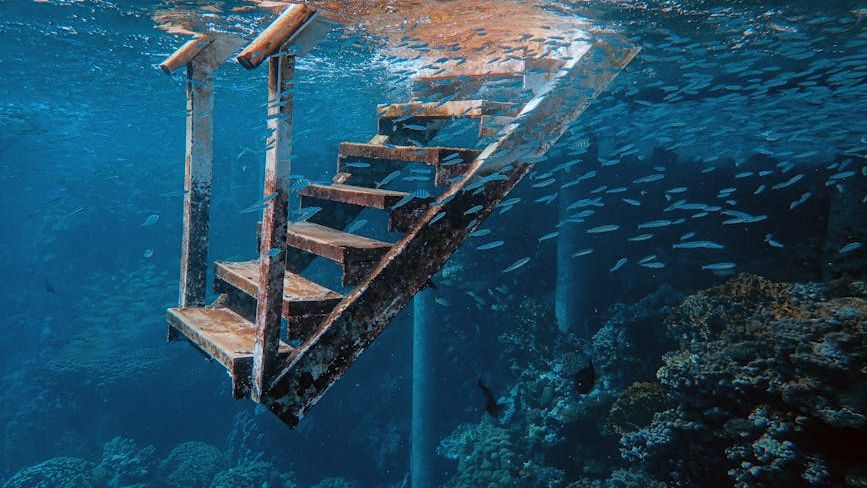

Few underwater discoveries have unsettled researchers quite like what lies beneath the surface off Japan’s southernmost island. The structure sits silently on the seafloor, neither fully explained nor fully dismissed, drawing divers, scientists, and historians into one of archaeology’s most persistent arguments.
It carries names that tell the story of the debate itself. Some call it Japan’s Atlantis. Others call it a geological curiosity. What nobody calls it is resolved.
The Discovery That Changed Everything
In 1986, a man named Kihachiro Aratake was diving off Yonaguni Island in Okinawa to check out the hammerhead sharks in the area. In the surrounding shallow water, he came across a peculiar structure that seemed out of place on the ocean floor. It resembled a pyramid, with multiple steps or layers leading to the top, with clean, symmetrical edges, angles, and even steps.
He nicknamed it the underwater Machu Picchu, but the dive site is now known in Japanese as “Kaitei Iseki,” meaning the monument on the bottom of the sea. The discovery immediately sparked a debate as to whether it formed naturally or if it was a man-made structure created by an ancient civilisation.
What the Structure Actually Looks Like
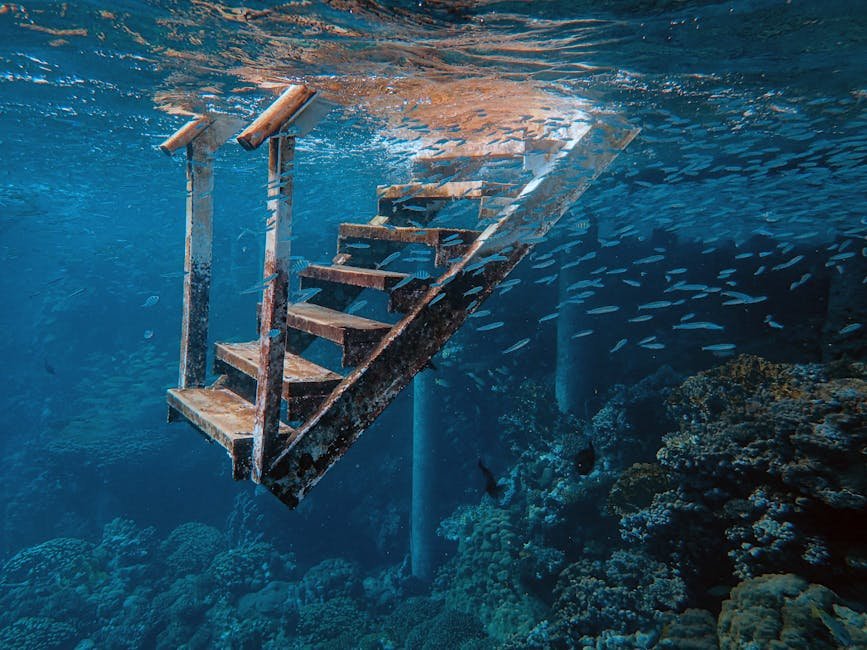
Spanning roughly 150 meters long, 40 meters wide, and 27 meters tall, the monument towers beneath the sea like a sunken pyramid, with broad surfaces rising in tiers and right angles that defy typical underwater geology.
Standing 25 meters tall, 100 meters long, and 60 meters wide, the rock itself is composed of shale and sandstone and covers around 45,000 square meters. The structure is submerged about 25 meters beneath the surface, adding another layer of complexity to any investigation.
The Man Who Devoted His Career to It
Masaaki Kimura is a professor of marine geology and seismology at the University of the Ryukyus in Naha. He led extensive surveys and research about the Yonaguni Monument since the 1990s and published several articles about it from 2001.
Kimura believes he can identify a pyramid, castles, roads, monuments and a stadium within the formation. He further stated that he believes the structures to be remnants of Yamatai culture. He has also identified what he describes as quarry marks in the stone, rudimentary characters etched onto carved faces, and rocks sculpted into the likenesses of animals.
The 10,000-Year Timeline
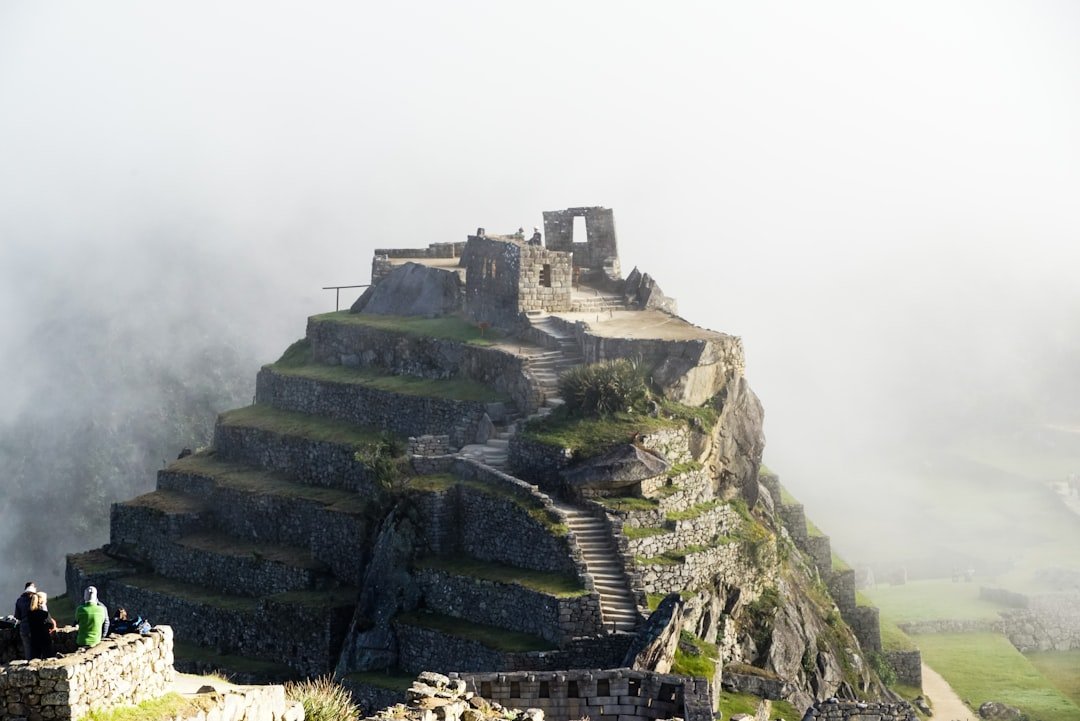
Kimura first estimated that the formation must be at least 10,000 years old, dating it to a period when it would have been above water, and therefore surmised that the site may be a remnant of the mythical lost continent of Mu.
Sea levels have risen substantially, by a hundred meters or more, since the end of the last glacial period about 12,000 years ago. If the monument was carved by human hands, it was during the last Ice Age, about 10,000 years ago, when Yonaguni was part of a land bridge that connected the site to Taiwan.
If the Yonaguni Monument was indeed constructed by a civilization over 10,000 years ago, it would challenge current understandings of human history. Such an ancient origin would place it thousands of years earlier than Egypt’s pyramids and England’s Stonehenge, potentially rewriting what we thought we knew about the ancient world.
The Geologist Who Says Nature Did It
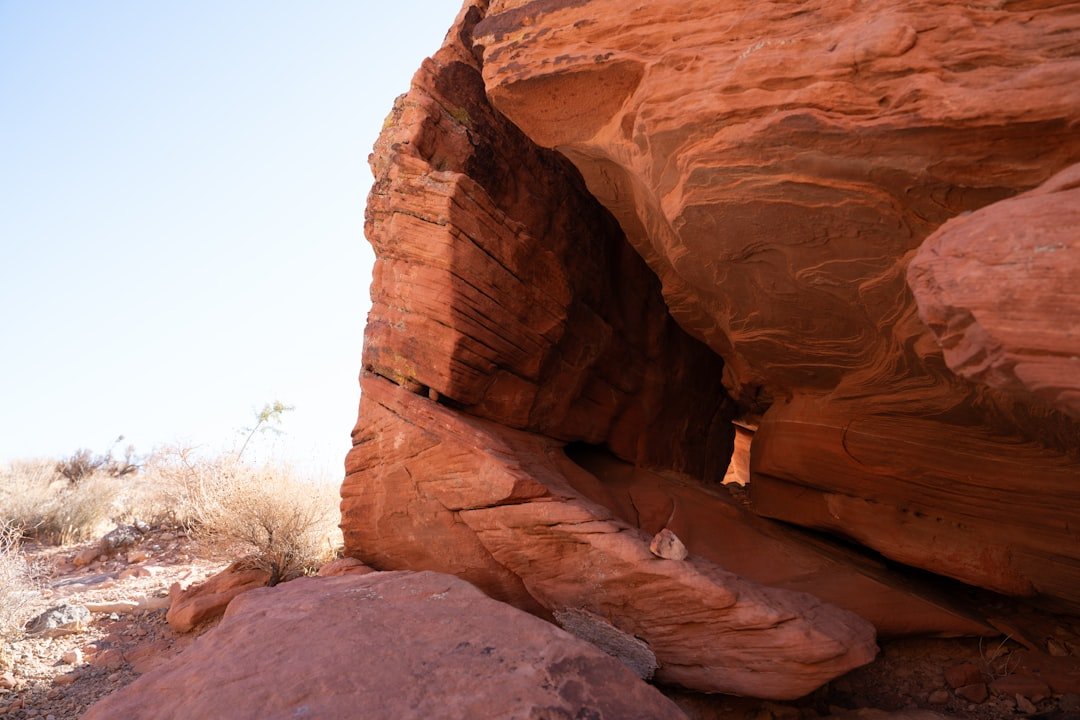
Geologist Robert Schoch of Boston University is Kimura’s main critic in this matter. Schoch believes that the monument contains “numerous well-defined parallel bedding planes along which the layers easily separate,” and that this jointing and fracturing create rectangular and other symmetrical formations. While they mimic steps or walls, this theory suggests that they are entirely natural.
The rocks of the Yonaguni formation are criss-crossed by numerous sets of parallel, vertically oriented joints. These joints are natural, parallel fractures by which the rectangular formations seen in the area likely formed. Yonaguni lies in an earthquake-prone region, and such earthquakes tend to fracture the rocks in a regular manner.
The Rock Itself Tells a Story
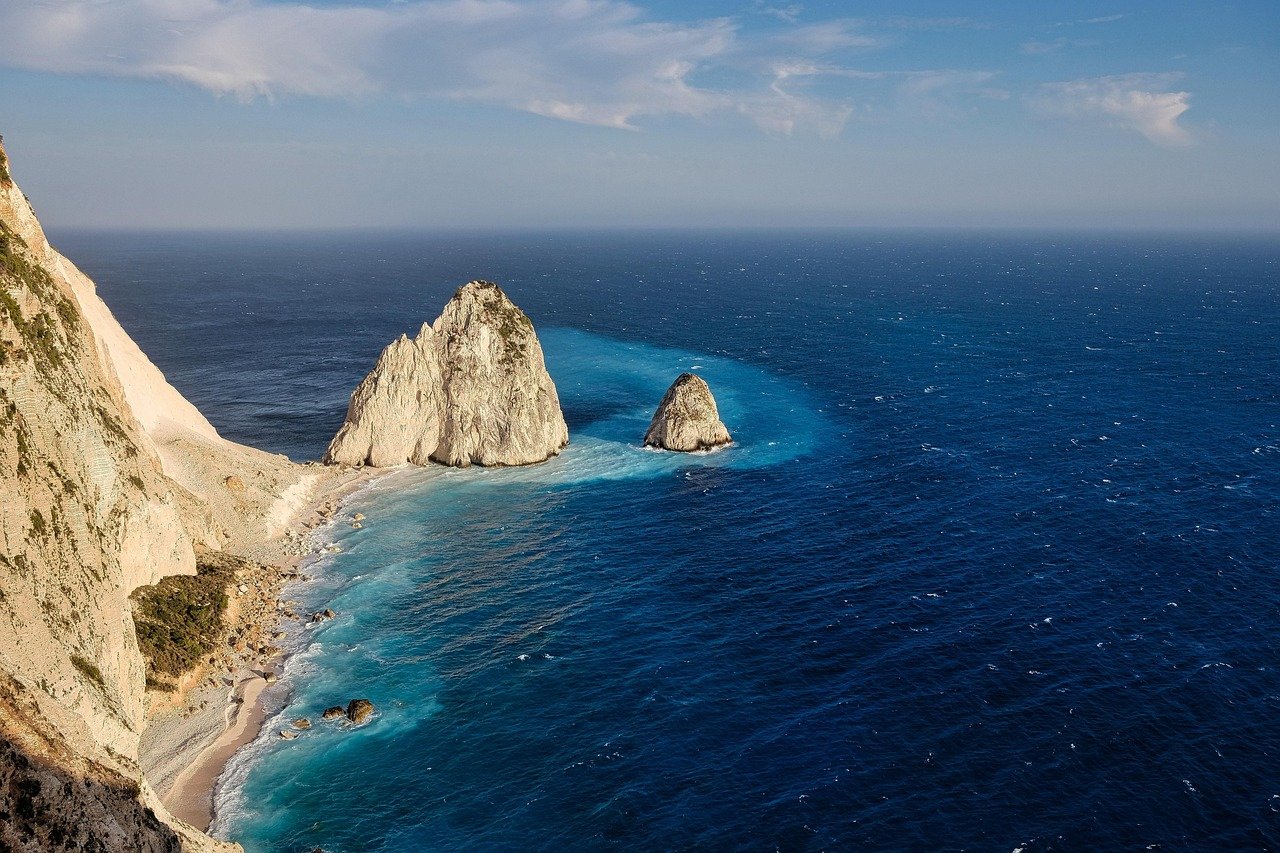
The formation is composed of medium to very fine sandstones and mudstones of the Early Miocene Yaeyama Group, believed to have been deposited about 20 million years ago. Most of the rocks in the formations are connected to the underlying rock mass, as opposed to being assembled out of freestanding rocks.
In 2019, Takayuki Ogata and other researchers conducted a topographical analysis of Yonaguni Island using a digital elevation model and geological field investigations. As a result of their research, they noted that although the Yonaguni Monument may look like an artificial construction, it is a natural feature formed by the weathering and erosional processes acting on bedding and linear joints in sandstone.
The Cave Stalactites That Complicate Everything
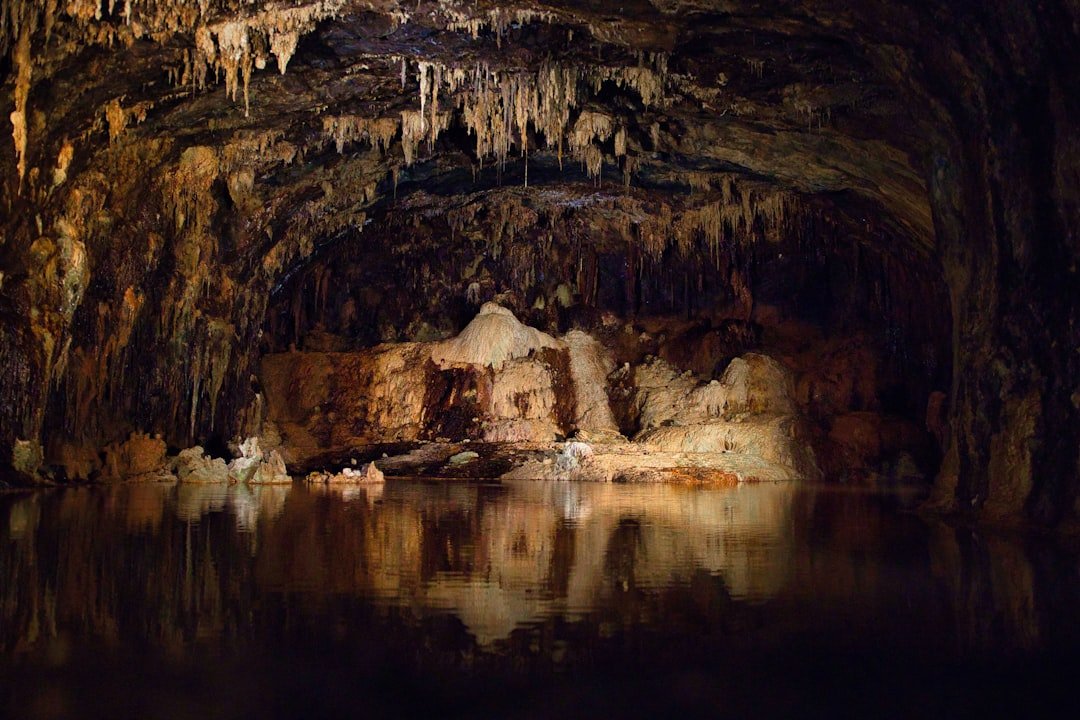
Divers exploring Yonaguni have discovered caves containing stalactites, a formation that can only develop above water. Their presence suggests that parts of the monument and surrounding caves were once dry land. This finding complicates efforts to date the site, as it points to dramatic changes in sea level and geological history.
Kimura believes the ruins date back to at least 5,000 years, based on the dates of stalactites found inside underwater caves that he says sank with the city. Archaeologists have also found charcoal fragments in ruins along Yonaguni’s nearby coast, carbon-dated to approximately 1,600 years ago, though this evidence provides a minimum age for human activity in the area and doesn’t directly date the monument itself.
The Jomon People Connection

If the structures at Yonaguni are indeed the remains of an ancient city, one possibility is the prehistoric inhabitants of Japan called the Jomon, who existed from about 12,000 BC to around 300 BC and who developed a sophisticated culture. The Jomon is often compared to pre-Columbian cultures of the Pacific Northwest North America because in both regions cultural complexity developed within a primarily hunting-gathering context.
Human skeletal remains have been found in the caves of the Ryukyu Islands, dated to 32,000 years ago. This confirms that humans were present in the area 10,000 years ago. Examples of Jomon pottery technology date back to the time when many of the submerged structures of Yonaguni would have been above water.
What’s Missing From the Evidence
No artifacts, such as tools or pottery, have been discovered at the site itself that would indicate human activity. Nor are there any records or oral histories from the region that mention an ancient civilization in the area. This absence of evidence makes it nearly impossible to conclusively determine whether the monument is natural or man-made.
Neither the Japanese Agency for Cultural Affairs nor the government of Okinawa Prefecture recognise the features as important cultural artifacts, and neither government agency has carried out research or preservation work on the site. Schoch has offered a nuanced middle ground, suggesting that even though the Yonaguni Monument may be primarily natural, parts may have been “touched up” by ancient humans who admired and utilized it.
Why the Mystery Still Matters in 2026
A recent debate on the popular Joe Rogan Experience podcast reignited interest in the mysterious Yonaguni Monument. Writer and researcher Graham Hancock and archaeologist Flint Dibble engaged in a discussion about the origins of this enigmatic formation, often referred to as Japan’s Atlantis.
Despite decades of debate, both proponents and skeptics agree that more research is needed to unravel Yonaguni’s mysteries. There are ongoing calls for multidisciplinary studies involving geology, archaeology, marine biology, and advanced technology. Comprehensive exploration and collaboration could provide the definitive evidence required to settle the monument’s true origin.
The Yonaguni Monument could potentially join the man-made ancient structure of Göbekli Tepe in Turkey as evidence of lost civilizations. Göbekli Tepe is believed to have been inhabited from around 9500 BCE to at least 8000 BCE, making it over 5,000 years older than the Egyptian pyramids. Whether Yonaguni belongs in that conversation is still, genuinely, an open question.
The monument doesn’t demand a conclusion. It demands patience. The ocean keeps its secrets on its own schedule, and what lies beneath the surface off Yonaguni Island may yet outlast every theory we’ve thrown at it.