
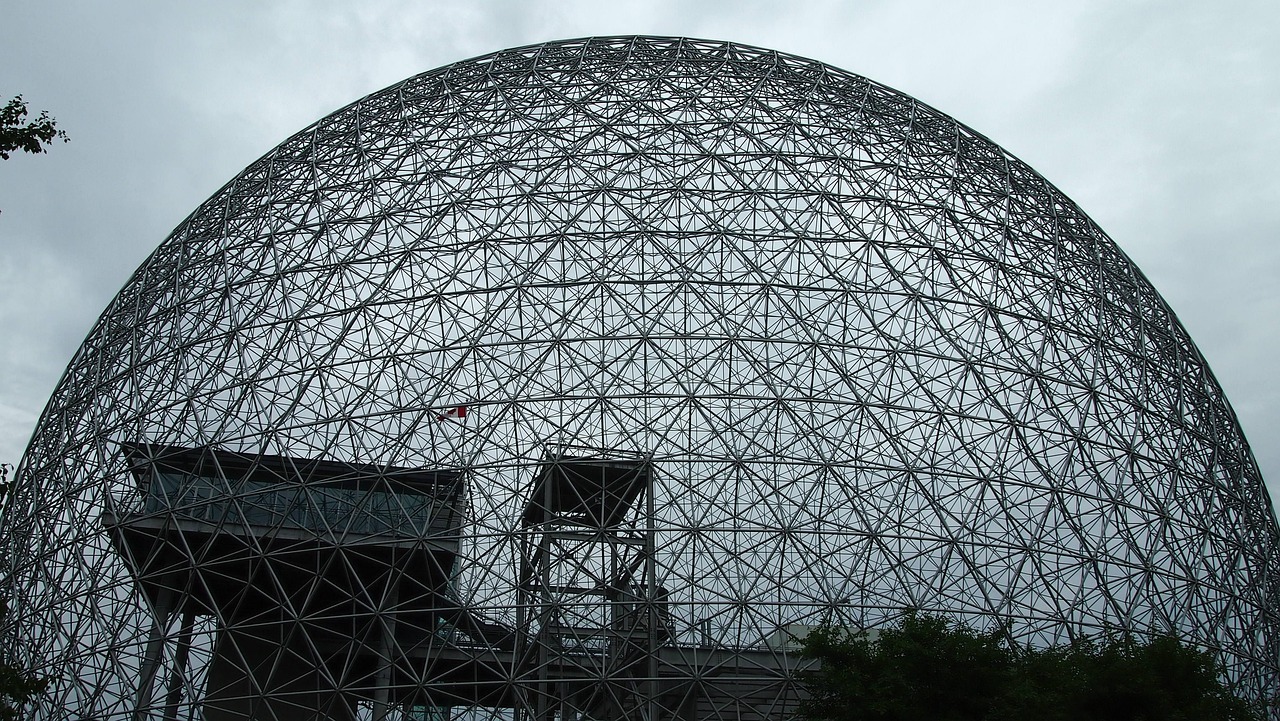

There’s a structure rising from the Arizona desert, part glass cathedral, part alien greenhouse, that most people still think of as a 1990s science experiment gone sideways. They’re wrong. What happened inside Biosphere 2, and what continues to happen there today, forms the foundation of how humanity plans to keep people alive on the Moon. It’s a story that begins with a sealed bubble in Oracle, Arizona and stretches forward to bases on lunar soil.
The nickname “Biosphere 3” isn’t an official designation. It’s a way of understanding what the facility has quietly become: a living testbed for the most urgent engineering challenge of deep space survival. With lunar missions advancing faster than at any point since the Apollo era, the science happening inside these glass domes has never mattered more.
What Biosphere 2 Actually Is, and Why It Was Built
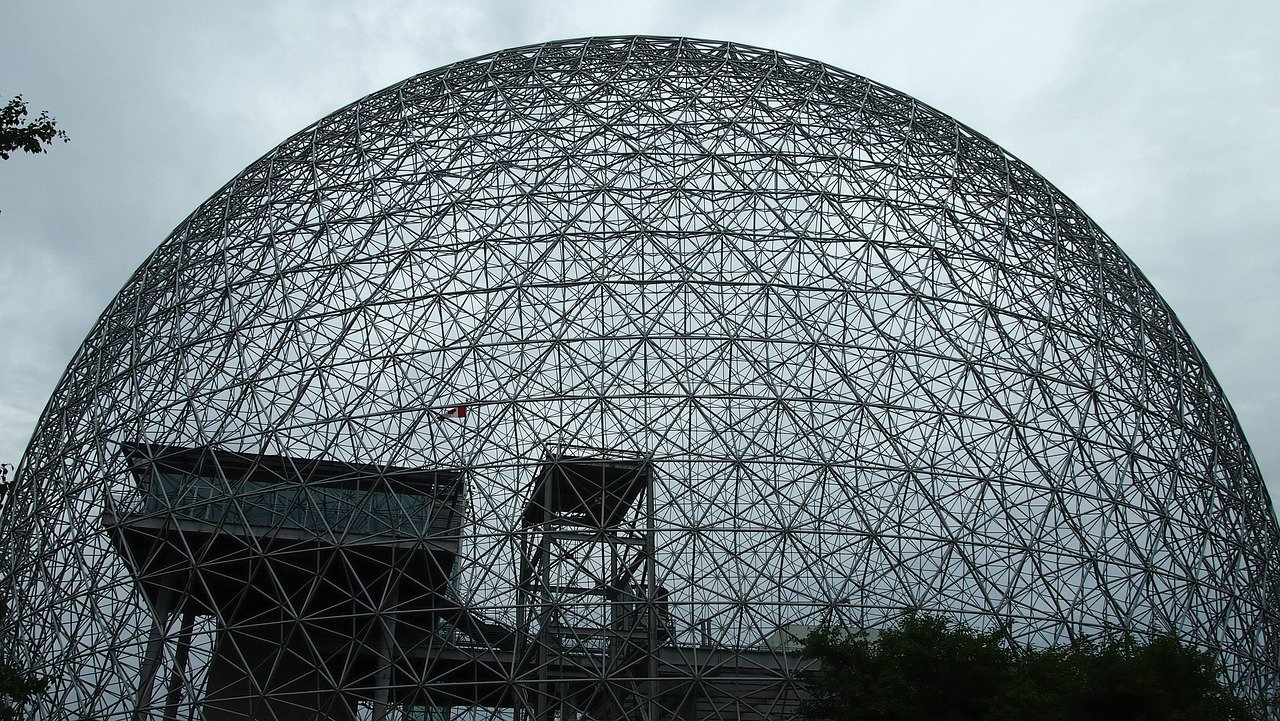
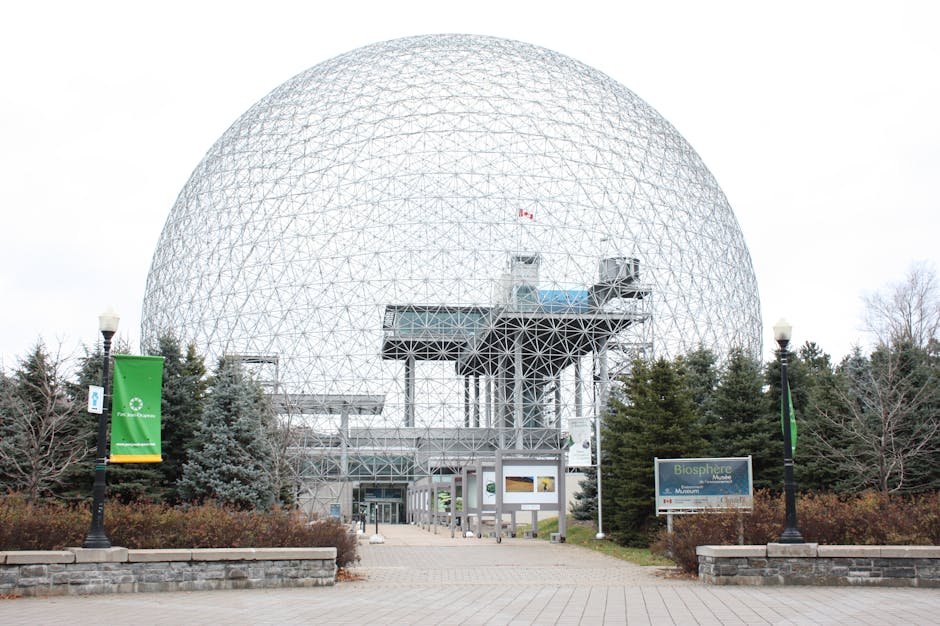
Biosphere 2 is a 3.14-acre structure originally built to be an artificial, materially closed ecological system, and it remains the largest closed ecological system ever created. Constructed between 1987 and 1991, it was planned to experiment with the viability of closed ecological systems to support and maintain human life in outer space.
It was named “Biosphere 2” because it was meant to be the second fully self-sufficient biosphere, after the Earth itself, which is considered Biosphere 1. The ambition was audacious from the start. The project was launched in 1984 by businessman Ed Bass and systems ecologist John P. Allen, with Bass providing 150 million US dollars in funding until 1991.
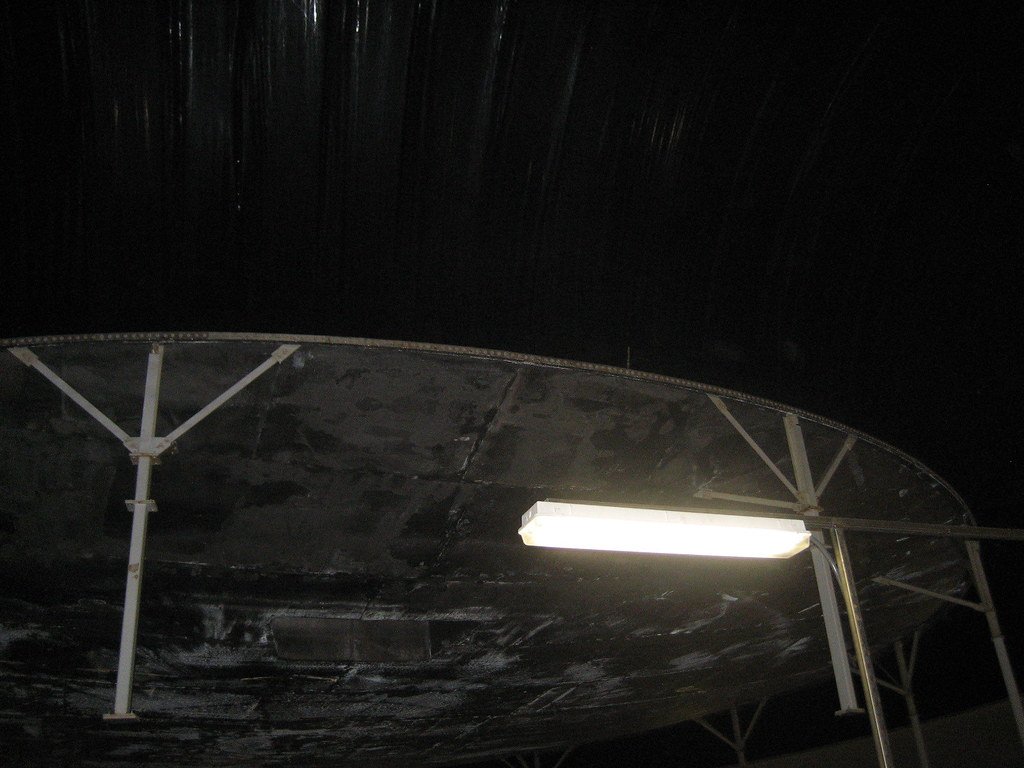
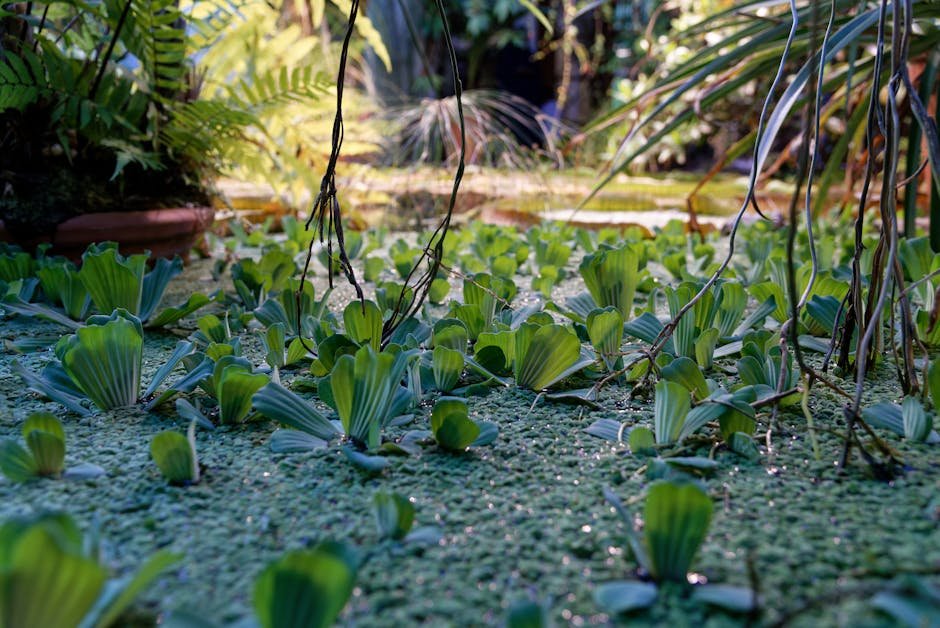
The facility’s seven biome areas included a 1,900-square-meter rainforest, an 850-square-meter ocean with a coral reef, a 450-square-meter mangrove wetlands, a 1,300-square-meter savannah grassland, a 1,400-square-meter fog desert, and two anthropogenic biomes: a 2,500-square-meter agricultural system and a human habitat. Nothing like it had been attempted before, and for good reason.
The First Mission and the Oxygen Crisis
Survivability missions in Biosphere 2 began on September 26, 1991, when four men and four women, referred to as “Biospherians,” were sealed inside the glass biome. The biospherians engaged in a variety of tasks including growing food, recycling water, and producing oxygen. Despite their innovative efforts, the crew faced challenges like insufficient oxygen levels and food shortages, leading to significant weight loss and fatigue.
The oxygen inside the facility, which began at 20.9 percent, fell at a steady pace and after 16 months was down to 14.5 percent. This is equivalent to the oxygen availability at an elevation of 4,080 meters. For context, that’s roughly the altitude of some of the highest inhabited places on Earth.
Microbes in the organically enriched soils had produced carbon dioxide at a greater rate than the young plants could produce oxygen via photosynthesis. Most of the missing oxygen had been converted to CO2 and absorbed by the unsealed concrete in the habitat. Since some biospherians were starting to have symptoms like sleep apnea and fatigue, the medical team decided to boost oxygen with injections in January and August 1993.
What the Mission Got Wrong – and Why That Was Valuable
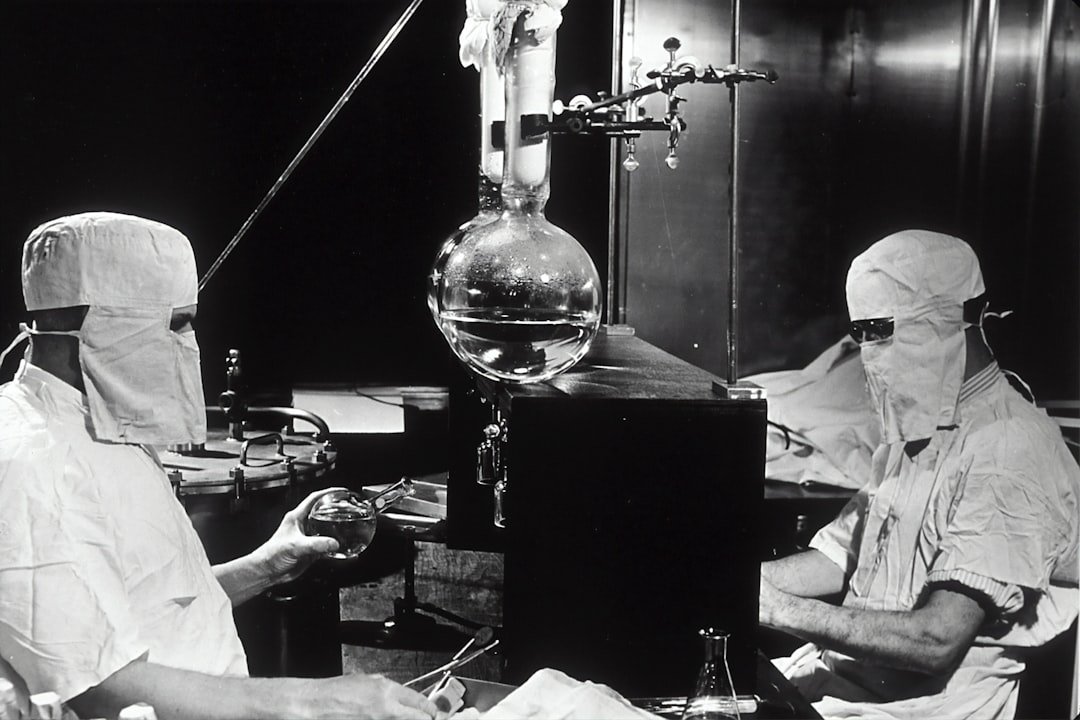
Biosphere 2 was in essence a model of a Martian or Moon settlement. The failure of the experiment shows that these types of systems are much more complex than expected. The main original difficulty was underestimating the problem of establishing a stable recycling system of plants and animals in imitation of the wild recycling system on Earth.
Of the 25 small vertebrates with which the project began, only 6 did not die out by the mission’s end. Almost all of the insect species went extinct, including those included for the purpose of pollinating plants, which caused further problems since the plants could no longer propagate themselves.
Several of Biosphere 2’s current staff have noted that the failure lay in the lack of transparency, not the lack of oxygen. Scientists did, in fact, learn something important from what went wrong: the soil was too rich in organic matter, and its thriving bacteria gobbled up too much oxygen. These were not comfortable lessons. They were essential ones.
The Soviet Parallel: BIOS-3 and What Russia Already Knew
BIOS-3 is a groundbreaking experimental closed ecological life support system developed by Soviet scientists to test the viability of sustaining human crews in self-contained environments for long-duration space missions. BIOS-3 consists of a 315 cubic meter underground steel structure suitable for up to three persons, and was initially used for developing closed ecological human life-support ecosystems.
The BIOS-3 facility conducted 10 manned closure experiments between 1972 and 1984 to test human habitation in a closed ecological system, with crew sizes ranging from two to three individuals and experiment durations varying from short-term trials of about 10 days to extended isolations up to 180 days. Chlorella algae were used to recycle the air breathed by the human inhabitants and two chambers were used to grow wheat and vegetables.
BIOS-3, located in Krasnoyarsk, was the first biological life support system facility that incorporated humans into its internal material cycle. The 91 percent closure of inner material in BIOS-3 demonstrates the viability of biological life support systems. That figure, 91 percent closure, remains one of the most cited statistics in closed ecosystem research to this day.
The Lunar Greenhouse: Growing Food for the Moon
The Lunar Greenhouse at Biosphere 2 is a prototype of the Controlled Environment Agriculture Center which seeks to understand how to grow vegetables on the Moon or Mars by developing a bioregenerative life support system which recycles and purifies water through plant transpiration. This is not theoretical work. It directly addresses the most basic problem of any lunar base: feeding people without supply ships.
Research at Biosphere 2 offers evidence that a soil-based system can be as productive as the hydroponic systems which have dominated space life support scenarios. Soil also offers distinct advantages: the capability to be created on the Moon or Mars using in situ space resources, reduces long-term reliance on consumables and imported resources, and more readily recycles and incorporates crew and crop waste products.
Nitrogen as a buffer gas is the chief limitation, as it is scarce on the Moon and rarefied on Mars. Crucial to the realization of robust human habitation of extraterrestrial environments will be the recycling of scarce nutrients through closed ecological life support technology supplemented with an industrial ecology that can supply a restricted set of indigenous elements.
SAM: The Space Analog for the Moon and Mars
SAM is a Space Analog for the Moon and Mars. This high-fidelity, hermetically sealed and pressurized habitat and research station is composed of living quarters complete with a workshop, kitchen, crew quarters, and toilet facility. Built around the 1987 Biosphere 2 Test Module, this prototype now serves as the controlled environment and greenhouse for visiting research teams.
SAM is not another open air analog. It is described as as close as you can get to living on Mars without reducing gravity or dropping the temperature to extreme lows. Its primary purpose is to discover how to transition from mechanical methods of generating breathable air to a self-sustaining system where plants, fungi, and people produce a precise balance of oxygen and carbon dioxide.
In one notable experiment, a researcher lived sealed inside SAM for two weeks, sharing quarters with 144 dwarf pea plants. The goal was to measure how much carbon dioxide the pea plants could remove from the air and how much oxygen they could return in a closed system sustained only by sunlight, water, and human breath. It sounds almost simple. It isn’t.
China’s Lunar Palace and the Global Race for Closed Ecosystems
China has made significant progress in the study of bioregenerative life support systems recently, as exemplified by the success of projects like Lunar Palace 1 and the Chinese Astronaut Centre’s four-person, 180-day experiment, both of which had a high rate of system closure. These aren’t small achievements. A 180-day closed mission with four people approaches the practical minimum needed to test genuine deep space deployment scenarios.
Building a lunar base has become a goal of national space agencies as space technology has advanced. Due to the high cost of space transportation, lunar bases must be self-sufficient. That requirement for self-sufficiency is exactly what experiments like Biosphere 2 and Lunar Palace 1 were built to address.
China’s team placed a micro-ecosystem called a Biological Experiment Payload on the Chang’e-4 lander and conducted the first planting experiment on the lunar surface, observing that microgravity enhances the freezing resistance of cotton. However, the study used vermiculite and nutrient solution instead of lunar soil, so plant development on lunar soil at one-sixth gravity still needs additional research. Every answer so far reveals at least one new question.
What Concrete Walls, Microbes, and Carbon Taught Us About the Moon
Investigation by researchers from Columbia University’s Lamont-Doherty Earth Observatory using isotopic analysis showed that carbon dioxide was reacting with exposed concrete inside Biosphere 2 to form calcium carbonate, thereby sequestering both carbon and oxygen. This discovery, initially a crisis, became one of the most instructive findings in the history of closed system research.
Medical research inside Biosphere 2 included the effects on humans of lowered oxygen. The discovery that human productivity can be maintained with good health at lowered atmospheric oxygen levels could lead to major economies in the design of space stations and planetary or lunar settlements. Designing a lunar habitat at lower atmospheric pressure, for instance, dramatically reduces structural demands on the dome.
Experiments in the Laboratory Biosphere suggest that elevated CO2 concentrations up to 2,000 parts per million enhance crop productivity proportionally. This can be implemented in a lunar closed ecological life support system provided high carbon recycling can be achieved. In other words, the problems encountered at Biosphere 2 potentially became advantages for future lunar farming.
NASA’s Lunar Base Plans and Why Analog Research Drives Them

To achieve an enduring human presence on the Moon, NASA has announced a phased approach to building a lunar base. On the Moon, NASA is shifting to a focused, phased architecture that builds capability landing by landing, incrementally, and in alignment with industrial and international partners.
As cargo-capable human landing systems come online, NASA will deliver heavier infrastructure needed for a continuous human foothold on the Moon, marking the transition from periodic expeditions to a permanent lunar base. This will include the Italian Space Agency’s Multi-purpose Habitats and the Canadian Space Agency’s Lunar Utility Vehicle.
Most landing sites being scouted are near the lunar south pole, where missions will scout for lunar resources, test in situ resource utilization concepts, and perform lunar science to support the Artemis lunar program. The knowledge of how to grow food, recycle air, and manage waste in a closed system, hard-won from Biosphere 2, feeds directly into how these base concepts are being designed.
The Future of Closed Ecosystems in Space Survival
Biosphere 2, the largest and most biodiverse closed ecological system facility yet created, has contributed vital lessons for living with our planetary biosphere and for long-term habitation in space. Those lessons, painful and expensive as many of them were, are now embedded in the engineering assumptions of every serious lunar habitat proposal on the table in 2026.
A bio-regenerative life support system is an artificial ecosystem consisting of producers, consumers, and decomposers that follow Earth’s biosphere principles. Replicating that system well enough to keep humans alive off-world, on a budget no resupply mission can sustain, remains the defining challenge. Biosphere 2’s thirty years of stumbles and breakthroughs form the most complete dataset available for answering it.
SAM has been described as a return to the origin of the iconic Biosphere 2 and a look to the future as humanity prepares to become an interplanetary species. That framing captures something true. The glass structure in the Arizona desert isn’t a relic. It’s a rehearsal space, and the performance it’s preparing for will happen on the Moon.
Conclusion
The story of Biosphere 2, from its visionary origins and humbling early failures to its current role as a precision research base for lunar survival, is really a story about the stubbornness of complexity. Nature doesn’t simplify on request. Microbes eat oxygen. Concrete absorbs carbon. Pollinator insects vanish. Crews fracture under pressure. Every one of those unwanted outcomes produced knowledge that space agencies now build on.
What makes the ongoing work at Biosphere 2 and its successors remarkable isn’t that it’s solved the problem of keeping humans alive on the Moon. It’s that it keeps insisting on finding out what the actual problems are, rather than the ones that are convenient to solve. That distinction, more than any particular discovery, may be the most important thing the planet’s most ambitious terrarium has ever taught us.