

What “Ghost DNA” Actually Means
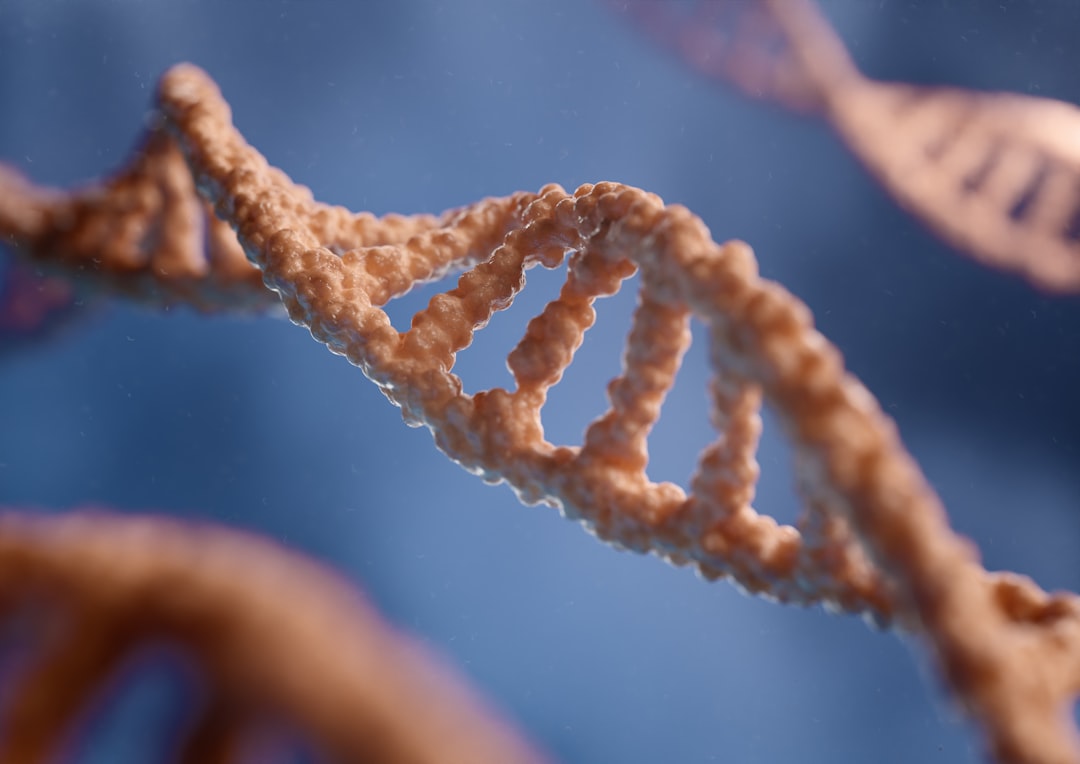
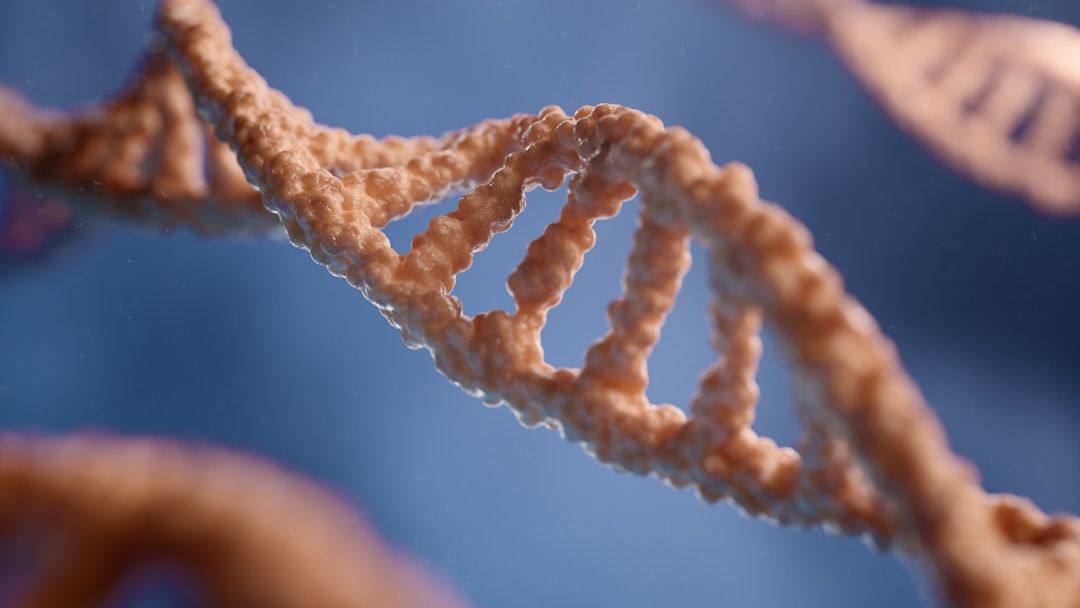
The term sounds dramatic, but it has a precise scientific meaning. A ghost lineage is a hypothesized ancestor in a species lineage that has yet to leave any fossil evidence, yet can be inferred to exist because of gaps in the fossil record or genomic evidence. In other words, we can detect the fingerprints of a species inside living people’s DNA without ever having found a single bone or tooth from that species.
Traces of these ancient interspecies encounters, called introgressions, can be identified as places of divergence in the human genome, where scientists observe more separation between two chromosomes than you’d expect if both came from the same human species. When that divergence can’t be explained by Neanderthals or Denisovans, the segment gets assigned to an unnamed, unsequenced population. That’s a ghost.
New studies based on current genetic diversity suggest that events of archaic introgression in anatomically modern humans did occur after the out-of-Africa migration, involving hidden “ghost” archaic populations. The idea that our lineage was shaped by species we’ve never formally identified was, not long ago, considered fringe science. It isn’t anymore.
The Neanderthal Baseline: Our Most Familiar Ancient Relatives
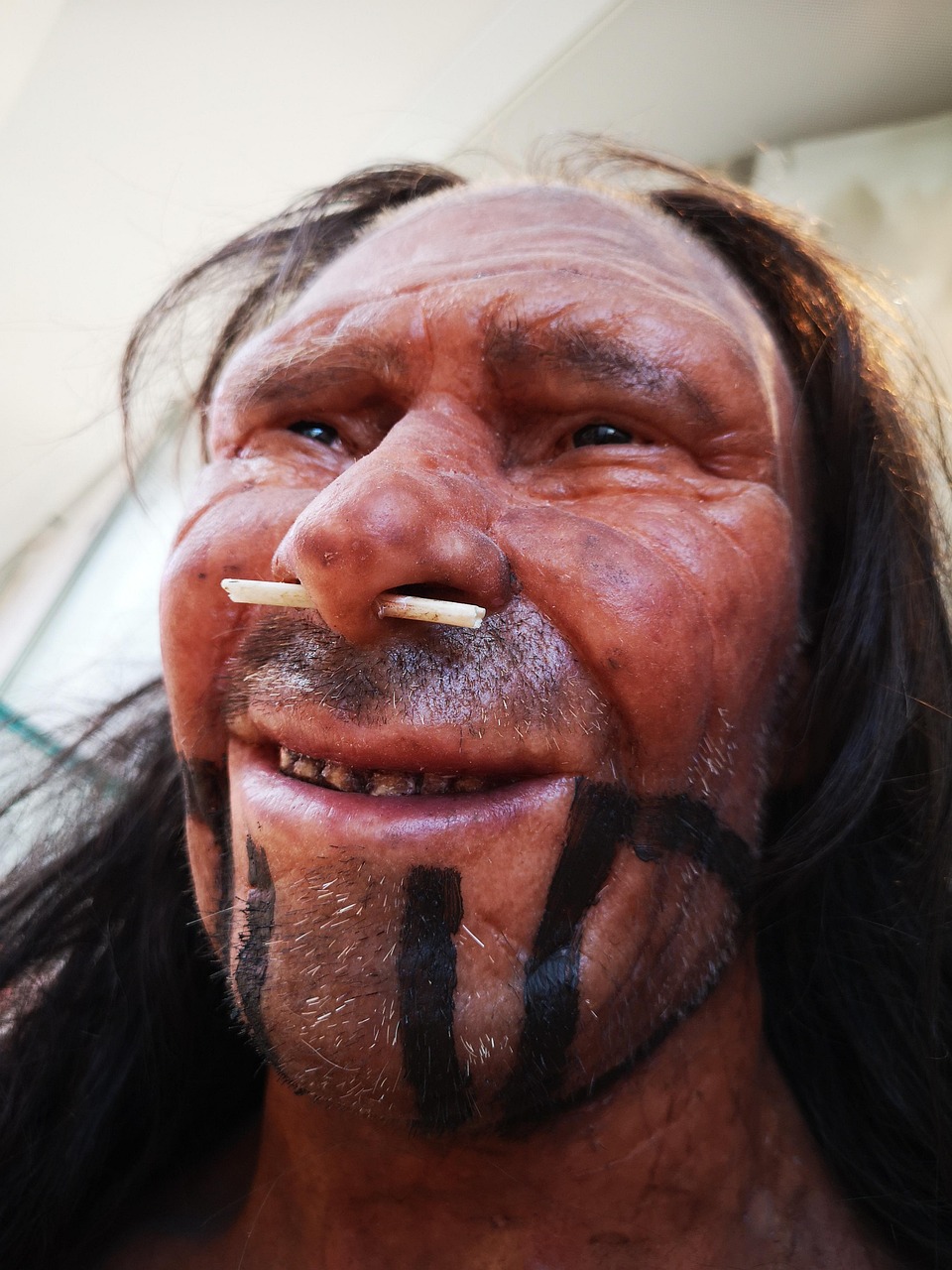
Interbreeding between archaic humans such as Neanderthals and anatomically modern humans took place during the Middle Paleolithic and early Upper Paleolithic. Genomic sequencing has revealed that all modern human populations outside of Africa today carry approximately one to four percent Neanderthal DNA, a result of genetic admixture that occurred after modern humans migrated out of Africa.
In 2010, scientists released the first draft of the Neanderthal genome. Comparing it with modern human DNA confirmed that Neanderthals and humans had interbred. Only months later, genetic analysis of a finger bone found in Denisova Cave in the Altai Mountains of Siberia revealed it came from a previously unknown hominin group. This group, now known as the Denisovans, also interbred with modern humans.
Using a tool called IBDmix, researchers identified a first wave of contact between modern humans and Neanderthals about 200,000 to 250,000 years ago, another wave around 100,000 to 120,000 years ago, and the largest interbreeding event about 50,000 to 60,000 years ago. The story of human contact with archaic relatives turns out to be far longer and more layered than anyone anticipated.
The Denisovans: Known Only by Their Genes
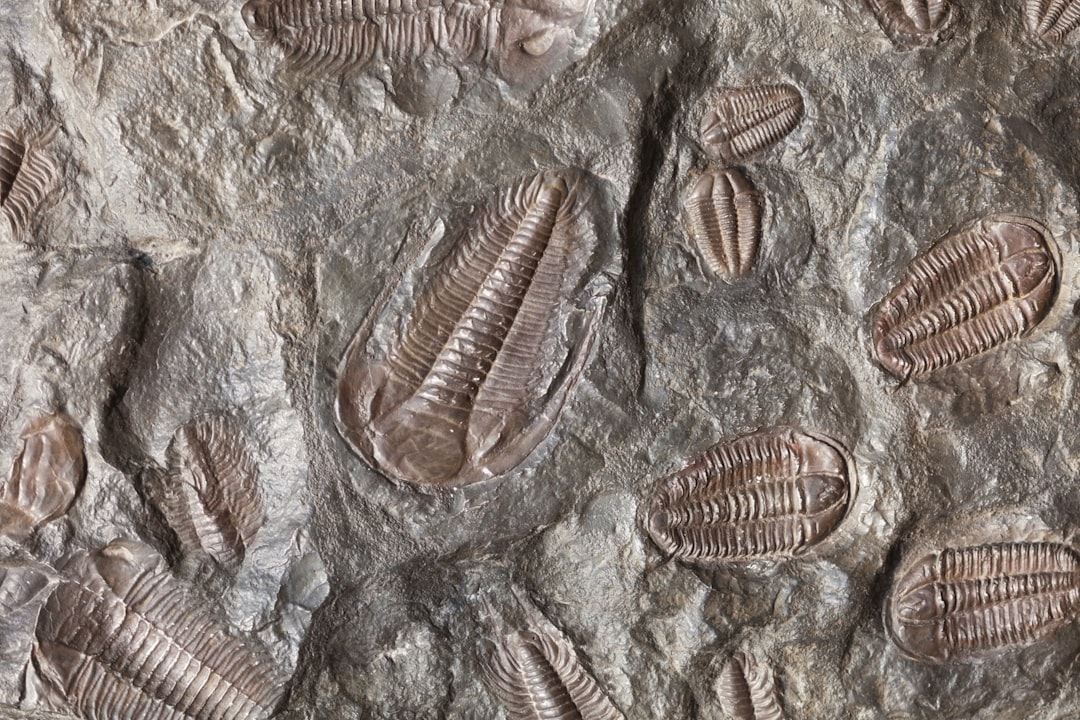
Unlike Neanderthal remains, the Denisovan fossil record consists of only a finger bone, a jawbone, teeth, and skull fragments. By leveraging the surviving Denisovan segments in modern human genomes, scientists have uncovered evidence of at least three past events whereby genes from distinct Denisovan populations made their way into the genetic signatures of modern humans.
Denisovan admixture is most prominent in Oceania, where modern human populations derive approximately four to six percent of their genome from this archaic group, while those in Eurasia and the Americas carry lower levels. Researchers highlight evidence that Denisovans lived across a vast territory stretching from Siberia to Southeast Asia and from Oceania to South America, with different groups appearing to have been adapted to their own specific environments.
Genetic evidence includes older gene flow from an unknown hominin in Africa predating out-of-Africa migrations, and in the last 50,000 to 100,000 years, multiple gene flow events from Neanderthals into ancestral Eurasian human populations, and at least three distinct introgression events from a lineage close to Denisovans into ancestors of extant Southeast Asian and Oceanic populations. The Denisovans, then, weren’t a single population. They were a family of related groups spread across half a continent.
The African Ghost: A Mystery Within the Human Cradle
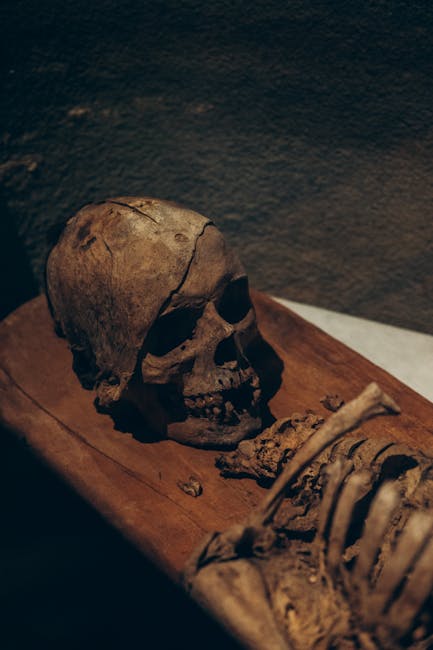
While introgression from Neanderthals and Denisovans has been documented in modern humans outside Africa, the contribution of archaic hominins to the genetic variation of present-day Africans remains poorly understood. Research has provided complementary lines of evidence for archaic introgression into four West African populations, with analyses indicating that these populations derive somewhere between two and nineteen percent of their genetic ancestry from an archaic population that diverged before the split of Neanderthals and modern humans.
The main difficulty in inferring archaic introgression in African modern human genomes is mainly due to the current absence of genetic material from the remains of archaic hominins that could be used as a proxy for studying the source of that introgression, as the climate of the African continent is not favorable for DNA preservation. This creates a frustrating asymmetry: the continent where modern humans originated is also the hardest place to find ancient DNA evidence.
According to a study, there are indications that roughly two to nineteen percent of the DNA of four West African populations may have come from an unknown archaic hominin which split from the ancestor of humans and Neanderthals between approximately 360,000 and over a million years ago. Researchers suspect there is likely evidence of other ghost populations in modern humans in other parts of the world as well. Africa, far from being a simple source point for human evolution, may be hiding the most complex ancestral mixing of all.
How Scientists Detect DNA from Species They’ve Never Found
Using a method that can identify segments of archaic ancestry without the need for reference archaic genomes, researchers built genome-wide maps of archaic ancestry in West African populations. Analyses of these maps reveal segments of archaic ancestry at high frequency in these populations that represent potential targets of adaptive introgression.
Using genomes from 2,000 living humans as well as three Neanderthals and one Denisovan, researchers mapped the gene flow between hominin groups over the past quarter-million years, using a genetic tool called IBDmix that applies machine learning techniques to decode the genome. Previous researchers depended on comparing human genomes against a “reference population” of modern humans believed to have little or no Neanderthal or Denisovan DNA.
Scientists looked for places of high divergence in the genome, identified which were Neanderthal and which were Denisovan, and then examined whether these explained the full picture. As it turns out, if you subtract the Neanderthal and Denisovan parts, there is still something in the genome that is highly divergent. That remainder is the ghost. Powerful computing tools now make it possible to study these remnants systematically, even without a single fossil to compare them to.
The Survival Gifts: When Ancient DNA Helped Us Thrive
The introgression of archaic human DNA has influenced the biology of modern humans through both positive and negative selection. Adaptive introgression provided genetic variants that proved beneficial for survival in new environments, including genes related to the immune system such as HLA alleles, skin and hair morphology, and high-altitude adaptation.
One of the most striking examples of a survival gift from an archaic ancestor is found in Tibetan populations. The hypoxia pathway gene EPAS1 was shown to be associated with adaptation to life on the high-altitude Tibetan plateau. Research on the chromosomal region around EPAS1 in Tibetan and Han Chinese individuals found that admixture with another hominin species helped humans adapt to high-altitude environments, and that the unusual EPAS1 haplotype structure in Tibetans probably resulted from introgression of DNA from Denisovan or Denisovan-related individuals, with this haplotype found only in Denisovans and Tibetans.
A Neanderthal haplotype on chromosome 12, overlapping the antiviral genes OAS1, OAS2, and OAS3 and present at frequencies of roughly thirty percent in all non-African groups, has been found to reduce the odds of developing severe COVID-19 by twenty-two percent. The immune advantages passed down from our archaic relatives are, in some cases, still protecting people today.
The Dark Side: Inherited Risks and Genetic Costs
Not all ancient inheritance is beneficial. Research using a powerful method for scanning the electronic health records of 28,000 Americans showed that some Neanderthal gene variants today can raise the risk of depression, skin lesions, blood clots, and other disorders. The same genetic material that helped ancient humans survive new environments can be a liability in the conditions modern humans live in.
Some archaic HLA alleles have been associated with the development of autoimmune and auto-inflammatory diseases in modern humans. Furthermore, genetic variants inherited from Neanderthals have been shown to contain risk factors for a range of diseases including systemic lupus erythematosus, biliary cirrhosis, Crohn’s disease, and type 2 diabetes.
Large regions of the modern human genome, particularly on the X chromosome and in genes expressed in the testes, are devoid of archaic ancestry. This suggests that purifying selection acted to remove deleterious alleles that likely caused reduced fertility in male hybrids. Research found that thousands of differences in DNA derived from Neanderthals are playing a substantial role in modern humans and influencing dozens of distinct genetic traits, such as how fast someone can burn calories or a person’s natural immune resistance to certain diseases. Evolution, in other words, has been quietly editing the inheritance ever since.
What the Future of Ghost DNA Research Looks Like
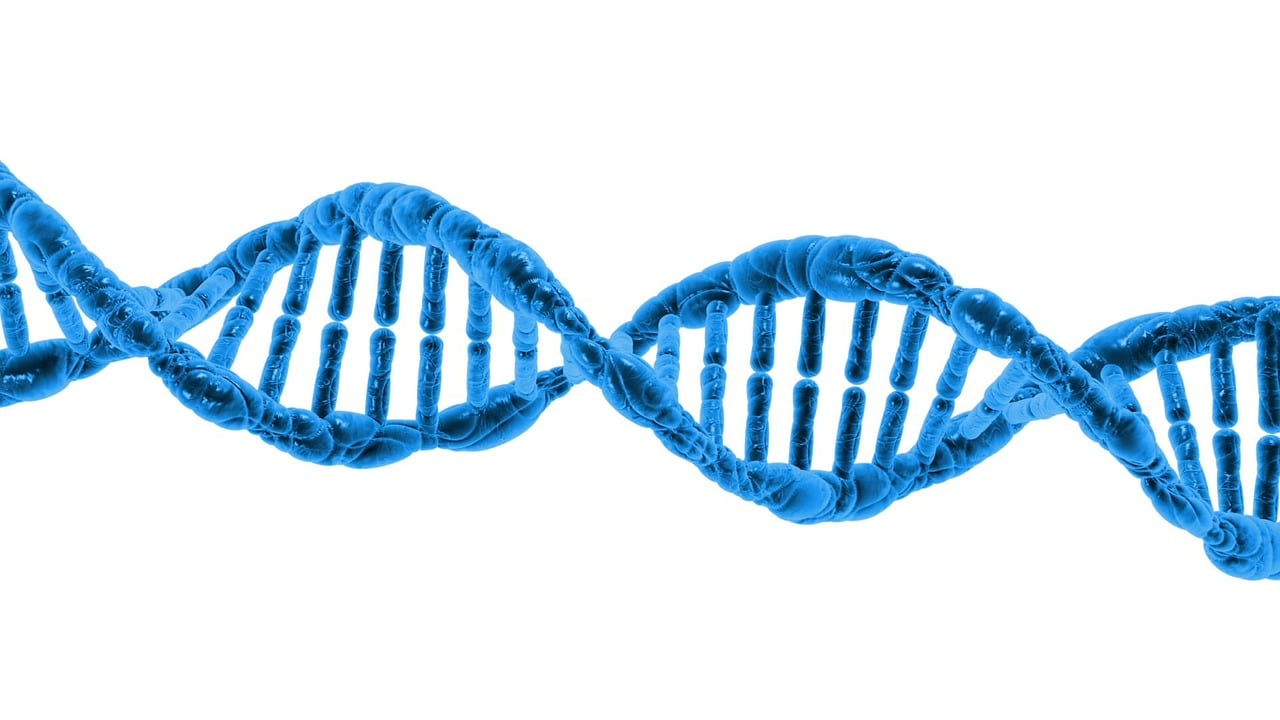
Modern human ancestors diverged from the ancestors of Neanderthals and Denisovans about 600,000 years ago. Until about 40,000 years ago, these three groups existed in parallel, occasionally met, and exchanged genes. The full scope of those exchanges is still being uncovered, and the tools to study them are advancing rapidly.
Recent evidence includes older gene flow from an unknown hominin in Africa predating out-of-Africa migrations, as well as multiple Denisovan introgression events, some of which may have happened as late as 20,000 years before the present, reshaping the way in which scientists think about human evolution. The timelines keep shifting as new methods pull finer signals from living genomes.
It is not just possible but more than likely that other hominins have yet to be discovered that played an essential role in our evolution. Scientists can learn more about these enigmatic species when ancient DNA is recovered, and being able to find DNA even from sediments means we can learn a great deal about where we came from. The most profound discoveries in this field may still be waiting in the dirt of an unnamed African cave, in the genes of a population that hasn’t yet been studied, or in a genome that no one has sequenced yet.
Conclusion: A Species That Was Never Alone
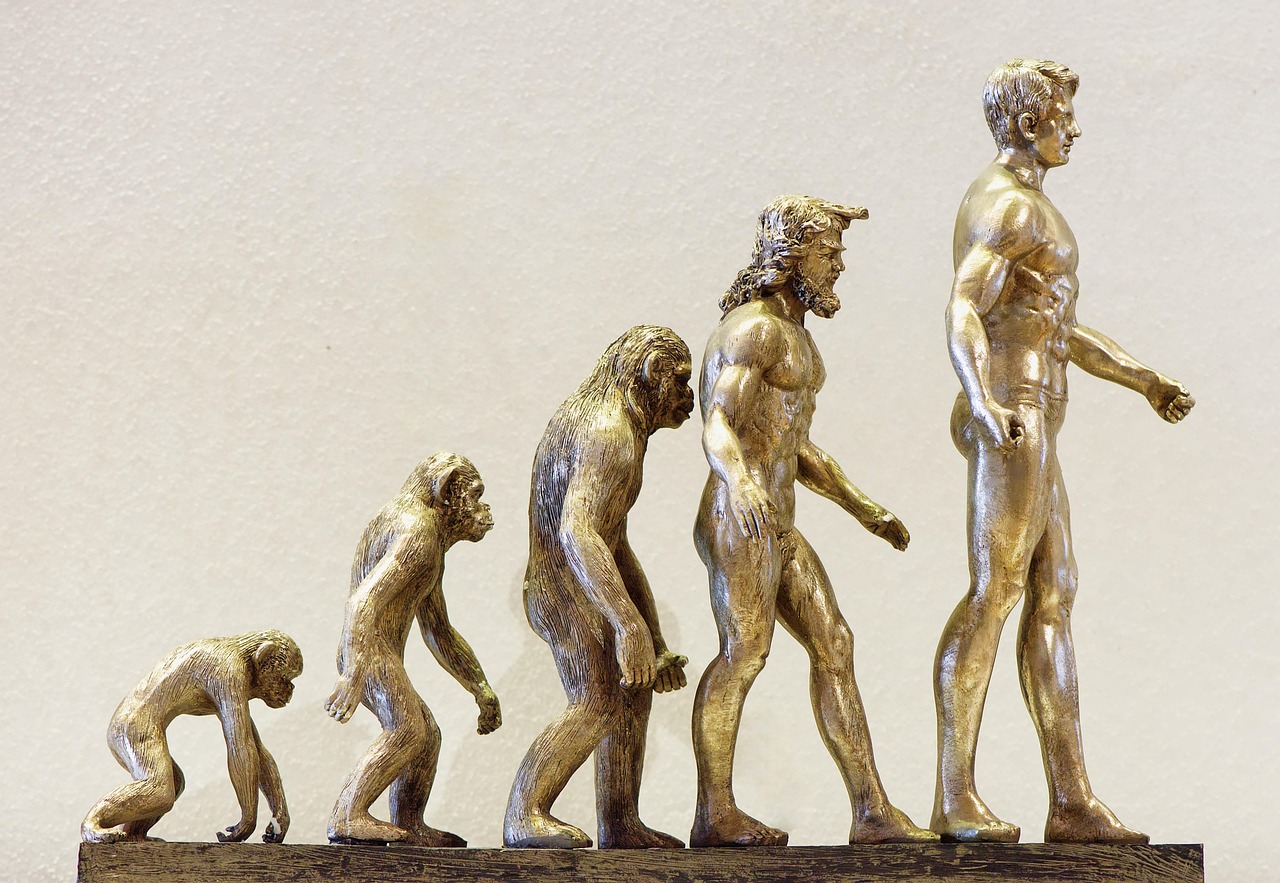
The old story of human evolution was a clean, singular march out of Africa, a single species inheriting the Earth. The science that’s accumulated over the past two decades tells something far messier and more interesting. We are, all of us, genetic mosaics, carrying fragments of relatives we’ll never be able to name.
Ghost DNA forces a quiet rethinking of what a species boundary actually means. These findings have resolved long-standing debates in paleoanthropology, shifting the scientific consensus from a strict “Out of Africa” replacement model to one of assimilation. The line between “us” and “them” was never as sharp as textbooks once suggested.
Perhaps the most unsettling and quietly wonderful implication is this: the species we replaced didn’t fully disappear. Parts of them survived inside us. They’re in the immune systems of people fighting off infections right now, in the blood chemistry of Tibetan highlanders breathing thin air at altitude, and in patterns of gene expression that researchers are still working to understand. We carry the dead with us. We always have.