
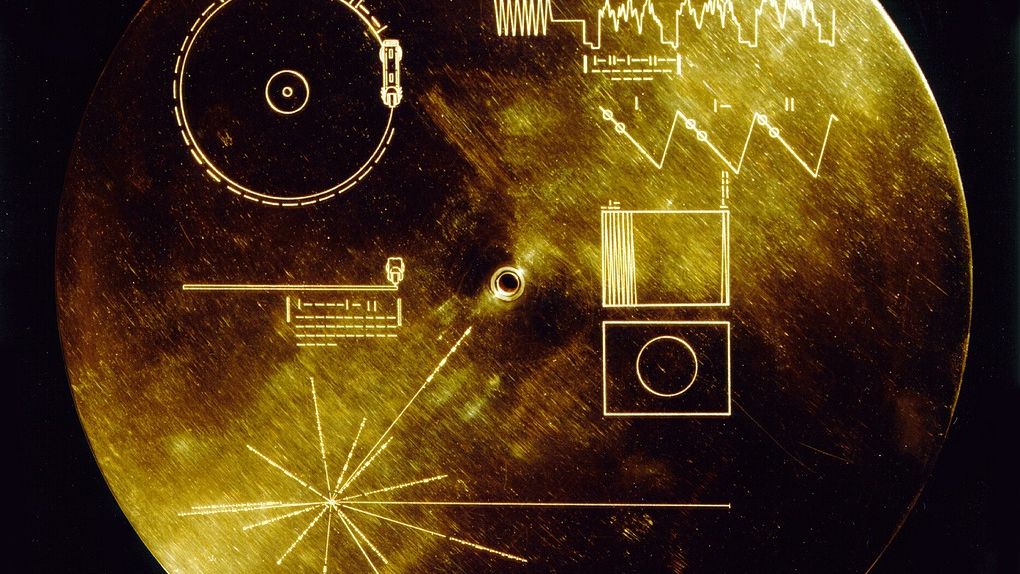

What Voyager 1 Actually Is and Where It Stands Today
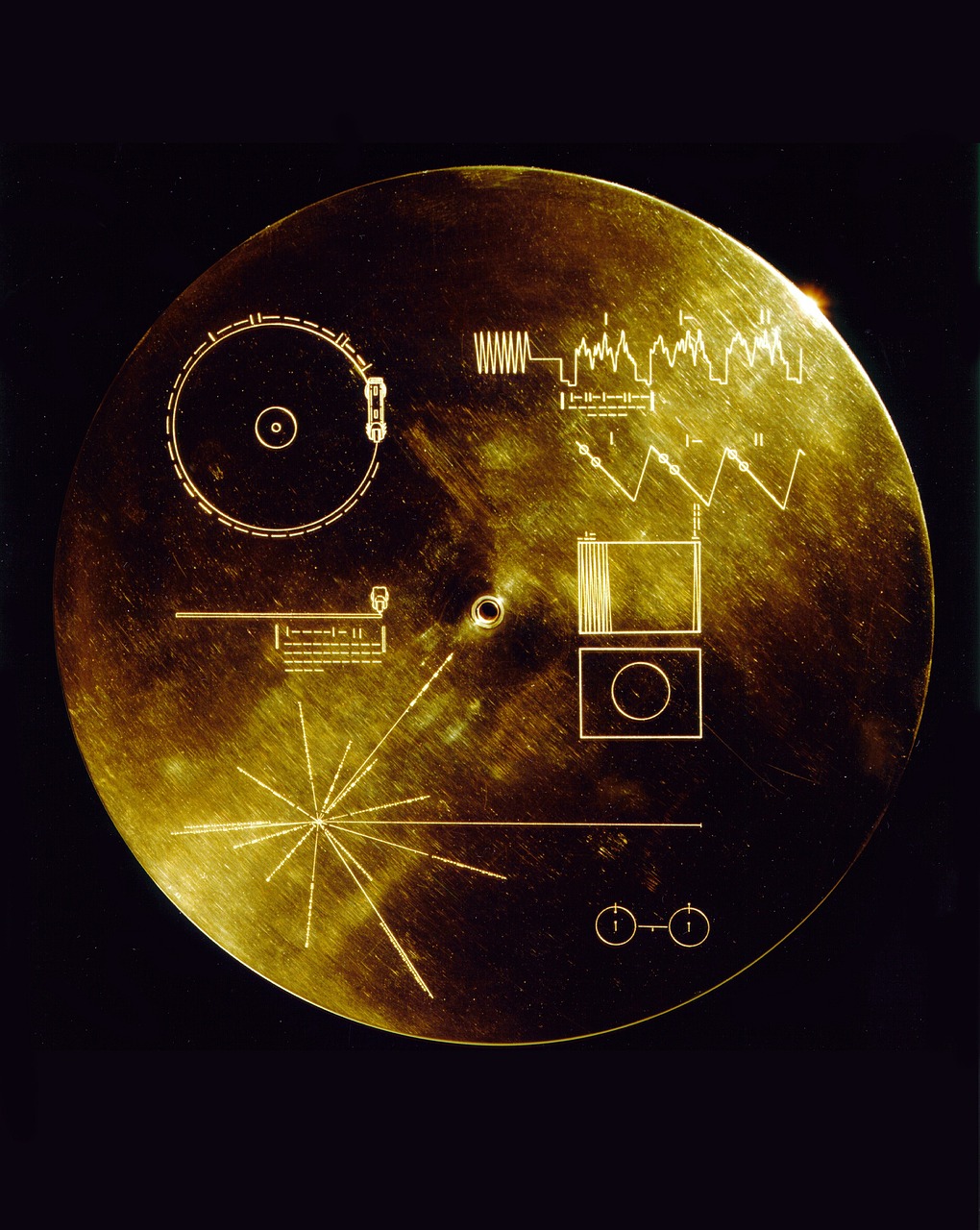
Voyager 1 is a space probe launched by NASA on September 5, 1977, as part of the Voyager program, designed to study the outer Solar System and the interstellar space beyond the Sun’s heliosphere. Few machines built by human hands have performed so far beyond what anyone expected at the time of their construction. Initially designed to last five years, Voyager 1 and its twin Voyager 2 are now the longest-operating spacecraft in history, providing additional insights about the solar system and beyond after achieving their preliminary goals of flying past Jupiter, Saturn, Uranus, and Neptune decades ago.
At a distance of roughly 172.59 AU from Earth as of March 2026, Voyager 1 is the most distant human-made object ever built. To put that in terms that mean something, one astronomical unit is the distance from Earth to the Sun – about 93 million miles. As of 2025, signals from Voyager 1 took more than 23 hours to reach Earth. A two-way conversation with the probe, a simple command and confirmation, requires nearly two full days of waiting. Both Voyagers were still functioning in April 2026.
The Heliopause: Where Voyager 1 Actually Crossed Into Interstellar Space
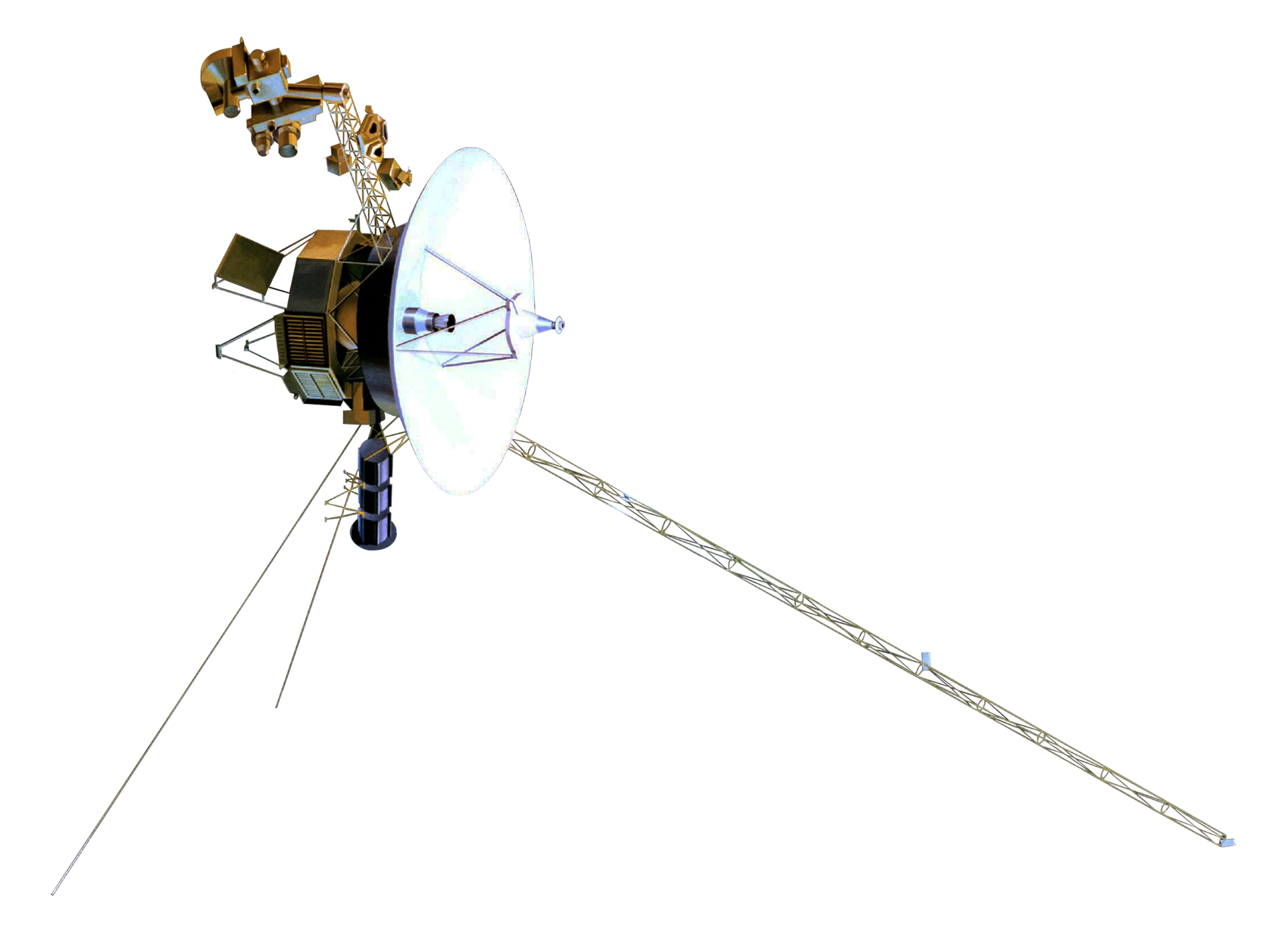
Voyager 1 and its twin Voyager 2 were launched nearly 50 years ago in 1977 to tour the solar system, and both far surpassed their original missions, entering interstellar space in 2012. That boundary, known as the heliopause, is where the solar wind – a constant stream of charged particles from the Sun – loses its dominance against the surrounding interstellar medium. Crossing it was a scientific milestone that no other human-made object had achieved. Both probes are in interstellar space and are the only spacecraft ever to operate beyond the heliosphere, the Sun’s bubble of magnetic fields and particles that extends well beyond the orbit of Pluto.
No spacecraft has entered interstellar space apart from the Voyager probes, which are providing direct measurements of the mysterious environment and helping the scientific community study cosmic rays and radiation levels outside the solar system. It’s worth stressing that interstellar space, despite the word “space,” is not empty. Voyager’s instruments continue to measure plasma density, magnetic fields, and particle flows in a region that no observatory on Earth could ever sample directly. In late 2024, Voyager 1 returned data that puzzled scientists, including a sharp surge in high-energy particles followed by a quick, inexplicable change in magnetic direction.
The Oort Cloud: A Theoretical Frontier Voyager Has Not Reached
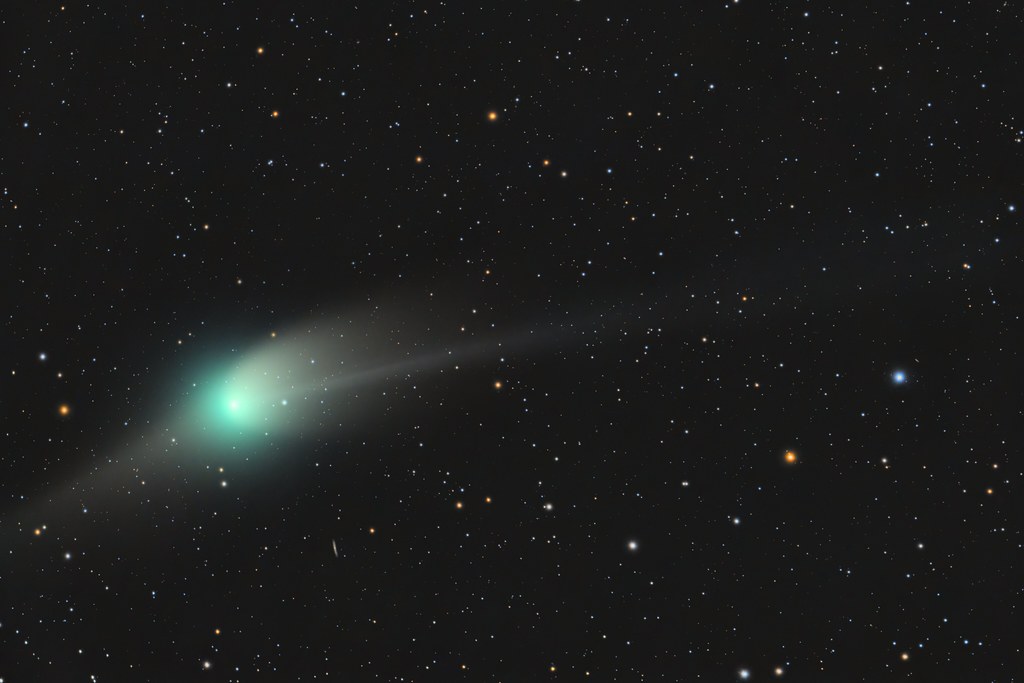
In 1950, astronomer Jan Oort proposed that some comets come from a vast, extremely distant spherical shell of icy bodies surrounding the solar system, a giant swarm of objects now named the Oort Cloud, occupying space at a distance between 5,000 and 100,000 astronomical units from the Sun. For reference, Voyager 1 is currently around 172 AU out. The inner edge of the Oort Cloud begins roughly 5,000 AU away. The distance remaining between the probe and that boundary is staggering. At its current speed of about a million miles a day, NASA’s Voyager 1 spacecraft won’t enter the Oort Cloud for about 300 years, and it won’t exit the outer edge for perhaps 30,000 years.
The Oort Cloud is theorized to be a cloud of billions of icy planetesimals surrounding the Sun at distances ranging from 2,000 to 200,000 AU. No spacecraft has ever come close to it. No telescope has ever directly observed a confirmed Oort Cloud object. No object in the Oort Cloud has been directly observed due to its extreme distance and the faintness of its constituents, and most evidence for its existence is indirect, inferred from the orbits of long-period comets and computer simulations of solar system formation. Any claim linking radio signals to the Oort Cloud in 2025 or 2026 needs to begin here: the Oort Cloud remains theoretical, unreachable by any probe alive today, and invisible to direct observation.
What Fast Radio Bursts Actually Are
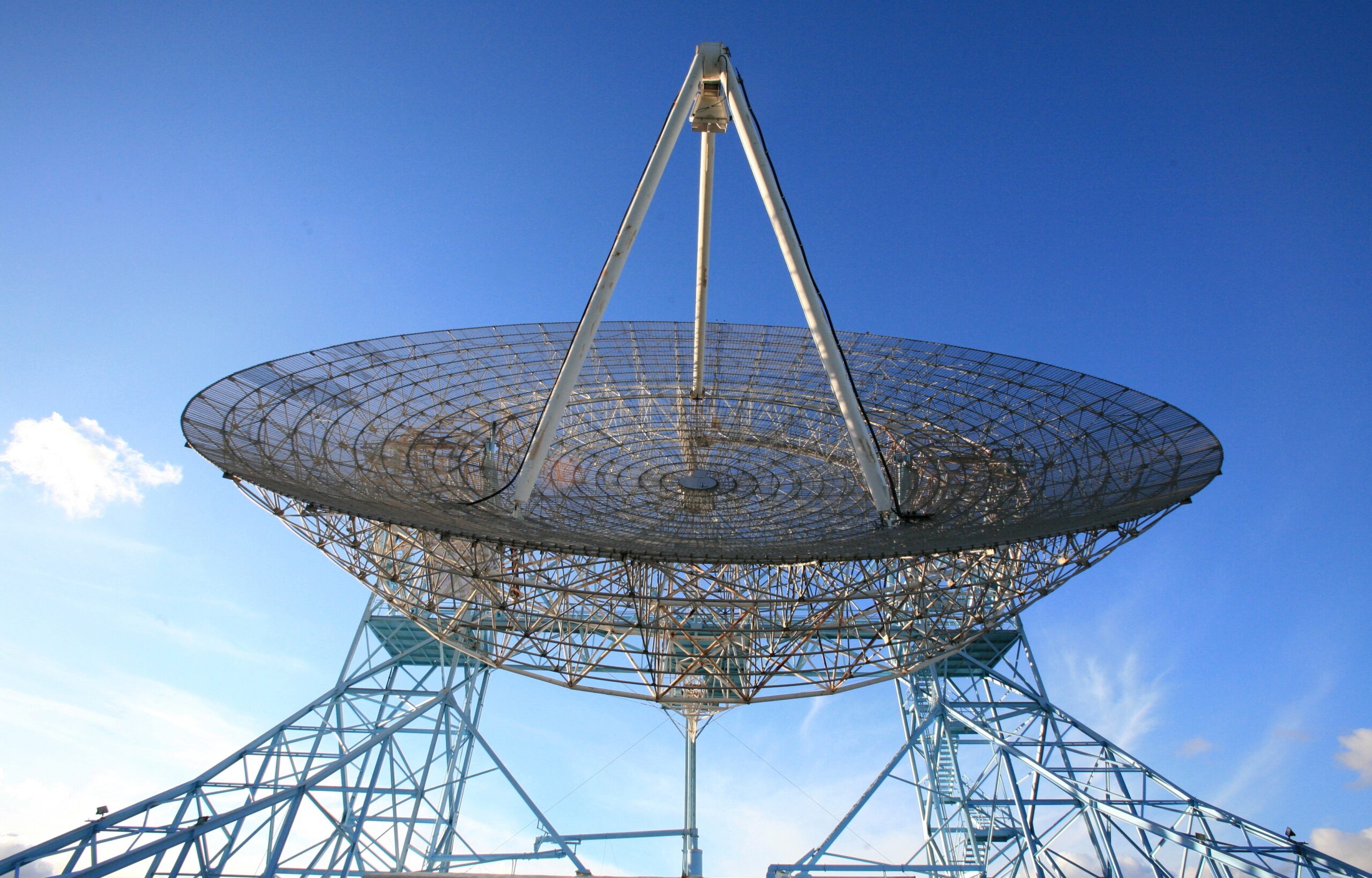
In radio astronomy, a fast radio burst (FRB) is a transient radio wave of duration ranging from a fraction of a millisecond, for an ultra-fast radio burst, to 3 seconds, caused by a high-energy astrophysical process that is not yet understood. These are natural cosmic events, not manufactured signals. Fast radio bursts are millisecond-time-scale bursts of coherent radio emission that are luminous enough to be detectable at cosmological distances. The fact that they can be detected across billions of light-years tells you immediately that they are extraordinarily energetic – and that their sources are external to our solar system, not somewhere in the neighborhood of Earth or Voyager 1.
Flaring up and disappearing within milliseconds, FRBs are brief, powerful radio blasts that generate more energy in one quick burst than our Sun emits in an entire year. Scientists have now catalogued thousands of these events, and not one has been traced to a source within our solar system. These enigmatic events are only a few milliseconds in duration and occur at random locations on the sky at a rate of a few thousand per day, and while it is now well established that they have a cosmological origin, the origins of these sources are currently poorly understood. A burst lasting 3.5 seconds would be on the longer end of the known FRB scale – which tops out at around 3 seconds for the longest confirmed examples – but duration alone says nothing about origin or intent.
The 2023–2024 Voyager 1 Communication Crisis: What Really Happened
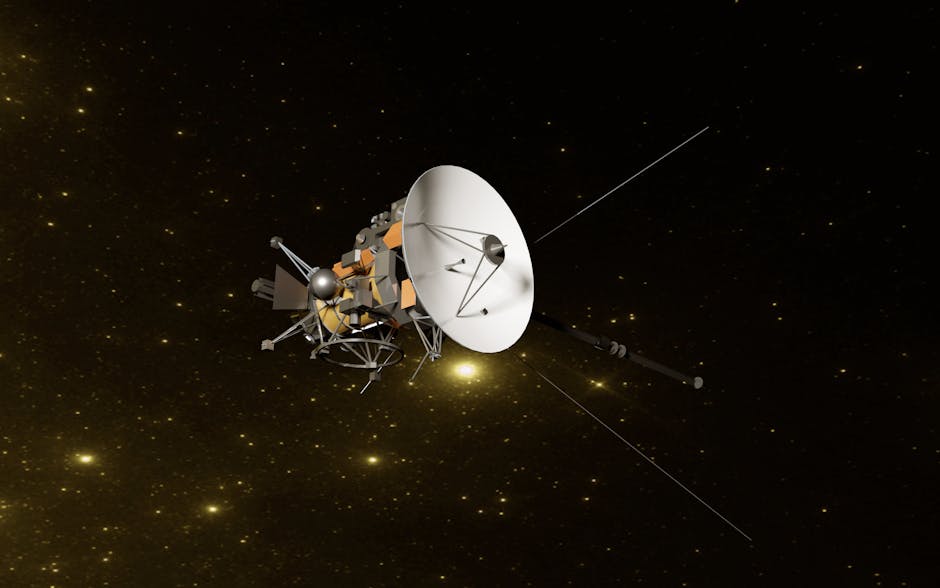
On November 14, 2023, NASA’s interstellar space probe Voyager 1 began sending gibberish back to Earth, and for five months the spacecraft transmitted unusable data equivalent to a dial tone. This real event is likely part of what seeded the viral narrative about mysterious signals. The situation was genuinely alarming for engineers at JPL, and it generated enormous public coverage. In March 2024, engineers discovered the cause of the communication issue: a stuck bit in one of the chips comprising part of Voyager’s onboard memory, specifically a chip containing lines of code used by the flight data subsystem, one of three computers aboard the spacecraft responsible for collecting and packaging data before sending it back to Earth.
JPL engineers sent a command through the Deep Space Network on April 18, 2024, to relocate the affected section of code to another part of the spacecraft’s memory, and roughly 22.5 hours later the radio signal reached Voyager in interstellar space. The fix worked. The mission team received the first coherent data about the health and status of Voyager 1’s engineering systems on April 20, 2024, and everything they had seen so far suggested Voyager 1 was healthy and operating properly. This was a technical recovery story, not a contact event. There was no external signal, no “reply,” and no mystery source beyond a degraded memory chip on an aging spacecraft.
Late 2024: The Real Anomaly That Sparked More Speculation
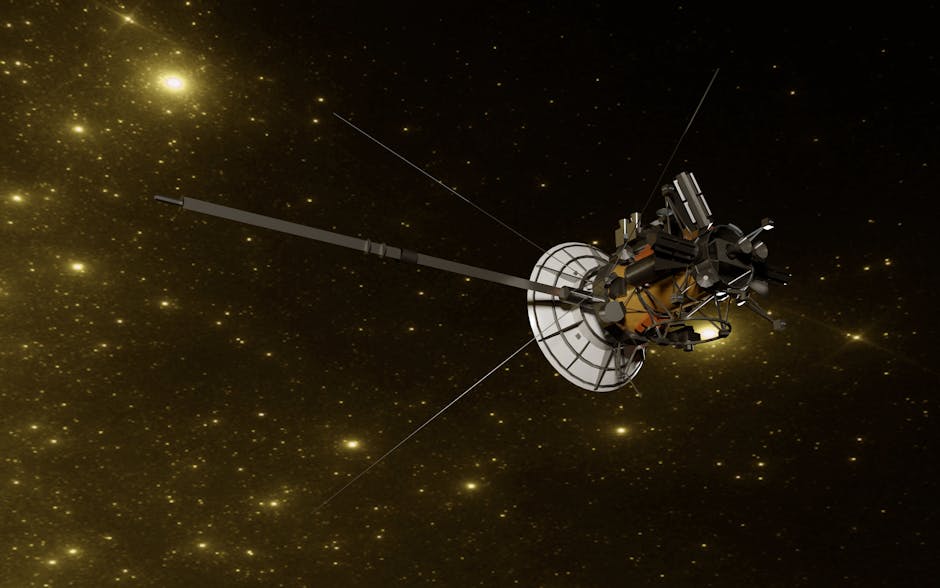
In late 2024, Voyager 1 returned data that puzzled scientists. Rather than the anticipated steady stream of low-density particles and magnetic fields from interstellar space, its sensors detected a sharp surge in high-energy particles followed by a quick, inexplicable change in magnetic direction – and this was not expected to occur in the supposedly “empty” space between stars. This is a real scientific finding, and it deserves to be taken seriously on those terms. Numerous specialists suggested that Voyager 1 may have crossed over a new, previously unseen structure – possibly a shockwave or an intensely magnetically active filament.
That kind of finding is genuinely exciting to astronomers, precisely because Voyager is the only instrument capable of taking these measurements in situ. While some exotic theorists posited the anomaly might indicate an artificial signal or response from an extraterrestrial megastructure, NASA vigorously discounted these theories, stressing the necessity for further data. The honest scientific position is that the anomaly reflects something real and previously unmeasured about interstellar space – likely a natural structure – and further analysis is required before stronger conclusions can be drawn. That is not a disappointing answer. It’s what good science looks like.
Why No Signal Could “Reply” to Voyager 1 From the Oort Cloud
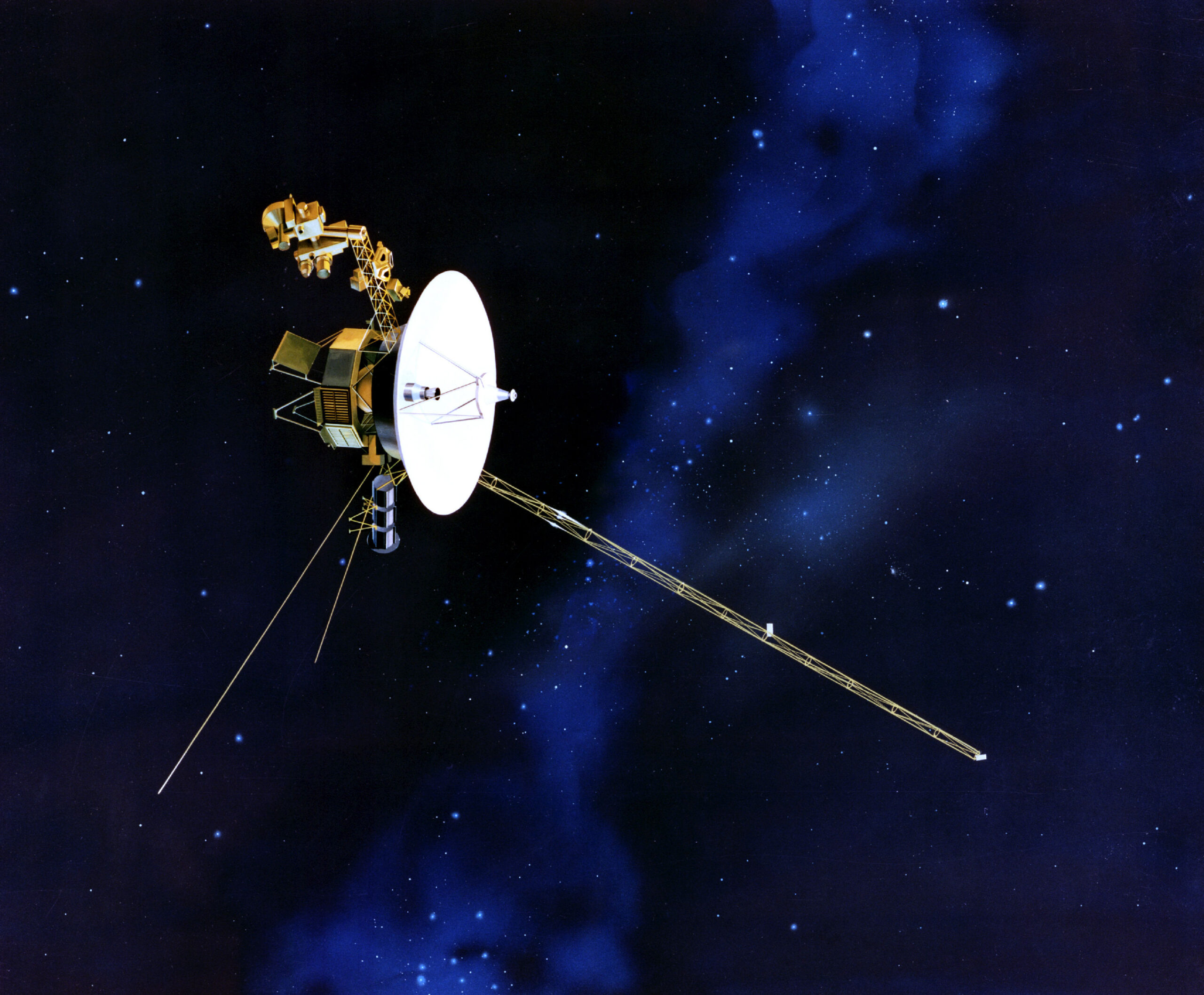
The claim that a 3.5-second radio burst “replied” to Voyager 1 rests on at least three separate impossibilities. First, Voyager 1 has not reached the Oort Cloud and won’t for centuries. NASA’s Voyager 1, humankind’s most distant spacecraft, is around 125 AU from the Sun – a tiny fraction of the distance to where the Oort Cloud begins. Second, a radio signal takes 22.5 hours to traverse the distance between Earth and Voyager 1, and it then takes another 22.5 hours to get a signal back from the craft. Any “reply” to Voyager would require whoever or whatever sent it to detect Voyager’s presence, formulate a response, and transmit it within seconds – physically nonsensical given the distances involved. Third, Voyager’s transmitter output is tiny: its signal is so faint by the time it reaches Earth that enormous 70-meter dish antennas are needed just to detect it.
The laws of physics don’t allow for a spontaneous echo or reply at these distances without enormous time delays and extraordinary energy expenditures. Voyager 1 is escaping the solar system at a speed of about 3.5 AU per year. At that pace, it is nowhere near any theorized dense structure capable of reflecting or generating a coherent response signal. Any radio source in the outer solar system vicinity would also have to be stationary, directional, precisely timed, and aimed at a moving target spanning billions of miles – none of which squares with natural astrophysical processes or current scientific understanding of what exists in that region of space.
Why Signal Verification Matters Before Any Claim Becomes Fact
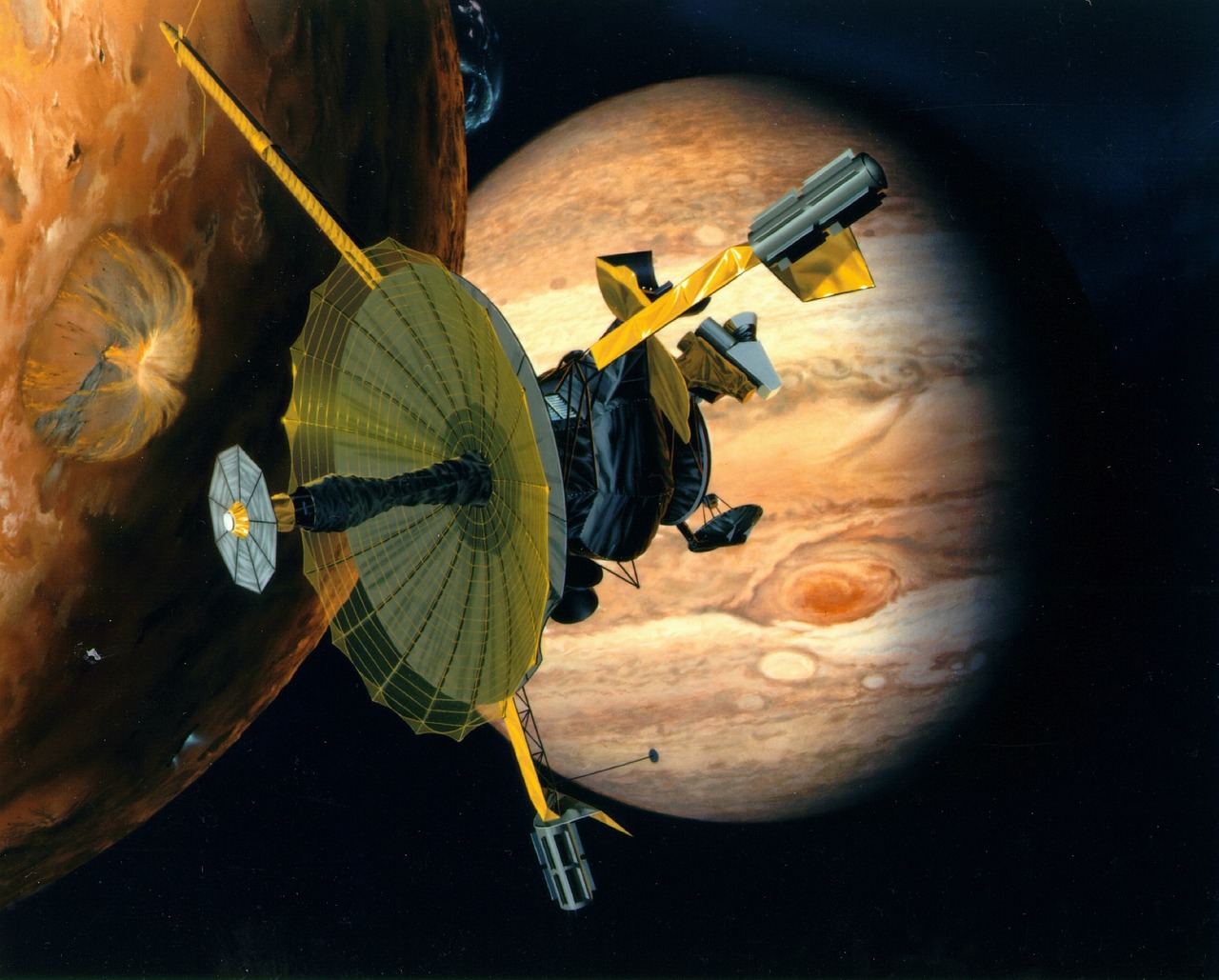
When the flight team at NASA’s Jet Propulsion Laboratory beams instructions to the spacecraft via the agency’s Deep Space Network, Voyager 1 sends back engineering data that the team assesses to determine how the spacecraft responded to the command. Every signal, anomaly, and readout goes through careful verification by teams of engineers and scientists before any conclusion is drawn. That process is slow, methodical, and deliberately cautious – for good reason. The engineering team with NASA’s Voyager 1 spacecraft is operating on a principle that the interstellar explorer is working normally, receiving and executing commands from Earth, along with gathering and returning science data. Every deviation from expected behavior gets logged, reviewed, and subjected to multiple possible explanations before extraordinary ones are entertained.
The broader lesson here applies to any dramatic claim about space signals. Because of the isolated nature of observed phenomena in radio astronomy, the nature of sources often remains speculative, and as of recent years there is no generally accepted single explanation for many signal types. That uncertainty is a feature of active science, not a gap waiting to be filled by speculation about alien replies. As of 2026, only two instruments remain operational on Voyager 1: the Plasma Wave Subsystem and the magnetometer. Those instruments measure real, physical phenomena in the interstellar medium – plasma oscillations and magnetic field variations. Their data is priceless. Framing it as mysterious contact undermines the genuine scientific value of what Voyager 1 continues to send home.
What the Science Is Actually Telling Us
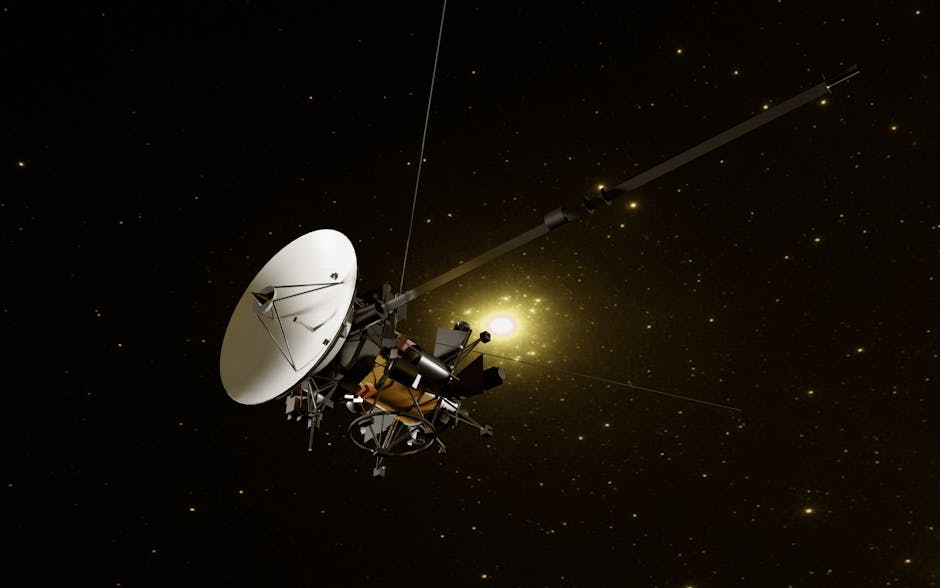
There may be hundreds of billions, even trillions, of icy bodies in the Oort Cloud. That’s a remarkable number, and the region they inhabit remains almost entirely unknown from a direct-observation standpoint. The outer limits of the Oort Cloud may extend as far as 100,000 to 150,000 AU, potentially more than halfway to the nearest star, Proxima Centauri, and at such distances the Sun’s gravity is so weak that comets there are easily affected by the gravitational pull of passing stars or by tidal forces from the Milky Way galaxy itself. The science of that region is genuinely unsolved and rich with open questions – questions that don’t require fictional alien signals to be fascinating. Meanwhile, Voyager 1 is projected to reach a distance of one light day from Earth in November 2026, a milestone that will make even basic communication more challenging. Engineers at JPL are already preparing for what that means in practical terms.
Voyager 1, despite being an aging spacecraft powered by a decaying plutonium battery, continues to deliver insights that challenge our models of space, and there are already plans to utilize this information to hone instruments for future missions – including interstellar probes that may someday follow in Voyager’s footsteps. The real story of Voyager 1 in 2025 and 2026 is one of endurance, incremental discovery, and hard-won data from the most remote environment humanity has ever measured. That story is compelling enough without embellishment. Every genuine anomaly it records expands our understanding of the interstellar medium in a way that no Earth-based telescope can replicate. No “reply” from the Oort Cloud is needed to make that extraordinary. Voyager 1’s actual journey – the real one, measured in decades of data and decades of distance – is stranger and more wondrous than any invented signal. The deeper you look into the verified science, the more that becomes clear.