

Understanding Biological Age vs. Chronological Age
Biological age is a concept that reflects the physiological state of an individual rather than the chronological time since birth. That distinction matters more than most people realize. Your birth year is fixed. Your biological age is not.
Biological age, conditioned by genetic, lifestyle, comorbidity, and environmental factors, defines the aging of tissues that contributes to the decline of organ function, the loss of functional reserve, and a decrease in regenerative capacity. In practical terms, some people’s cells behave years younger – or older – than their actual age, depending on how they live.
Biological age can help assess the risk of age-related diseases and mortality, and can also reflect the effects of interventions designed to slow down or reverse aging. This is exactly why researchers and longevity-focused practitioners now look beyond birthdays to understand who is truly “aging well” and who isn’t.
Telomeres: The Cellular Clock That Biohackers Obsess Over
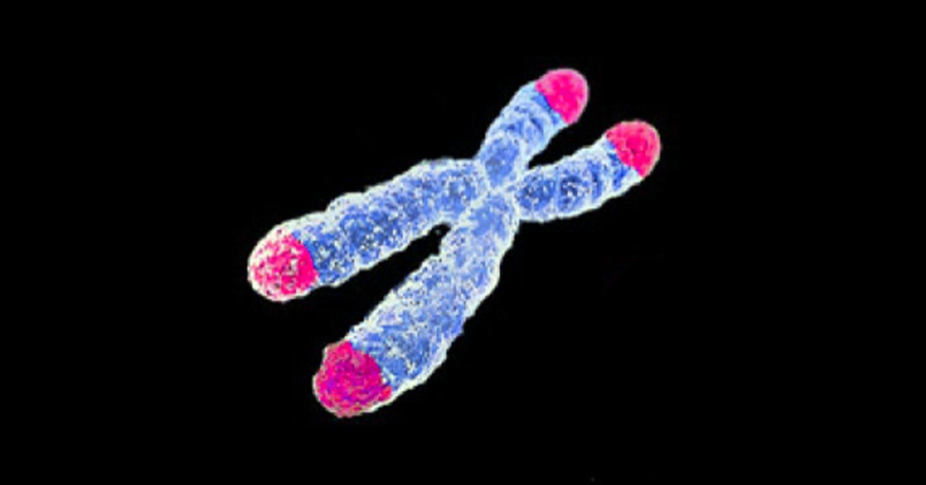
Telomeres are protective caps found at the ends of your chromosomes, similar to the plastic tips on shoelaces. Every time a cell divides, those caps get a little shorter. When they become too short, the cell either stops dividing or dies. That process, playing out trillions of times across your body, is one of the most fundamental mechanisms of aging.
Telomere shortening is a well-known hallmark of both cellular senescence and organismal aging, and an accelerated rate of telomere attrition is also a common feature of age-related diseases. Stress, poor sleep, chronic inflammation, and inactivity all speed up that shortening. The encouraging part is that lifestyle choices can slow it down considerably.
In addition to natural shortening due to cell division, telomere attrition can be accelerated through a myriad of internal and external stimuli. Research implicates age-related telomere length with a broad range of risk factors that predict disease, disability, and early death. Understanding this makes morning habits far less trivial than they might first appear.
Morning Sunlight: The Free Tool That Resets Your Internal Clock

Participants should aim to get natural sunlight exposure within the first hour after waking up, as this helps regulate the sleep-wake cycle and enhances alertness during the day. This isn’t a wellness trend – it’s rooted in how the human body is wired at a molecular level.
Morning natural sunlight exposure helps synchronize circadian clocks, supporting metabolic health and slowing age-related decline. The circadian clock, in turn, governs a remarkable range of biological processes, from hormone release and immune function to DNA repair and cellular metabolism.
The circadian clock, which controls daily physiological processes, is intricately linked to aging and overall health. Circadian disruptions can lead to metabolic dysfunction, impaired immune responses, increased DNA damage, and elevated disease susceptibility. On the other hand, maintaining robust circadian rhythms through interventions such as regular sleep-wake patterns, time-restricted feeding, and physical activity may extend health span and longevity. Those five minutes of early morning light are effectively telling every cell in your body what time it is.
The Circadian-Aging Connection: Why Timing Matters for Your Cells
Circadian aging describes the convergence of linear time, associated with aging, and cyclical time, governed by circadian rhythms. At this intersection, circadian robustness declines, and aging phenotypes emerge in a mutually reinforcing process. When your internal clock weakens, the speed of biological aging tends to increase.
In aging mammals, these rhythms tend to adapt to the age stage by modifying their period, phase, and amplitude until later life, when these rhythms fragment or dampen, contributing to metabolic dysfunction, cognitive decline, immunosenescence, and sleep disruption. The good news is that this fragmentation isn’t inevitable.
Evidence indicates that restoring circadian function can improve health span, offering opportunities for chrono-geroprotective strategies. Recent studies show that age-related circadian decline may not be inevitable, but modifiable by enhancing circadian amplitude via light, feeding schedules, or genetic interventions. Getting morning light is one of the simplest and most accessible of those strategies.
The 5-Minute Breathing Practice That Protects Your Cells From Stress

Breathing exercises related to mindfulness-based stress reduction practice may cause changes in the activity of the autonomic nervous system, such as an increase in vagal tone and a reduction in adrenergic action. Diaphragmatic breathing practice may reduce stress and cortisol levels. That’s not a small effect – chronically elevated cortisol is one of the more well-documented drivers of accelerated cellular aging.
The application of diaphragmatic breathing to athletes after exhausting training reduced the production of cortisol, increased melatonin levels – which is a very powerful antioxidant hormone – and reduced oxidative stress. Diaphragmatic breathing can therefore protect individuals from oxidative stress. A few slow, intentional breaths each morning may set the tone for your entire hormonal environment for the day.
Meditation practice has been found to increase telomerase activity and telomere length while lowering cortisol levels and improving mental health, suggesting its potential as a biomarker for combating human aging. This suggests mindfulness may be especially effective at restoring a healthier cortisol rhythm – not just reducing stress in the moment, but resetting how the day begins. Five minutes, practiced consistently, appears to be enough to begin shifting that rhythm.
Exercise and Telomere Length: What the Numbers Actually Say

Because each year of chronological age was associated with telomeres that were 15.47 base pairs shorter in a national sample, 90 minutes per week of strength training was associated with approximately 3.9 years less biological aging, on average. This interpretation suggests that an hour of strength training three times per week was associated with 7.8 years less biological aging. That’s a meaningful number – nearly a decade of cellular difference, driven by a regular habit.
While acute exercise triggers the production of reactive oxygen species, regular exercise training enhances the body’s endogenous antioxidant system, offering protection against the harmful effects of oxidative damage. This antioxidant effect protects cells from oxidative damage, which in turn preserves the integrity of telomeres. In addition, exercise reduces the levels of inflammatory markers such as C-reactive protein and tumor necrosis factor-alpha, which can protect telomeres from inflammation-induced damage.
Compelling evidence from a meta-analysis of 11 studies found that master athletes have longer telomeres than sedentary individuals. The telomere length elongation of master athletes is attributed to reduced inflammation, an improved antioxidant defense, enhanced binding of shelterin complex proteins, elevated mitochondrial biogenesis, and telomerase activity. You don’t have to be a competitive athlete for this to matter, but moving consistently turns out to be one of the most powerful cellular anti-aging tools available.
Diet, Antioxidants, and Hydration: The Cellular Support System

Most studies indicate an important role of diet in the degree of biological aging. A healthy diet characterized by a high intake of dietary fiber and unsaturated lipids exerts a protective role on telomere health, whereas high consumption of sugar and saturated lipids accelerates telomere attrition. Those effects are likely globally mediated by oxidative stress and inflammation, as antioxidant and anti-inflammatory properties of nutrients are associated with longer telomeres.
In a cross-sectional study of children and adolescents, individuals who regularly ate fruits and vegetables were found to have longer telomeres. It is noted that antioxidants from vegetables and fruits are associated with the maintenance of the telomere biology of individuals. This relationship persists across age groups – what you put into your body each morning sets the biochemical environment your cells have to work with all day.
A balanced diet, such as the Mediterranean diet, is rich in antioxidants, fiber, polyphenols, and omega-3 fatty acids, which help reduce oxidative stress and chronic inflammation in the body, thereby protecting telomeres from damage. Starting the day with a nutrient-dense meal, alongside adequate hydration, helps maintain the metabolic conditions in which cells can repair and function properly rather than simply survive.
Building the Habit: Why Consistency Is the Real Secret

Your circadian rhythm is more than a sleep schedule. It is a foundational system that influences how your body functions, repairs, and ages. The link between circadian rhythm and epigenetics highlights just how deeply daily habits can impact long-term health. Repeating the same morning sequence each day isn’t just about willpower – it’s about giving your biology a reliable signal to anchor to.
Going to bed and waking up at the same time each day supports stable rhythms and gene expression patterns. Consistent timing amplifies the benefits of everything else you do. The sunlight exposure, the breathing practice, the first meal – each of these becomes more effective when done at the same time and in the same order.
Prioritizing consistent sleep, morning light, and balanced daily habits can support not just how you feel today, but how you age. The phrase “5-minute morning habit” is easy to dismiss as oversimplified. The science, though, is clear that short, repeated inputs into the body’s timing and stress systems accumulate into measurable differences at the cellular level over months and years.
Conclusion: Small Inputs, Real Cellular Consequences

The idea that a handful of minutes each morning could influence how fast your cells age sounds almost too convenient. The research, however, consistently points in the same direction. Telomere length, circadian alignment, cortisol levels, and oxidative stress are all genuinely sensitive to daily lifestyle inputs – and all of them can be nudged in a favorable direction through habits that take very little time but require real consistency.
There’s no single morning ritual that reverses aging or guarantees longevity. What the evidence does support is that the cumulative effect of protecting your circadian rhythm, reducing cortisol each morning, staying active, and eating in a way that limits oxidative stress can translate into biological age markers that look meaningfully younger than your chronological age – possibly by several years.
The gap between how old you are and how old your cells act is not fixed. That, quietly, is one of the more remarkable findings to come out of modern longevity research. How you spend the first few minutes of each day is a small but legitimate part of writing that story.