

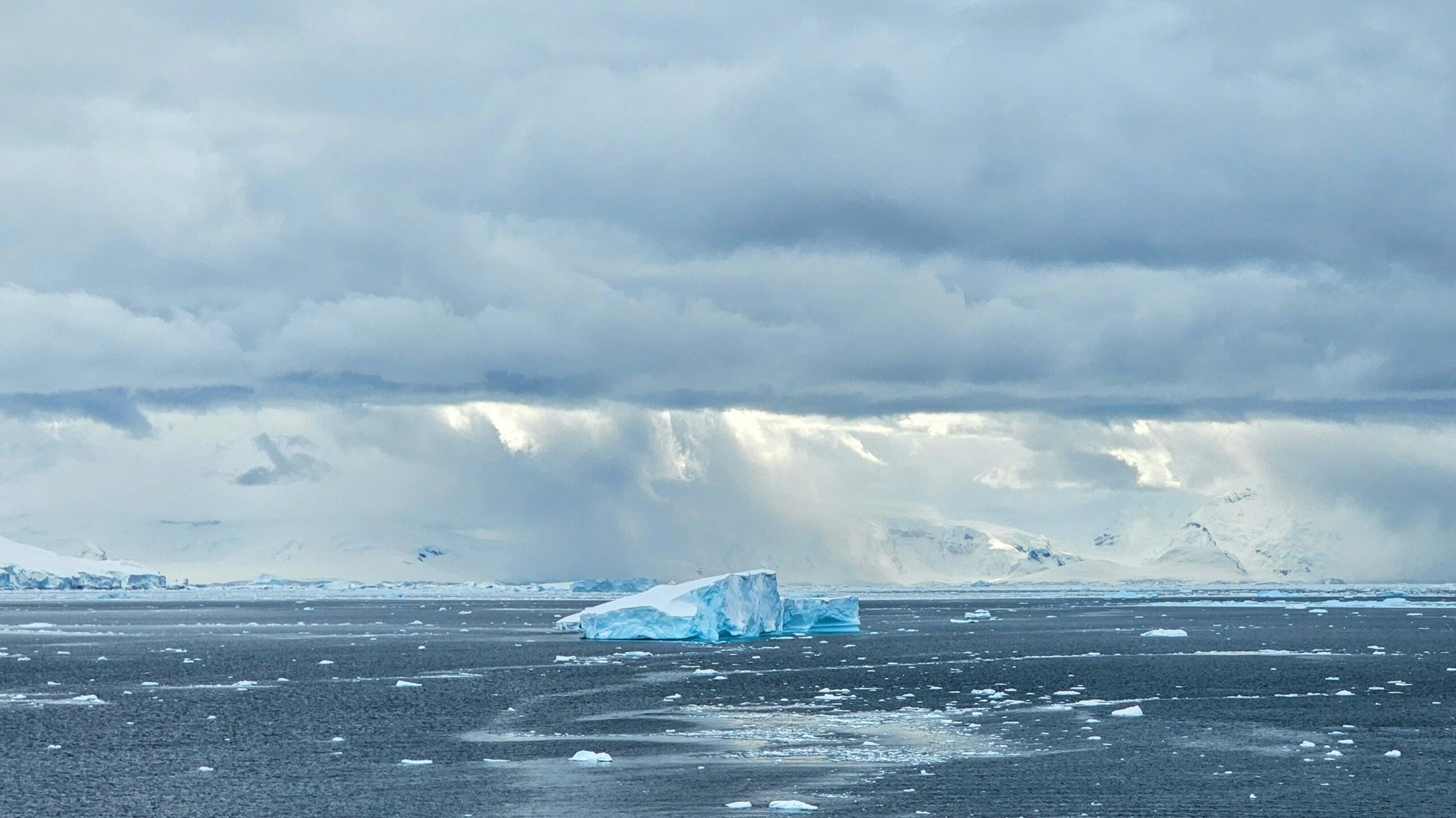
Unlocking Decades of Hidden Ocean Patterns (Image Credits: Unsplash)
Researchers analyzing oceanographic records spanning decades have uncovered compelling signs that heat stored in the deep ocean around Antarctica is shifting closer to the continent’s vulnerable ice shelves. This gradual movement, confirmed for the first time through meticulous data review, raises alarms about accelerated melting from below. The findings highlight a subtle but persistent trend that could undermine the stability of these critical ice structures.[1][2]
Unlocking Decades of Hidden Ocean Patterns
Oceanographers turned to long-term datasets from instruments like Argo floats, which have profiled waters around Antarctica since the 1970s. These autonomous devices dive repeatedly, capturing temperature and salinity profiles that revealed a surprising buildup of warmth in deeper layers. For years, fresher surface waters created a stable cap, trapping heat below and even allowing Antarctic sea ice to expand until about 2016.[1]
Around that time, shifts in wind patterns disrupted this balance. Stronger southerly winds pushed surface waters aside, allowing pent-up deep heat to surge upward and outward toward coastal zones. This “violent release,” as one researcher described it, marked the onset of dramatic sea ice losses that persist today. The data provided the clearest evidence yet of deep ocean warmth positioning itself nearer to ice shelf bases.[1]
Mechanisms Bringing Deep Heat to the Frontlines
Circumpolar Deep Water, a relatively warm layer residing at intermediate depths, has long posed a risk to ice shelves by melting them from underneath. New modeling refined with seal-borne sensors and high-resolution simulations shows how seasonal winds and seafloor topography control its access. In some regimes, cold surface flows form a barrier over the continental shelf, shielding shelves from offshore heat. Weaker winds or shifting sea ice allow intrusions through submarine canyons.[3]
Over decades, gradual ocean warming has intensified these episodes. Observations from autonomous gliders under the Ross Ice Shelf, for instance, detected a 50-meter-thick layer of water at -1.7°C intruding from open seas – warm enough to erode ice directly. Such events, tracked across 45 years of blended wind, temperature, and current records, demonstrate a rising flux of heat toward shelf cavities.[2]
Ekman transport, driven by winds, carries this surface-warmed layer southward instantly, bypassing slower deep mixing. The trend equates to an extra 20 to 80 centimeters of annual ice thinning on major shelves like the Ross, compounding basal melt from deeper sources.
From Sea Ice to Shelf Vulnerability
The deep heat release first manifested in sea ice, which expanded for nearly four decades before plummeting after 2016. This loss removes a vital buffer: sea ice dampens waves that fracture shelves and reflects sunlight to keep waters cool. Without it, exposed shelves face intensified erosion by upwelling warmth.[1]
Ice shelves buttress the Antarctic Ice Sheet, restraining land glaciers from sliding seaward. Thinning here accelerates discharge, with the full sheet holding enough ice to raise global seas by 58 meters. Recent glider data marks the first direct view of warm intrusions displacing colder waters under shelves, signaling heightened risk.[2]
- Pre-2016: Stratified oceans trapped heat, aiding sea ice growth.
- Post-2016: Wind shifts vented deep warmth, triggering ice losses.
- Ongoing: Increased shelf exposure to Circumpolar Deep Water via dynamic pathways.
Broader Ramifications and Research Gaps
These insights stem from integrated analyses, including Argo floats, seal tags, and gliders that accidentally probed shelf cavities. They underscore climate change’s role in amplifying wind-driven heat delivery, though natural variability contributes. Models must now incorporate fine-scale eddies, bathymetry, and seasonality for accurate forecasts.[3]
While floating shelf melt does not directly lift sea levels, destabilization hastens grounded ice flow. Projections carry uncertainty, but the decades-long creep of deep heat demands expanded monitoring in this remote region. Enhanced observations could refine predictions of how quickly Antarctica reshapes coastlines worldwide.
As deep ocean dynamics unfold, the quiet advance toward ice shelves serves as a stark reminder of interconnected climate signals. Sustained vigilance offers the best chance to anticipate and adapt to the changes ahead.