
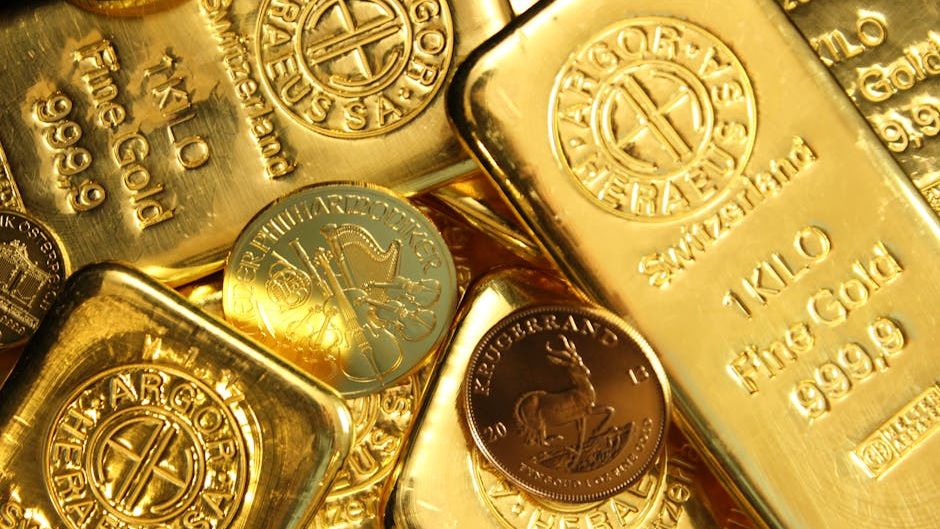

Asset #1: Gold – The Original Inflation Anchor
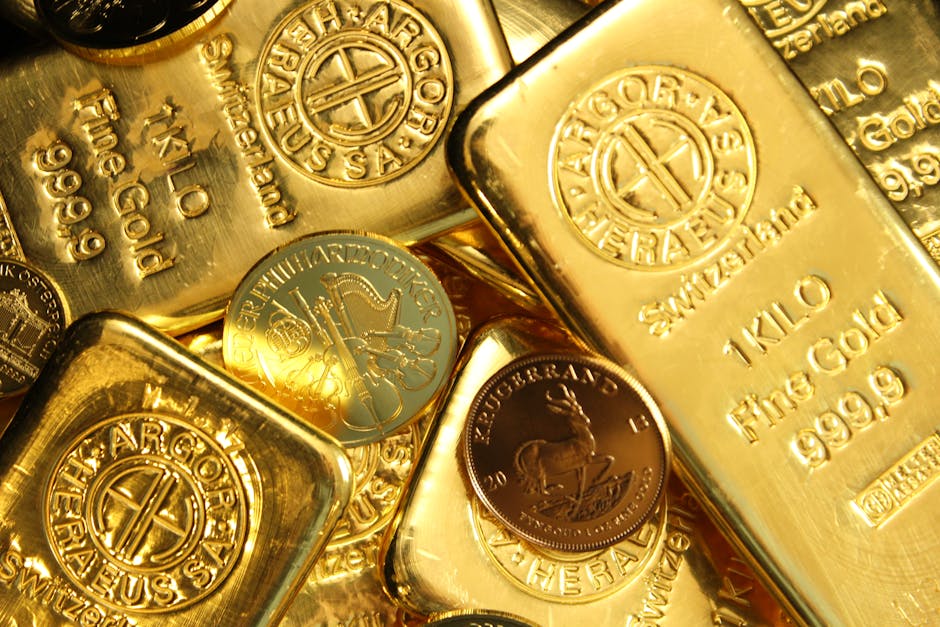
Gold’s reputation as an inflation hedge did not emerge from theory. It was earned during one of the most economically turbulent decades in modern American history. The 1970s delivered gold’s first great bull market as a freely traded asset. Runaway inflation, two oil crises, the Soviet invasion of Afghanistan, and the Iranian hostage crisis drove gold from $35 to a peak of $850 per ounce in January 1980 – a gain of over two thousand three hundred percent in less than a decade.
The mechanics behind that move matter more than the number itself. When inflation outpaces the yield on cash or bonds, real interest rates turn negative. At that point, holding dollars or Treasuries costs you money in purchasing power terms, quietly, every year. That’s when gold becomes compelling. It doesn’t pay a dividend or yield, but in a world where those instruments are losing ground to inflation, that absence barely registers.
Historically, gold has been an effective long-term inflation hedge, though an imperfect short-term one. From 1971 to 2025, gold rose from $41 to over $2,800 per ounce, far outpacing cumulative CPI inflation. However, gold lost value in real terms during the 1980s and 1990s when real interest rates were high. This matters because it tells you exactly when gold works: when real rates are negative and monetary conditions are loose. When rates rise sharply and inflation is crushed, gold tends to lag.
From 1971 to 2025, gold’s compound annual growth rate has been approximately eight to nine percent, outperforming inflation, which ran at roughly four percent annually over the same period. Over decades, that gap compounds into serious wealth preservation. The World Gold Council’s research confirms the pattern holds beyond the 1970s: stagflation – specifically, rising inflation expectations combined with falling growth expectations – has historically triggered increased gold demand, particularly from ETF investors and retail bar-and-coin buyers. Whether you’re looking at 1979 or 2022, the mechanism has remained consistent.
Asset #2: Real Estate – The Inflation Hedge That Pays You Back

Real estate occupies a unique position among inflation hedges because it does something gold cannot: it generates income while it appreciates. When prices rise broadly across an economy, rents tend to follow. Historical data shows that real estate has consistently acted as a solid inflation hedge. Between 1975 and 1981, when U.S. inflation averaged over nine percent, home values nearly doubled, increasing by about ninety percent according to U.S. Census Bureau data. Rental income also provided steady returns, with rents increasing by roughly seven and a half percent annually from 1974 to 1980.
According to McKinsey’s analysis, commercial real estate outperformed inflation, its own historical average, and other asset classes – including stocks, bonds, and gold – during most of the last seven periods of elevated inflation. That’s a robust track record, not a single lucky decade. Commercial real estate returns, at eleven point seven percent annualized, have generally outperformed inflation and other asset classes. More specifically, commercial real estate outperformed inflation in six of the seven inflationary periods studied, and outperformed its own historical average in five of them. The asset class outperformed stocks in four of the seven periods, and bonds in six of them.
There are nuances worth keeping in mind. Across all five-year rolling holding periods since 1985, property investors beat inflation roughly eighty-five percent of the time. That said, real estate is not a short-term trade. The largest longitudinal study since 1971 shows real estate outperforms gold during low to moderate inflation. Real estate delivers better returns than gold up to six percent inflation. Gold takes the lead only when inflation jumps above eight percent yearly. That’s a useful framework for thinking about when each asset earns its place in a portfolio.
The dual benefit of property appreciation and rental income allows real estate investors to offset the eroding purchasing power of inflation effectively. This isn’t just about preserving capital – it’s about staying ahead of the dollar’s decline while collecting cash flow in the process. Residential real estate is the only sector that delivers positive real returns over all holding periods in all three major countries studied, and with high levels of outperformance. That consistency is difficult to replicate with most other asset types.
Asset #3: Commodities – Inflation’s Closest Mirror
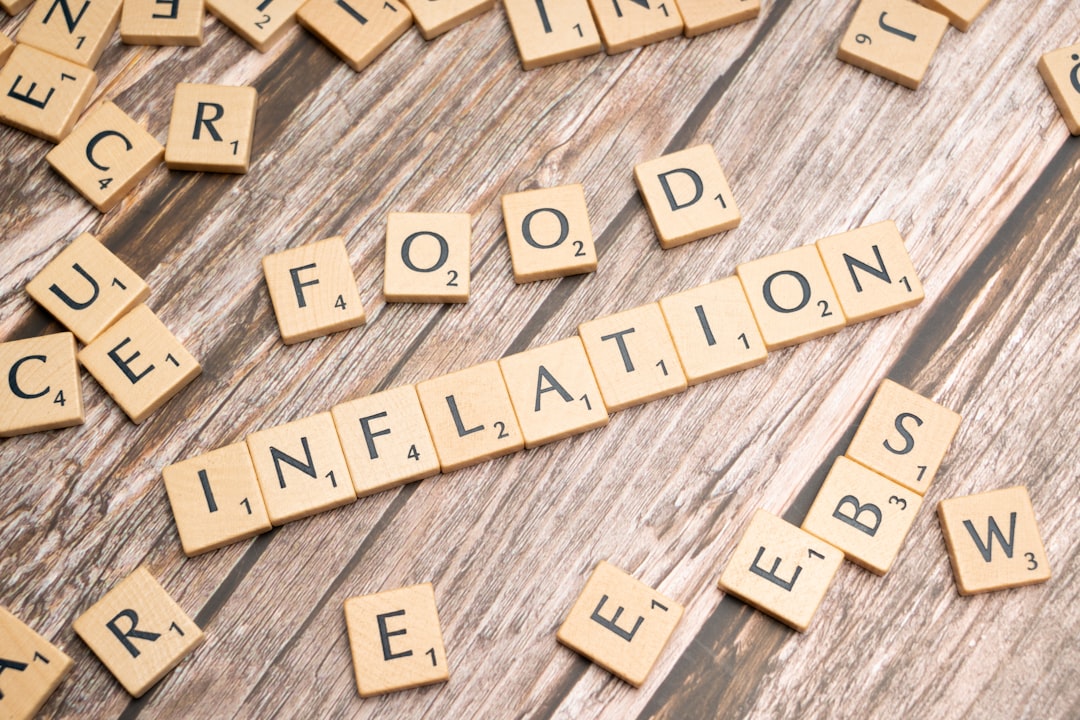
If you want an asset that moves in near lockstep with inflation, commodities come closest. They’re not just affected by inflation – in many cases, they help cause it. Rising energy and food prices are central ingredients in almost every significant inflationary episode on record. Changes in commodity prices can drive inflation trends. According to the U.S. Bureau of Labor Statistics, commodities make up thirty-six percent of the Consumer Price Index. When inflation began to surge in 2021 and 2022, higher commodity prices – particularly food and gasoline – played a big role.
The 2021 to 2022 inflation surge provided one of the clearest modern demonstrations of this relationship. After CPI peaked at 9.1% for the twelve-month period ending June 2022, inflation declined significantly. In 2022, food prices increased by nine point nine percent, faster than in any year since 1979. An outbreak of highly pathogenic avian influenza affected egg and poultry prices, while the Russia-Ukraine war and economy-wide inflationary pressures, including high energy costs, also contributed to food price inflation. Commodity prices weren’t just reacting to inflation – they were amplifying it.
From July 2010 to November 2024, the year-over-year correlation between the Bloomberg Commodity Index and the PCE inflation index was 0.68. That’s a meaningfully strong statistical relationship, indicating that broad commodity baskets have historically tracked closely with the inflation consumers actually feel. Historical analysis suggests that the winning allocation strategy during high-inflation periods would have been to shift the portfolio aggressively into commodities, then shift back to other assets – such as equity REITs or TIPS – during periods of lower inflation.
The practical challenge with commodities is their volatility. Investors sometimes consider including commodities in a portfolio to hedge the impact of higher inflation. However, it can be difficult to earn a durable return with direct investments in commodities or commodity futures. Investors must be aware that commodities tend to be a volatile asset class, and it can be difficult to choose the right time to invest when prices can shift significantly in a short period. The 2022 commodity index rally and its subsequent pullback illustrated this clearly – the reward was real, but so was the reversal. Commodities reward patience and diversification more than precise timing.
The Bigger Picture: Why These Three Assets Still Matter in 2026
The U.S. CPI increased three point three percent over the twelve months ending March 2026, according to the Bureau of Labor Statistics. That’s above the Federal Reserve’s two percent target, and it arrives after years of elevated price levels that significantly eroded real purchasing power. The 2022 peak of nine point one percent reminded a generation of investors what high inflation actually feels like – and how unprepared most cash-heavy portfolios are to handle it.
What gold, real estate, and commodities share is a tangible relationship to the real economy. Their value is tied to physical reality: a finite metal, land that can’t be printed, and resources that production depends on. The dollar, by contrast, is a claim on confidence. Fiat currencies have a tendency to lose value over time. If this continues to be the case, gold could potentially continue in an uptrend as investors look to it for its perceived safety and its potential as a hedge against declining currency values.
None of these three assets is a guaranteed shelter. Gold underperformed badly through the 1980s and 1990s. Real estate collapsed in 2008. Commodity prices can swing violently on geopolitical headlines. Historical research shows that a portfolio comprising a roughly fifty-five percent allocation to commodities, combined with equity REITs, TIPS, and a small stock component, generated nominal returns equaling or exceeding the inflation rate during nearly seventy-eight percent of high-inflation periods studied. Diversification, in other words, does more than any single asset alone.
The “Wealth Vault” concept isn’t about finding one perfect hiding place for money. It’s about understanding which assets have genuinely earned their reputations, under which conditions they work best, and how they work together. Inflation doesn’t announce itself conveniently in advance. The time to build a resilient portfolio is before the pressure arrives – not after the dollar has already done its quiet damage.