

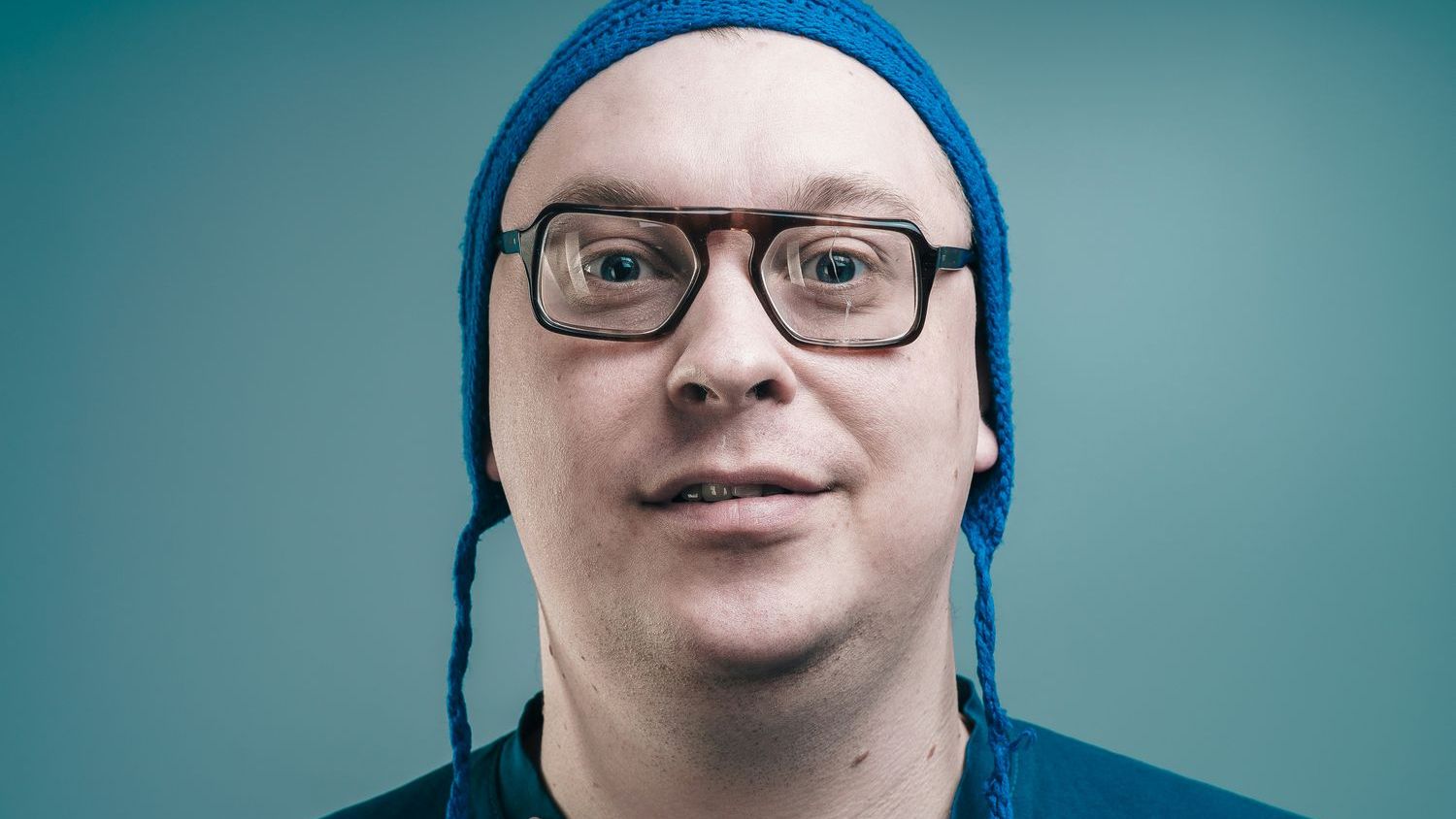
A Sudden Diagnosis in 2022 (Image Credits: Unsplash)
Sam Neill’s recent declaration of being cancer-free has drawn attention to a cutting-edge immunotherapy reshaping treatment options for blood cancers. The 78-year-old actor, known for his role in Jurassic Park, shared the update during an interview with Australia’s 7News after nearly five years of battling stage-three angioimmunoblastic T-cell lymphoma.[1][2] His journey underscores the potential of CAR T-cell therapy, particularly after standard chemotherapy proved ineffective, and he now urges broader access for patients nationwide.[3]
A Sudden Diagnosis in 2022
Neill first noticed lumps on his neck while promoting Jurassic World Dominion in March 2022. A subsequent blood test led to his diagnosis of angioimmunoblastic T-cell lymphoma, a rare form of non-Hodgkin lymphoma that affects the blood and lymphatic system.[3] The cancer had reached stage three, prompting immediate medical intervention.
He detailed the shock of the revelation in his 2023 memoir, Did I Ever Tell You This?. Writing from his hospital bed as chemicals coursed through his veins, Neill reflected on the abrupt shift in his life. At the time, he expressed a pragmatic outlook: not fear of death, but frustration at the timing, given his grandchildren and ongoing projects.[1]
Chemotherapy’s Initial Success and Eventual Failure
Standard chemotherapy became Neill’s first line of defense. He described the regimen as a “pretty miserable business,” requiring monthly infusions that nonetheless kept the cancer in check for a period.[2] This approach allowed him to maintain a semblance of normalcy amid the side effects.
However, the treatment eventually lost its effectiveness. Neill recounted reaching a critical point where options dwindled. “I was at a loss and it looked like I was on the way out – which wasn’t ideal obviously,” he told 7News.[1] This setback highlighted the limitations of conventional therapies for aggressive lymphomas.
The Breakthrough of CAR T-Cell Therapy
With chemotherapy no longer viable, Neill enrolled in an Australian clinical trial for CAR T-cell therapy, also known as chimeric antigen receptor T-cell therapy. The process extracts a patient’s T-cells, genetically engineers them in a lab to target cancer cells specifically, multiplies them, and reinfuses them into the body.[1] This personalized immunotherapy has shown strong results in blood cancers, though long-term data remains limited.
For Neill, the trial marked a turning point. Administered after his lymphoma resisted prior treatments, the therapy addressed his specific cancer type. He underwent infusions every two weeks initially, achieving remission that has now held for over a year in some reports.[3] The treatment’s success in his case spotlights its promise for patients facing similar diagnoses.
“I’ve just had a scan just now and there is no cancer in my body, that’s an extraordinary thing. I’m very, very excited that this can happen.”
– Sam Neill, in 7News interview
Recent Scans Confirm Remission
A recent scan, shared in late April 2026, revealed no detectable cancer throughout Neill’s body. This outcome caps a five-year ordeal that began with routine promotion duties and escalated into a profound health crisis.[4] Neill called the result “science at its best,” expressing gratitude to the researchers and clinicians involved.
His social media post amplified the news: “I am still processing this miraculous information. But of course it is not a miracle, it is science… I am immensely grateful.”[1] At 78, he looks forward with renewed vigor, quipping, “It’s time I did another movie.”
Advocacy for Nationwide Rollout
Neill’s recovery fuels his campaign to expand CAR T-cell therapy beyond trials. In Australia, the treatment remains restricted to select hospitals under the public system or costs over A$600,000 privately.[1] He partners with the Snowdome Foundation to lobby state and federal governments for inclusion on the Pharmaceutical Benefits Scheme.
Similar efforts extend to New Zealand, where trials continue at institutions like the Malaghan Institute. Neill emphasizes equitable access: “Treatments like this… I hope to be available to everyone who needs them in Australia and NZ.”[1] His profile amplifies calls for investment in such innovations.
What Matters Now
- CAR T-cell therapy succeeds where chemo fails for certain blood cancers.
- Trials confirm efficacy, but high costs limit access.
- Neill’s case pushes for policy changes in Australia and beyond.
Sam Neill’s path from diagnosis to remission reflects advances in oncology that offer hope to many. While his story inspires, experts stress ongoing monitoring, as relapses can occur. The actor’s advocacy may accelerate the therapy’s integration into standard care, benefiting future patients in the years ahead.