

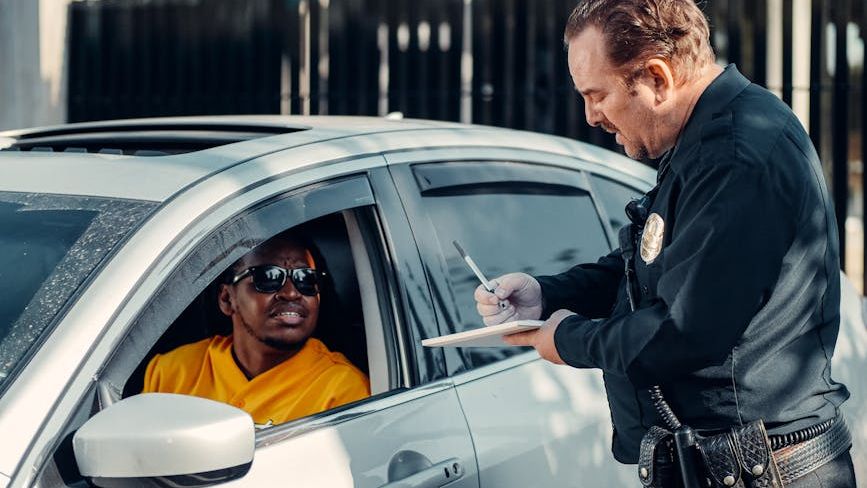
8 Ways to Avoid a Speeding Ticket and Save Yourself Nearly $2,000 – Image for illustrative purposes only (Image credits: Pexels)
Speeding tickets carry a steeper price tag than the typical $150 fine suggests. Insurance providers treat such violations as signs of risky driving, leading to sustained premium increases. Experian reports that a single ticket raises rates by an average of $582 each year.[1] With records often retaining the infraction for three to five years, drivers face roughly $1,750 in added costs before accounting for the initial penalty.[2]
Unpacking the Long-Term Financial Impact
Insurers reassess policies based on driving history, and speeding entries trigger automatic surcharges. These adjustments persist across renewals until the violation drops off the record. In states with stricter reporting, the mark lingers longer, amplifying expenses for full-coverage policies.
Multiple tickets compound the problem, with rates climbing higher for repeat offenders. Drivers in high-risk categories, such as young adults or those with prior claims, see even sharper rises. This dynamic underscores why prevention outweighs any short-term temptation to accelerate.
Build Consistent Speed Habits
Steady pacing forms the foundation of ticket avoidance. Vehicles equipped with cruise control offer a reliable tool to hold speeds constant, reducing unintentional creep above limits.[3] Regular glances at the speedometer reinforce awareness, especially on familiar routes where autopilot sets in.
Leaving extra time for trips eliminates the pressure to hurry. Rushed drivers invite errors, while ample buffers allow adherence to posted limits without stress. These routines foster discipline that pays off over thousands of miles.
Blend Seamlessly with Traffic
Merging into the flow prevents standing out to patrolling officers. Exceeding the pack by even a few miles per hour draws attention, whereas matching pace maintains anonymity.[4] Positioning in the rightmost lane often shields from radar focused on faster left lanes.
Avoiding abrupt maneuvers keeps profiles low. Smooth acceleration and signaling build a responsible image, less likely to prompt a stop. Over time, this approach minimizes encounters altogether.
8 Key Tactics for Everyday Drivers
Practical steps draw from proven driver experiences and expert advice. Implementing a mix targets common pitfalls. The following list outlines targeted methods:
- Use cruise control or adaptive versions to lock in legal speeds automatically.[5]
- Plan routes with buffer time to resist rushing.[3]
- Go with surrounding traffic without leading the pack.[6]
- Monitor speedometer frequently, setting mental alerts below limits.
- Leverage apps like Waze for real-time speed trap warnings.[7]
- Stick to slower right lanes on multi-lane roads.[6]
- Scan for enforcement hotspots, such as school zones or construction areas.[8]
- Eliminate distractions to sustain focus on signage and pacing.[9]
Navigating Riskier Scenarios
High-traffic periods and known enforcement zones demand extra vigilance. Officers frequent school vicinities, highways during rush hours, and areas with recent signage changes. Awareness of local patterns helps drivers adjust proactively.
Vehicle maintenance plays a subtle role too. Functional lights and signals reduce secondary stops that escalate to checks. Clean plates and compliant tint avoid needless scrutiny.
What Matters Now: As insurance costs climb amid broader rate pressures, one avoidable violation can tip budgets into the red. Prioritizing these habits preserves financial stability alongside road safety.
Adopting these measures transforms driving from a potential liability into a cost-controlled routine. The savings extend beyond dollars, fostering confidence on every commute. In an era of rising premiums, deliberate choices keep records clean and wallets intact.