

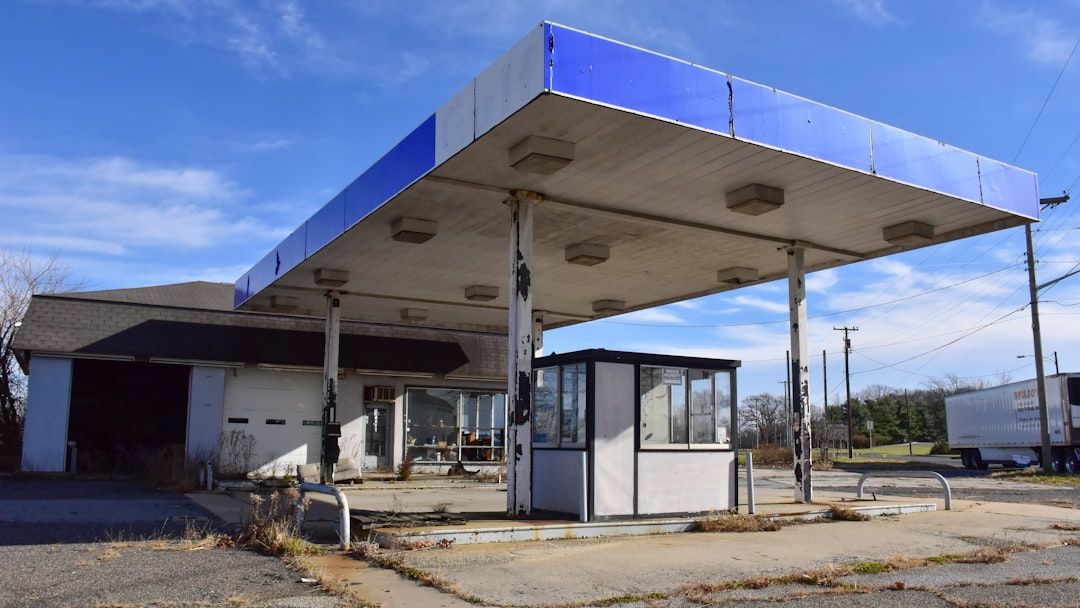
Will Gas Prices Drop This Year? Here’s What Experts Are Saying – Image for illustrative purposes only (Image credits: Unsplash)
Drivers faced a national average of $4.30 per gallon for regular gasoline on Thursday, April 30, according to the American Automobile Association.[1][2] Prices in some states approached $6, amplifying financial pressures for commuters and households even as the United States relies on the Middle East for just 8% of its crude oil imports.[3] The ongoing war in Iran has disrupted global energy markets, pushing costs higher despite America’s diversified supply sources.
Recent Surge Marks Four-Year High
The national average crossed $4 per gallon for the first time in four years earlier this month, reflecting heightened volatility tied to geopolitical tensions.[4] By late April, prices stabilized around $4.30 but remained elevated compared to a month prior, when averages hovered lower before the latest escalations.[5]
State-level disparities underscored the strain. California led with averages near $5.88 per gallon, followed closely by Hawaii at $5.65 and Washington state.[6] Western states bore the brunt, where refining constraints and taxes compounded national trends. Motorists in these areas reported fill-ups costing 30% more than last year, squeezing budgets amid rising living expenses.
Limited Direct Imports, Global Ripple Effects
America’s energy independence softened the blow from Middle East disruptions. In 2025, imports from the Persian Gulf region accounted for only 8% of total U.S. crude oil inflows, down from higher shares in prior decades.[3][7] Domestic production and supplies from Canada and Latin America filled most needs, insulating the country from total reliance on the region.
Still, the war in Iran triggered widespread effects. Conflict-related outages and threats to the Strait of Hormuz – a vital chokepoint for global oil – drove crude benchmarks higher, influencing refiners worldwide.[8] Eight weeks into the fighting, gasoline prices had risen over 36% nationally since late February, hitting everyday consumers from truckers to families.[9][10] Businesses faced higher shipping costs, while low-income households allocated more income to fuel.
Expert Predictions: Cautious Hope for a Decline
Forecasters offered divided views on whether prices would ease by year’s end. U.S. Energy Secretary Chris Wright signaled that gasoline costs had likely peaked but cautioned they might not drop below $3 per gallon anytime soon amid lingering uncertainties.[11][12]
The U.S. Energy Information Administration projected lower retail gasoline prices for 2026 overall, potentially falling 6% from 2025 levels as crude contributions diminish.[13] Other analysts echoed this, with GasBuddy anticipating averages dipping below $3 later in the year if stability returns.[14] However, prolonged conflict could sustain elevated levels through summer travel season.
Key Drivers and Timelines Shaping the Rest of 2026
Resolution of the Iran conflict remains the dominant factor. Peace talks or de-escalation could stabilize oil flows within months, prompting a sharper price retreat as inventories rebuild.[15] Analysts noted that if disruptions persist into summer, pump prices might climb further before seasonal demand peaks.
Domestic dynamics also play a role. Robust U.S. production – now exceeding consumption – provides a buffer, with Western Hemisphere sources comprising over 84% of imports.[16] Refinery maintenance schedules and electric vehicle adoption could temper demand growth. Summer driving typically lifts prices 20-30 cents per gallon, but experts foresee offsets from higher inventories if global tensions subside.
Stakeholders from policymakers to consumers watch closely. Federal incentives for efficiency and potential strategic reserve releases offer tools for intervention. trucking firms and retailers brace for sustained costs, potentially passing them to shoppers. For average drivers, relief hinges on diplomacy’s pace – potentially arriving by fall if trends hold.
- Optimistic scenario: War ends soon; prices average $3.20-$3.50 by Q4.[17]
- Base case: Gradual easing to $3.67 equivalent in energy terms.[18]
- Pessimistic view: Prolonged strife keeps averages above $4 into 2027.
As the year progresses, America’s low import vulnerability positions it better than many nations. Yet global interconnections ensure no full escape from distant conflicts.
What Matters for Drivers Now: Track EIA updates and local AAA averages; consider fuel-efficient habits amid uncertainty. Relief appears plausible later in 2026, but volatility demands preparedness.
Ultimately, the trajectory rests on geopolitical outcomes. While current highs test resilience, historical patterns suggest eventual moderation – provided stability prevails.