

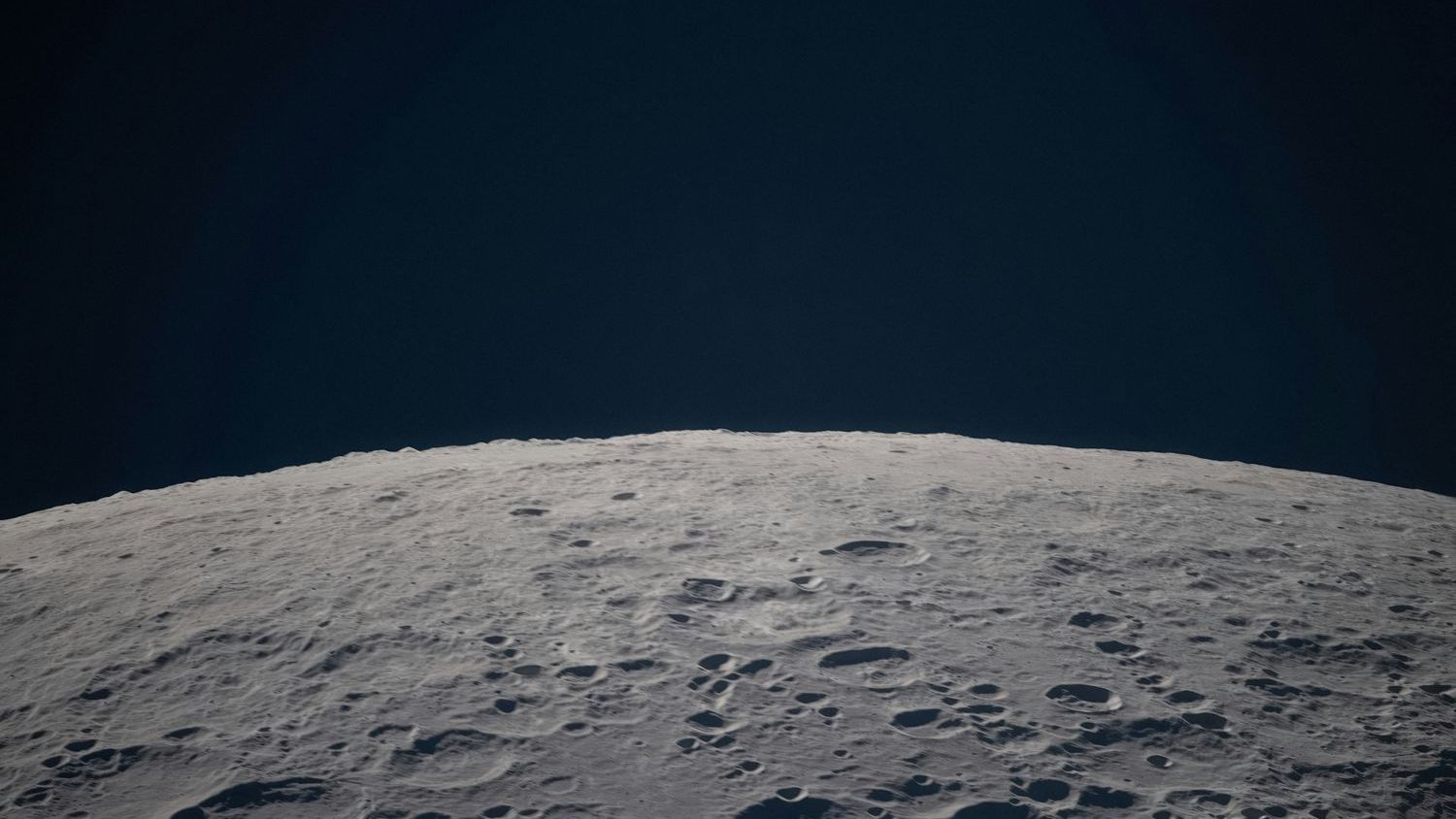
Artemis 3 has been pushed to late 2027. Can NASA still land astronauts on the moon in 2028? – Image for illustrative purposes only (Image credits: Unsplash)
Kennedy Space Center, Florida — Workers at NASA’s Kennedy Space Center recently integrated the towering core stage of the Space Launch System rocket destined for Artemis III, a tangible sign of momentum in the agency’s push back to the Moon. The milestone arrived just weeks after the successful Artemis II crewed flight looped around the lunar vicinity in early April 2026. Yet this hardware progress coincides with a revised timeline that pushes Artemis III to no earlier than late 2027, prompting questions about the feasibility of a crewed lunar landing the following year.[1][2]
A Mission Transformed: From Lunar Landing to Earth Orbit Demo
NASA redefined Artemis III earlier this year, stripping away its original goal of achieving the first crewed Moon landing since Apollo 17. Instead, the mission will send astronauts aboard the Orion spacecraft into Earth orbit for critical tests with private lunar landers. The crew plans to rendezvous and potentially dock with vehicles from SpaceX or Blue Origin, verifying systems like interoperability and transfer procedures before any descent to the lunar surface occurs.[3]
This pivot echoes the Apollo program’s approach. Apollo 9 conducted similar docking trials in Earth orbit, providing a safer proving ground with rapid abort options back to the planet. NASA officials cited the inherent risks of attempting a south pole landing on the debut flight, roughly a quarter-million miles from home, as a key factor in the change. The adjustment aims to build confidence in the Human Landing System without overreaching on a single outing.[2]
Lander Development Hurdles Drive the Delay
SpaceX’s Starship Human Landing System and Blue Origin’s Blue Moon remain the primary bottlenecks. Both companies informed NASA that their vehicles could support Earth orbit demonstrations by late 2027, slipping from earlier mid-year projections. These landers must handle unprecedented feats, including in-space refueling with cryogenic propellants that risk boiling off without advanced cooling.[3]
SpaceX advances toward its 12th Starship test flight with upgraded Raptor 3 engines, emphasizing full reusability for future Mars ambitions. Blue Origin completed vacuum tests on its Blue Moon Mark-1 cargo variant but contends with setbacks from its New Glenn rocket. Neither lander yet features full life support for astronauts; current prototypes carry mockups instead. Uncrewed lunar demos precede crewed certification for both.[2]
Administrator Isaacman’s Outlook and Congressional Testimony
NASA Administrator Jared Isaacman addressed lawmakers on April 27, 2026, during a House Appropriations Committee hearing. He confirmed the vendors’ commitments, stating, “I’ve received responses from both vendors, both SpaceX and Blue Origin, to meet our needs for a late 2027 rendezvous, docking, and test of the interoperability of both landers in advance of a landing attempt in 2028.”[2] This update followed his February announcement reprofiling the mission to accelerate overall lunar cadence.
Isaacman highlighted the substantial investments in these systems. “The taxpayers are making a very big investment to both SpaceX and Blue Origin’s Human Landing System capability,” he noted. “I would also appreciate that both those companies are investing well in excess of that.” He underscored their long-term value for basing operations on the Moon and beyond, praising the reusable architecture that avoids discarding rockets after each use.
President Donald Trump echoed optimism days later in an Oval Office appearance with Isaacman and Artemis II astronauts. “We have a shot at it,” Trump said of a landing within his term ending in 2029. Isaacman affirmed, “We have an achievable plan now, back to the moon, and we’re back in the business of launching moon rockets with frequency.”[3]
The White House’s 2027 budget allocates $2.8 billion for HLS contracts, signaling sustained support. NASA eyes annual missions post-Artemis II’s three-and-a-half-year wait after the uncrewed Artemis I in 2022. Details like orbit altitude for Artemis III remain fluid; a low-Earth path might preserve upper stages for lunar flights, while higher orbits better mimic lunar conditions.
Hardware Momentum Meets Ongoing Fixes
Despite timeline shifts, preparations advance steadily. The SLS core stage, standing 212 feet tall with four RS-25 engines generating over 2 million pounds of thrust, shipped from Michoud Assembly Facility on April 20. It holds more than 733,000 gallons of propellant for over eight minutes of burn time. Orion faces tweaks, including a modified heat shield after erosion seen on Artemis I and helium leaks from Artemis II.[1]
Axiom Space suits may debut on Artemis III or the International Space Station by late 2027. NASA acquires Centaur V upper stages commercially to extend SLS life beyond stored units.
Path to 2028: Achievable or Ambitious?
Artemis IV now carries the torch for the first landing, targeted early 2028 near the lunar south pole with at least two spacewalks. Artemis V could follow late that year, kickstarting a permanent base. These depend on successful Earth orbit trials and uncrewed lander validations.[4]
Key Factors for 2028 Success:
- Timely Starship and Blue Moon Earth orbit readiness by late 2027.
- Resolution of Orion heat shield and propulsion issues.
- SLS integration and launch cadence maintenance.
- Propellant transfer and life support demonstrations.
Challenges persist, from cryogenic fuel handling to human-rating massive landers dwarfing Apollo’s module. Yet Artemis II’s near-flawless execution rebuilt trust in SLS and Orion. NASA balances ambition with caution, positioning for sustained presence amid competition from China’s lunar goals. A 2028 return remains within reach, though further slips could test resolve.
The Artemis era unfolds not as a sprint but a marathon, where each delayed step fortifies the foundation for enduring lunar footholds.