

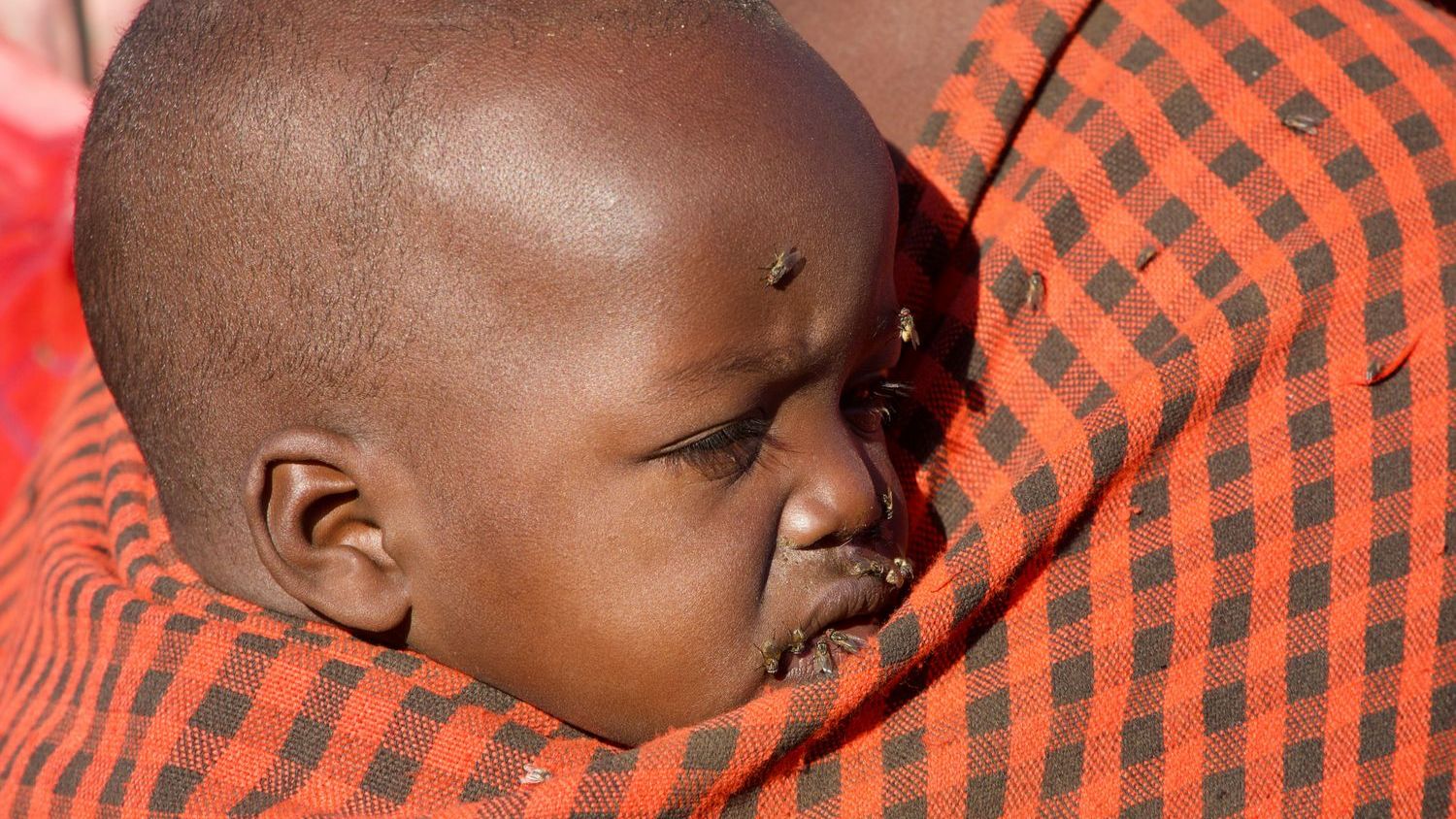
First malaria drug for babies is approved in ‘major public health milestone’ – Image for illustrative purposes only (Image credits: Unsplash)
In regions of Africa where malaria claims hundreds of thousands of young lives each year, newborns faced a stark reality: no approved treatment fit for their tiny bodies. The World Health Organization changed that on April 24, 2026, when it prequalified Coartem Baby, the first antimalarial specifically designed for infants weighing just 2 to 5 kilograms.[1][2] This milestone addresses a long-standing void, where caregivers relied on splitting tablets meant for older children, often leading to dosing errors and heightened risks.
A Persistent Challenge for the Youngest Victims
Malaria has long preyed on Africa’s children, with 2024 seeing 610,000 deaths worldwide, nearly all in the continent and three-quarters among those under five.[1][3] Infants under six months bore a heavy burden too, with infection rates reaching as high as 18.4 percent in parts of West Africa.[2] Doctors often hesitated to test or treat these smallest patients, leaving them vulnerable to severe complications.
Previously, health workers improvised by using formulations for bigger children, which carried dangers of underdosing or toxicity due to immature livers and kidneys in newborns. This gap persisted despite artemether-lumefantrine proving effective for older groups. Coartem Baby now offers a precise, age-appropriate dose in a cherry-flavored, easy-to-administer form tailored for uncomplicated malaria cases.[2]
Engineering a Solution for Infants
Novartis developed Coartem Baby in partnership with Medicines for Malaria Venture (MMV), a nonprofit focused on neglected diseases. The drug combines artemether and lumefantrine, refined to a lower, safer ratio suited for 2-to-5-kg infants. Clinical data supported its tolerability, filling a void where trials rarely included such young participants.[2][4]
The formulation emerged from the PAMAfrica project, backed by European and Swedish funding. Swissmedic approved it first in July 2025 under a global health pathway, speeding access for low-income regions. WHO prequalification followed, verifying quality, safety, and efficacy to unlock UN procurement.[1] Novartis committed to not-for-profit supply in endemic areas, echoing its history of delivering over 1.1 billion Coartem courses since 1999.
“WHO prequalification of Coartem Baby is a major public health milestone and reflects MMV’s commitment to ensuring that even the smallest and most vulnerable patients are not left behind.”
– Dr. Martin Fitchet, CEO of Medicines for Malaria Venture[2]
The Scale of Malaria’s Toll in Africa
Africa accounts for 95 percent of global malaria cases, with 265 million infections and 579,000 deaths in 2024 alone.[3] Around 30 million babies enter this high-risk world annually, many facing mosquitoes from birth. Young infants, though partially shielded by maternal antibodies, still suffer infections at rates of 3.4 to 18.4 percent in surveyed areas.[2]
| Before Coartem Baby | With Coartem Baby |
|---|---|
| Improvised dosing from older child tablets | Precise, infant-specific formulation |
| Risk of toxicity or underdosing | Improved safety and efficacy |
| Limited testing in newborns | Tailored for 2-5 kg weight range |
This table highlights the shift. Early rollout in Ghana has shown promise, with pediatricians noting greater confidence in treating febrile infants.[4]
Path Forward Amid Broader Progress
Prequalification paves the way for broader distribution, building on vaccines, better nets, and diagnostics that have averted 14 million deaths since 2000.[1] Eight African nations that aided trials eye quick adoption. Yet challenges remain: ensuring supply chains reach remote clinics and training providers to recognize infant malaria promptly.
“For centuries, malaria has stolen children from their parents… New vaccines, diagnostic tests, next-generation mosquito nets and effective medicines, including those adapted for the youngest, are helping to turn the tide.”
– Dr. Tedros Adhanom Ghebreyesus, WHO Director-General[1]
Coartem Baby stands as a testament to targeted innovation. With sustained funding, it could safeguard countless newborns, inching the world closer to malaria’s end.