

Why Artemis II’s Eclipse Footage Matters More Than Its Engineering – Image for illustrative purposes only (Image credits: Unsplash)
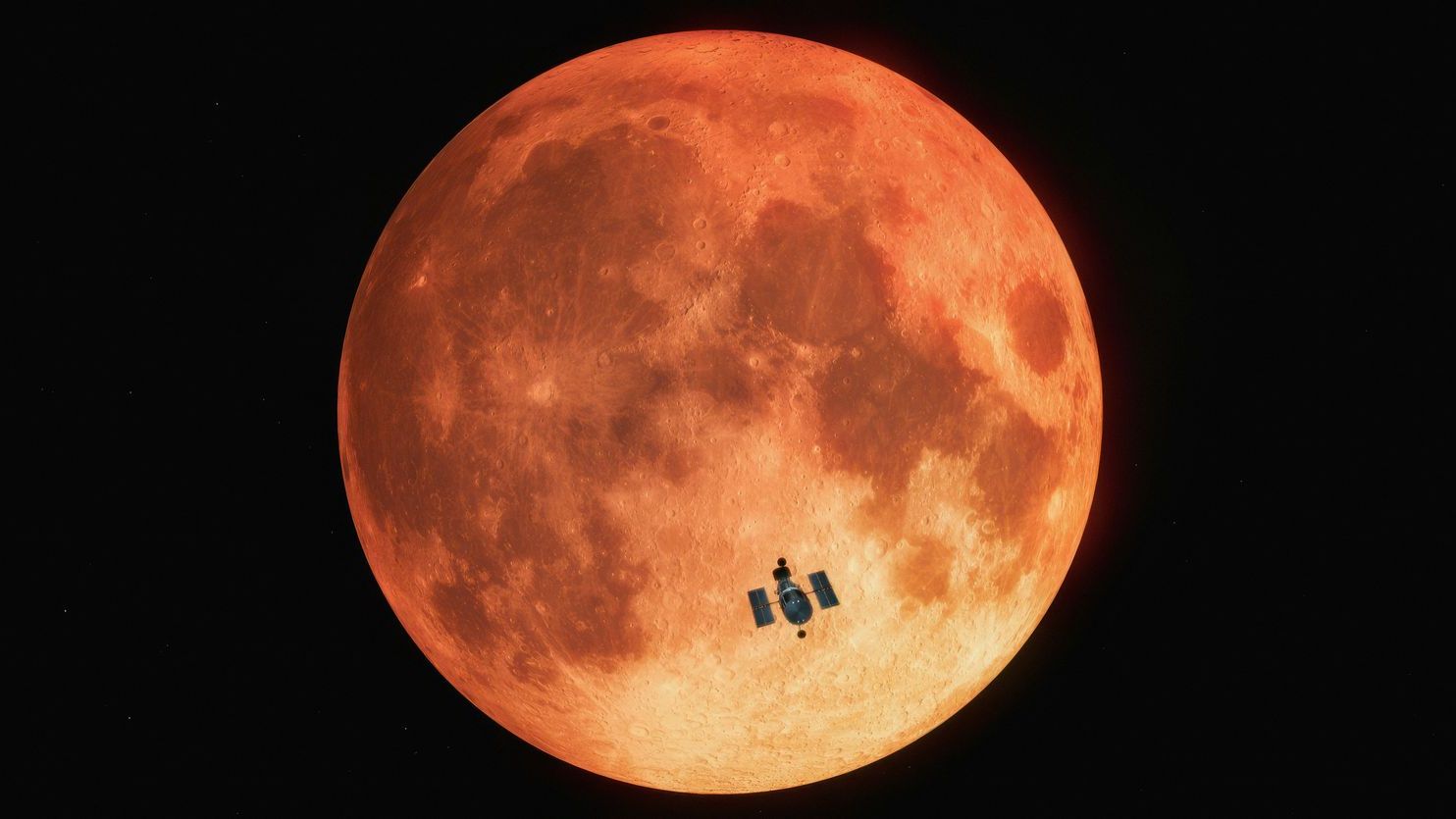
On April 1, 2026, the four astronauts aboard NASA’s Orion capsule experienced something no human had before: nearly an hour immersed in the moon’s shadow during a solar eclipse viewed from the lunar far side. This 54-minute totality far exceeded any Earth-based observation, offering a scale and duration impossible from our planet’s surface. The mission’s design turned a rare celestial alignment into a defining moment for the Artemis program.
A Calculated Path into Darkness
The Orion capsule followed a free-return trajectory similar to Apollo 13’s, rounding the moon’s far side at precisely the right moment. NASA selected the launch window deliberately to align with the eclipse, ensuring the crew would pass close enough to the lunar surface for the moon to fully block the sun. This positioning made the shadow’s duration stretch to 54 minutes, dwarfing the typical few minutes seen from Earth.
During the April 2024 eclipse over North America, observers enjoyed about four minutes of totality at best. In contrast, the Artemis II proximity to the moon amplified the effect dramatically. Mission control later confirmed the exact timing when releasing initial images from the flyby.
Visions from the Lunar Edge
Pilot Victor Glover recounted the sun’s corona wrapping around the moon’s edge, illuminated by Earthshine on the cratered terrain ahead. Venus shone brightly near the eclipsed sun, while Mercury, Mars, and Saturn dotted the pitch-black sky. Commander Reid Wiseman and crewmate Christina Koch captured these scenes, with Koch sharing detailed observations through post-mission remarks.
The crew’s accounts highlighted the stark beauty of the moment. Earth appeared as a distant glow, underscoring the isolation of their position. Such descriptions added depth to the photographs, transforming raw data into vivid human testimony.
Records Shattered and Horizons Expanded
Orion pushed beyond Apollo 13’s maximum distance from Earth, marking a new benchmark in crewed spaceflight. Canadian astronaut Jeremy Hansen seized the occasion to urge future missions onward, positioning Artemis II’s feats as a gauntlet thrown to explorers yet to come. This went beyond technical checks, emphasizing the program’s aim for lasting lunar presence.
If these records endure for decades like Apollo’s, it could signal shortcomings in NASA’s sustained exploration goals. Hansen’s words reframed the flight not as an endpoint, but as a starting line.
| Aspect | Earth Eclipses | Artemis II Eclipse |
|---|---|---|
| Duration of Totality | Up to 4 minutes | 54 minutes |
| Viewing Distance | Surface level | Near lunar surface |
| Perspective | Ground-based | Cislunar space |
Images That Reshape Perception
The eclipse footage eclipses the mission’s engineering feats in public impact, much like Apollo 8’s Earthrise photo did in 1968. Wiseman’s iPhone video of Earth edging behind the moon evoked that iconic shot, drawing parallels noted by major outlets. These visuals from human eyes in cislunar space convey scale and fragility in ways satellites cannot.
Unlike familiar International Space Station images, these frames introduce unfamiliar drama. They capture a sun visible only from a forbidden vantage, stirring the “overview effect” at lunar distances. Astronauts reported intensified awe, with Wiseman growing emotional on the radio, requesting crater names for the capsule and his late wife.
It required new vocabulary.
– Mission Commander Reid Wiseman, post-mission news conference
Defining Legacy for Lunar Return
Artemis II focused on validating Orion’s systems for life support, communications, and trajectory without a landing. Yet the eclipse emerged as the mission’s enduring signature, prioritized in NASA’s early releases alongside astronaut narrations. This human element counters robotic exploration’s limits – machines record, but crews convey the corona’s living pulse.
For Artemis III and beyond, such moments build urgency for lunar bases over fleeting visits. Glover has long advocated spaceflight’s unifying power for humanity. The crew’s debriefs may soon fuel studies on deep-space psychology, probing if awe intensifies with distance. As the next Earth total eclipse approaches on August 12, 2026, Artemis II reminds us that some wonders demand a human witness.