

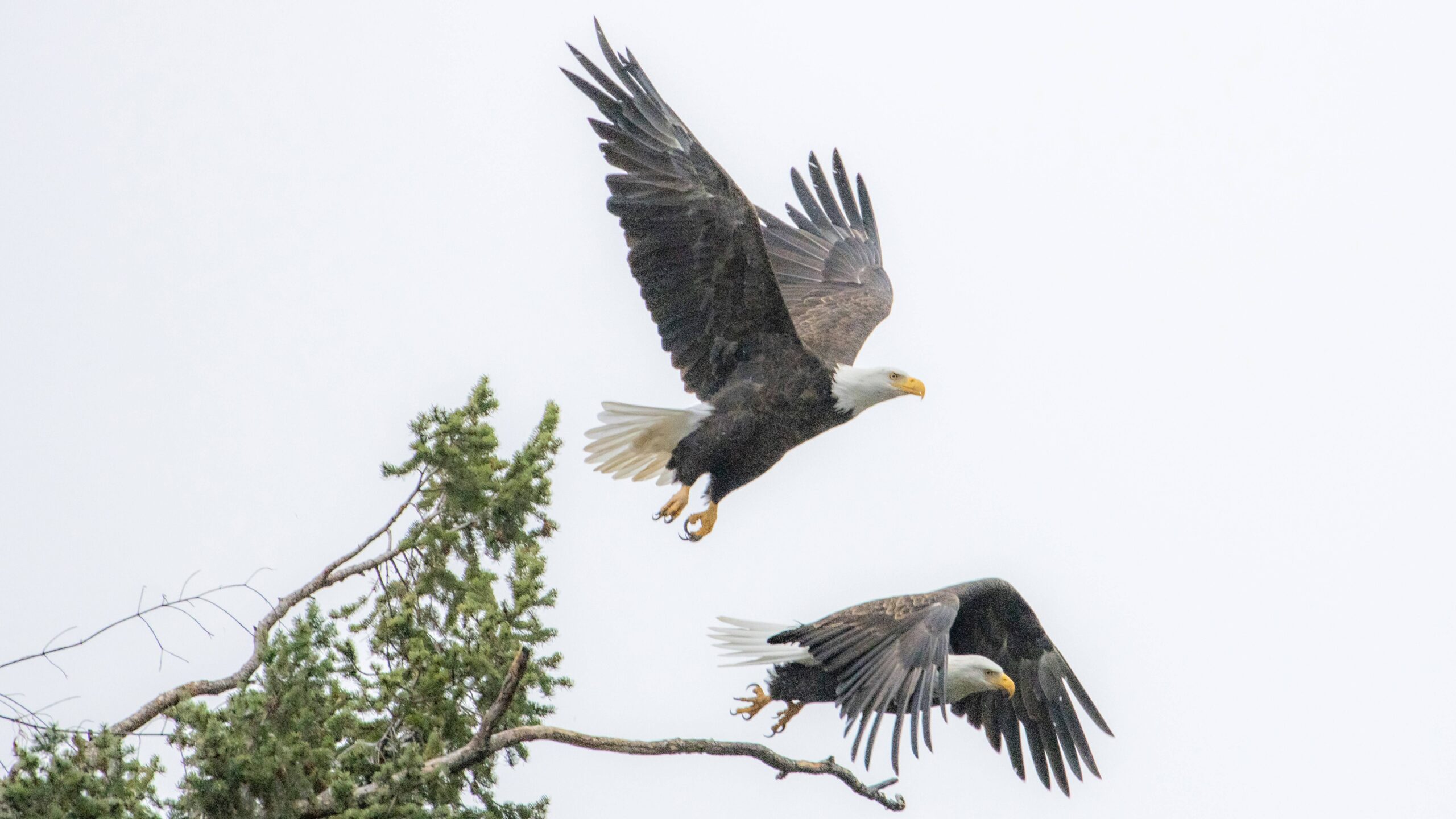
Bald eagle ‘massaging’ its mate? AI deepfakes collide with the laws of the wild – Image for illustrative purposes only (Image credits: Unsplash)
Social media feeds brim with enchanting clips of bald eagles engaging in tender behaviors, such as one appearing to massage its mate. These videos rack up millions of views, blending seamlessly with genuine wildlife footage. Yet experts identify them as products of artificial intelligence, part of a surge in fabricated content that now ensnares even beloved bird pairs like Jackie and Shadow.
The Surge in Fabricated Wildlife Videos
Platforms like TikTok, Instagram, and YouTube have seen an explosion of AI-generated animal clips. Viewers encounter scenes of eagles in improbable scenarios, from dramatic rescues to affectionate interactions that defy natural behaviors.[1][2] What starts as harmless entertainment quickly blurs the line between reality and invention.
Content creators exploit advanced tools to produce these deepfakes, often labeling them vaguely or not at all. The result floods timelines, captivating audiences who share without scrutiny. This “AI slop,” as some call it, prioritizes virality over accuracy, reshaping how people perceive the wild.
Jackie and Shadow in the Crosshairs
The famous bald eagle duo from Big Bear Valley has drawn particular attention. Jackie and Shadow, stars of a popular nest cam, boast legions of fans tuning in for authentic glimpses of eagle life.[3] Fake accounts mimicking their story have proliferated, posting altered videos that mimic real events.
Nonprofit operators behind the official stream first noted impostor profiles years ago. These accounts peddle deepfake moments, from exaggerated mating rituals to impossible nest activities. Fans, emotionally invested in the pair’s real dramas like egg losses and chick hatches, struggle to distinguish truth from fabrication.[4]
Unnatural Behaviors Fueling the Deception
Clips depicting a bald eagle “massaging” its partner stand out for their absurdity. Eagles do not perform such acts; their interactions involve preening or mating displays, not therapeutic touches. AI fills this gap with hyper-realistic animations that fool casual viewers.
Other fakes show eagles frozen to railings or attacking in unnatural ways, amplifying drama beyond biology. These videos garner shares because they tug at heartstrings, portraying animals in heroic or vulnerable lights. However, the polished flaws – odd movements or inconsistent lighting – betray their origins to trained eyes.
- Jerky or overly fluid motions uncommon in real footage.
- Backgrounds that loop unnaturally.
- Sounds mismatched to visuals, like eagle calls over impossible scenes.
Experts describe this content as “AI slop,” low-effort fakes that erode trust in genuine wildlife media.
Real Dangers Beyond the Screen
The proliferation carries tangible risks. Misled viewers form skewed views of animal behavior, potentially endangering wildlife through misguided interventions. For instance, believing eagles need “rescue” from fabricated perils could lead to unnecessary disturbances in nests.
Scammers exploit the hype too, using deepfakes to solicit donations for phony conservation causes tied to Jackie and Shadow. Public confusion hampers efforts by real organizations tracking these birds. Wildlife advocates urge platforms to enforce labeling and removal of undeclared AI content.
As technology advances, distinguishing fact from fiction grows harder. Fans of Jackie and Shadow continue monitoring the official cam, but the shadow of deepfakes looms large over their digital habitat.
Navigating this new frontier demands vigilance from viewers and swift action from tech giants. The wild’s authenticity hangs in the balance.