

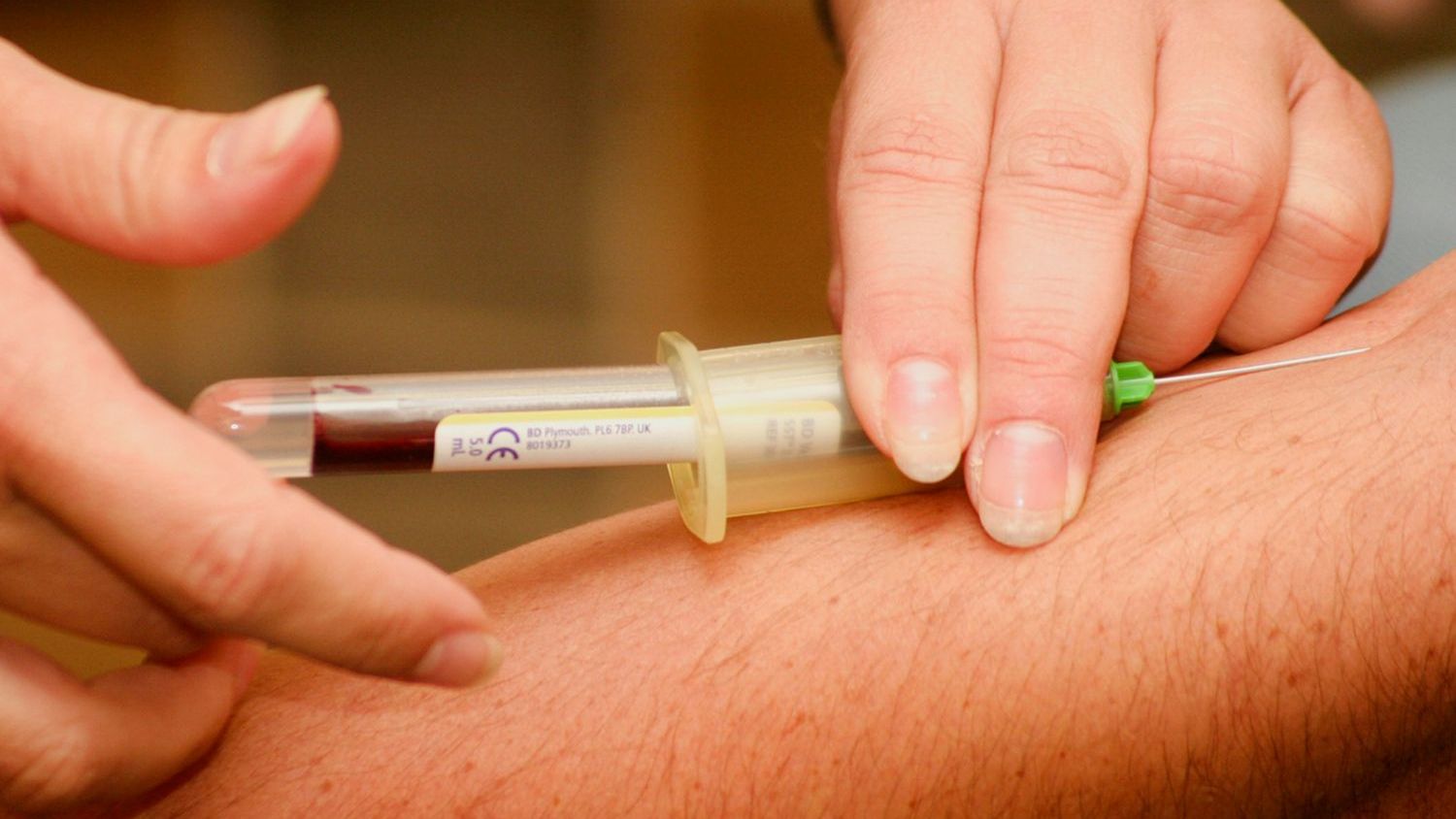
Blood-based DNA marker tracks arsenic exposure and may predict toxicity risk – Image for illustrative purposes only (Image credits: Unsplash)
For more than 200 million people around the world who drink water laced with arsenic, the threat often remains hidden until chronic diseases like cancer or cardiovascular conditions emerge years later. Researchers at the University of Chicago have now identified a stable DNA marker in blood that tracks this exposure more reliably than traditional methods.[1] This epigenetic breakthrough could help pinpoint those at highest risk before symptoms appear, offering a vital tool for public health efforts in affected regions.
A Silent Threat in Everyday Water
Arsenic contamination in groundwater affects vast populations, particularly in areas like Bangladesh where well water serves as a primary source. Public health experts link long-term exposure to elevated risks of serious illnesses, including various cancers and heart disease. Traditional monitoring relied on urine tests, but arsenic clears the body quickly, making snapshots unreliable for assessing cumulative effects.[1]
Scientists recognized the need for a biomarker that captures sustained biological impact. DNA methylation changes, which alter gene expression without mutating the genetic code, emerged as promising indicators. These modifications persist longer, reflecting ongoing exposure patterns over time.
Uncovering the Epigenetic Signature
A team led by James L. Li, a University of Chicago MD/PhD student, examined blood samples from over 1,100 adults in Bangladesh. They scanned more than 700,000 genomic sites using advanced DNA methylation arrays and correlated findings with urinary arsenic levels. The analysis revealed 1,177 sites strongly tied to exposure, many of which prior studies had overlooked.[1]
To confirm causality, researchers applied Mendelian randomization, a genetic technique that minimizes confounding factors. This approach showed that arsenic metabolism directly drives these methylation shifts. “Mendelian randomization helped us rule out other variables, allowing us to say not just that arsenic and DNA methylation are associated, but that the way someone’s body metabolizes arsenic is likely to cause these changes,” said senior author Brandon L. Pierce, PhD.[1]
Building and Testing the Biomarker
From the 1,177 sites, the researchers crafted a biomarker using 255 key locations. This predictor accurately estimated urinary arsenic concentrations, outperformed existing epigenetic markers for toxins like alcohol or lead, and proved robust across varying exposure levels. In Bangladesh, where arsenic levels span a wide range, it excelled; validation in a U.S. cohort with lower exposures still yielded reliable results, albeit with less precision.[1]
“This was a significant leap in scale and resolution,” Li noted. “Our large sample size and wide range of exposure levels enabled us to identify more sites in the epigenome linked to arsenic exposure than any previous study in adults.”[1] The biomarker’s stability addresses a key limitation of urine tests: “Arsenic has a relatively short half-life in the body after someone drinks contaminated water, so exposure levels measured in urine samples may be liable to fluctuations,” Li explained. DNA changes, by contrast, offer a steadier record.
Linking Exposure to Toxicity and Disease
Beyond tracking exposure, the biomarker forecasts tangible health outcomes. It predicted arsenical skin lesions – visible signs of poisoning – and even overall mortality in the study group. Several sites overlapped with those implicated in chronic diseases, suggesting epigenetic alterations may bridge arsenic exposure and conditions like type 2 diabetes or cardiovascular issues.[1]
“While it doesn’t definitively prove that DNA methylation directly causes these downstream health effects, we’re showing very strong evidence that these epigenetic changes may help explain the link between arsenic and associated health conditions,” Li said. Pierce highlighted its broader potential: “I was surprised at how well the predictor worked, even in a completely different population with much lower exposures. This gives us hope that epigenetic biomarkers are a promising avenue for estimating historical exposure to environmental chemicals.”[1]
- Tracks cumulative arsenic exposure more stably than urine tests.
- Predicts skin lesions and mortality risk.
- Validates across high- and low-exposure populations.
- Outperforms other toxin-specific epigenetic markers.
Toward Safer Water and Better Monitoring
The findings, published in April 2026 in the International Journal of Epidemiology, set guidelines for developing similar biomarkers. Co-authors included experts from multiple institutions, underscoring collaborative efforts to tackle environmental toxins. “It’s an important reminder that environmental exposures really do ‘get under your skin,’ leaving an imprint on you via changes in how your genome functions,” Pierce added.[1]
As communities grapple with arsenic in wells – from Bangladesh to parts of the U.S. – this tool could guide interventions, identify vulnerable individuals, and illuminate toxicity mechanisms. For the millions at risk, it represents a step toward turning invisible threats into actionable insights, potentially averting diseases that strike silently over decades.