

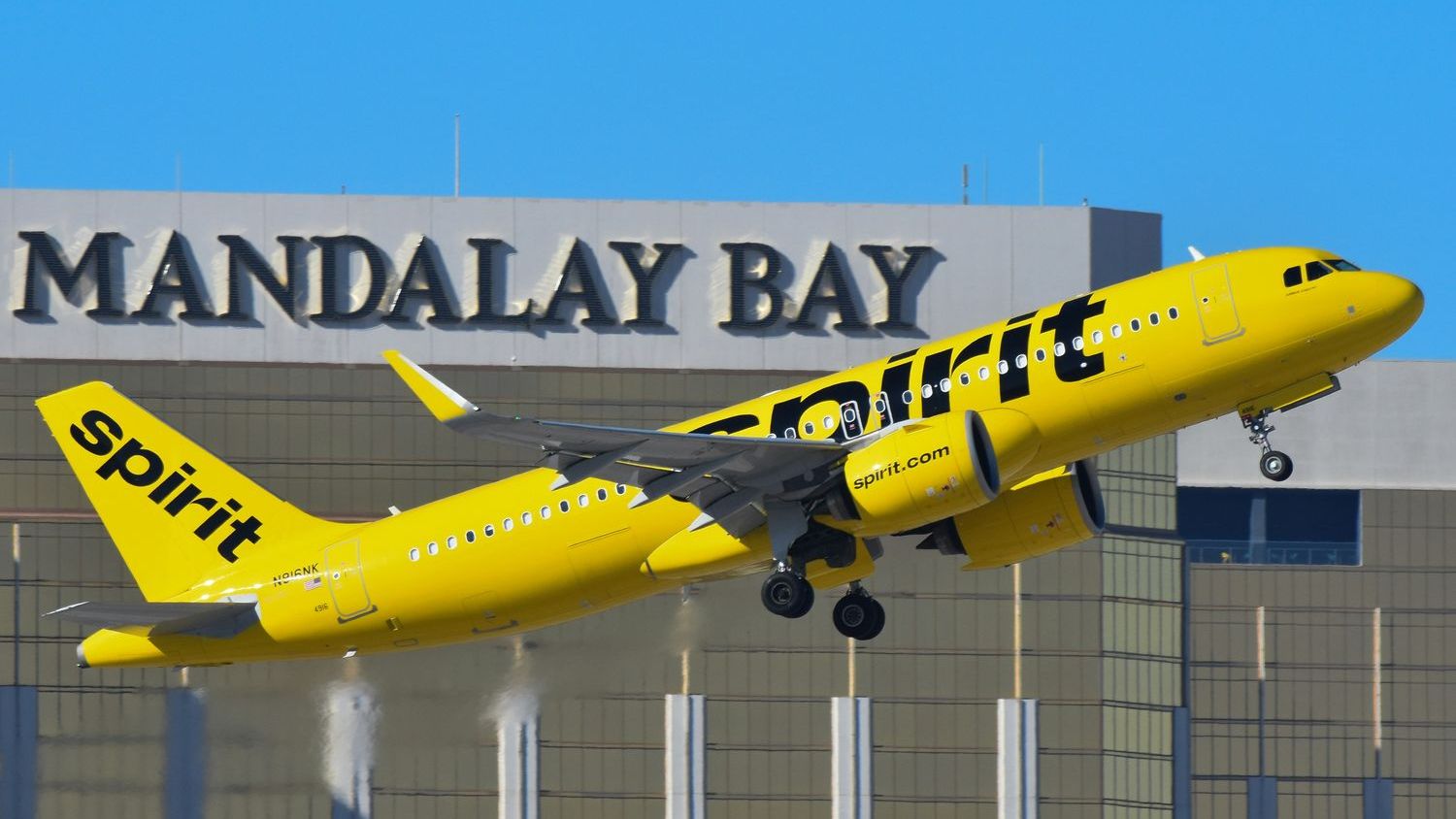
Spirit Airlines shutting down after failed effort at government rescue deal – Image for illustrative purposes only (Image credits: Unsplash)
Fort Lauderdale, Florida — Spirit Airlines ended its 34-year run on May 2, 2026, when it announced an immediate shutdown following the breakdown of talks for a $500 million federal bailout.[1][2] The budget carrier, long known for ultra-low fares and ancillary fees, cited surging fuel costs and insurmountable debts as key factors. Thousands of workers lost their jobs overnight, while passengers faced canceled flights and uncertain travel plans.[3]
Negotiations Crumble in Final Hours
The Trump administration had pursued an aggressive rescue plan, offering up to $500 million in exchange for a potential 90 percent equity stake in the airline. Discussions intensified in recent weeks, with President Trump describing a “final proposal” delivered just before the collapse. However, opposition from major creditors, including Citadel and Ares Management, derailed the deal. Bondholders rejected a counterproposal, leaving Spirit without the cash infusion needed to continue.
U.S. Transportation Secretary Sean Duffy later explained the administration’s reluctance. “You can’t breathe life into a corpse,” he said, quoting a creditor during a news conference at Newark Liberty International Airport.[1] Duffy emphasized that Spirit’s troubles predated recent events, pointing to repeated bankruptcies and an unsustainable business model. The failed talks marked a rare intervention attempt by the government in a single carrier’s fate.
Long-Standing Financial Pressures Mount
Spirit’s downfall stemmed from years of mounting losses, exacerbated by external shocks. The carrier filed for Chapter 11 bankruptcy protection in November 2024, reporting over $2.5 billion in cumulative losses since 2020. A second filing followed in August 2025, with $8.1 billion in debts against $8.6 billion in assets. Capacity had shrunk dramatically, with seats available in May 2025 at half the level of the prior year.
Jet fuel prices doubled since late February 2026, driven by the U.S.-Israeli conflict in Iran. This surge, which analysts called the “final nail in the coffin,” accounted for up to 40 percent of operating costs and overwhelmed Spirit’s fragile recovery efforts.[2] Earlier setbacks included a blocked merger with JetBlue in 2023 and widespread route cuts, leaving the airline with about 7,500 employees by year’s end.
Passengers and Workers Left in Limbo
The abrupt halt stranded travelers at airports nationwide. Spirit’s website displayed a notice directing customers to spiritrestructuring.com for updates, while advising against trips to terminals. All flights stood canceled, with the final one touching down at Dallas-Fort Worth International Airport from Detroit.[3]
Refunds process automatically for direct credit or debit card purchases via a reserve fund. Those using vouchers, points, or third-party agents must pursue claims through bankruptcy court or sellers. Major rivals stepped in with relief:
- United, Delta, JetBlue, Southwest, American, and Frontier offered $200 one-way “rescue fares” with proof of Spirit tickets.
- United rebooked 14,000 passengers within 12 hours.
- Preferential hiring and transport aid extended to displaced crew.
Nearly 17,000 workers faced layoffs, though recent cuts had reduced headcount. Unions decried corporate mismanagement, demanding severance and benefits.
What Matters Now
- Check Spirit’s restructuring site for personalized refund status.
- Other airlines cap fares on former Spirit routes amid industry fuel strains.
- Watch for DOT updates on employee support via official channels.
Government and Industry Mobilize Support
Secretary Duffy highlighted industry collaboration in providing relief. “This is the airline industry stepping up,” he noted, crediting carriers for fare caps and hiring initiatives.[1] The White House attributed some woes to prior policies, including the JetBlue merger block. Spirit’s CEO acknowledged the administration’s “extraordinary efforts” to preserve jobs.
Deutsche Bank projected an $8.4 billion hit to U.S. airline profits from fuel hikes alone. Rivals may absorb routes, but analysts warn of fare increases for budget travelers.
As planes sit idle at hubs like Fort Lauderdale-Hollywood International Airport, Spirit’s closure underscores the razor-thin margins in aviation. The episode serves as a cautionary tale for low-cost models amid geopolitical volatility, prompting questions about future safeguards for essential air service.