
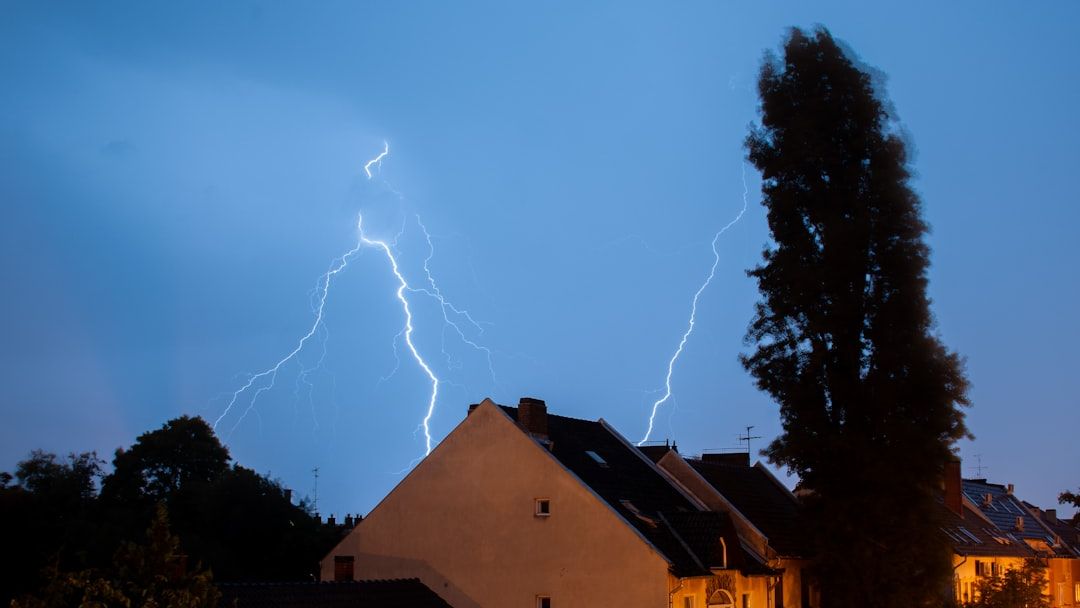

There are sounds that defy easy explanation. Not the creak of old timber or a distant rumble of thunder, but something harder to place: a deep, reverberating metallic echo that seems to come from everywhere and nowhere at once. Residents in coastal cities around the world have been waking up to exactly this, jolted out of sleep by a noise that rattles windows, unnerves pets, and leaves whole neighborhoods pointing at the sky with no real answer.
The phenomenon is broadly known as a sky-quake, and it has accumulated centuries’ worth of documentation, folk names, and failed scientific explanations. What makes the recent pattern particularly strange is a recurring detail in witness accounts: the sound has a distinctly metallic, echoing quality, and it tends to arrive at night, near coastal edges, leaving investigators with little more than questions.
What Exactly Is a Sky-Quake?
A sky-quake is a phenomenon where a loud sound is reported to originate from the sky. Skyquakes are enigmatic sounds described as a very loud bang that seem to come from the sky. While a sonic boom is brought by an object that breaks the sound barrier, a sky-quake is characterized as a boom that happens with no apparent cause. The sound produced by a sky-quake is like a distant, very loud thunder with no clouds in the sky.
Their sound has been described as being like distant but inordinately loud thunder while no clouds are in the sky large enough to generate lightning. Those familiar with the sound of cannon fire say the sound is nearly identical. The booms occasionally cause shock waves that rattle plates.
The term describes an atmospheric disturbance that produces a powerful sound wave, frequently heard in coastal areas or near large bodies of water. The persistent lack of a clear, visible origin defines the sky-quake and prompts ongoing scientific investigation.
A Global Pattern With Many Names
The bizarre atmospheric boom noises generally known as sky-quakes have occurred all over the world, from Bangladesh to Belgium, Northern Ireland to South Australia, and Germany to Japan. Each culture gave the sounds a local name long before scientists tried to categorize them. The French call them canons de mer, or “sea guns.” In Italy they’re known as brontidi, or “like thunder.” The Bangladeshis call them “Barisal Guns,” after the loud unexplained noises that emanated from the East Bengal region, and in Japan, these unexplained atmospheric boom sounds are called uminari, or “cries from the sea.”
Depending on the region you’re located in, you might know them by a different name. Some folks refer to them as “fog guns,” while the Japanese often refer to them as “uminari,” which translates to “cries from the sea.” The naming tells its own story: in almost every case, the phenomenon is linked to the sea, to fog, or to a sound that seems to rise from water itself.
Locations that have actually reported sky-quakes include the Ganges River in China, the Finger Lakes in the United States of America, the Bay of Fundy in Canada, the North Sea of Japan, and other locations in Belgium, Australia, Italy, Ireland, and Scotland.
Why Coastal Cities Hear Them More Often

Atmospheric and oceanic dynamics offer potential explanations for these booms. Thermal inversions can create an acoustic duct, which acts like a channel to focus and carry sound waves over immense distances. This is one of the more credible mechanical reasons why coastal residents report the sounds far more frequently than people living inland.
Land-sea temperature contrasts and inversions create perfect ducts that carry and amplify distant booms, known as Seneca Guns, brontidi, or mistpouffers. Atmospheric ducting offers a mechanism where sound bends through layers of air with different temperatures, allowing distant explosions to travel hundreds of kilometers without losing strength. Warm air sitting above cooler air creates a refractive boundary that traps sound waves and guides them across long distances. Weather balloon data shows these inversion layers often form between 500 and 2,000 meters altitude under stable conditions.
The sounds are heard in coastal areas; observers insist they are never heard at sea. That detail is quietly significant. Something about the land-sea boundary itself appears to be a necessary ingredient.
The Metallic Echo: What Witnesses Describe
The phenomenon, often described as coming from nowhere and without a visible source, encompasses a range of sounds, from deep, resonant booms to sharp, cannon-like blasts, even the roar of wild animals or the sound of musical instruments. Among those varied descriptions, the metallic, resonating quality stands out in coastal urban reports. From the explosive booms known as “Seneca Guns” to the viral phenomenon of “Sky Trumpets” that sound like grinding metal in the clouds, the world is becoming a noisier and more baffling place.
The auditory experience of a sky-quake is described as a deep, low-frequency boom that can cause noticeable vibrations in windows and structures. Witnesses often report a rattling sensation accompanying the sound, which is similar to a sonic boom but occurs when no aircraft is visible. The metallic texture of the echo may result partly from hard urban surfaces, harbors, and seawalls reflecting and sharpening low-frequency pressure waves.
No one has been able to record the loudness of a sky-quake, but all reports indicate that it is very low frequency. This low frequency and great intensity of over 100 dBA enable sky-quakes to rattle buildings.
What Science Has Actually Confirmed

Between 2013 and 2015, seismologists from the University of North Carolina used a network of 400 atmospheric sensors to measure local seismic activity and compared the seismo-acoustic data with local news reports of sky-quakes. Some unusual activity was reported around Cape Fear in Carolina Beach, but they found no evidence that earthquakes were the cause of the booming noise in the sky. In fact, they found no evidence of anything at all.
Researcher Eli Bird stated that “generally speaking, we believe this is an atmospheric phenomenon, we don’t think it’s coming from seismic activity.” The researchers, who presented their findings at the annual meeting of the American Geophysical Union in 2020, focused instead on listening to infrasound data, low-frequency sound that isn’t audible to humans.
They did pick up signals varying between 1 and 10 seconds long associated with reported booms, however researchers are not a lot closer to an explanation for the noises, nor whether the noises are caused by the same type of event around the Earth.
Infrasound Networks and the Scale of the Problem

Infrasound networks between 2010 and 2024 logged over 1,200 unexplained atmospheric booms with pressure amplitudes between 10 and 50 pascals and frequencies below 20 hertz. These sensors measure minute air pressure changes using microbarometers sensitive to less than 1 pascal, allowing detection across hundreds of kilometers. Triangulation based on arrival times places many sources between 1 and 5 kilometers altitude with localization accuracy near 2 kilometers.
Satellite systems record no matching thermal or kinetic signatures during these timestamps across multiple continents. Clusters appear in the southeastern United States, northern Europe, and coastal Australia with repeated events over short periods. Five separate sky-quakes were recorded over Alabama within a 72-hour window in January 2024.
Global monitoring systems designed to enforce nuclear test bans operate over 300 stations and record acoustic, seismic, and radiation data simultaneously. Most sky-quake events show no matching signal across these networks, meaning no explosive chemistry, radiation release, or ground vibration is detected.
The Seneca Guns and the American East Coast

In the United States, most reports of mysterious booms come from the Northeast and along the East Coast, but there have also been observations along the West Coast. The East Coast’s particular concentration of reports gave rise to the best-known American name for the phenomenon. The terms “mistpouffers” and “Seneca Guns” both originate in Seneca Lake, New York, and refer to the rumble of artillery fire. James Fenimore Cooper, author of The Last of the Mohicans, wrote “The Lake Gun” in 1850, a short story describing the phenomenon heard at Seneca Lake, which seems to have popularized the terms.
Although these booming sounds are regularly reported at places up and down the East Coast, the Seneca Guns seem particularly concentrated right off the Carolinas. Between 1977 and 1978, more than 600 reports of mystery booms were documented along the east coast of the United States, with several of the incidents centered around southern New Jersey.
Small shallow earthquakes sometimes produce rumbling sounds or booms that can be heard by people who are very close to them. High-frequency vibrations from the shallow earthquake generate the booming sound; when earthquakes are deeper, those vibrations never reach the surface. Sometimes the earthquakes create booming sounds even when no vibrations are felt.
The Bell Island Boom: A Case Study in Coastal Mystery
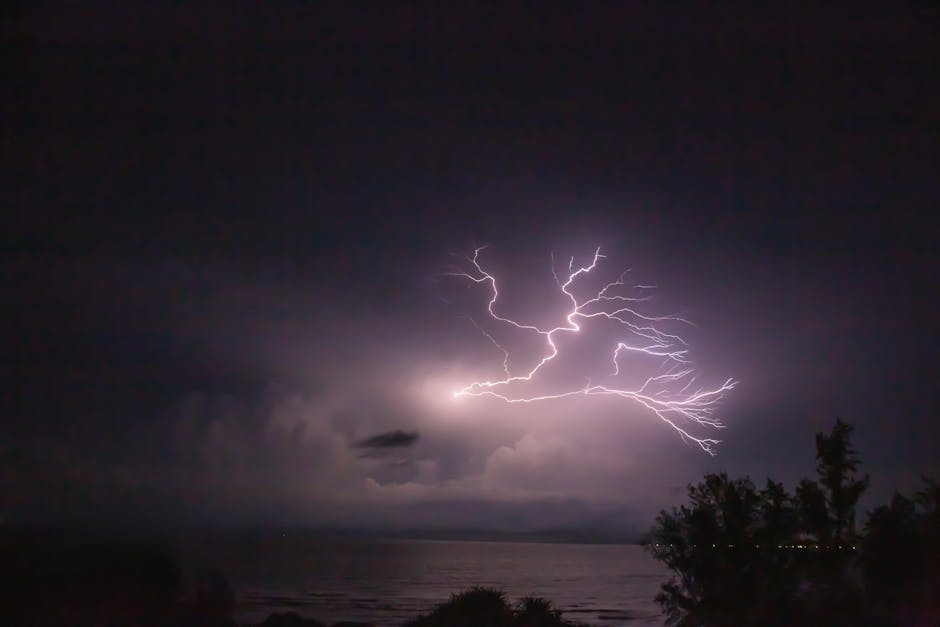
Perhaps no single coastal sky-quake event illustrates the strangeness of the phenomenon better than what happened off the Newfoundland coast in 1978. Located off the east coast of Canada, Bell Island was home to some 2,000 people living quietly amidst the island’s picturesque landscapes. However, sometime around noon on that Sunday, this peaceful existence was shattered by an explosion so massive it was heard over 60 miles away. The event, which came to be known as the Bell Island boom, left a lasting mark on the islanders’ collective memory.
In homes across the island, televisions exploded in showers of glass and sparks, blue flames shot from wall sockets, and power lines melted under an invisible surge. As residents rushed outside, some swore they saw metallic dust shimmering in the air and faint beams of light stretching into the sky. In general, based on the evidence, it is assumed that it was a superbolt, a rare and very powerful type of lightning occurring only about once per two million lightning strikes or so, normally high in the atmosphere or above the ocean. This was also the conclusion of two scientists at the Los Alamos Scientific Laboratory who detected “superbolts” using data from the Vela satellites and therefore conducted an on-site investigation shortly after the incident.
The Bell Island boom remains an enigmatic event, rich with theories and speculation but devoid of definitive answers. Whether a natural phenomenon, a secretive military experiment, or something else entirely, the true cause of the Bell Island boom continues to elude both scientists and conspiracy theorists alike.
The Competing Theories Scientists Still Debate
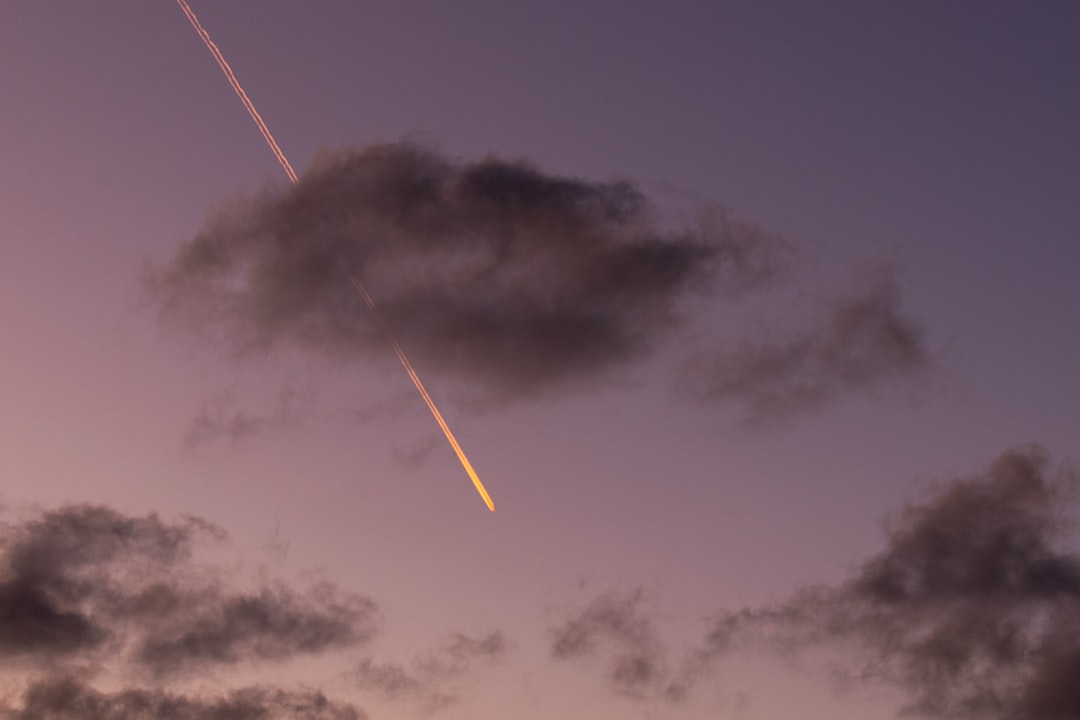
Numerous explanations for sky-quakes have been proposed over the years, including shallow earthquakes that could produce audible sounds without noticeable shaking, massive tsunami waves breaking far from shore, explosions of methane gas released from methane hydrate beds, sand dunes sheared by avalanches, and meteors. Each explanation covers some cases, but none covers all of them cleanly.
Some believe that the sounds must come from the atmosphere, reinforcing the possible belief that they could be the collision of meteors or small asteroids with Earth’s atmosphere. However, with heavy cloud coverage, and because of how small they are, the asteroids may not leave any debris behind to be discovered, thus creating a very mysterious origin for these sky-bound quakes.
Given the long time that sky-quakes have been known and reported, but with no proposal experimentally confirmed, it seems likely that they occur for more than one reason. That conclusion, offered by Wikipedia’s compiled scientific summary, may be the most honest statement anyone has produced on the subject.
Why the Mystery Refuses to Close
No explanation seems to fit perfectly. It might be that different events cause the noises in different areas. That fragmentation of causes is part of what keeps the debate alive. A meteor airburst explains one event. Atmospheric ducting explains another. Methane gas release might explain a cluster near the continental shelf. Yet the “metallic echo” quality that coastal witnesses consistently describe remains resistant to any single physical model.
The enigmatic phenomenon of the sky-quake continues to intrigue and puzzle both the scientific community that studies them and the public that hears them. With a myriad of possible explanations ranging from natural atmospheric and geological events to more speculative theories, sky-quakes continue to evade definitive explanation.
In the stratosphere, there are mysterious infrasound signals that occur a few times per hour, Daniel Bowman, a Principal Scientist at Sandia National Laboratories, noted, adding that “the source of these is completely unknown.” Instrumentation keeps improving. Upgrades now deploy denser arrays of microbarometers spaced tens of kilometers apart to improve source resolution below 1 kilometer. The sounds, though, keep arriving on schedule, indifferent to the sensors pointed at the sky.
Twelve coastal cities hearing the same metallic echo at midnight is not a conspiracy. It is a pressure wave moving through an atmosphere that we still, after centuries of listening, do not fully understand. The sky-quake may be the most honest reminder the natural world offers us: that some things will announce themselves loudly and still refuse to explain why.