


What Psychology Actually Says About Narcissism vs. Confidence
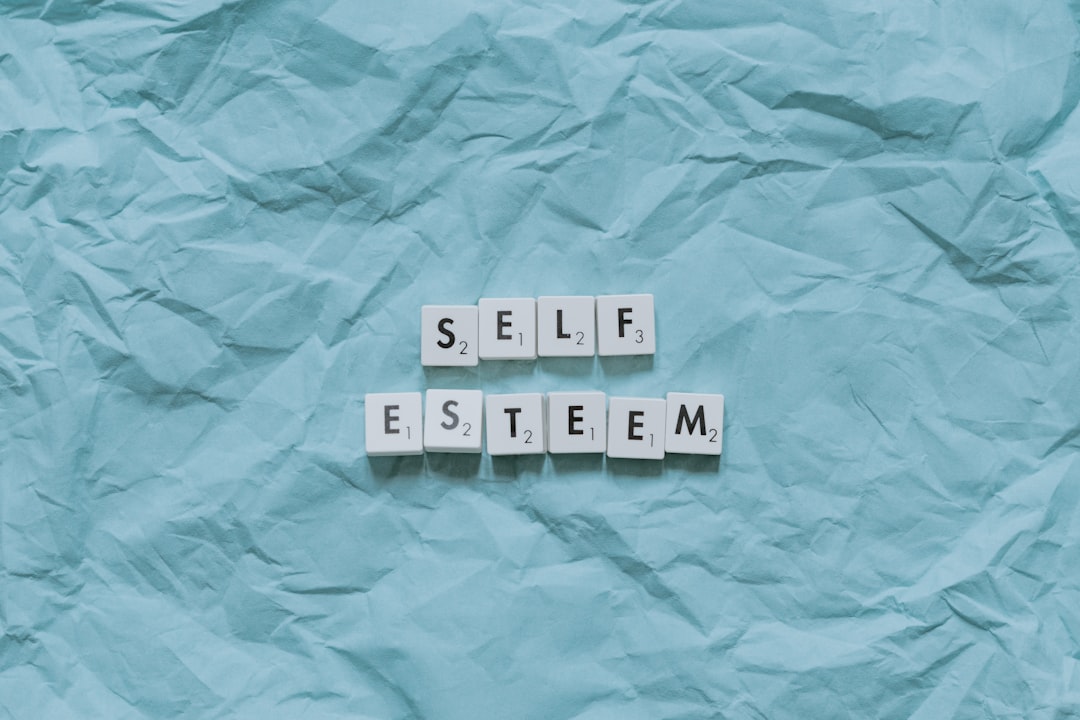
Before mixing astrology into the conversation, it helps to understand how psychology draws the line. Healthy confidence grows from security, while narcissism masks insecurity with grandiosity. That’s a significant distinction, and one that gets blurred constantly in popular culture.
Confidence and narcissism have very little to do with each other, and a growing body of research backs this up. Narcissism is characterized by a grandiose sense of self-importance, a lack of empathy for others, a need for excessive admiration, and the belief that one is unique and deserving of special treatment.
Research has found that unlike self-esteem, narcissism was related to callousness, grandiosity, entitlement, and demeaning attitudes toward others. Confidence, in contrast, is more strongly linked to conscientiousness and stable self-perception. That distinction matters enormously when we start thinking about zodiac elements.
The Two Faces of Narcissism: Grandiose and Vulnerable

Researchers divide narcissistic personality traits into two major types: grandiose and vulnerable. Most people only picture the loud, dominant type, but the quieter, more defensive version is far more common and harder to spot.
There are two proposed subtypes of narcissistic personality: grandiose and vulnerable. The grandiose subtype includes overt grandiosity, aggression, a profound lack of empathy, and boldness, while the vulnerable subtype presents with hypersensitivity and defensiveness and may be overlooked, with these individuals being more susceptible to affective disorders due to a fragile ego.
Narcissistic traits are expressed along two functional pathways: one outwardly dominant, confident, or socially bold, and one inwardly fragile, defensive, or emotionally reactive. Knowing which type you’re dealing with, in yourself or in someone else, changes everything about how you respond to it.
Fire Signs: Aries, Leo, Sagittarius and the Theater of Confidence

Fire signs, including Aries, Leo, and Sagittarius, are described as passionate, bold, and energetic. That natural intensity reads as confidence to most observers, and often it genuinely is. Still, fire energy can cross a line when it becomes about domination rather than expression.
Leos who are narcissistic or toxic behave differently from their healthier counterparts, going out of their way to monopolize everyone’s attention, often stealing the spotlight from others in crude and rude ways, and feeling entitled to be the center of attention regardless of whether that attention is positive or negative.
In psychological terms, Leo energy correlates with self-actualization, expressive confidence, and the desire to be seen and valued, with Leos channeling passion into leadership and artistic expression. The difference between healthy Leo confidence and a defensive Leo ego usually comes down to whether they can celebrate someone else’s shine without feeling diminished by it.
Earth Signs: Taurus, Virgo, Capricorn and the Ego of Control
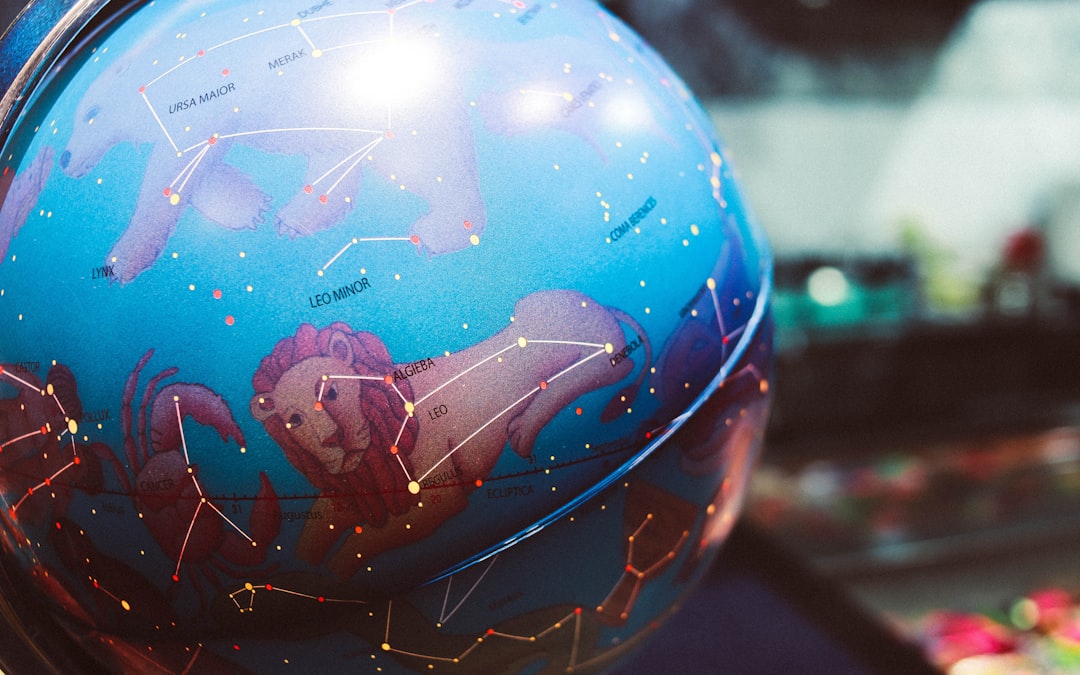
Earth signs, including Taurus, Virgo, and Capricorn, are described as grounded, practical, and loyal. Their version of narcissism is quieter and more insidious precisely because it hides behind competence and reliability.
Narcissistic Capricorns are described as moody, demanding, and prone to believing the world revolves around them, presenting as overly materialistic with grandiose fantasies of power, while also being impatient and entitled, holding grudges for small perceived slights that can last a lifetime.
A non-narcissistic Taurus is strong, solid, and reliable, but a Taurus with narcissistic tendencies can be one of the coldest and most possessive signs of the zodiac, capable of turning love languages into something far more controlling. The defensive earth ego doesn’t need the spotlight. It needs to be in charge.
Air Signs: Gemini, Libra, Aquarius and the Intellectual Superiority Complex
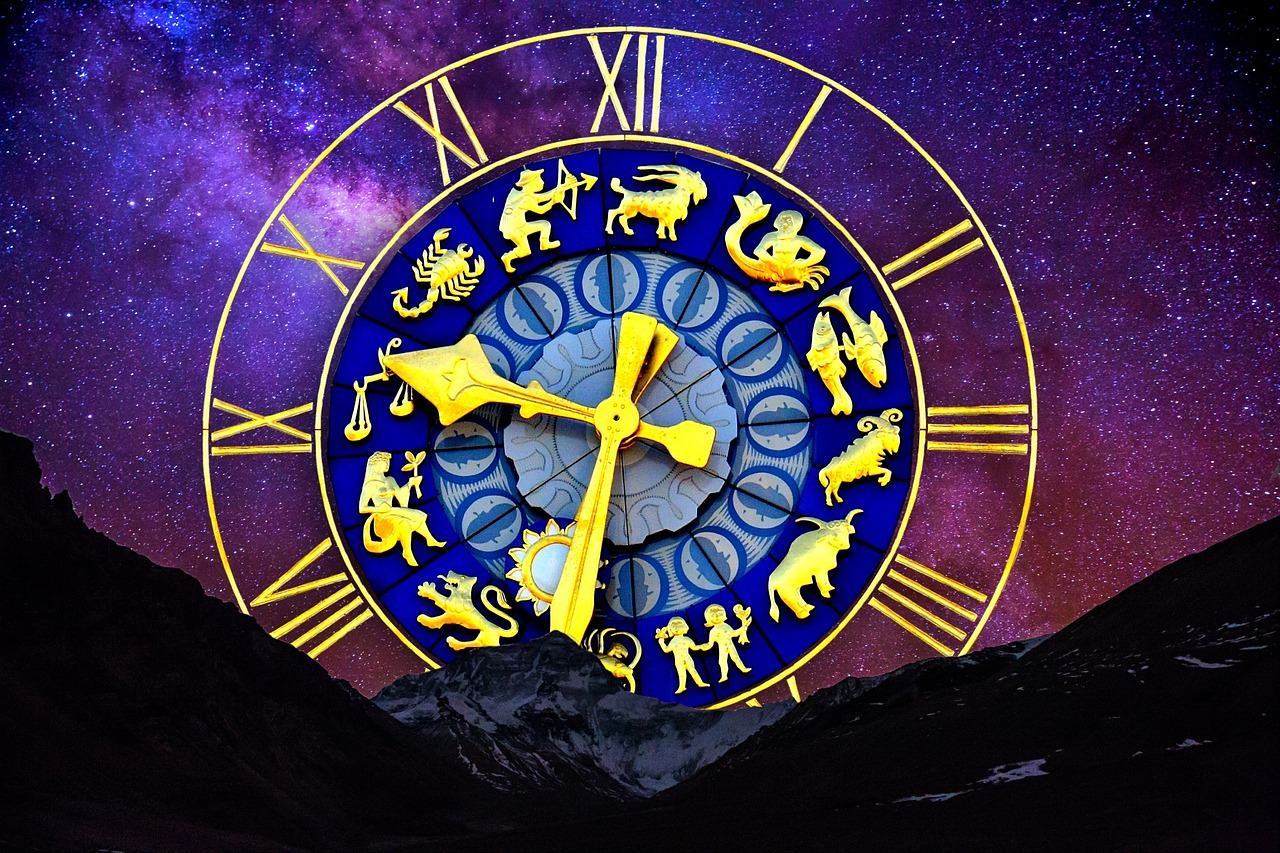
Air signs, including Gemini, Libra, and Aquarius, are described as intellectual, curious, and communicative. Their self-image is frequently wrapped up in being the smartest or most insightful person in the room, and that tendency can slide into condescension without much effort.
Aquarius narcissists are sometimes described as among the most difficult of the zodiac. When non-narcissistic, they can be powerful leaders with a vision for innovation and change, but as a narcissist, Aquarius can become quite vengeful and easily enraged, especially when they don’t get their way.
Gemini’s charm and adaptability could potentially manifest as manipulation in narcissistic individuals. For air signs, the tell is usually emotional detachment used as a superiority tactic rather than as a genuine coping mechanism. True intellectual confidence welcomes being wrong. A defensive air ego cannot tolerate it.
Water Signs: Cancer, Scorpio, Pisces and Covert Ego Masking as Sensitivity

Water signs, which include Cancer, Scorpio, and Pisces, have a reputation for being dreamy, but they should not be mistaken for ineffectual. Water signs are intense and deep. Their narcissism, when present, tends to be of the covert variety, rooted in emotional manipulation rather than overt dominance.
Pisces are the sensitive souls of the zodiac, but if they develop narcissistic tendencies, they will turn on the waterworks and use effective pity ploys to garner sympathy, especially after they’ve caused harm, using hurt-and-rescue tactics to ensure others stay emotionally dependent on them.
Those with a dominant water influence are deeply connected to their emotions and intuition, are empathetic and introspective, and are sensitive to the feelings of others, with an ability to navigate complex emotional landscapes. When that emotional intelligence becomes a tool for control rather than connection, the distinction from genuine sensitivity becomes razor-thin and difficult to name.
The Research Connecting Astrology Belief to Narcissism

One angle that rarely gets discussed honestly is what research shows about the relationship between believing in astrology and narcissistic personality traits. A study published in the journal Personality and Individual Differences examined whether personality traits could predict unfounded beliefs, finding that narcissism was the strongest predictor of belief in astrology.
The higher participants scored on narcissism, the greater their belief in astrology, and the researchers suggest this association may emerge from the self-centered worldview that unites the two. Given that astrological horoscopes are typically framed positively, this likely reinforces grandiose feelings and may particularly appeal to narcissists.
This doesn’t mean that everyone who reads their horoscope is a narcissist. The reviewed study had a number of limitations, such as a lack of random sampling and participants being mainly young women, meaning future research needs to replicate the present findings before drawing strong conclusions. The point is worth holding lightly, with curiosity rather than alarm.
How NPD Differs From Everyday Ego Across All Elements

A grandiose sense of self-importance, entitlement, and need for admiration can produce considerable interpersonal difficulties, culminating in a diagnosis of Narcissistic Personality Disorder, an impairing condition that affects roughly one to six percent of the U.S. population. That’s a far smaller number than the frequency with which the word “narcissist” gets used.
Academic discourse has tended to polarize narcissism as either clinical pathology or adaptive personality advantage, neglecting the large, socially embedded middle ground in which ego-centered behaviors are tolerated, normalized, or misinterpreted as confidence, competence, leadership potential, or emotional maturity.
The DSM-5 defines Narcissistic Personality Disorder as a pervasive pattern of grandiosity, need for admiration, and lack of empathy, beginning in early adulthood and present in a variety of contexts. Most people showing difficult ego behavior don’t meet this threshold. That space in between is where elemental astrology offers some of its most useful framing.
Healthy Ego by Element: What Genuine Confidence Actually Looks Like

The ego is the part of you that mediates between your inner world and the outer world, organizes identity, regulates self-esteem, and helps navigate relationships. A healthy ego allows you to meet your needs in ways that build connection and balance. Each element expresses a healthy ego differently.
Psychologically speaking, narcissism is a personality trait that all humans possess to a certain degree, and a certain amount of self-centeredness can be healthy, as research shows it contributes to confidence, resilience, and ambition. The question is whether that self-focus allows room for others to exist fully.
Unlike normative, healthy self-esteem, which is associated with positive outcomes, narcissistic self-esteem is fragile, because it is highly contingent on achievement-related successes and feedback from the social environment. Fire signs with healthy confidence don’t need every audience to applaud. Earth signs with a secure ego don’t need every project to validate their worth. Air signs who are genuinely self-assured can be wrong without feeling destroyed. Water signs with true emotional intelligence don’t use their sensitivity as leverage.
Recognizing the Defensive Ego Before It Escalates
It’s important to remember that astrology is just one lens through which to examine personality, and a person’s upbringing, environment, and life experiences play significant roles in shaping their character. Elemental patterns in astrology are a map, not a verdict.
Negative developmental experiences such as being rejected as a child and ego fragility during early childhood may contribute to the development of narcissistic personality in adulthood. In contrast, excessive praise in childhood, including the belief that a child may have extraordinary abilities, may also develop into a lifetime need for constant praise and admiration.
Rather than focusing on diagnosing someone as a narcissist, the more useful approach is diagnosing specific behaviors that are unsafe, such as someone being emotionally or verbally abusive, disregarding your boundaries, and so forth. Identifying harmful behaviors and setting firm boundaries is the best way to protect yourself from harm. Whether someone is a fire sign or a water sign rarely changes that practical reality.
Conclusion: The Element Doesn’t Make You a Narcissist. The Wound Might.

What psychoanalysts from Freud to Kernberg to Kohut all emphasize in different ways is that narcissism is an adaptation to unmet needs, and when survival, love, power, freedom, and fun needs are not met safely in childhood, the ego can distort them into defensive patterns.
Every zodiac sign possesses both positive and negative attributes, and recognizing these can lead to personal growth and improved relationships. The fire sign who grew up feeling invisible may perform louder than the situation requires. The water sign who learned that vulnerability was dangerous might weaponize empathy. The earth sign who was never allowed to fail may control everything around them. None of that is written in the stars. It’s written in history.
The most useful thing astrology can do here is offer a starting language, not a final answer. True confidence, regardless of element, doesn’t need to diminish anyone else to stay intact. A defensive ego, in any sign, always does.