

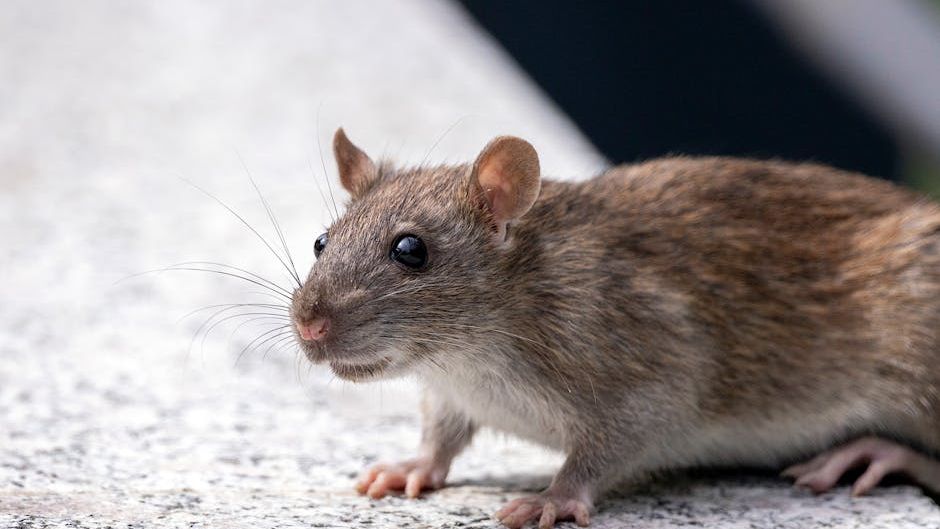
3 cruise ship passengers are dead, and hantavirus is the suspected culprit: What to know – Image for illustrative purposes only (Image credits: Pexels)
A Dutch couple in their late sixties and a German traveler became the latest victims of a suspected hantavirus outbreak aboard an expedition cruise ship, leaving families devastated and fellow passengers isolated at sea. The MV Hondius, carrying explorers drawn to Antarctica’s wild shores, now anchors off Cape Verde in the Atlantic Ocean, its voyage halted by illness and uncertainty.[1][2] Health authorities scramble to confirm the virus’s role while treating the remaining sick.
The Timeline of Tragedy
The first signs of trouble emerged on April 11, when a 70-year-old Dutch man died aboard the ship after showing symptoms like fever, headache, abdominal pain, and diarrhea. His wife, 69, fell ill soon after and collapsed at a South African airport while attempting to return home; she passed away shortly thereafter.[1] A German passenger followed on May 2, succumbing to similar acute respiratory distress while still onboard.
The MV Hondius had departed Ushuaia, Argentina, more than a month earlier, tracing a path through Antarctica, the Falkland Islands, and remote stops like Saint Helena before nearing Cape Verde. Six individuals fell ill in total, including a British passenger who deteriorated near Ascension Island on April 27 and now fights for life in a Johannesburg intensive care unit – the only case with lab-confirmed hantavirus so far.[2] Two crew members, one British and one Dutch, also developed severe respiratory symptoms and await further assessment.
Unpacking Hantavirus: A Rodent-Borne Threat
Hantaviruses, carried primarily by rodents such as rats and mice, spread through contact with infected urine, droppings, or saliva, often inhaled in dusty environments. While rare in humans, the viruses cause two main syndromes: hemorrhagic fever with renal syndrome in the Old World, marked by kidney issues, and hantavirus pulmonary syndrome in the Americas, which rapidly escalates to lung failure.[3]
Symptoms begin innocently enough, mimicking the flu, before progressing sharply:
- Fever, chills, and muscle aches in the early phase.
- Headaches, dizziness, abdominal pain, nausea, and vomiting.
- Late-stage shortness of breath, coughing, and fluid buildup in the lungs.
Fatality rates hover around 40% for pulmonary cases in the Americas, with no specific antiviral cure – treatment relies on supportive care like oxygen and fluids.[3] Experts note the long incubation period of one to eight weeks, which could trace infections back to port visits in rodent-prone areas like southern Argentina.
Life Aboard the MV Hondius
Operated by Netherlands-based Oceanwide Expeditions, the MV Hondius specializes in polar adventures, equipped with Zodiac boats for rugged landings amid glaciers and wildlife. Roughly 88 passengers and 61 crew – totaling 149 people, including 17 Americans – embarked on this itinerary bound for Spain’s Canary Islands.[1]
The ship’s remote path heightened risks, as rodents might contaminate storage or cabins during provisioning stops. Though not in highly endemic zones recently, prior exposure in Argentina – home to the Andes virus variant – remains a possibility. Passengers, often seeking untouched frontiers, now face quarantine-like conditions, barred from docking in Praia, Cape Verde.
Cape Verdean health officials boarded to evaluate the symptomatic crew, while the third victim’s body stays onboard pending arrangements. Dutch authorities coordinate repatriation for the ill and deceased.
Response from Authorities and Operators
The World Health Organization quickly engaged, aiding lab tests, virus sequencing, and epidemiological tracing without calling for travel bans. “There is no need for panic or travel restrictions,” stated WHO’s regional director for Europe, Hans Kluge.[1] South Africa’s health department handles contact tracing around the Johannesburg patient, and Cape Verde monitors closely.
Oceanwide Expeditions described a “serious medical situation” but cautioned that hantavirus links to the Dutch couple’s deaths were unconfirmed at the time. Local teams provide onboard care, with medical evacuations in progress for the most vulnerable.[2]
| Aspect | Status | Next Steps |
|---|---|---|
| Cases | One confirmed; five suspected | Further lab tests and sequencing |
| Ship Access | Anchored, no disembarkation | Public health risk assessment |
| Patients | Two crew symptomatic; one in ICU | Evacuations and treatment |
Risks and Precautions for Remote Travel
This incident underscores vulnerabilities on expedition cruises, where rodent incursions pose hidden dangers in enclosed spaces. Prevention focuses on vigilance: seal food, ventilate areas before cleaning, and avoid stirring dust near potential droppings.
Agricultural or wilderness exposure elevates odds, though urban outbreaks stay rare. Travelers to southern South America should heed warnings, as past clusters like Argentina’s 2018-2019 Epuyén event claimed lives through limited human spread.[3]
As investigations continue, the focus remains on supporting those aboard and unraveling the outbreak’s origin.
For the loved ones left behind and passengers still at sea, the event serves as a stark reminder that even the most thrilling journeys carry unforeseen perils, demanding respect for nature’s invisible threats.