

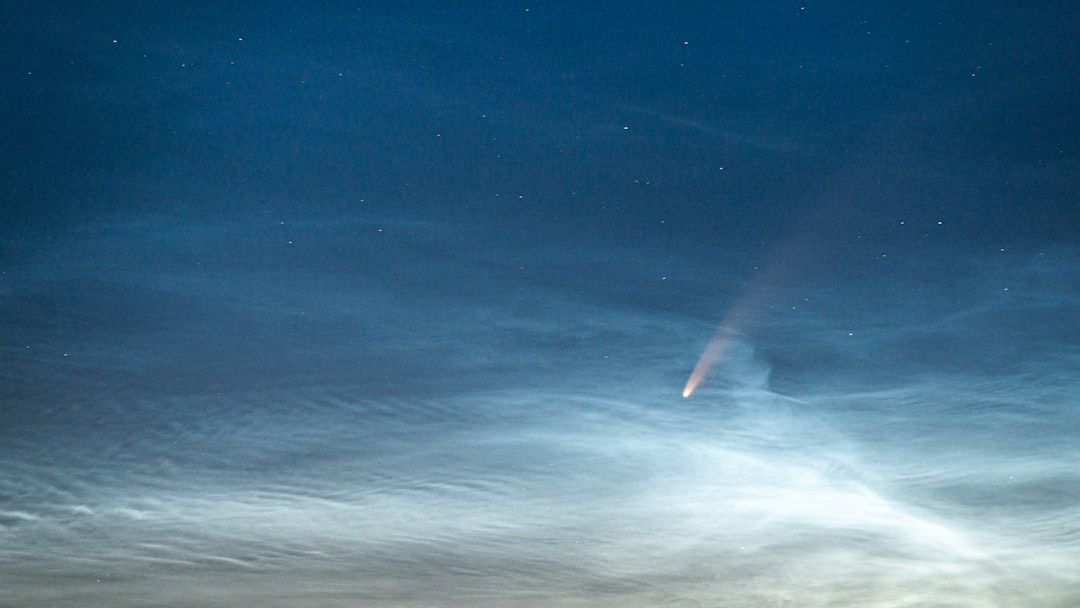
Watch the Eta Aquarid meteor shower online with these free livestreams – Image for illustrative purposes only (Image credits: Unsplash)
As the Eta Aquarid meteor shower builds toward its peak in the coming days, skywatchers worldwide gain a front-row seat without leaving home. Free livestreams from remote observatories and all-sky cameras capture the swift streaks of these cosmic visitors, originating from dust left by Halley’s Comet. On May 6, 2026, early morning hours promise the most activity, especially under southern skies.[1][2]
The Allure of the Eta Aquarids
Each May, Earth plows through the debris trail of Halley’s Comet, igniting the Eta Aquarid display. Meteors zip across the sky at speeds exceeding 65 kilometers per second, often leaving glowing trains that linger for seconds. Observers in the Southern Hemisphere typically spot up to 50 per hour under ideal conditions, while northern viewers might catch 10 to 30.[3]
This year’s event faces some moonlight interference from a waning gibbous phase, but dedicated cams positioned in dark sites mitigate that challenge. The shower remains active from late April through May 28, offering extended viewing opportunities. Professional setups at high-altitude locations enhance the feeds, revealing fainter meteors invisible to the naked eye.[4]
Prime Viewing Window Approaches
The climax arrives overnight into the early morning of May 6, when radiant point in Aquarius rises higher. Pre-dawn hours deliver the strongest rates, as the meteor stream aligns optimally with Earth’s path. Southern latitudes hold the advantage, with constellations positioned overhead for fuller visibility.[1]
Even from afar, livestreams simulate the experience. Fixed cameras sweep wide sky patches, timestamped for real-time pings. Patience pays off, as bursts of activity punctuate quieter spells, much like in-person stargazing.[5]
Free Livestreams from Top Dark-Sky Sites
Several YouTube channels pipe in uninterrupted feeds from meteor-friendly locales. These all-sky cams run through the night, logging potential Eta Aquarids amid stars and occasional planes. Here’s a roundup of reliable options:
- ALMA in Chile’s Atacama Desert: High-altitude clarity from the Atacama Large Millimeter/submillimeter Array site, under pristine southern skies.[1]
- Mauna Kea, Hawaii (Subaru Telescope): Elevated view east from this premier observatory, slicing through thin air above clouds.[1]
- New Zealand’s South Island (Nelson/Tasman): Optimal southern vantage with 4K stargazing, perfect for peak-hour hunts.[1]
- Embleton, U.K. (Northumberland Meteor Cam): Broad northern sweep increases odds of catching incoming streaks.[1]
- Kompira-san, Kagawa, Japan: Eastern Hemisphere perspective on the shower’s flow.[1]
- Kiso Observatory, University of Tokyo, Japan: Academic-grade cam tracking over Japanese skies.[1]
Enhancing Your Virtual Stargazing
Full-screen the stream on a dark room setup to mimic outdoor conditions. Check time zones, as feeds align with local night – Chile and New Zealand hit prime time first for U.S. audiences. Companion tools like the Global Meteor Network’s flux dial track real-time activity levels, confirming Eta Aquarid contributions.[6]
Audio options add immersion; sites like LiveMeteors.com broadcast radio echoes from meteor trails, turning invisible burns into audible pings. These resources extend the event beyond visuals, blending sight and sound for deeper engagement.[7]
Whether clouds obscure your local sky or schedules clash, these global feeds democratize the spectacle. The Eta Aquarids remind us of our place in the solar dance, one fleeting light at a time.