

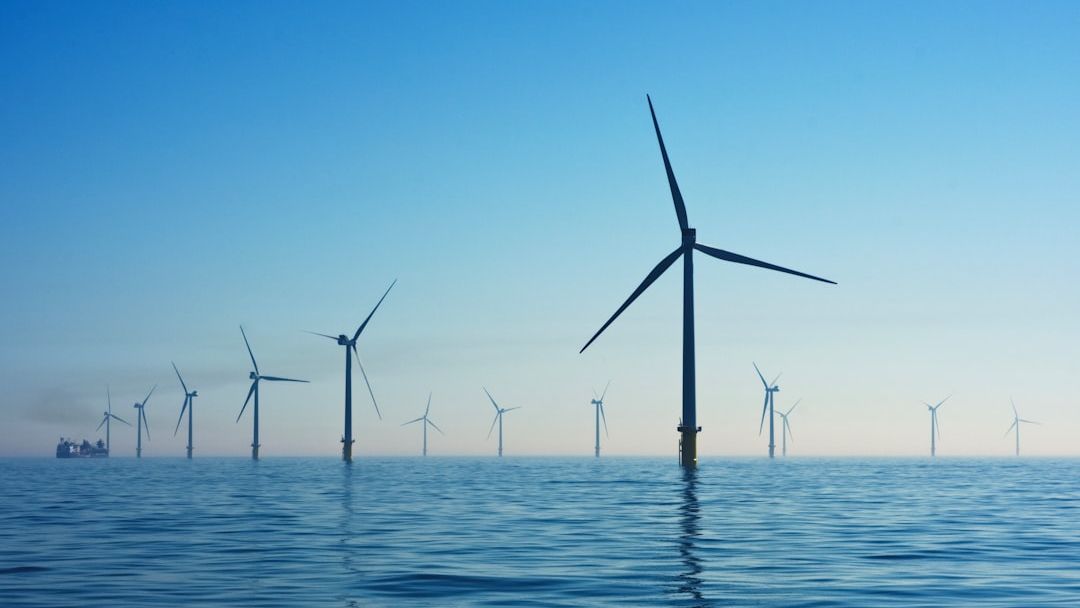
Trump administration cites national security in stalling 165 wind farms – Image for illustrative purposes only (Image credits: Unsplash)
The U.S. Department of Defense has paused approvals for roughly 165 onshore wind projects, invoking national security to address potential radar interference. This move affects developments on private lands at various stages, from those nearing completion to others in early talks. Industry groups described the action as an unprecedented slowdown in what was once a streamlined process.
A Broad Freeze on Wind Development
The Department of Defense issued holds on these projects, catching many developers off guard. Some wind farms awaited only final clearance, while others remained mired in negotiations. Even initiatives that historically bypassed close scrutiny now faced delays, according to the American Clean Power Association and sources familiar with the reviews.
This intervention marked a sharp departure from routine procedures. Developers typically secured quick nods for projects distant from military sites. The current backlog signaled a more cautious approach under the Trump administration’s oversight.
Radar Interference: The Core Concern
Wind turbines can disrupt military radar by scattering signals, much like clutter in the sky. The Defense Department evaluates each site’s risk level before granting approval. Developers often funded upgrades to radar filters, allowing systems to distinguish turbines from actual threats.
Assessments usually wrapped up in days, especially for low-risk locations far from bases or flight corridors. Low-impact projects received swift exemptions. Recent stalls suggested heightened vigilance, extending timelines across the board.
Industry Pushback and Project Impacts
The American Clean Power Association highlighted the unusual scope, noting projects ensnared despite minimal oversight needs in the past. Developers faced mounting costs and uncertainty as negotiations dragged. Some ventures teetered on the edge of abandonment amid the prolonged waits.
Sources close to the process pointed to a policy shift prioritizing security over speed. This affected a diverse array of sites nationwide, amplifying ripple effects on investment and timelines.
Renewable Energy in the Crosshairs
The delays fit into broader tensions between expanding clean energy and military priorities. Onshore wind had surged as a key renewable pillar, but radar issues long posed hurdles. The administration’s stance amplified these frictions, slowing a sector poised for growth.
Stakeholders awaited clarity on resolution paths. Developers eyed mitigation strategies, from site relocations to advanced tech. The outcome could reshape how future projects navigate federal reviews.