

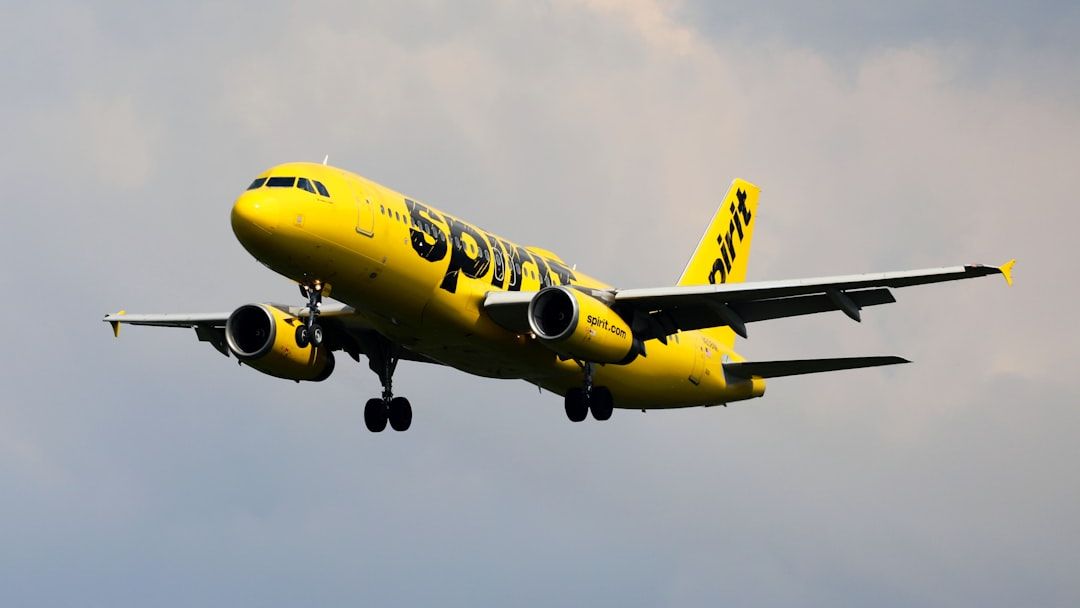
Spirit Airlines says it has refunded most customers after shutdown – Image for illustrative purposes only (Image credits: Unsplash)
Spirit Airlines announced on May 3, 2026, that it had nearly completed issuing refunds to customers stranded by its abrupt halt in operations two days earlier.[1] The carrier, once a disruptor in budget air travel, canceled all flights and began an orderly wind-down after bailout talks collapsed, affecting thousands of daily passengers and crew members nationwide.[2] This update provides relief to many but highlights lingering uncertainties for others amid the airline’s financial unraveling.
Timeline of the Operational Collapse
Spirit Airlines initiated its wind-down on May 2, 2026, effective immediately, canceling every scheduled flight and suspending customer service.[2] The move followed failed negotiations for a $500 million federal rescue package proposed by President Donald Trump, which creditors rejected over concerns it would weaken their claims.[1] Jet fuel prices had surged due to the U.S.-Israeli conflict with Iran, compounding pressures from two prior bankruptcies since 2024 and a blocked merger with JetBlue.
CEO Dave Davis described the outcome as unavoidable. “Sustaining the business required hundreds of millions of additional dollars of liquidity that Spirit simply does not have and could not procure,” he stated. “This is tremendously disappointing and not the outcome any of us wanted.”[1] U.S. Transportation Secretary Sean Duffy noted the carrier had been losing money steadily, signaling the shutdown had loomed for months.[1]
Refund Processing Reaches Milestone
Most passengers who booked directly through Spirit with credit or debit cards saw refunds by the evening of May 2, according to the airline’s update.[1] A small fraction continued under processing as of May 3, with the company cautioning that funds might require several days to post to accounts.[1] Spirit had lined up more than 4,000 domestic flights through May 15, stranding passengers from the U.S. to Latin America.
The airline prioritized an orderly closeout, including returning about 1,500 crew members to home bases over the weekend.[1] Travelers reported some delays in cancellation notices and refund confirmations, though the bulk of direct payments processed swiftly.
Navigating Exceptions and Next Steps
Customers who used vouchers, loyalty points, or credits face a different path, with resolutions pending in bankruptcy court proceedings.[1] Those booking via travel agents must pursue refunds through the agent, as Spirit directed no assistance for rebookings on other carriers.[3] The company established a claims agent for inquiries, reachable at a dedicated website and phone lines.
What Matters Now
- Check your account for automatic refunds if paid by credit or debit card directly with Spirit.
- Contact your travel agent promptly for third-party bookings.
- Monitor bankruptcy updates for vouchers or points; avoid airports as no staff remains on site.
- Explore rival airlines’ limited rescue fares where available.
Spirit urged passengers not to visit airports, emphasizing the full suspension of services.
Stakeholders Grapple with Fallout
Employees numbered in the thousands now navigate severance and job hunts, while the industry absorbs the loss of a low-fare leader that flew roughly 60,000 passengers daily.[4] Political tensions surfaced, with Treasury Secretary Scott Bessent attributing the failure to prior Biden administration policies.[1]
Rival carriers offered select rebooking waivers, easing some disruptions. The episode underscores vulnerabilities in the ultra-low-cost model amid volatile fuel markets and regulatory hurdles.
Spirit’s 33-year legacy reshaped affordable flying but ended without fanfare, prompting reflection on the sustainability of discount aviation in turbulent times. As refunds finalize, the focus shifts to rebuilding travel plans and monitoring the broader ripple effects on competition and pricing.